What Are 925 EJI China Earrings? A Beginner's Guide
Discover what the 925 EJI China stamp means on your earrings. Learn about silver purity, maker marks, allergy safety, and how to spot fakes.

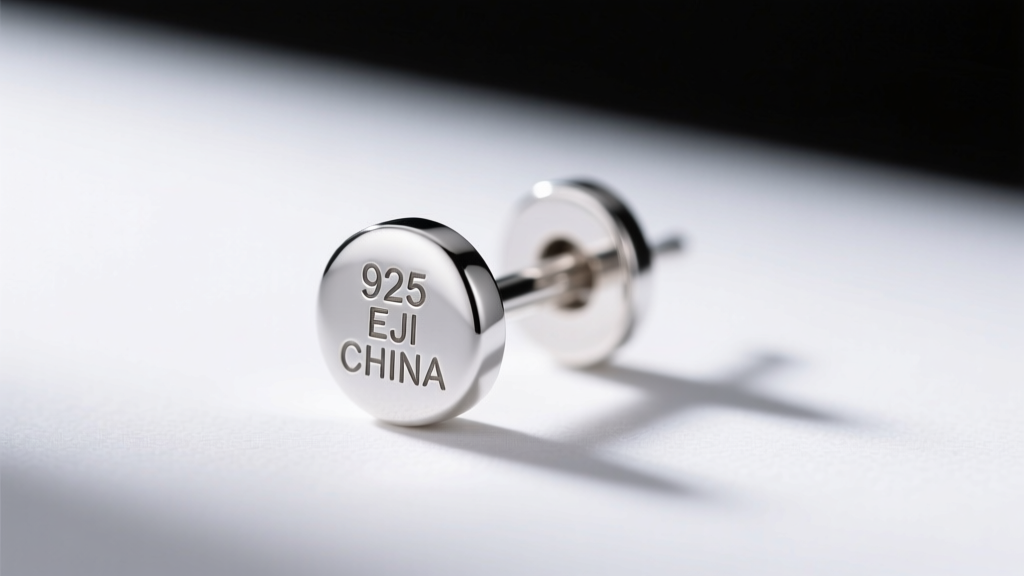
If you have ever examined the delicate post of a new pair of silver earrings with a jeweler's loupe or your phone's macro camera, you might have spotted a cryptic string of text: 925 EJI CHINA. For beginners and seasoned jewelry collectors alike, this tiny hallmark can spark a flurry of questions. Is it real silver? What does EJI stand for? Is it safe for sensitive earlobes?
As a fundamental rule of jewelry inspection, hallmarks are the fingerprints of your accessories. In this comprehensive beginner-friendly explainer, we will decode the "925 EJI China" stamp, explore the metallurgy of sterling silver, and provide you with actionable frameworks to verify authenticity, care for your pieces, and understand their true market value in 2026.
Decoding the Hallmark: What Does the Stamp Actually Mean?
To understand the value and composition of your earrings, we must break the stamp down into its three distinct components. The Federal Trade Commission (FTC) strictly regulates how precious metals are stamped and sold in the United States, requiring both purity and origin disclosures.
The "925" Purity Standard
The number 925 indicates that the metal is Sterling Silver. Pure silver (999 fine silver) is exceptionally soft, with a Vickers hardness of roughly 25 HV. If an earring post were made of pure silver, it would bend under the slight pressure of being pushed through a pierced earlobe, and the friction clutch (butterfly back) would quickly wear the groove away, causing you to lose the earring.
To solve this, metallurgists alloy the silver. The 925 stamp guarantees that the piece is composed of 92.5% pure silver and 7.5% secondary metals—most commonly copper. This copper addition raises the Vickers hardness to approximately 65-70 HV, providing the structural integrity required for a standard 20-gauge (0.81mm) earring post while retaining the brilliant luster of silver.
The "EJI" Maker's Mark
"EJI" is the registered maker's mark or sponsor's mark of the manufacturing company. In the global jewelry supply chain, EJI is a known hallmark associated with large-scale commercial sterling silver production. Under FTC guidelines, any company stamping a precious metal purity mark must also stamp their registered trademark or maker's mark to ensure accountability. If a batch of jewelry is found to be under-karated or mislabeled, the assay office or regulatory body can trace it directly back to the EJI manufacturer.
The "China" Country of Origin
The word "CHINA" simply denotes the country of manufacture. China is one of the world's largest producers of commercial sterling silver jewelry, with massive manufacturing hubs located in Guangzhou, Yiwu, and Shenzhen. While some consumers harbor biases against mass-produced international jewelry, Chinese silver manufacturing in 2026 utilizes highly advanced CAD/CAM casting and automated polishing techniques, yielding high-quality, durable pieces that supply major global retail brands.
Are 925 EJI China Earrings Safe for Sensitive Ears?
This is the most common question for buyers with contact dermatitis or metal allergies. The short answer is: Usually, yes—but with a few caveats.
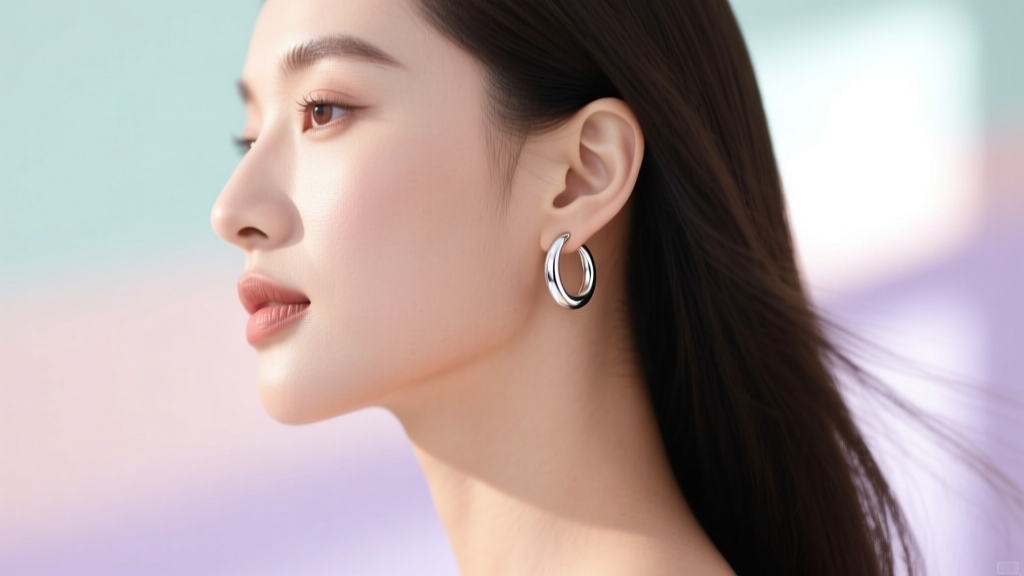
Sterling silver is generally considered hypoallergenic because it lacks nickel, which is the primary culprit behind most jewelry-related allergic reactions. The 7.5% copper alloy used in standard 925 silver is well-tolerated by the vast majority of people. However, there are two specific failure modes to watch out for:
- The Nickel Caveat: In rare cases of ultra-cheap, unregulated manufacturing, nickel might be used in the alloy instead of copper to save costs and increase brightness. If your ears swell, itch, or weep within 24 hours of wearing the earrings, you likely have a nickel allergy, and the piece may not be true 925 silver.
- Copper Oxidation (Green Skin): If your body chemistry is highly acidic, or if you sweat heavily, the copper in the 925 alloy can oxidize and leave a harmless green or black smudge on your earlobe. This is not an allergy; it is a simple chemical reaction.
Expert Tip: Look for 925 EJI earrings that advertise Rhodium Plating. Rhodium is a precious metal in the platinum family. A microscopic flash-plating of rhodium over the sterling silver creates an inert, highly reflective barrier that completely prevents tarnish and blocks any copper or trace alloys from touching your skin, making it 100% safe for hyper-sensitive earlobes.
Authenticity Check: Real Sterling Silver vs. Counterfeits
Because the "925 EJI CHINA" stamp is relatively easy to replicate with a metal die, counterfeiters sometimes stamp this exact hallmark on base metals like brass or stainless steel. According to the Gemological Institute of America (GIA), verifying silver requires looking past the stamp. Here is a practical decision framework to test your earrings at home.
| Test Method | How to Perform It | Expected Result for Real 925 Silver |
|---|---|---|
| The Magnet Test | Hold a strong neodymium magnet near the earring post and clutch. | Silver is paramagnetic (non-magnetic). The earring should NOT stick to the magnet. (Note: The steel spring inside the butterfly clutch may pull slightly). |
| The Smell Test | Rub the earring vigorously between your fingers to heat the metal, then smell it. | Real silver is odorless. If it smells metallic, sulfurous, or like old pennies, it is likely brass or copper-plated base metal. |
| The Polish Test | Rub a soft microfiber or dedicated silver polishing cloth over a tarnished area. | Real silver tarnish (silver sulfide) will leave a distinct black or dark grey residue on the cloth. Plated base metals will not. |
| The Ice Test | Place an ice cube directly on the silver earring hoop or stud. | Silver has the highest thermal conductivity of any common metal. The ice should begin melting almost instantly, faster than on glass or steel. |
Care and Maintenance: Defeating the Tarnish
The most common complaint regarding 925 silver earrings is tarnish. Tarnish is not a defect; it is a natural chemical reaction. When the copper and silver in your earrings are exposed to sulfur compounds in the air, humidity, or everyday products (like perfumes, hairsprays, and lotions), they form silver sulfide (Ag2S), which appears as a dull yellow, brown, or black film.
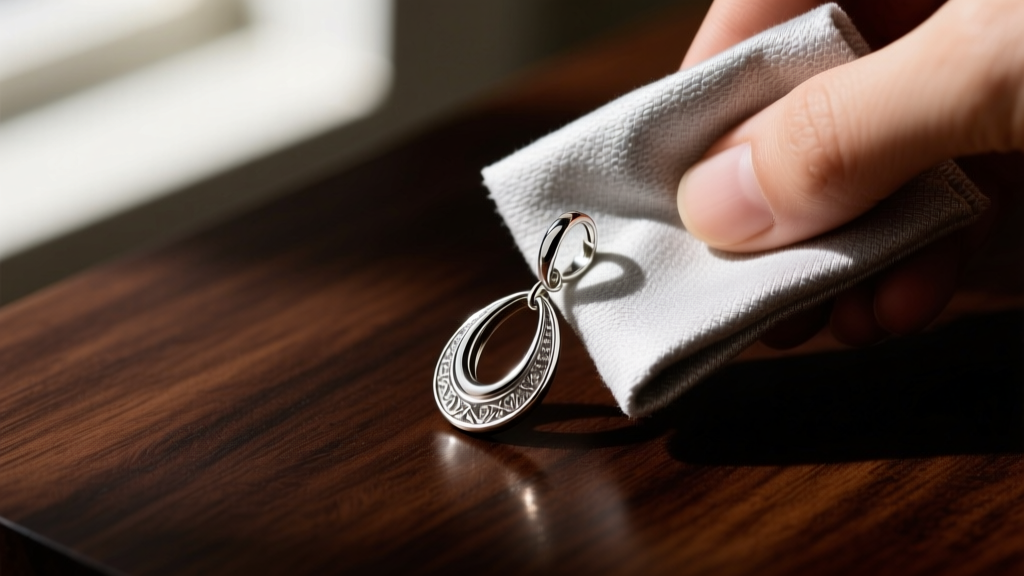
While commercial silver dips work, they are highly abrasive and can strip away the rhodium plating or antique oxidized details on your EJI earrings. Instead, use this safe, science-backed electrochemical cleaning method to reverse the tarnish without removing any base metal:
The Aluminum Foil Bath Method:
1. Line a glass bowl with aluminum foil (shiny side up).
2. Place your tarnished 925 silver earrings on the foil.
3. Sprinkle 1 tablespoon of baking soda and 1 teaspoon of sea salt over the jewelry.
4. Pour boiling water into the bowl until the earrings are submerged.
5. Wait 3 to 5 minutes. You will see bubbles and smell a faint sulfur (rotten egg) odor.
6. Remove with wooden tongs, rinse in distilled water, and buff dry with a microfiber cloth.
This process creates a galvanic cell where the aluminum acts as a sacrificial anode, pulling the sulfur atoms away from the silver and transferring them to the foil, leaving your earrings brilliantly restored.
Pricing and Value: What Should You Pay?
Understanding the intrinsic versus retail value of 925 EJI China earrings prevents you from overpaying. Let's look at the raw economics.
If the spot price of silver is hovering around $25 to $30 per troy ounce, the actual "melt value" of the silver in a standard 3-gram pair of sterling silver stud earrings is less than $2.50. Therefore, when you purchase these earrings from a boutique or online retailer for $25 to $60, you are not paying for the raw metal. You are paying for:
- Labor and Casting: The precision CAD design, rubber mold creation, and lost-wax casting process.
- Finishing: Hand-polishing, rhodium plating, and quality assurance (ensuring the 20-gauge posts are perfectly straight and soldered securely).
- Logistics and Markup: Import duties, shipping from Shenzhen or Guangzhou, packaging, and retail overhead.
The Verdict: A fair retail price for mass-market 925 EJI China stud or huggie earrings ranges from $18 to $45. If a seller is attempting to charge $150+ for a simple pair of unbranded 925 EJI silver hoops without any precious gemstones or artisan hand-forging, you are paying an inflated brand tax. Conversely, if you find them for under $5, be highly suspicious of the authenticity, as the manufacturing and shipping costs alone would eclipse the sale price.
Final Thoughts on Your 925 EJI China Earrings
Spotting the "925 EJI CHINA" hallmark is generally a positive sign. It indicates that your earrings conform to international precious metal standards, are backed by an accountable manufacturer, and are crafted from a durable, time-tested alloy. By understanding the metallurgy behind the stamp, utilizing simple at-home authenticity tests, and employing the aluminum foil cleaning trick, you can confidently wear, care for, and evaluate your sterling silver jewelry collection for years to come.


