925 SK9 Earrings: Budget & Value Assessment Guide
Discover if 925 SK9 earrings are worth your money. We analyze material quality, pricing tiers, failure modes, and real value for budget buyers.

The Reality of Budget Sterling Silver: An Introduction
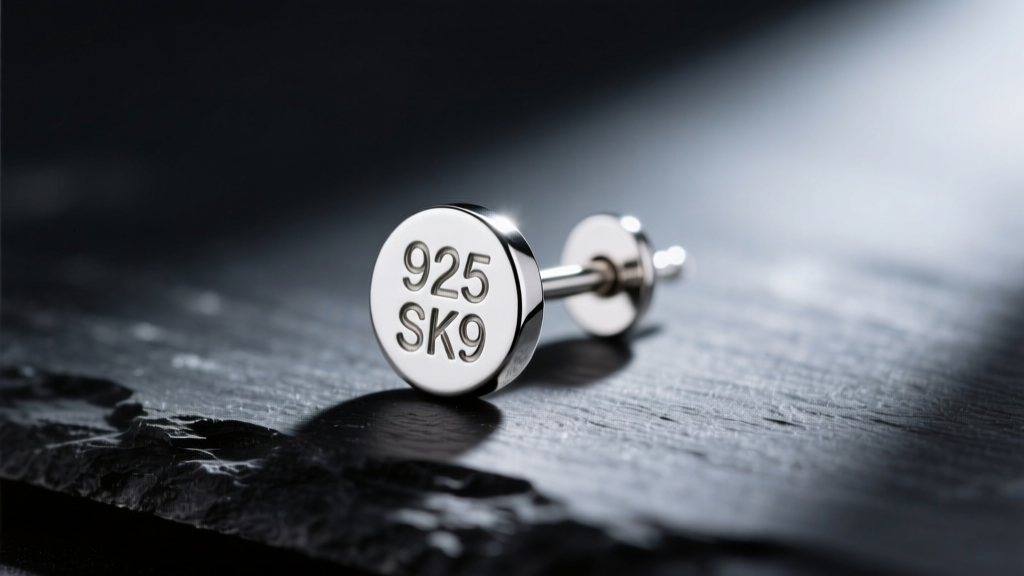
When navigating the crowded market of affordable jewelry, the "925 SK9" stamp is one of the most frequently encountered hallmarks on earring posts and clasp interiors. For budget-conscious consumers in 2026, deciphering whether this stamp represents a hidden gem of wholesale value or a fast-fashion trap is critical. As a senior analyst for Jewel Style Radar, I have spent the last decade evaluating metallurgical integrity, pricing structures, and long-term wearability of mass-market silver. This comprehensive value assessment breaks down exactly what you are getting when you purchase 925 SK9 earrings, examining the alloy composition, structural failure points, and how they truly stack up against both ultra-cheap alternatives and premium designer brands.
Decoding the Stamp: What Does "925 SK9" Actually Mean?
To assess value, we must first understand the legal and metallurgical definitions behind the hallmark. According to the Federal Trade Commission Jewelry Guides, any piece stamped with "925" must contain exactly 92.5% pure silver. The remaining 7.5% is an alloy mixture added to give the soft pure silver enough tensile strength to be worn as jewelry.
The "SK9" portion of the stamp is a maker's mark. In the global jewelry supply chain, SK9 is widely recognized as a manufacturer stamp originating from large-scale, high-volume silver jewelry factories, primarily based in Asian manufacturing hubs like Thailand and China. These factories supply countless e-commerce brands, Amazon sellers, and boutique importers. Therefore, "925 SK9" does not denote a specific luxury designer; rather, it indicates mass-market, factory-direct sterling silver. The value proposition here is rooted in the elimination of middleman markups, allowing consumers to pay closer to the intrinsic melt value and basic labor cost of the silver.
Metallurgical Integrity and Allergy Risks
The primary differentiator between premium sterling silver and budget SK9 batches lies in that crucial 7.5% alloy mixture. High-end jewelers typically use pure copper or a copper-zinc brass mixture to maintain the silver's hypoallergenic properties. However, to cut costs and improve casting flow in high-volume factories, some budget manufacturers have historically experimented with cheaper alloys.
The most significant risk for sensitive ears is the presence of nickel. While the Gemological Institute of America (GIA) notes that standard sterling silver should be nickel-free, unregulated import batches occasionally contain trace nickel or use nickel plating over a silver base to create a brighter, rhodium-like shine. If you have contact dermatitis, buying 925 SK9 earrings requires vigilance. Always look for pieces that explicitly state "nickel-free" or feature a thick rhodium plating, which acts as a physical barrier between the alloy and your skin. Unplated SK9 silver that tarnishes rapidly (turning black within weeks) often indicates a high copper content, which is safe for allergies but requires frequent polishing.
Price vs. Value: The 2026 Market Breakdown
Is the SK9 stamp a good deal? To answer this, we must look at the cost-per-wear and compare SK9 pricing against both unbranded marketplace jewelry and established premium brands. The table below outlines current average retail prices for standard earring styles across these three tiers.
| Earring Style | 925 SK9 Avg Price | Unbranded Wholesale | Premium Brand (e.g., Mejuri) |
|---|---|---|---|
| Simple CZ Studs | $15 - $28 | $3 - $8 | $48 - $78 |
| Textured Huggies | $22 - $40 | $6 - $12 | $68 - $110 |
| Drop Earrings | $30 - $55 | $10 - $18 | $95 - $150 |
The Verdict on Pricing: SK9 earrings occupy the "sweet spot" of the budget market. You are paying roughly 30% to 50% less than premium brands, but you are guaranteed actual 925 sterling silver, unlike the $5 unbranded marketplace alternatives which frequently fail acid tests and turn out to be silver-plated copper or zinc alloys. For everyday wear pieces like small hoops and studs, SK9 offers exceptional intrinsic value.
Common Failure Modes in Budget Sterling Silver
Where SK9 manufacturers save money is not necessarily in the silver purity, but in the structural engineering and finishing. Understanding these failure modes will help you inspect your earrings upon arrival and avoid pieces that will break within a month.
1. The Post Gauge Problem
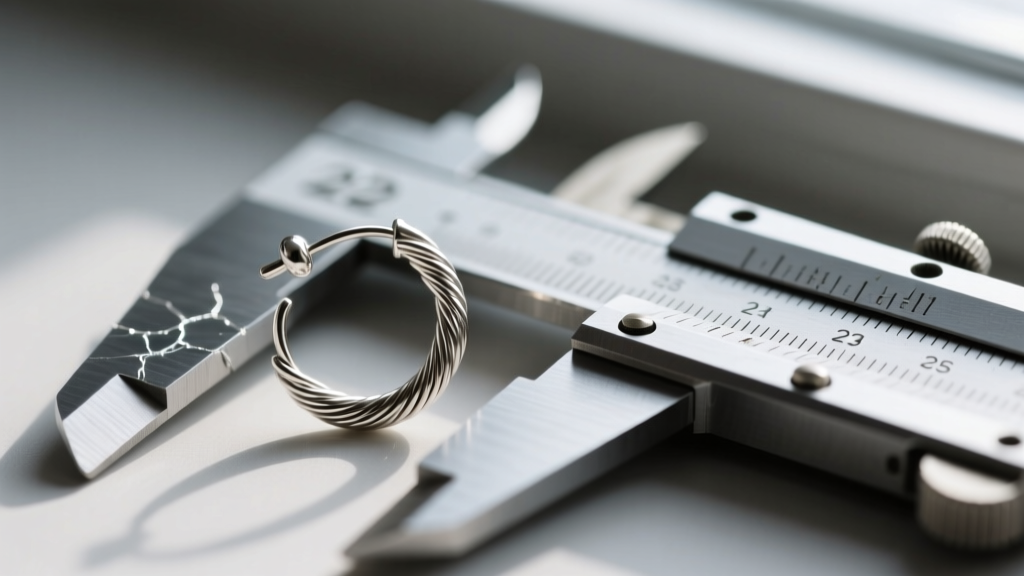
Standard high-quality earring posts are 20-gauge (0.81mm thick) or 18-gauge (1.02mm). To save fractions of a gram of silver per unit—which adds up to thousands of dollars in large production runs—SK9 and similar budget manufacturers frequently use 22-gauge (0.64mm) or even 24-gauge wire for their posts. While 22-gauge is perfectly safe for the earlobe, it lacks structural rigidity. If you sleep in 22-gauge SK9 studs or pull a sweater over your head, the post will bend. Once a sterling silver post is bent and bent back, work hardening occurs, and the metal will eventually snap.
2. Clasp Fatigue and Hinge Failure
For SK9 huggies and hoops, pay close attention to the clasp mechanism. Budget hinges are often stamped rather than cast, resulting in loose tolerances. A common failure mode is the post slipping out of the catch during wear. When buying SK9 hoops, always test the "snap" of the clasp. If it requires excessive force to close, or if it wiggles side-to-side when locked, the tolerance is off, and you risk losing the earring.
3. Prong Settings vs. Bezel Settings
If your SK9 earrings feature cubic zirconia or semi-precious stones, examine the setting. Budget manufacturers heavily rely on glued-in stones or extremely thin, machine-pressed prongs. For maximum longevity in budget silver, always opt for bezel settings (where a rim of silver completely surrounds the stone) rather than prong settings, which are prone to snagging and releasing the stone.
Verification and Care Protocols
Because the SK9 stamp is mass-produced, it is occasionally counterfeited by ultra-budget sellers who stamp 925 onto base metals. To verify your purchase, use the magnet test: sterling silver is paramagnetic and should not stick to a strong neodymium magnet. If your SK9 earring clings to a magnet, it is steel or iron with a silver flash plating.
To maintain the finish of authentic SK9 silver, store the earrings in an airtight ziplock bag with an anti-tarnish silica gel packet or a piece of activated charcoal. Because budget silver often has a higher copper content in the alloy, it is more susceptible to sulfur-induced tarnishing than premium, rhodium-plated alternatives. Wipe them down with a microfiber cloth after every wear to remove skin oils and environmental sulfur.
Final Verdict: Should You Buy 925 SK9 Earrings?
If you are looking for investment-grade heirloom jewelry with flawless finishing, thick 18-gauge posts, and premium gemstone settings, SK9 is not the right tier for you. However, if you are a budget-conscious buyer seeking genuine sterling silver for everyday rotation, travel jewelry, or trend-driven styles that you may only wear for a season, 925 SK9 earrings offer a highly defensible value proposition. By avoiding thin-pronged stone settings, checking for 20-gauge posts where possible, and verifying the silver with a magnet test, you can successfully navigate the wholesale market and secure genuine silver at a fraction of the boutique retail price.


