How to Choose the Best Earring Care Solution for Sensitive Ears
Learn how to choose the right earring care solution for sensitive ears, fresh piercings, and daily maintenance with our beginner-friendly guide.

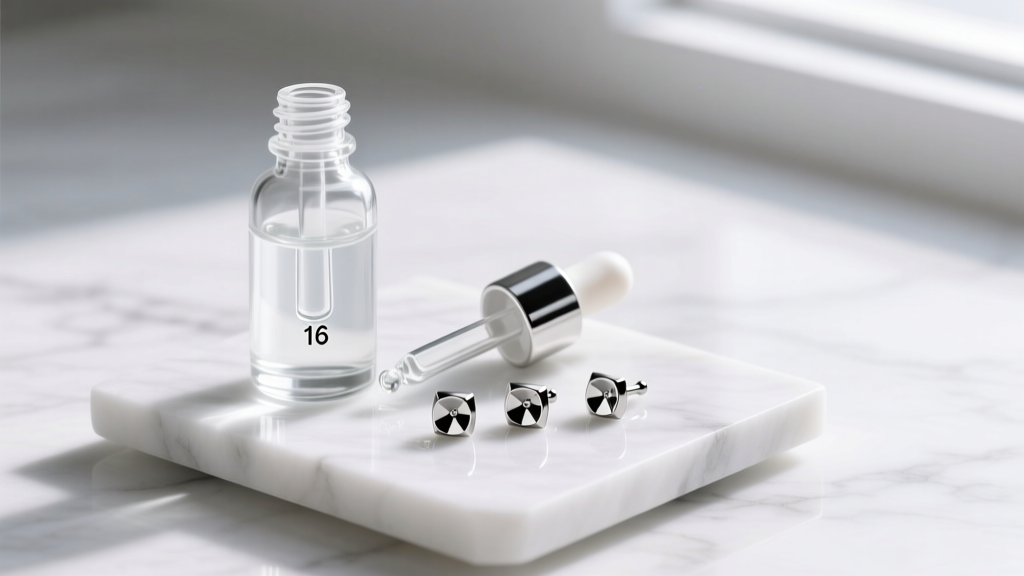
If you have ever taken out your favorite studs and noticed a grayish buildup on the post or experienced a dull, itchy ache in your earlobes by the end of the day, you are not alone. The micro-environment of a piercing is a magnet for sebum, dead skin cells, and environmental debris. While many beginners assume that simply washing their ears in the shower is enough, the reality is that a dedicated earring care solution is a non-negotiable tool for maintaining both your jewelry and your skin health.
Whether you are nursing a fresh cartilage piercing, managing a nickel allergy, or simply trying to keep your 14k gold hoops gleaming, using the wrong product can lead to contact dermatitis, delayed healing, or irreversible damage to your jewelry. This beginner-friendly explainer will break down the science of ear hygiene, compare the top cleaning formulations on the market, and provide a step-by-step maintenance routine tailored to your specific metals.
The Science of Ear Sebum and Oxidation
Before selecting a product, it is crucial to understand what you are actually cleaning. The infamous "ear cheese" is not an infection; it is a natural accumulation of sebum (skin oils), shed stratum corneum cells, and microscopic metal oxidation. When you wear earrings—particularly standard 20-gauge to 18-gauge posts—the friction of the metal against the fistula (the piercing channel) creates microscopic exfoliation.
In cartilage piercings, such as the helix or tragus, the tissue is avascular, meaning it has a limited blood supply. This makes cartilage highly susceptible to moisture trapping and bacterial overgrowth if not cleaned properly. According to the Association of Professional Piercers (APP), the goal of any aftercare or maintenance routine is to gently remove this debris without disrupting the delicate cellular turnover or stripping the skin's natural lipid barrier. This is where choosing the correct earring care solution becomes a matter of dermatological importance.
Breaking Down the Types of Earring Care Solutions
Not all cleaners are created equal. A product designed to polish silver will severely burn an open wound, while a wound wash will do nothing to remove tarnish from a vintage necklace. Below is a comparison of the three primary categories of ear and jewelry cleaning solutions available today.
| Solution Type | Active Ingredient | Best Use Case | Avg. Price Range | Safe for Open Wounds? |
|---|---|---|---|---|
| Sterile Saline Wound Wash | 0.9% Sodium Chloride, Water | Fresh piercings, daily lobe flushing | $6 - $12 | Yes |
| Hypochlorous Acid (HOCl) Spray | Hypochlorous Acid | Irritated cartilage, post-workout sanitizing | $12 - $18 | Yes |
| Foaming Jewelry Cleanser | Mild Surfactants, Essential Oils | Deep cleaning healed metal jewelry | $15 - $25 | No |
For beginners, sterile saline is the gold standard for biological cleaning, while a foaming jewelry cleanser is strictly for the physical maintenance of the metal once the piercing is fully healed and the jewelry has been removed from the ear.
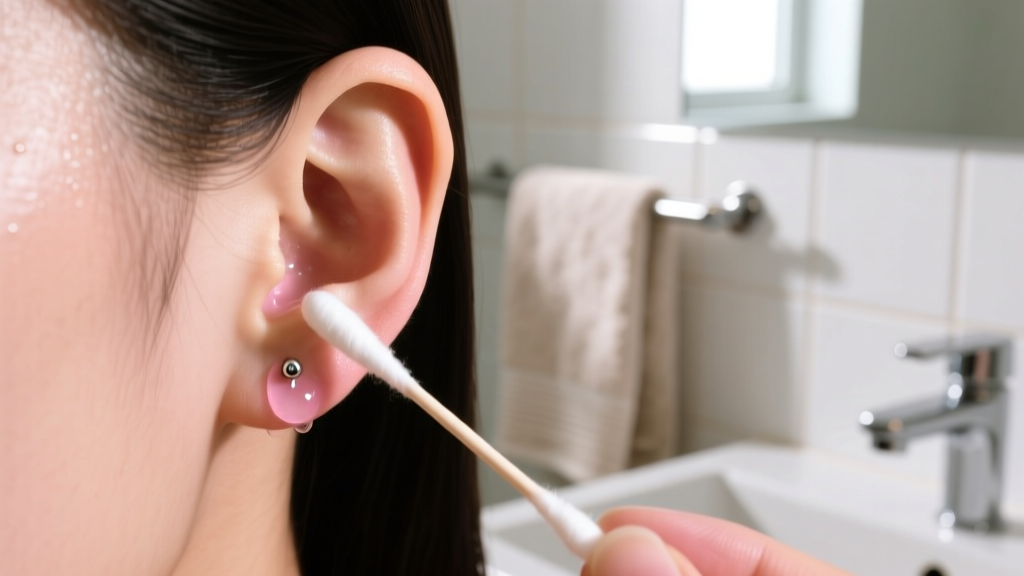
Ingredients to Avoid in Commercial Cleaners
Walk down the pharmacy aisle, and you will find dozens of antiseptics marketed for wound care. However, modern dermatology and professional piercing standards have largely abandoned these legacy chemicals for ear care. The Mayo Clinic and leading dermatologists strongly advise against using the following ingredients on your ears or your jewelry while it is in the body:
- Rubbing Alcohol (Isopropyl): Alcohol causes severe cellular dehydration. It kills bacteria, but it also destroys the newly formed epithelial cells trying to heal your fistula, leading to micro-tears and scar tissue (hypertrophic scarring).
- Hydrogen Peroxide: While it fizzes and looks like it is working, peroxide is highly caustic to healthy tissue. It delays healing and can cause chemical burns on the delicate skin behind the earlobe.
- Tea Tree Oil (Undiluted): Often touted as a natural remedy, pure tea tree oil is a known contact allergen and can cause severe blistering and contact dermatitis when applied to the confined space of a piercing channel.
- Antibiotic Ointments (e.g., Neosporin): These petroleum-based ointments block oxygen flow to the wound and trap dead skin cells inside the piercing channel, creating an anaerobic environment where harmful bacteria thrive.
Step-by-Step Cleaning Routine for Different Metals
The metal grade of your earrings dictates how you should clean them when they are out of your ear. Using harsh chemicals on porous or plated metals can strip their finish, while implant-grade metals can withstand much more rigorous cleaning.
ASTM F-136 Implant-Grade Titanium
Titanium is the undisputed king of body jewelry. It is completely inert, nickel-free, and non-porous. To clean titanium earrings, simply soak them in a small cup of warm water mixed with a few drops of mild, fragrance-free liquid soap for five minutes. Use a soft-bristled baby toothbrush to gently sweep the threads and the post. Rinse thoroughly and dry with a lint-free paper product. Titanium will not tarnish, so chemical polishes are entirely unnecessary.
14k and 18k Solid Gold
Solid gold is excellent for sensitive ears, but it is a relatively soft metal. Avoid using abrasive polishing cloths or stiff brushes, which can create microscopic scratches where bacteria can later hide. Use a dedicated, surfactant-based foaming earring care solution. Pump the foam directly onto the jewelry, let it sit for two minutes to break down sebum, and rinse under warm running water. Note: Avoid 24k gold for daily wear, as its extreme softness makes it prone to warping and trapping debris.
Argentium and Sterling Silver
Standard 925 sterling silver contains 7.5% copper, which reacts with sulfur in the air (and in your sweat) to create black tarnish. Argentium silver replaces some of the copper with germanium, making it highly tarnish-resistant. For standard sterling silver that has oxidized, use a specialized silver dip solution or a treated jeweler's cloth. Crucial Warning: Never wear sterling silver in a fresh or unhealed piercing. The copper content can cause argyria (a permanent bluish-gray staining of the tissue) and severe irritation.
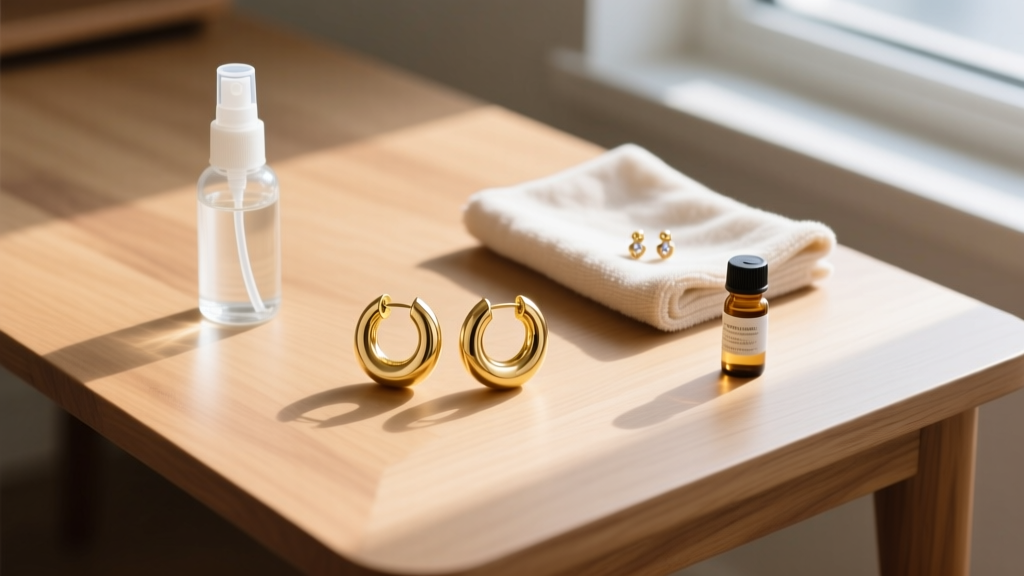
Troubleshooting Common Earring Irritation Issues
Even with the perfect earring care solution, you may occasionally experience discomfort. Learning to differentiate between an infection, an allergy, and simple mechanical irritation is a vital skill for any jewelry wearer.
Contact Dermatitis vs. Infection
If your earlobes are itchy, red, and flaky, but there is no hot swelling or thick, foul-smelling discharge, you are likely experiencing contact dermatitis. This is almost always caused by a nickel allergy. Nickel is frequently used as a hardening agent in cheap alloys and even in some lower-karat white golds. The solution is not a stronger cleaner; it is to switch to ASTM F-136 titanium or high-purity niobium jewelry immediately.
Moisture Trapping and "Swimmer's Ear"
If you frequently sleep with wet hair or fail to dry the back of your earlobes after showering, the trapped moisture creates a breeding ground for yeast and bacteria. This often presents as a crusty, itchy patch directly behind the earlobe where the earring backing sits. To combat this, incorporate a quick blast of cool air from a hairdryer (held at a safe distance) to dry your piercings after bathing, and opt for flat-back labret studs instead of traditional butterfly friction backs, which trap significantly more moisture and debris.
Final Thoughts on Ear Health
Investing in a high-quality earring care solution is just as important as investing in the jewelry itself. By understanding the biological needs of your piercings and the chemical sensitivities of your metals, you can ensure that your ears remain healthy, comfortable, and ready to showcase your favorite pieces. Ditch the rubbing alcohol, stock up on sterile saline and hypochlorous acid, and treat your ear care routine with the same dedication as your skincare regimen. Your piercings will thank you for it.


