2026 Gift Guide: Sapphire and Diamond Hoop Earrings for Every Occasion
Discover the ultimate 2026 gift guide for sapphire and diamond hoop earrings. Learn how to match carat weights, metal types, and styles to any occasion.

Why Sapphire and Diamond Hoops Dominate 2026 Gifting
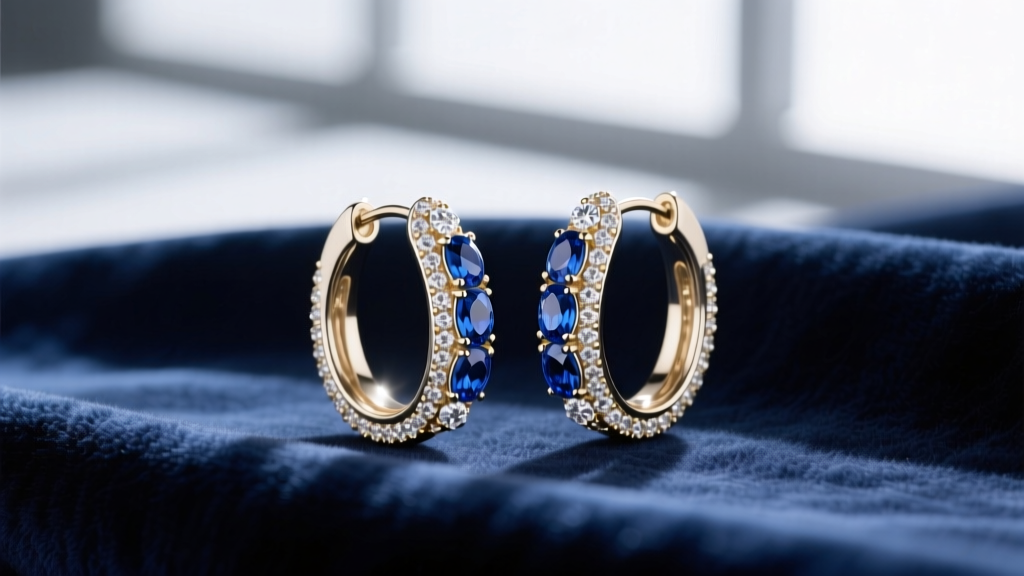
Few jewelry gifts command the immediate awe of sapphire and diamond hoop earrings. Combining the regal, velvety depths of blue corundum with the icy, refractive brilliance of diamonds, this pairing bridges the gap between vintage elegance and modern versatility. As we navigate the 2026 luxury gifting season, these hoops have evolved beyond the rigid, heavy designs of the past decade. Today's market favors articulated settings, micro-pavé diamond halos, and ergonomic hinge mechanisms that cater to both standard lobe and lower cartilage piercings.
Whether you are shopping for an anniversary, a milestone birthday, or a holiday centerpiece, selecting the perfect pair requires a nuanced understanding of gemology, metallurgy, and structural engineering. This guide provides the exact specifications you need to make an informed, high-value purchase.
Decoding the Gemology: Sapphires and Diamond Melee
The visual impact of these earrings relies entirely on the contrast between the center sapphires and the diamond accents. According to the Gemological Institute of America (GIA), sapphire quality is judged primarily on color saturation and tone, rather than the strict clarity grades applied to diamonds.
Sapphire Origins and Color Profiles
- Ceylon (Sri Lanka): Known for bright, highly saturated 'cornflower' blues with exceptional clarity. These are ideal for hoops because their high brilliance catches light even in smaller millimeter sizes (2mm - 4mm).
- Kashmir: The holy grail of sapphires, featuring a velvety, sleepy blue caused by microscopic rutile silk inclusions. Extremely rare and typically reserved for bespoke, high-jewelry statement hoops.
- Madagascar: Offers deep, inky blues that provide striking contrast against white diamonds. These represent the best value-to-size ratio in the 2026 market.
Pro-Tip: Always ask if the sapphires are heated. Unheated sapphires with vivid color command a 40% to 60% premium over their heat-treated counterparts, a crucial factor for investment-grade gifting.
Diamond Melee Specifications
The diamonds used in hoop earrings are typically 'melee' (under 0.18 carats each). Do not let jewelers offload low-grade melee onto these pieces. To ensure the diamonds do not look milky or gray next to the vibrant sapphires, insist on G-H color and VS2 to SI1 clarity. The American Gem Trade Association (AGTA) emphasizes that poorly matched melee can severely diminish the perceived value of the primary colored gemstones.
Occasion Matching: The 2026 Hoop Sizing Matrix
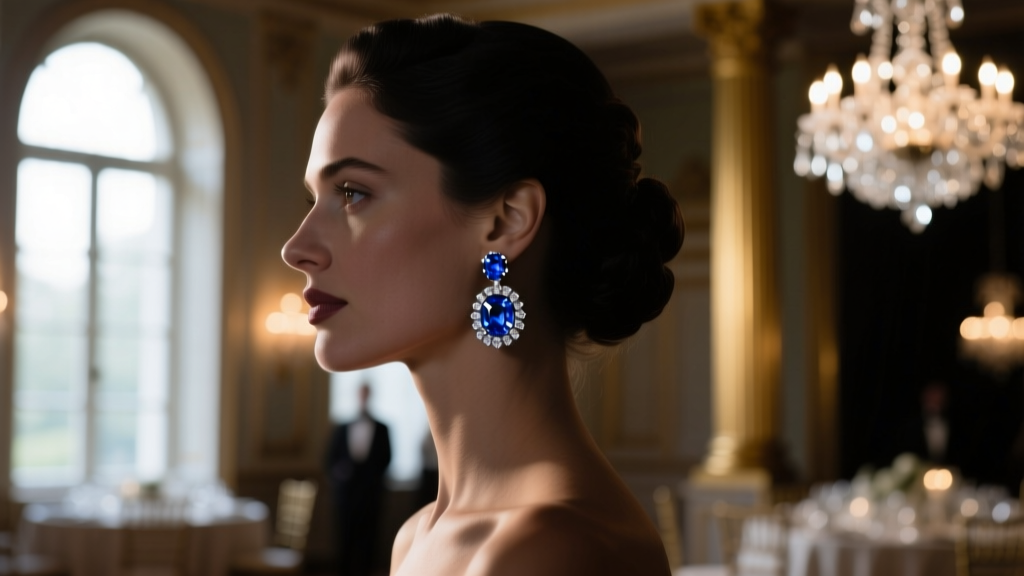
The diameter and total carat weight (TCW) of the hoops dictate their formality. Gifting a 40mm statement hoop to a minimalist who prefers subtle everyday wear is a common misstep. Use this matrix to align the physical specifications of the earrings with the recipient's lifestyle and the gifting occasion.
| Occasion / Lifestyle | Style & Diameter | Approx. Sapphire TCW | Diamond Accent TCW | 2026 Price Range |
|---|---|---|---|---|
| Everyday / Corporate Office | Huggies (12mm - 15mm) | 0.60 - 1.00 ct | 0.20 - 0.40 ct | $1,500 - $3,200 |
| Date Night / Cocktail Parties | Medium Hoops (20mm - 25mm) | 1.50 - 2.50 ct | 0.50 - 0.80 ct | $3,800 - $6,500 |
| Black-Tie Galas / Red Carpet | Statement Hoops (30mm - 40mm) | 4.00 - 6.00 ct | 1.50 - 3.00 ct | $8,500 - $18,000+ |
| Cartilage / Helix Piercings | Micro-Clickers (8mm - 10mm) | 0.25 - 0.40 ct | 0.10 - 0.15 ct | $800 - $1,600 |
Inside-Out vs. Outside-Only Settings
When browsing luxury catalogs, you will encounter 'inside-out' hoop earrings. These feature gemstones set on both the front and the inner curve of the hoop. While outside-only hoops are lighter and more affordable, inside-out designs create a continuous halo of sparkle that is visible from every angle, particularly when the wearer turns their head. Expect to pay a 35% premium for inside-out settings due to the doubled gemstone requirement and the complex hinging needed to accommodate the inner stones.
Metal Selection: Platinum vs. 18K Gold Alloys
The metal framework must securely hold dozens of micro-prongs while enduring the mechanical stress of being opened and closed repeatedly.
Platinum (950 Pt)
The ultimate choice for heirloom-quality gifting. Platinum's natural white luster enhances the icy brilliance of the diamond melee without requiring rhodium plating. More importantly, platinum's tensile strength ensures that the micro-prongs holding the sapphires will not wear down or snap over decades of use. It is also inherently hypoallergenic.
18K White Gold
Alloyed with palladium or nickel and plated with rhodium, 18K white gold offers a similar visual profile to platinum at a 20% lower price point. However, the rhodium plating will eventually wear off near the clasp and hinge, requiring re-plating every few years to maintain the bright white finish.
18K Yellow Gold
For a vintage-inspired or high-contrast aesthetic, yellow gold is making a massive resurgence in 2026. The warm, buttery tones of the metal create a striking complementary contrast against the cool blue of the sapphires. Ensure the prongs holding the diamonds are white-gold-tipped or rhodium-plated to prevent the yellow metal from reflecting into the colorless diamonds and making them appear tinted.
Structural Integrity: Gauge Sizes and Clasp Mechanics
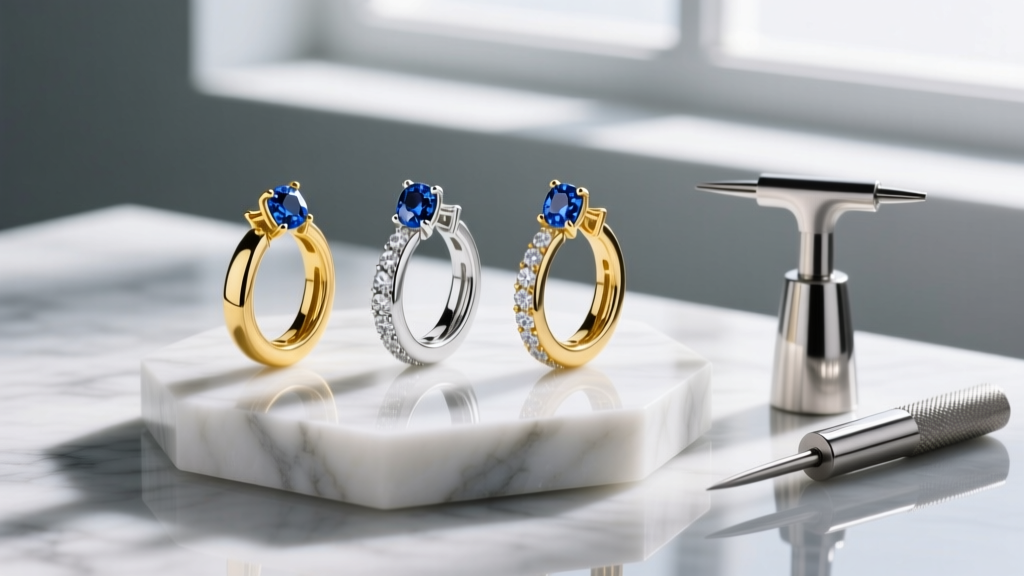
A beautiful hoop is useless if it causes discomfort or falls out. Pay strict attention to the wire gauge and the locking mechanism.
Wire Gauge Thickness
- 20-Gauge (0.81mm): The standard for most delicate huggies and lightweight hoops. Fits comfortably through standard 20G or 18G lobe piercings without stretching the tissue.
- 18-Gauge (1.02mm): Used for heavier statement hoops (30mm+). Provides the necessary structural rigidity to prevent the hoop from warping or bending when pulled.
- 16-Gauge (1.29mm): Typically reserved for cartilage or helix clickers, as these piercings are usually done at 16G or 14G.
Clasp Mechanisms
Avoid standard friction posts for hoops; they are a recipe for lost jewelry. Instead, look for:
- Hinge and Snap Closure: Features a hidden hinge on one side and a tension-fit snap on the other. Ideal for medium hoops.
- Omega Clip-Back: Combines a standard post with a hinged, spring-loaded omega wire that grips the earlobe. Essential for heavy, gem-dense statement hoops to distribute weight evenly and prevent earlobe tearing.
- Clicker Hinge: A seamless, continuous wire with a micro-hinge that 'clicks' audibly when locked. The gold standard for small huggies and cartilage jewelry.
The Authentication Checklist
When gifting sapphire and diamond hoop earrings, documentation is as important as the presentation box. Ensure the piece comes with a laboratory report from a recognized authority like the GIA, AGL (American Gem Laboratories), or GRS (GemResearch Swisslab). The report must explicitly state the sapphire's origin, any indications of heat treatment, and the exact carat weight. For diamond melee, a master jeweler's appraisal detailing the color and clarity grades of the accents will suffice. By prioritizing these technical details, you elevate your gift from a simple accessory to a curated, investment-grade treasure.


