Beginner Guide to Earrings for Pearls: Styles & Settings
Discover the ultimate beginner guide to earrings for pearls. Learn about settings, post gauges, pearl sizes, and secure mounting techniques.

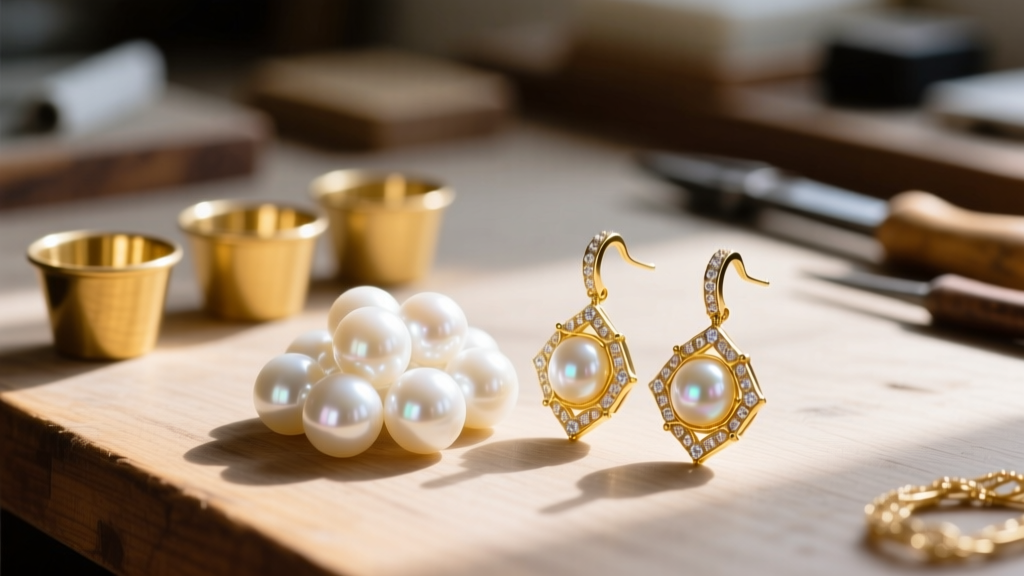
Introduction to Earrings for Pearls
Entering the world of pearl jewelry is a rewarding experience, but selecting the right earrings for pearls requires more than just picking a pretty gemstone. Whether you are buying finished pearl studs or sourcing loose pearls to mount into custom earring settings, understanding the mechanics of how pearls interact with precious metals is crucial. Unlike faceted gemstones that are held in place by metal prongs, pearls are typically mounted on a post and secured with specialized adhesives. This beginner-friendly explainer will walk you through the exact specifications, material grades, and structural considerations you need to know to choose, mount, and maintain the perfect pearl earrings.
Understanding Pearl Types and Lobe Proportions
Before selecting settings, you must understand the physical dimensions of the pearls you intend to wear. The millimeter (mm) size of a pearl drastically changes how it sits on the earlobe. According to GIA's Pearl Quality Factors, size is a primary value driver, but it also dictates the structural support your earring will need.
- Akoya Pearls (6mm - 9mm): Known for their mirror-like luster, these are the classic choice for traditional stud earrings. Their lighter weight means standard 20-gauge posts are perfectly adequate.
- Freshwater Pearls (6mm - 12mm): Available in a massive variety of shapes, from perfectly round to baroque. Because they are often solid nacre, they are highly durable for daily wear.
- Tahitian & South Sea Pearls (9mm - 16mm+): These heavy, luxurious gems require robust earring settings. A 14mm South Sea pearl will easily droop on a thin wire, requiring a heavy-duty 18-gauge post and a wide earring cup for structural balance.
When buying earrings for pearls, always measure the exact diameter of your pearls using digital calipers. Guessing the size will result in ill-fitting metal cups that ruin the aesthetic of the jewelry.
Selecting the Right Earring Settings and Cups
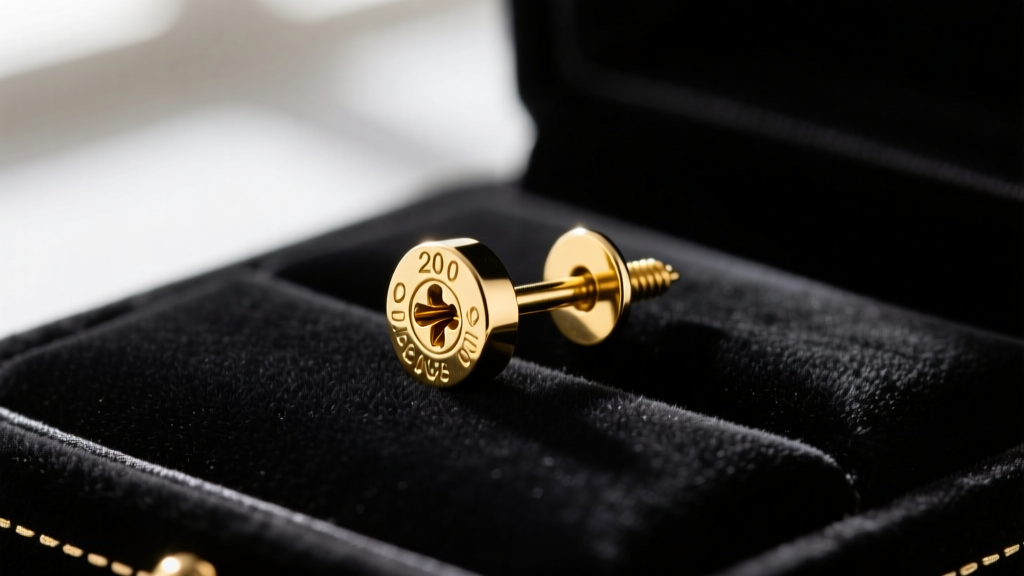
If you are mounting loose pearls, the earring setting consists of a post, a flat base, and a shallow cup (often called a pearl cup or bezel cup). The cup diameter must perfectly match the curvature of the pearl. If the cup is too small, the metal will visibly peek out from behind the pearl. If the cup is too large, the metal lip will overlap the pearl's equator, hiding its luster and creating a trap for skin oils and debris.
Pearl Size to Earring Cup Sizing Chart
| Pearl Diameter (mm) | Recommended Cup Diameter (mm) | Visual Proportion | Best Earring Style |
|---|---|---|---|
| 6.0 - 7.0 mm | 5.0 - 5.5 mm | Petite, sits high on lobe | Minimalist everyday studs |
| 7.5 - 8.5 mm | 6.0 - 7.0 mm | Classic, covers standard piercing | Traditional Akoya studs |
| 9.0 - 10.5 mm | 7.5 - 8.5 mm | Statement, slight lobe droop | Large studs or short drops |
| 11.0 - 13.0 mm | 9.0 - 10.0 mm | Heavy, requires lobe support | South Sea dangles/drops |
Post Gauges and Metal Allergies
The post is the wire that passes through the ear piercing. The thickness of this wire is measured in gauges. The two most common sizes for earrings for pearls are 20-gauge (0.81mm) and 18-gauge (1.02mm). While 20-gauge is the industry standard for lightweight Akoya and Freshwater studs, heavier pearls demand an 18-gauge post to prevent the metal from bending under the gem's weight.
Metal choice is equally critical, especially for those with contact dermatitis. According to the American Gem Society Gold Standards, 14-karat and 18-karat gold are the premier choices for fine jewelry. However, 14k gold contains more alloy metals, which can sometimes include nickel. If you have a known nickel allergy, insist on 18k yellow gold, platinum, or implant-grade titanium (ASTM F136) for the earring posts. Sterling silver is a budget-friendly option, but it tarnishes quickly when exposed to the sulfur in human sweat, requiring frequent polishing.
Securing the Pearl: Adhesives and Failure Modes
The most common point of failure in pearl earrings is the adhesive bond between the flat-bottomed pearl and the metal cup. Many beginners make the critical mistake of using cyanoacrylate (commonly known as Super Glue) to attach their pearls. This is a disastrous choice. Cyanoacrylate cures into a brittle, glass-like plastic that degrades rapidly when exposed to skin oils, cosmetics, and moisture. Within months, the brittle glue will shatter, and the pearl will fall off the post.
Professional jewelers use a two-part jeweler's epoxy, such as Devcon 5-Minute Epoxy or G-S Hypo Cement for lighter applications. Two-part epoxies cure with a slight flexibility, allowing the bond to absorb minor impacts and temperature changes without snapping. When mounting your pearls, ensure the bottom of the pearl is completely flat (often sanded by the supplier) and lightly score the inside of the metal cup with fine sandpaper to give the epoxy a textured surface to grip.
Friction Backs vs. Secure Locking Mechanisms
Losing a precious pearl because the earring back slipped off is a heartbreakingly common scenario. Standard friction backs (butterfly backs) rely on the tension of the metal clutch against the groove on the post. Over time, this metal fatigues, loosening the grip. For valuable pearls, upgrade your earring findings to secure locking mechanisms:
- La Pousette Backs: A mechanical push-and-click mechanism that locks onto the post like a syringe plunger. Highly secure and easy to operate with one hand.
- Screw Backs: The back features internal threads that screw onto a threaded post. While incredibly secure, they can be tedious to put on and the threads can strip if cross-threaded.
- Silicone O-Rings: A cheap but highly effective friction enhancer placed between a standard metal clutch and the earlobe to prevent slipping.
Maintenance and Long-Term Care
Pearls are organic gems, rating only a 2.5 to 3.0 on the Mohs hardness scale, making them highly susceptible to scratching and chemical damage. The GIA Pearl Care Guide emphasizes that pearls should always be the last thing you put on and the first thing you take off. Hairspray, perfume, and acidic skin pH can eat away at the nacre, dulling the pearl's signature luster over time.
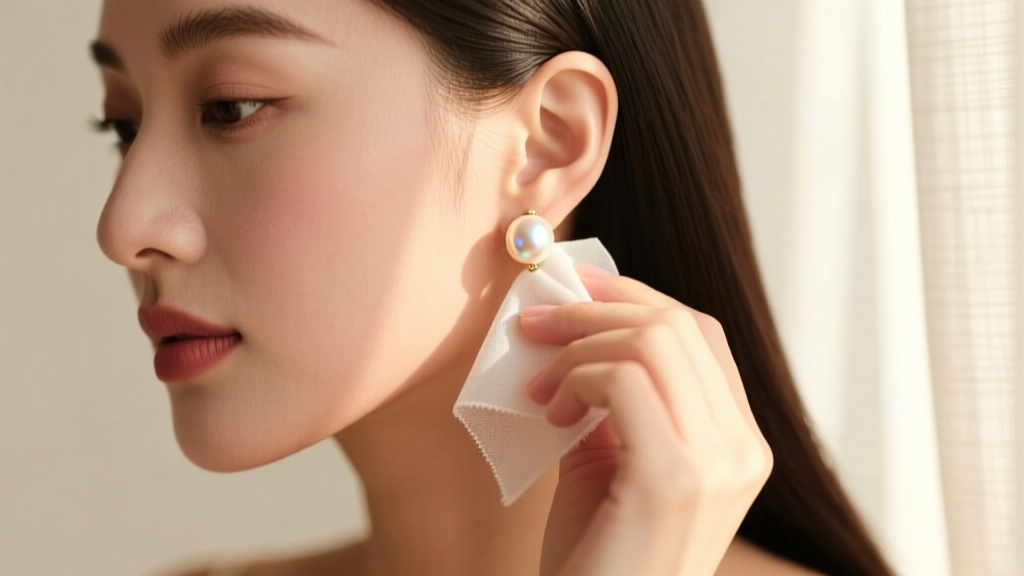
After every wear, gently wipe your pearl earrings with a damp, lint-free microfiber cloth to remove body oils. Never use ultrasonic cleaners or steamers on pearl earrings; the high-frequency vibrations can shatter the nacre, and the heat will melt the epoxy holding the pearl to the cup. Store your earrings in a soft pouch separate from harder gemstones like diamonds or sapphires, which will easily scratch the pearl's delicate surface. By following these precise structural and maintenance guidelines, your pearl earrings will remain secure and luminous for a lifetime.


