The Truth About Alpaca Mexico Silver Earrings: An Expert Guide
Discover the metallurgical truth behind alpaca Mexico silver earrings. Learn about nickel content, allergy risks, and how to spot genuine Taxco sterling.

The Metallurgical Reality: What is "Alpaca Silver"?
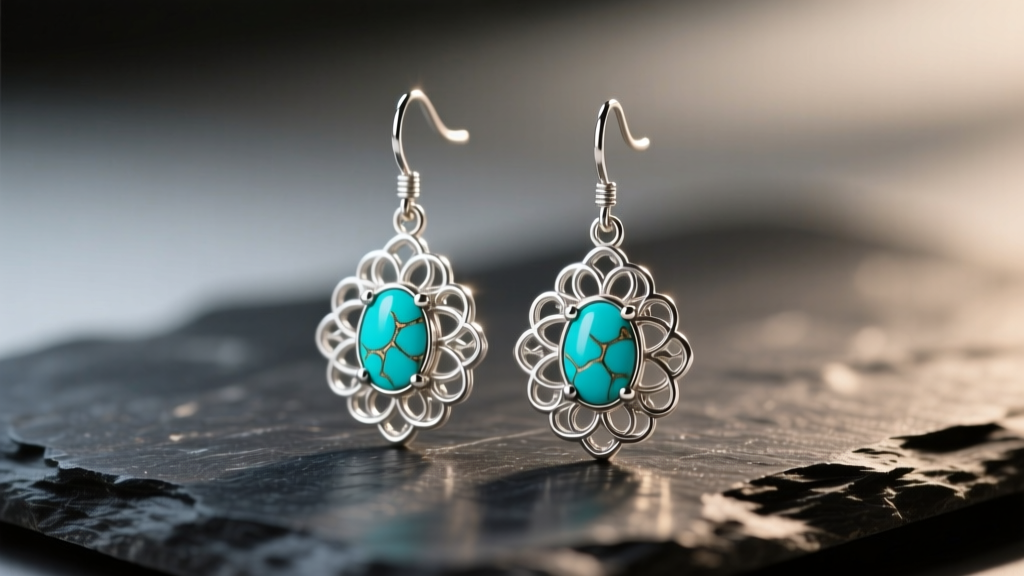
When traveling through Mexican artisan markets or browsing online Latin American boutiques, you will frequently encounter the term "alpaca silver." For the uninitiated, it sounds like a rare, exotic precious metal. However, from a metallurgical standpoint, alpaca Mexico silver earrings contain absolutely zero elemental silver. The term "alpaca" (often used interchangeably with German silver, nickel silver, or new silver) refers to a base metal alloy designed to mimic the luster and weight of sterling silver at a fraction of the cost.
Historically, the alloy was popularized in the 19th century by European manufacturers before making its way to Latin America, where it was adopted for both tableware and jewelry due to its durability and low cost. Understanding the exact composition of this alloy is critical for jewelry professionals and consumers alike, particularly when selecting pieces for prolonged skin contact like ear piercings. According to the Jewelers Vigilance Committee, marketing these alloys as "silver" without a qualifier is a violation of FTC guidelines, yet the practice remains rampant in tourist-centric regions.
| Metal Type | Silver Content | Primary Alloying Elements | Tarnish Profile |
|---|---|---|---|
| Fine Silver (999) | 99.9% | Trace elements | Highly resistant |
| Sterling Silver (925) | 92.5% | 7.5% Copper | Moderate (sulfides) |
| Alpaca / Nickel Silver | 0.0% | 60% Copper, 20% Nickel, 20% Zinc | High (oxidizes green/black) |
As the table illustrates, alpaca is fundamentally a copper-nickel-zinc brass. The nickel content is what provides the bright, silvery sheen and increases the alloy's tensile strength, making it excellent for casting intricate filigree dangles or stamping heavy ear cuffs. However, this exact composition introduces severe dermatological risks.
Dermatological Risks: The Nickel Factor in Ear Piercings
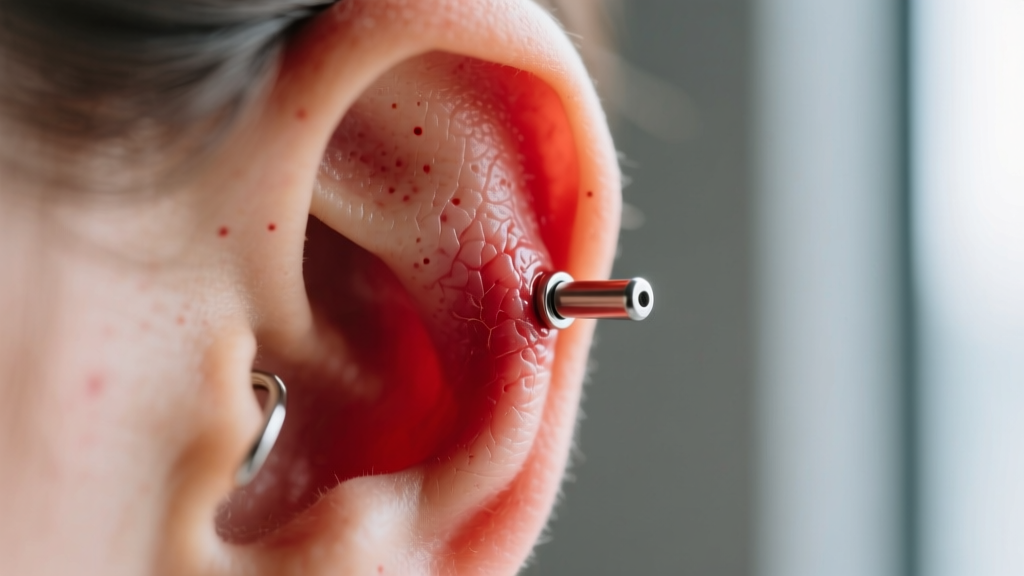
The human body's interaction with base metals is governed by sweat pH, temperature, and the metal's ion migration rate. Alpaca alloys typically contain between 10% and 30% nickel. When worn as earrings, the post or wire sits directly inside the fistula (the piercing channel). Sweat, which is mildly acidic, acts as an electrolyte, accelerating the release of nickel ions into the surrounding tissue.
Nickel is the most common cause of allergic contact dermatitis (ACD) worldwide. The European Union's Nickel Directive strictly limits nickel release from post-assembly jewelry to 0.5 micrograms per square centimeter per week. Alpaca alloys routinely exceed this threshold by orders of magnitude. If you wear alpaca Mexico silver earrings in standard 20-gauge (0.81mm) or 18-gauge (1.02mm) lobe piercings, you risk developing a localized allergic reaction characterized by erythema (redness), pruritus (itching), and vesicular eruptions.
Cartilage vs. Lobe Vulnerability
The risk profile changes drastically depending on the piercing placement. Earlobe piercings are highly vascularized, meaning immune responses are generally localized and heal relatively quickly once the offending metal is removed. Cartilage piercings (such as the helix, tragus, or conch), however, are avascular. An allergic reaction or subsequent bacterial infection in the cartilage can lead to perichondritis—a severe condition that can cause permanent structural deformation of the ear. Expert directive: Never wear alpaca alloys in unhealed cartilage piercings, and avoid them entirely in any cartilage fistula, even if fully healed.
Safe Wear Protocols for Alpaca Alloys
If you already own a pair of alpaca ear cuffs or dangles and wish to wear them safely, you must create a physical barrier between the metal and the skin:
- Clear Coat Barrier: Apply a jewelry-safe clear polyurethane coating or specialized barrier varnish to the earring posts and wires. Reapply every 3-4 wears, as friction from insertion will wear the coating down.
- Wire Replacements: For fishhook dangles, use jewelry pliers to snip off the alpaca wire and replace it with a 20-gauge niobium or implant-grade titanium (ASTM F136) wire.
- Time Limits: Restrict wear time to under 4 hours, and immediately wipe the earrings down with a microfiber cloth to remove acidic skin oils and environmental moisture.
Taxco Sterling vs. Alpaca: Spotting the Difference at the Source
Taxco, Guerrero, is the historic silversmithing capital of Mexico. Genuine Taxco sterling silver is highly coveted, featuring exceptional craftsmanship and adhering to strict assay standards. Unscrupulous vendors, however, often stock alpaca pieces alongside sterling, using ambiguous terminology to confuse tourists. To protect your investment and your skin, you must learn to authenticate the metal on the spot.
The Gemological Institute of America (GIA) emphasizes the importance of hallmarks in verifying precious metal content. In Mexico, the authentication system relies on specific stamps:
- The Eagle Assay Mark: Historically, the Mexican government used an eagle stamp with a number to denote the maker and the silver content. While the official eagle assay system was discontinued in the late 1970s, modern authentic Taxco silver will bear a registered maker's mark (usually two letters and a number, e.g., "TC-01") alongside a purity stamp.
- Purity Stamps: Look for "925", "Sterling", or "Ley 925". If the piece is stamped "Alpaca", "Silver", "Silver Plated", or "German Silver", it contains no elemental silver.
- The Magnet Test: While neither silver nor copper/nickel/zinc alloys are ferromagnetic, some cheap alpaca knockoffs contain iron or steel cores. A strong neodymium magnet will instantly reveal steel-based fakes, though it will not differentiate between high-grade alpaca and sterling.
- The Olfactory Test: Rub the earring vigorously between your fingers to generate friction and heat. Bring it to your nose. Sterling silver is virtually odorless. Alpaca, due to its high copper and zinc content, will emit a distinct, sharp metallic or "brassy" scent.
Market Pricing & Valuation Framework
Understanding the intrinsic value of the materials is essential for negotiating in artisan markets and avoiding severe markups. Because alpaca is a base metal, its raw material cost is negligible compared to precious metals.
| Earring Style | Alpaca Market Value (USD) | Genuine Taxco 925 Value (USD) |
|---|---|---|
| Simple 15mm Huggie Hoops | $3.00 - $6.00 | $25.00 - $45.00 |
| Filigree Drop Earrings | $8.00 - $15.00 | $60.00 - $120.00 |
| Heavy Cast Ear Cuffs | $5.00 - $10.00 | $40.00 - $85.00 |
| Turquoise Inlay Studs | $4.00 - $12.00 | $50.00 - $150.00+ |
If a vendor in a coastal tourist town attempts to sell you a pair of heavy, intricately cast alpaca dangles for $80 USD, you are being targeted by a tourist trap pricing model. Conversely, if you find genuine 925 Taxco sterling for $10, be highly suspicious of silver-plated brass or alpaca being passed off as the real deal.
Expert Verdict: Should You Wear Alpaca Ear Cuffs and Dangles?
From a strict gemological and dermatological perspective, alpaca Mexico silver earrings are not recommended for anyone with sensitive skin, nickel allergies, or unhealed piercings. The alloy's tendency to oxidize, leaving a green or black residue on the skin, combined with the high risk of contact dermatitis, makes it a poor choice for daily wear jewelry.
However, alpaca is not without its merits in the realm of costume jewelry and temporary fashion styling. Because it casts beautifully and accepts intricate stamping work, it is an excellent material for large, theatrical statement pieces, non-piercing ear cuffs, and clip-on earrings that do not penetrate the skin barrier. If you are purchasing strictly for the aesthetic appeal of traditional Mexican metalwork and plan to wear the pieces over short durations, alpaca serves as an affordable, visually striking option. Just ensure you know exactly what you are buying, pay the appropriate base-metal price, and protect your piercings accordingly.

