Smoky Quartz Stud Earrings: 2026 Budget & Value Guide
Discover the true value of smoky quartz stud earrings in 2026. Compare pricing tiers, metal settings, and learn how to spot treated stones on a budget.

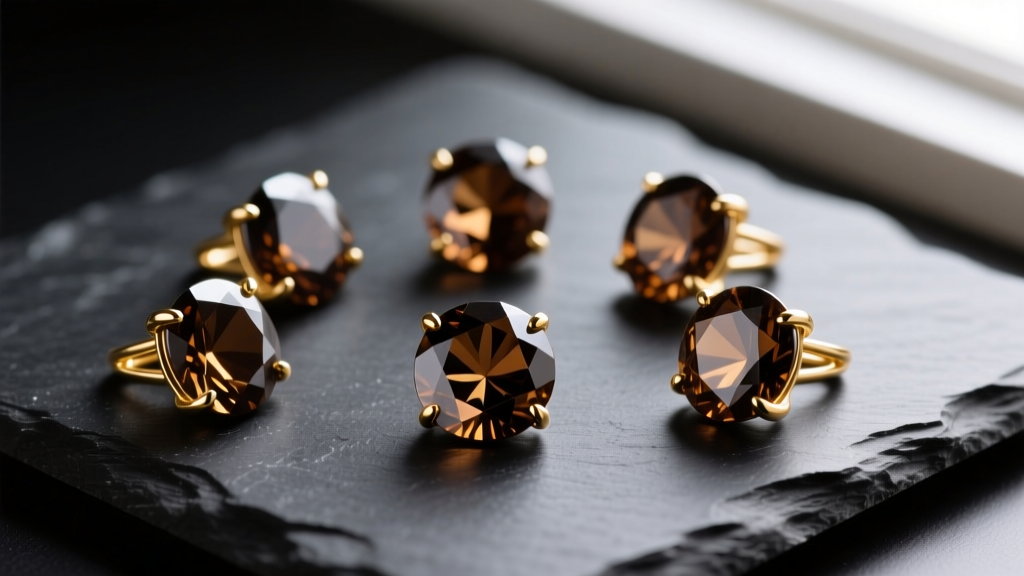
The Allure and Affordability of Smoky Quartz
In the crowded landscape of gemstone jewelry, smoky quartz remains one of the most underrated contenders for everyday wear. Offering a sophisticated, earthy aesthetic that ranges from light champagne to deep espresso, smoky quartz stud earrings provide a versatile alternative to traditional diamond or black onyx studs. However, as we navigate the jewelry market in 2026, consumers are rightfully demanding more transparency regarding pricing, material integrity, and long-term value. Whether you are browsing a high-end boutique or an online marketplace, assessing the true value of smoky quartz requires looking past the surface and understanding the gemological and structural realities of the piece.
The Gemological Reality: Natural vs. Irradiated Stones
Before assessing financial value, you must understand what you are actually buying. Smoky quartz gets its brown-to-black coloration from aluminum impurities within the crystal lattice that have been exposed to natural gamma radiation. However, the vast majority of commercial smoky quartz on the market today is artificially irradiated to achieve a uniform, marketable color.
According to the Gemological Institute of America (GIA), artificial irradiation of quartz is a stable, permanent treatment that does not pose any health risks to the wearer, nor does it degrade over time when exposed to normal sunlight.
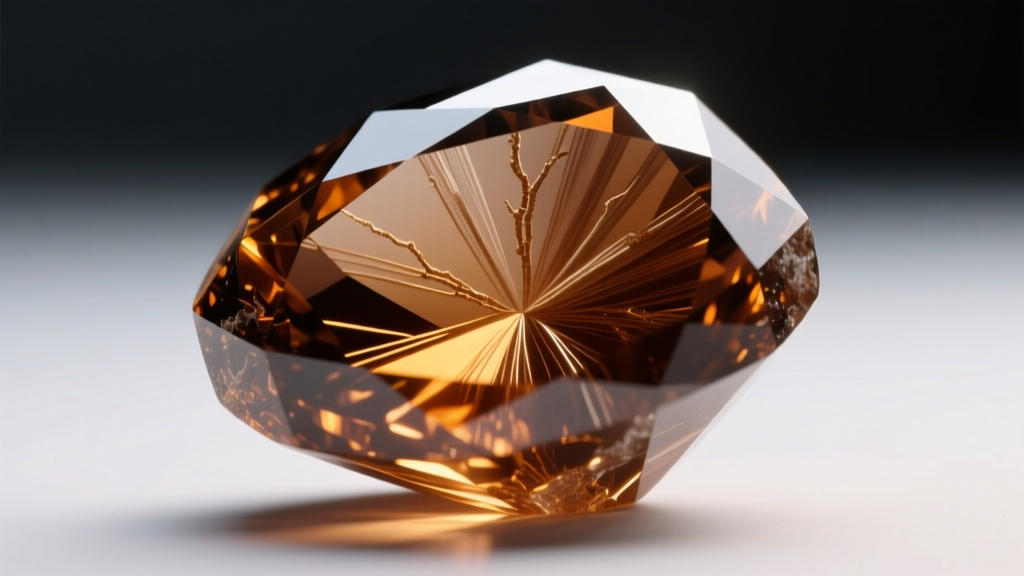
Value Assessment: Do not pay a premium for "untreated" claims unless accompanied by a reputable gemological lab report. Irradiated smoky quartz is the industry standard and is perfectly acceptable for daily wear. The true value driver is not the origin of the color, but the cut quality and clarity of the stone. A precision-cut, irradiated stone with high light return holds vastly more aesthetic and monetary value than a poorly cut, natural, but heavily included and opaque stone.
2026 Pricing Matrix: What Should You Actually Pay?
One of the most common mistakes buyers make is overpaying for brand names or underpaying for structurally compromised jewelry. Below is a realistic pricing matrix for a standard pair of 6mm to 8mm round or cushion-cut smoky quartz stud earrings in the current market.
| Market Tier | Stone Quality | Metal Setting | Hardware | Estimated Price Range |
|---|---|---|---|---|
| Budget | Commercial cut, visible inclusions, opaque edges | 925 Sterling Silver or Brass with thin gold plating | 22G posts, standard friction backs | $15 – $45 |
| Mid-Range (Sweet Spot) | Precision brilliant or step cut, eye-clean | Solid 10k/14k Gold or heavy Gold Vermeil (2.5µm+) | 20G posts, secure locking or screw backs | $60 – $140 |
| Premium / Designer | Custom native cut, flawless clarity | Solid 14k/18k Gold, Platinum | 18G posts, La Pousette backs, bezel settings | $180 – $350+ |
The Verdict: The mid-range tier offers the highest return on investment. At this level, you secure solid gold that will not flake off, precision cutting that maximizes the stone's brilliance, and hardware thick enough to support the gemstone's weight.
Hardware & Settings: Where Budget Earrings Fail
The most critical point of failure in budget smoky quartz stud earrings is not the stone—it is the hardware. Smoky quartz has a specific gravity of 2.65, making it moderately heavy. A well-cut 10mm smoky quartz stone can weigh upwards of 3.5 grams. When you factor in the metal setting, the earring head can easily exceed 4.5 grams.
Post Gauge and Bending Risks
Budget manufacturers frequently use 22-gauge (0.64mm) wire for earring posts to save on gold costs. Under the weight of a large smoky quartz stone, a 22G post will bend, causing the earring to droop awkwardly on the earlobe or, worse, snap entirely. For optimal value and durability, always check the product specifications for the post thickness:
- 22-Gauge (0.6mm): Avoid for stones larger than 5mm. High risk of bending.
- 20-Gauge (0.8mm): The industry standard. Excellent balance of comfort and structural integrity for 6mm–8mm stones.
- 18-Gauge (1.0mm): Ideal for oversized stones (10mm+) or cartilage piercings where maximum stability is required.
Prong vs. Bezel Settings
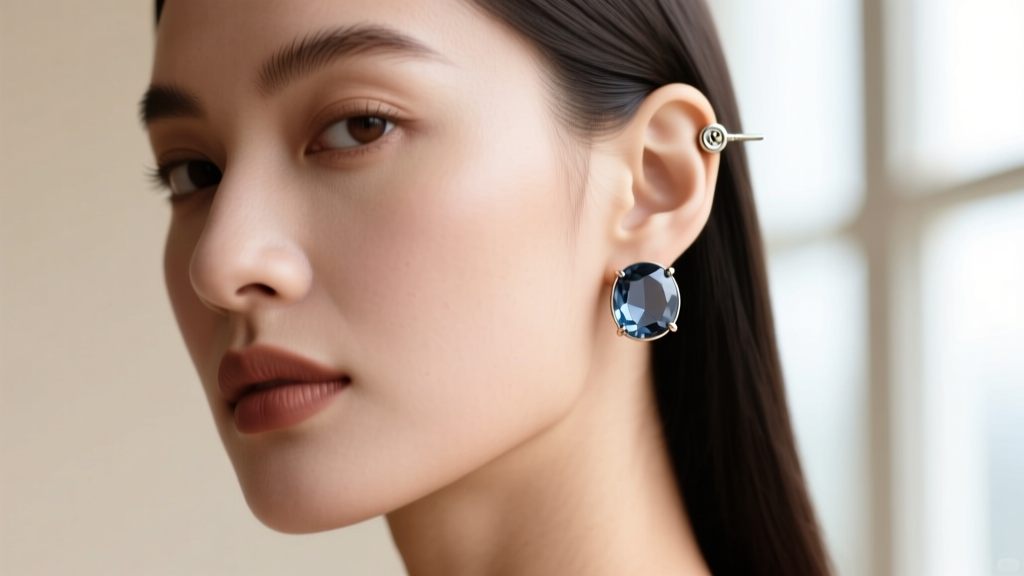
While smoky quartz ranks a respectable 7 on the Mohs hardness scale, it lacks cleavage and is susceptible to chipping upon hard impact (conchoidal fracture). Budget 4-prong settings leave a significant portion of the stone's girdle exposed. If you plan to wear your studs daily, look for a 6-prong setting or a full bezel setting, which wraps a thin ribbon of metal around the entire perimeter of the stone, protecting it from lateral impacts.
Metal Purity and the "Vermeil" Trap
When shopping in the $40 to $80 range, you will encounter many pieces labeled as "Gold Vermeil." It is vital to understand the legal definition of this term to ensure you are getting actual value. According to the Federal Trade Commission (FTC) Jewelry Guides, for an item to be legally sold as vermeil in the United States, it must meet three strict criteria:
- The base metal must be Sterling Silver (925).
- The gold plating must be at least 10-karat fineness.
- The gold layer must be a minimum of 2.5 microns thick.
Many fast-fashion brands sell "gold plated" earrings with a brass or copper base and a gold layer measuring less than 0.5 microns. These budget pieces will tarnish within weeks, expose base metals that cause contact dermatitis, and ultimately end up in a landfill. True value lies in solid 10k or 14k gold, which, while slightly more expensive upfront, offers a lifetime of wear without the risk of plating degradation.
A Buyer’s Checklist for Maximum Value
Before adding a pair of smoky quartz studs to your cart, run them through this quick value-assessment checklist:
- Weight Check: If the stones are over 8mm, verify that the listing includes secure backs (screw-backs or silicone-lined locking scrolls). Standard butterfly friction backs will eventually lose tension and drop heavy stones.
- Light Return: Look at the product photos against a dark background. Does the stone flash with light, or does it look like a flat, dark piece of glass? Precision cutting costs more but provides the "sparkle" that elevates the earring.
- Nickel-Free Guarantee: Ensure the setting, especially the post and the back, is explicitly nickel-free to prevent allergic contact dermatitis, a common issue with cheap alloy hardware.
Final Verdict: Are They Worth the Investment?
Smoky quartz stud earrings represent one of the best value propositions in the 2026 colored gemstone market. Because the raw material is relatively abundant, you are not paying the massive scarcity premiums associated with sapphires or emeralds. Instead, your budget goes directly toward superior craftsmanship, solid precious metals, and precision lapidary work. By avoiding ultra-cheap, thinly plated options with fragile hardware, and targeting the $60 to $140 mid-range tier, you can secure a pair of sophisticated, durable, and deeply elegant earrings that will easily last a lifetime.


