Amethyst Earrings NZ: A Step-by-Step Sourcing Guide
Discover how to source, grade, and style authentic amethyst earrings in NZ. Our step-by-step guide covers gem origins, metals, and local care.

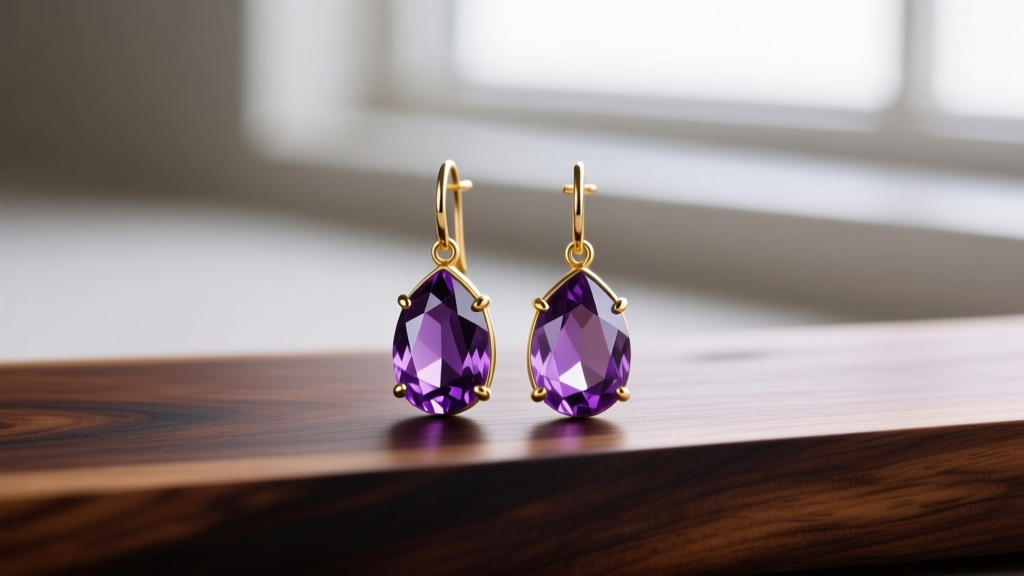
The Allure of Amethyst in Aotearoa
Amethyst has long been celebrated for its regal violet hues and accessible luxury, making it a cornerstone of both fine and fashion jewelry. However, when searching for high-quality amethyst earrings NZ buyers must navigate a complex market of imported mass-manufactured pieces, local artisan lapidaries, and varying gemstone grades. Whether you are hunting for a pair of everyday 20-gauge studs or statement-making cartilage huggies, understanding the intersection of gemology, metallurgy, and New Zealand’s unique coastal climate is essential.
This step-by-step guide will walk you through the exact process of sourcing, authenticating, and caring for amethyst earrings in the New Zealand market, ensuring your investment retains its brilliance and structural integrity for years to come.
Step 1: Decoding Amethyst Grading and Color Profiles
Not all amethyst is created equal. The value and visual impact of your earrings depend heavily on the stone's color saturation, clarity, and origin. According to the Gemological Institute of America (GIA), the most prized amethyst exhibits a strong reddish-purple or pure purple color with no visible color zoning. To make an informed purchase, you must understand the trade grading system commonly used by NZ jewelers.
| Trade Grade | Color Profile | Typical Origin | Estimated NZD Price (Studs) |
|---|---|---|---|
| AAAA (Siberian) | Deep violet with red/blue flashes | Russia / Top-tier Zambia | $450 - $1,200+ |
| AAA (Uruguayan) | Rich, saturated medium-dark purple | Uruguay / Brazil | $150 - $350 |
| AA (African) | Lighter lavender, slight gray undertones | Zambia / Madagascar | $60 - $120 |
| A (Commercial) | Pale, washed-out lilac | Global mass-mining | Under $50 |
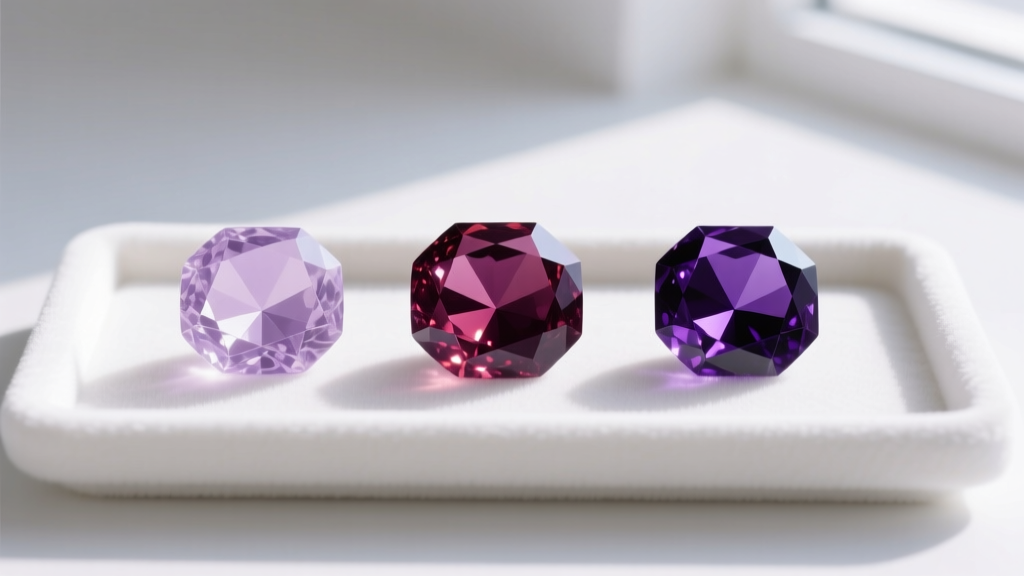
Pro-Tip for NZ Buyers: Beware of synthetic quartz sold as natural amethyst in tourist-heavy areas. Natural amethyst often features subtle 'tiger stripe' or 'zebra' inclusions and color zoning. If the stone is perfectly flawless and uniformly colored at a suspiciously low price, request a gemological certificate or walk away.
Step 2: Selecting the Right Metal for NZ Climates
New Zealand’s diverse climate—from the high humidity of Northland and Auckland to the salty, windswept coasts of Wellington and the South Island—demands careful metal selection. The wrong metal pairing will result in rapid tarnishing or skin irritation.
- 925 Sterling Silver: A classic pairing for amethyst, but highly susceptible to sulfur and moisture. If you live in a humid or coastal NZ region, ensure the silver is rhodium-plated to create a tarnish-resistant barrier.
- 14k Gold Vermeil: Vermeil is superior to standard gold plating. By NZ and international standards, true vermeil must feature a 925 sterling silver base coated with at least 2.5 microns of 14k or 18k gold. This thickness is crucial for surviving daily wear and coastal salt air without peeling.
- Solid 9k or 18k Gold: 9k gold (37.5% pure gold) is exceptionally durable and widely available in the Australasian market, making it ideal for secure earring posts and heavy drop settings. 18k gold offers a richer yellow hue that beautifully complements the warm red flashes in AAAA-grade amethyst.
Step 3: Navigating NZ Artisans vs. Imported Retailers
When sourcing amethyst earrings locally, you will generally encounter two categories: imported commercial jewelry and local bespoke artisans. Both have their merits, but they require different verification steps.
Verifying Local Craftsmanship
If a piece is marketed as 'NZ Handmade,' look for specific hallmarks. Under the Fair Trading Act, jewelers must accurately disclose gemstone treatments. For instance, much of the world's amethyst is heat-treated to enhance color—a permanent and accepted practice, but one that must be disclosed if it significantly impacts the stone's value. Local members of the New Zealand Jewellers Association will provide transparent disclosure and offer robust after-sales repair services, which is vital if a prong snags and loosens your gemstone.
Evaluating Importers
Many NZ boutique brands import pre-set earrings from manufacturing hubs in Jaipur or Bangkok. This is not inherently bad, but you must scrutinize the setting quality. Check the prong thickness; amethyst has a Mohs hardness of 7, meaning it can chip if knocked against a hard surface. Flimsy, wire-thin prongs common in cheap imports will not protect the gem's girdle.
Step 4: Choosing the Right Style and Gauge for Your Piercing
The anatomy of your ear dictates the structural requirements of your amethyst earrings. Wearing the incorrect gauge or weight can lead to lobe tearing or cartilage rejection.
- Standard Lobe Studs (20g to 18g): A 20-gauge (0.81mm) post is the industry standard for standard lobe piercings. If you are purchasing heavy AAA Uruguayan amethyst drops (over 5 carats per ear), opt for an 18-gauge (1.02mm) post to prevent the earring from drooping or stretching the piercing hole over time.
- Cartilage and Helix Huggies (16g): Cartilage piercings are typically done at 16-gauge (1.29mm) or 14-gauge (1.63mm). If you want amethyst huggies for your helix, ensure the clickable segment features a secure snap closure rather than a friction post, which can easily be lost in thick hair or winter beanies.
- Ear Cuffs (Non-Pierced): For non-pierced styling, look for adjustable 9k gold wire cuffs that cradle the outer helix. Amethyst ear cuffs add a pop of violet without the commitment of a new piercing, but ensure the tension is adjustable to avoid cutting off circulation to the cartilage.
Step 5: Care and Maintenance in Humid Environments
Proper maintenance ensures your amethyst earrings remain vibrant. While amethyst is relatively hard, it is sensitive to extreme heat and prolonged direct sunlight, which can cause the purple color to fade to a dull grayish-brown over time. The GIA recommends warm soapy water and a soft brush for routine cleaning.
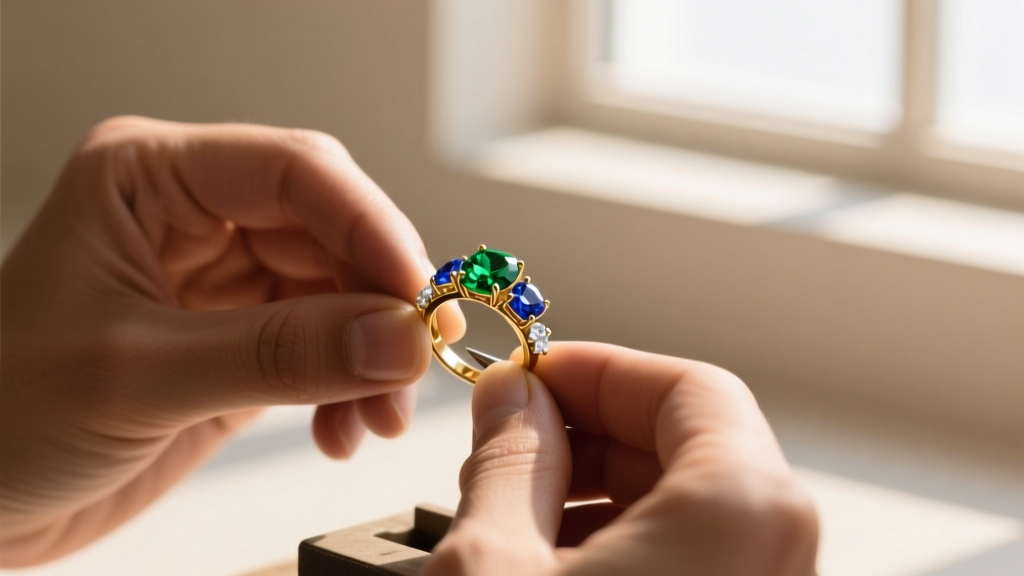
The Ultrasonic Debate
Can you put amethyst earrings in an ultrasonic cleaner? Generally, yes, because amethyst lacks the cleavage planes that make stones like tanzanite or emerald vulnerable to ultrasonic vibrations. However, there is a major caveat: liquid inclusions. Lower-grade amethyst (often AA or A grade) frequently contains microscopic liquid-filled fractures. The high-frequency vibrations of an ultrasonic cleaner can cause these internal inclusions to expand, fracturing the stone from the inside out. Always inspect your stones with a 10x jeweler's loupe before using ultrasonic or steam cleaners.
Storage Protocols
Because amethyst (Mohs 7) can be scratched by diamonds, sapphires, and rubies (Mohs 9-10), never toss your amethyst earrings into a communal jewelry box. Store them in individual anti-tarnish cloth pouches, especially if you live in high-sulfur environments like Rotorua, where geothermal activity accelerates silver tarnishing exponentially.
Summary Checklist for NZ Buyers
- Demand Color Transparency: Ask the jeweler if the amethyst is natural, lab-created, or heat-treated.
- Check the Metal Thickness: Ensure vermeil is at least 2.5 microns thick to survive NZ's coastal humidity.
- Match the Gauge: Verify the post thickness (18g for heavy drops, 16g for cartilage) to protect your piercings.
- Inspect the Prongs: Ensure the setting adequately covers the gemstone's vulnerable girdle edges.
- Store Separately: Keep amethyst away from harder gems and store in anti-tarnish pouches.
By following this meticulous sourcing and care framework, you can confidently navigate the local market and secure a pair of amethyst earrings that perfectly balances geological beauty, structural durability, and timeless style.


