TOZO Open Earring vs Real Jewelry: Open Hoop Guide
Confused by the TOZO open earring tech trend? Discover the real jewelry alternative: a beginner's guide to styling open hoops, ear cuffs, and helix rings.

The 'TOZO Open Earring' Search: Tech Wearable vs. Fine Jewelry
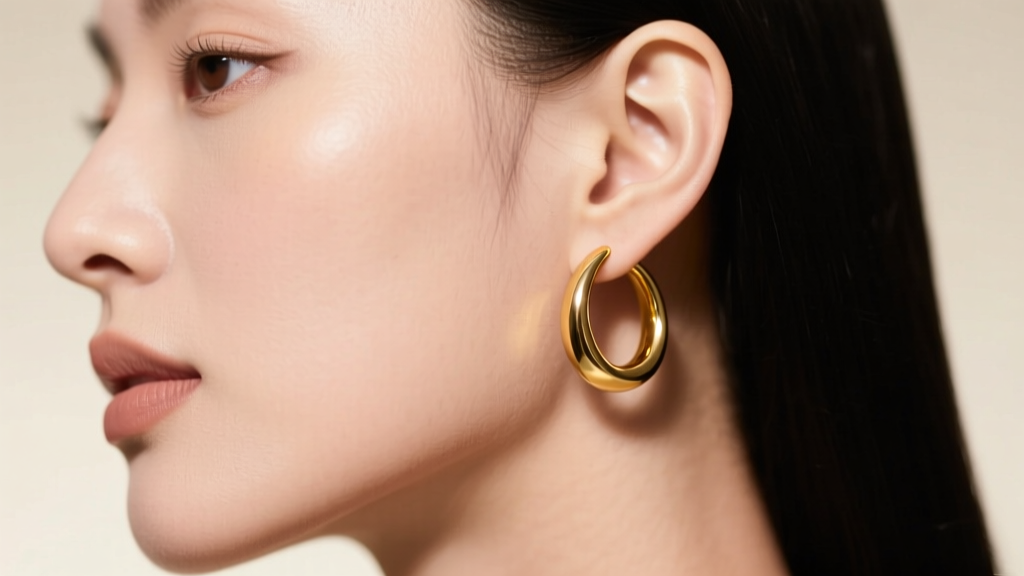
In the rapidly evolving landscape of 2026 wearable fashion, the line between consumer electronics and fine jewelry is blurrier than ever. If you have found yourself searching for a 'tozo open earring', you are likely standing at the intersection of two very different industries. TOZO is a prominent consumer electronics brand famous for its wireless audio devices, including open-ear earbuds that hook over the auricle (the outer ear) much like a cuff. However, as a dedicated jewelry style guide, we are here to address the aesthetic equivalent: actual open earrings, open hoops, and non-pierced ear cuffs that mimic that sleek, futuristic silhouette without the Bluetooth hardware.
While tech wearables serve a functional audio purpose, open jewelry serves a vital aesthetic one. Open earrings—characterized by their incomplete circles, tension-based cuffs, and seamless threading designs—offer a minimalist, modern look that traditional closed hoops and butterfly-back studs simply cannot match. This beginner-friendly explainer will bridge the gap, teaching you everything you need to know about selecting, sizing, and styling real open-ear jewelry.
What Exactly is an Open Earring?
Unlike traditional hoop earrings that utilize a post-and-clasp or clicker closure to form a complete, unbroken circle, open earrings feature a deliberate gap in their design. This gap is not a flaw; it is the defining structural element that allows for unique insertion methods and versatile styling.
The Three Main Categories of Open Ear Jewelry
- Open Hoops (Lobe): These feature a continuous wire that threads through the piercing. The gap allows the earring to slide in sideways, resting securely via the natural curve of the earlobe and the metal's memory.
- Ear Cuffs (Non-Pierced): Designed to wrap around the outer cartilage (helix or conch), these rely entirely on tensile pressure to grip the ear. They require no piercings and are adjustable by gently squeezing the metal.
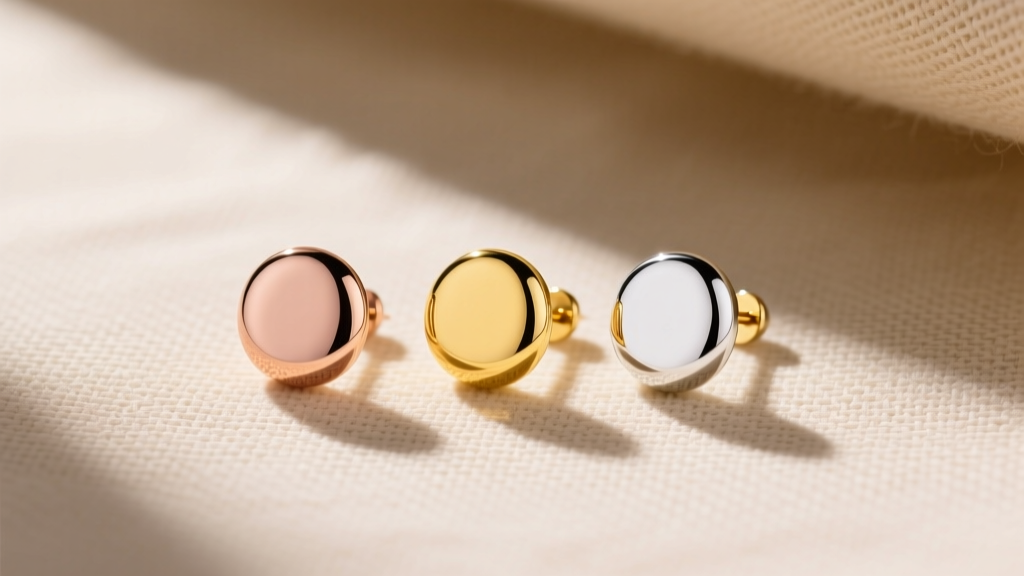
- Open Circle Studs: A front-facing geometric design where the metal forms an incomplete 'C' or 'U' shape, often resting flush against the lobe for a subtle, architectural look.
Metallurgy 101: Choosing the Right Metal Grade
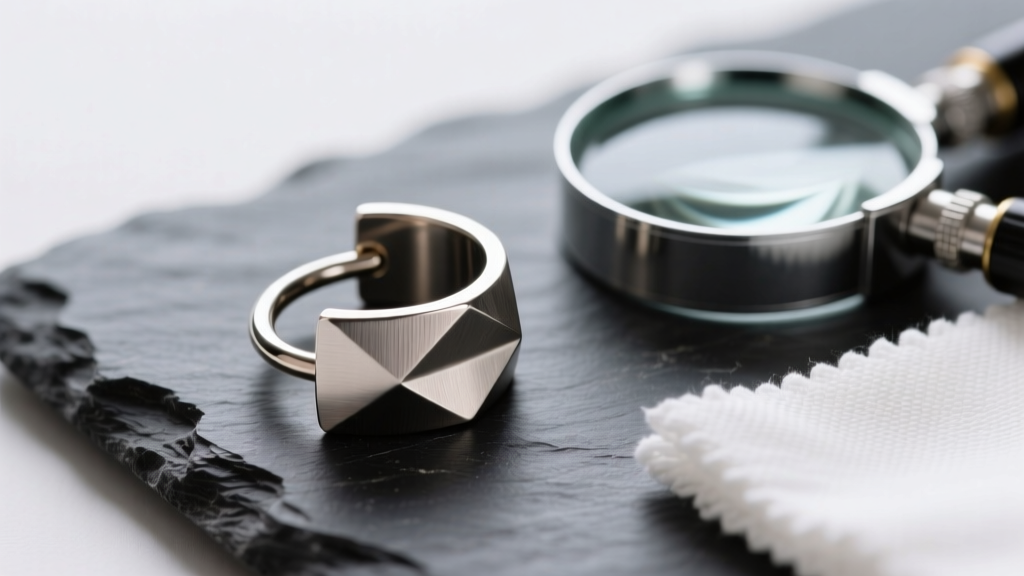
Because open earrings rely on tension, metal memory, and structural integrity rather than mechanical clasps, the alloy you choose is critical. According to the Association of Professional Piercers (APP), the biocompatibility and tensile strength of your jewelry dictate both its safety and its lifespan.
Implant-Grade Titanium (ASTM F-136): This is the gold standard for cartilage cuffs and fresh piercings. It is entirely nickel-free, highly resistant to corrosion, and possesses excellent 'spring-back' memory, meaning an ear cuff will retain its gripping tension far longer than softer metals.
14k vs. 18k Gold: While 18k gold (75% pure gold) is highly valued for its rich color, it is relatively soft. For open hoops that must maintain their circular shape without bending out of alignment, 14k gold (58.5% pure gold) is actually superior. The higher percentage of alloyed metals like copper and silver provides the necessary tensile strength to prevent the open hoop from warping during insertion. The Gemological Institute of America (GIA) notes that alloy composition directly impacts a metal's hardness and durability, making 14k the pragmatic choice for structural jewelry.
Gauge Sizes and Structural Integrity
Gauge refers to the thickness of the metal wire. Selecting the wrong gauge for an open earring is the number one reason beginners experience jewelry failure (e.g., cuffs falling off or hoops bending).
- 20-Gauge (0.81mm): Standard for lobe piercings. Ideal for lightweight open circle studs and delicate thread-in open hoops.
- 18-Gauge (1.02mm): The standard for most cartilage piercings (helix, forward helix). Provides enough thickness to prevent the wire from bending when threading through tighter cartilage fistulas.
- 16-Gauge (1.29mm): Mandatory for non-pierced ear cuffs. The thicker wire provides the necessary structural rigidity to maintain tensile grip on the cartilage without slowly loosening over time.
Never pull an open hoop apart to insert it. This causes 'work-hardening' and permanently distorts the metal's memory. Always thread the earring sideways through the piercing, then rotate it into place.
Comparison Chart: Audio Ear-Hooks vs. Open Jewelry Cuffs
To clarify the distinction between the tech search trend and actual jewelry, review this structural comparison:
| Feature | TOZO OpenEar (Tech Wearable) | 14k Gold Open Hoop (Jewelry) | Titanium Helix Cuff (Jewelry) |
|---|---|---|---|
| Primary Function | Audio transmission / Bluetooth | Aesthetic lobe adornment | Non-pierced cartilage styling |
| Material Base | ABS Plastic / Silicone hooks | 14k Gold Alloy (Copper/Silver) | ASTM F-136 Implant Titanium |
| Average Weight | 8g - 12g per ear | 1.5g - 3g per ear | 2g - 4g per ear |
| Attachment Method | Over-ear silicone tension hook | Threading through lobe fistula | Direct cartilage compression |
| Water Resistance | IPX7 (Submersible) | Water-safe (avoid harsh chemicals) | Water-safe (ideal for daily wear) |
Styling Open Hoops for Your Face Shape
Open earrings create negative space, which draws the eye and alters the perceived geometry of your face. Here is how to match open styles to your specific bone structure:
- Round Faces: Opt for elongated open dangles or angular, geometric open hoops (like open squares or triangles). The sharp lines and vertical drop help elongate the face and provide striking contrast to soft curves.
- Square Faces: Choose open circle hoops or curved, fluid designs. The continuous curve of a 14k gold open hoop softens a strong jawline and adds a touch of fluidity to your profile.
- Oval Faces: The universal shape. You can effortlessly pull off everything from massive, shoulder-grazing open wire dangles to minimalist, flush-fitting open circle studs.
- Heart-Shaped Faces: Look for open teardrop shapes or bottom-heavy open hoops. These draw the eye downward, balancing a wider forehead and narrower chin.
Care, Maintenance, and Avoiding Tension Loss
Because open earrings lack mechanical hinges or clasps, their longevity depends entirely on how you handle them. The most common failure mode for beginners is 'tension loss' in ear cuffs, caused by repeatedly squeezing and pulling the metal to put it on and take it off.
To maintain your jewelry:
- Slide, Don't Squeeze: When applying an ear cuff, slide it onto the thinnest part of the ear (usually the lower helix or lobe edge) and gently glide it up to your desired position. Avoid opening the gap wider than necessary.
- Remove Before Sleeping: The pressure of a pillow against an open hoop will inevitably bend the wire, ruining its circular geometry and requiring professional reshaping.
- Chemical Avoidance: While titanium and high-karat gold are water-safe, exposure to chlorine in pools or sulfur in hot springs can cause surface pitting, which weakens the metal's tensile memory over time.
Where to Buy Authentic Open Earrings in 2026
When investing in open jewelry, avoid fast-fashion retailers that use plated brass or zinc alloys. These soft base metals will bend within days and can cause severe contact dermatitis. Instead, look for specialized body jewelry brands and fine jewelers that explicitly list their alloy compositions and ASTM certifications. Brands like Maria Tash, Mejuri, and specialized body jewelers like BodyCandy or NeoMetal offer the structural precision required for open hoops and tension cuffs. By understanding the mechanics of open jewelry, you can achieve that seamless, futuristic look with pieces designed to last a lifetime.


