Beginner Guide to Amethyst Flower Earrings: Style and Care
Discover how to choose, style, and care for amethyst flower earrings. Our beginner guide covers gem grades, metal pairings, and cartilage sizing.

Why Amethyst Flower Earrings Are a Timeless Choice
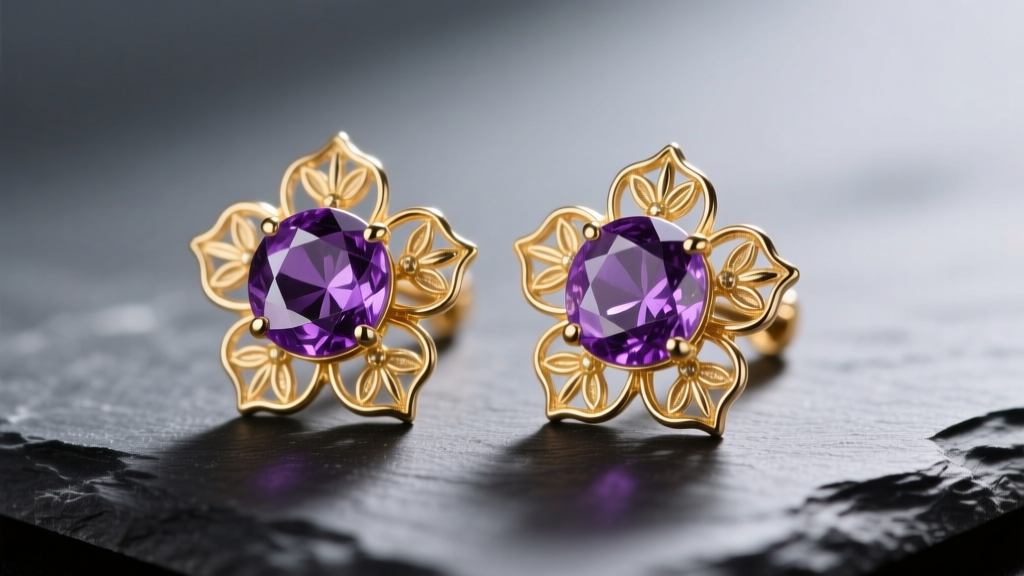
Botanical jewelry has seen a massive resurgence, but amethyst flower earrings hold a unique position in the market. They bridge the gap between whimsical, nature-inspired design and classic gemstone elegance. For beginners stepping into the world of colored gemstones, amethyst offers an accessible entry point. Unlike emeralds or rubies, which can cost thousands of dollars per carat for eye-clean specimens, amethyst provides deep, rich saturation at a fraction of the price. The floral motif softens the geometric sharpness often found in traditional gemstone cuts, making these earrings incredibly versatile for both everyday office wear and evening events. Whether you are looking for delicate stud earrings for a freshly pierced lobe or an elaborate dangle design for a special occasion, understanding the nuances of this purple quartz variety is essential for making a smart purchase.
Decoding Amethyst Quality: What Beginners Must Know
Not all purple quartz is created equal. When shopping for floral amethyst jewelry, you will encounter a wide spectrum of colors, from pale lavender (often marketed as Rose de France) to deep, velvety purple. According to the Gemological Institute of America (GIA), the most prized amethyst color is a strong reddish-purple or pure purple with no visible color zoning. In the trade, this top-tier color is frequently referred to as "Siberian" amethyst, characterized by deep purple hues with secondary red and blue flashes under incandescent light.
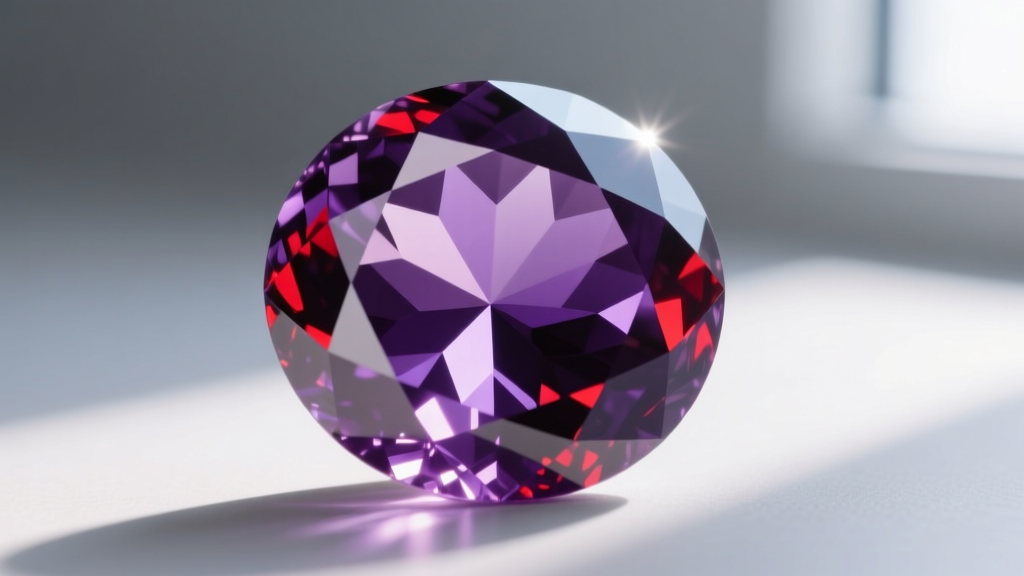
As a beginner, you should also be aware of gemstone treatments. The vast majority of amethyst on the market is heat-treated to remove brownish tints and enhance the purple color. This treatment is permanent, stable, and universally accepted in the jewelry industry. However, you should avoid stones with visible surface-reaching fractures or heavy milky inclusions, as these compromise the structural integrity and brilliance of the flower petals. Always look for "eye-clean" stones, meaning no inclusions are visible to the naked eye from a distance of about six inches.
Metal Pairings: Which Setting Suits Your Skin Tone?
The metal setting of your amethyst flower earrings dramatically impacts their overall aesthetic and how they complement your skin tone. Because amethyst is a highly saturated cool-toned gemstone, it interacts differently with various metal alloys. Below is a decision framework to help you choose the right setting.
| Metal Type | Color Profile | Best Skin Tone | Maintenance Level | Price Impact |
|---|---|---|---|---|
| Sterling Silver (925) | Bright, cool white | Cool / Pink undertones | High (tarnishes easily) | Budget-Friendly |
| White Gold (14k/18k) | Crisp, reflective white | Cool / Olive undertones | Medium (requires rhodium dipping) | Mid-Range |
| Yellow Gold (14k/18k) | Warm, rich yellow | Warm / Golden undertones | Low (polishing only) | Mid to High |
| Rose Gold (14k) | Soft, pinkish-copper | Neutral / Warm undertones | Low | Mid-Range |
For a vintage, romantic look, pair your amethyst flowers with 14k rose gold. The copper alloys in rose gold harmonize beautifully with the subtle red flashes found in high-quality amethyst. Conversely, if you want the purple to pop with maximum contrast, a rhodium-plated white gold or sterling silver setting will provide a striking, icy backdrop that makes the floral design stand out sharply.
Sizing, Gauges, and Face Shape Geometry
One of the most common mistakes beginners make is ignoring the physical dimensions and gauge sizes of their earrings, particularly when experimenting with cartilage piercings. Standard lobe piercings are typically done at 20-gauge (0.81mm) or 18-gauge (1.02mm). If you are buying amethyst flower huggies or flat-back studs for your helix, tragus, or conch, you will likely need a thicker 16-gauge (1.29mm) post to prevent the "cheese-cutter effect," where a thin wire migrates through the cartilage tissue due to the weight of the gemstone.
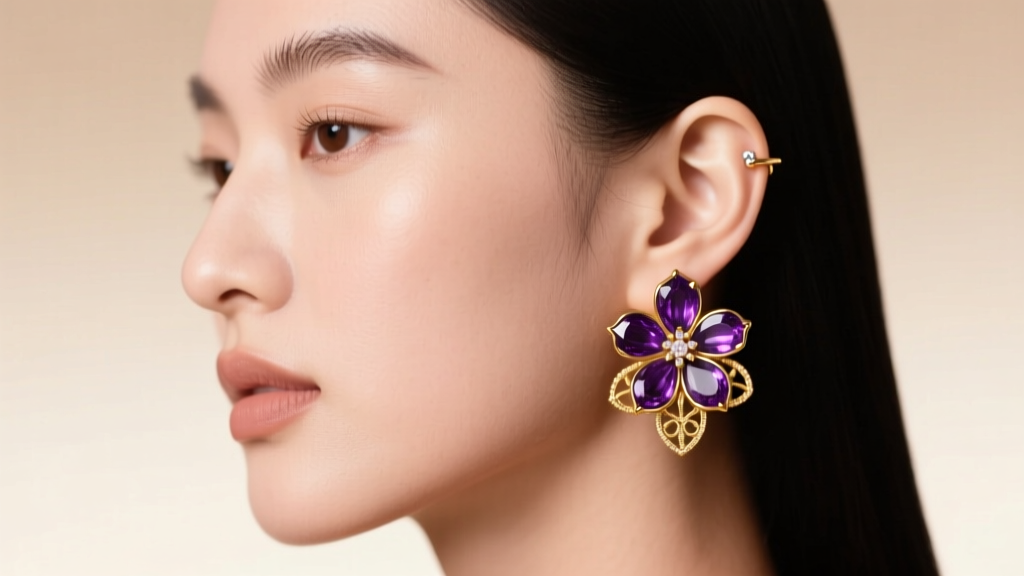
Beyond piercing logistics, matching the earring silhouette to your face shape is crucial for aesthetic balance:
- Round Faces: Opt for elongated amethyst flower drop earrings or dangles. The vertical movement draws the eye downward, creating the illusion of a longer, more oval facial structure. Avoid large, circular floral hoops.
- Square Faces: Choose amethyst flower studs with soft, curved petals or rounded huggie designs. The organic, sweeping lines of the floral motif will soften a strong jawline and angular cheekbones.
- Heart-Shaped Faces: Teardrop-shaped floral arrangements or chandelier earrings that are wider at the bottom help add visual weight to a narrower chin.
- Oval Faces: You have the most versatility. From tight cluster studs to dramatic shoulder-dusting floral vines, almost any proportion will work harmoniously with your natural symmetry.
Caring for Your Amethyst Floral Jewelry
Amethyst ranks at a 7 on the Mohs scale of mineral hardness. While this makes it durable enough for everyday wear, it is not impervious to damage. Household dust contains microscopic quartz particles (which also rank at a 7), meaning repeated wiping with a dry cloth can actually cause micro-scratches on the surface of your gemstones over time, dulling the polish of your flower petals.
"Never use ultrasonic cleaners or steamers for amethyst jewelry, especially if the stones have been fracture-filled or possess natural liquid inclusions. The high-frequency vibrations can cause the stone to shatter."
To clean your earrings safely, follow the GIA's official care and cleaning guide. Simply soak the earrings in a bowl of lukewarm water with a few drops of mild, phosphate-free dish soap for five minutes. Gently agitate the water, then use a baby-soft toothbrush to lightly sweep behind the gemstone settings where lotion and dead skin cells accumulate. Rinse thoroughly under distilled water and pat dry with a lint-free microfiber cloth. Finally, store your amethyst earrings in a soft velvet pouch or a separate compartment in your jewelry box to prevent them from being scratched by harder gems like diamonds or sapphires.
Where to Buy: Pricing Tiers and Trusted Retailers
Understanding market pricing will protect you from overpaying for commercial-grade stones or underestimating the value of artisan craftsmanship. Here is a breakdown of what to expect in the current market:
1. Commercial Grade ($25 - $75)
At this price point, you will typically find sterling silver settings paired with mass-produced, cast-metal flower designs. The amethyst used is often pale lavender or heavily included. These are perfectly fine for trendy, seasonal wear, but the thin silver prongs may bend easily, risking stone loss.
2. Fine Jewelry ($120 - $350)
This is the sweet spot for most buyers. You can expect solid 14k gold (yellow, white, or rose), secure bezel or well-crafted prong settings, and eye-clean amethyst with rich, even color saturation. Brands in this tier often offer lifetime warranties against manufacturing defects and use ethically sourced gemstones verified by organizations like the American Gem Society (AGS).
3. Designer and Artisan ($400 - $1,500+)
At the high end, you are paying for exceptional craftsmanship and premium materials. Expect 18k gold or platinum settings, custom-cut "Siberian" grade amethyst, and intricate design elements like diamond-accented leaves, hand-applied vitreous enamel, or articulated petals that move independently. These pieces are often signed by the jeweler and serve as heirloom-quality investments.
By understanding the interplay between gemstone quality, metal pairings, and proper sizing, you can confidently select a pair of amethyst flower earrings that will bloom in your jewelry collection for decades to come.


