Angel Skin Coral Earrings: A Beginner's Guide to Buying and Care
Discover everything about angel skin coral earrings. Learn how to spot authentic pieces, understand ethical sourcing, and care for your delicate gems.

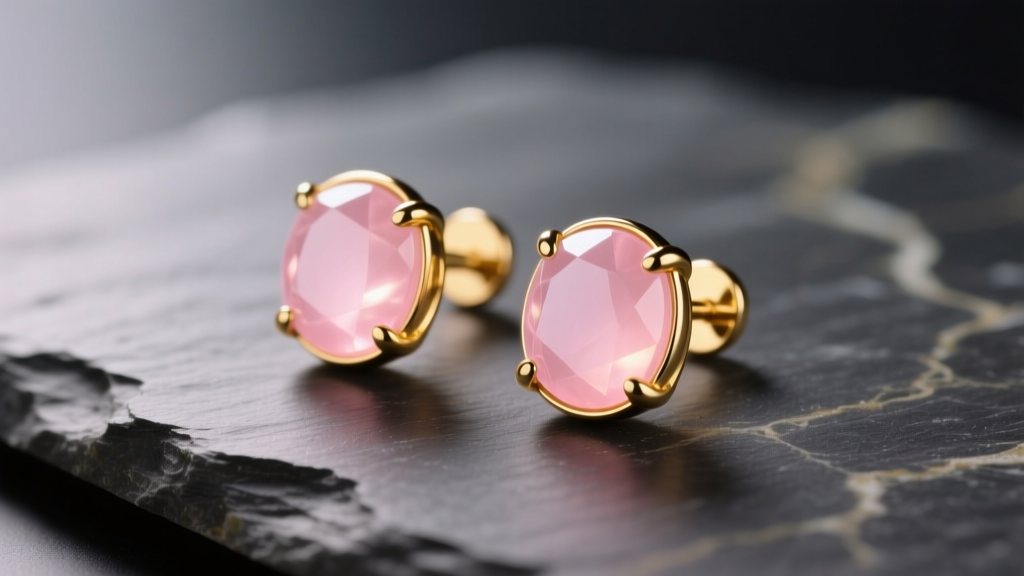
When it comes to organic gemstones, few materials capture the imagination quite like precious coral. Among the various hues found in the ocean's depths, the delicate, blush-toned variety has become highly sought after by collectors and jewelry enthusiasts alike. If you are exploring the market for angel skin coral earrings, you are likely drawn to their soft, romantic coloration and rich historical significance. However, buying organic gemstones requires a completely different approach than purchasing faceted diamonds or sapphires. From understanding international conservation laws to identifying clever simulants, this beginner-friendly explainer will equip you with the exact knowledge needed to buy, wear, and preserve these exquisite earrings.
What Exactly is Angel Skin Coral?
Unlike mined minerals, coral is an organic gemstone formed by living marine organisms called polyps. Over decades, these polyps secrete calcium carbonate (specifically in the form of aragonite) to build protective skeletons. The term "angel skin" does not refer to a single biological species, but rather a specific, highly prized color profile: a pale, translucent pinkish-white or soft blush that resembles porcelain with a subtle rosy undertone.
Historically, the most famous angel skin coral was harvested from the Corallium japonicum (often referred to as Momo coral) found in the waters off Japan and the Mediterranean. On the Mohs scale of mineral hardness, coral ranks between 3.5 and 4. This makes it significantly softer and more brittle than quartz or topaz, meaning it requires specialized jewelry settings and mindful daily wear. Its specific gravity (density) is roughly 2.6 to 2.7, giving genuine coral earrings a satisfying, substantial weight that is difficult for counterfeiters to replicate perfectly with plastics.
The Ethics and Legality of Coral Jewelry
Before you purchase any coral jewelry, it is critical to understand the environmental and legal landscape. Due to overharvesting, ocean acidification, and climate change, precious coral populations have faced severe declines. As a result, the international trade of many coral species is strictly regulated.
The Convention on International Trade in Endangered Species of Wild Fauna and Flora (CITES) heavily monitors and restricts the export and import of precious corals. In many regions, harvesting new red and pink coral is either entirely banned or subject to rigorous quotas. Therefore, as a responsible buyer in 2026, your best and most ethical route to acquiring authentic angel skin coral earrings is to seek out vintage, antique, or verified pre-ban estate pieces. If you are buying newly crafted earrings, demand explicit documentation proving the coral was sustainably harvested under legal quotas or sourced from antique stockpiles. Never purchase coral from unverified tourist shops or online marketplaces lacking transparent supply chain disclosures.
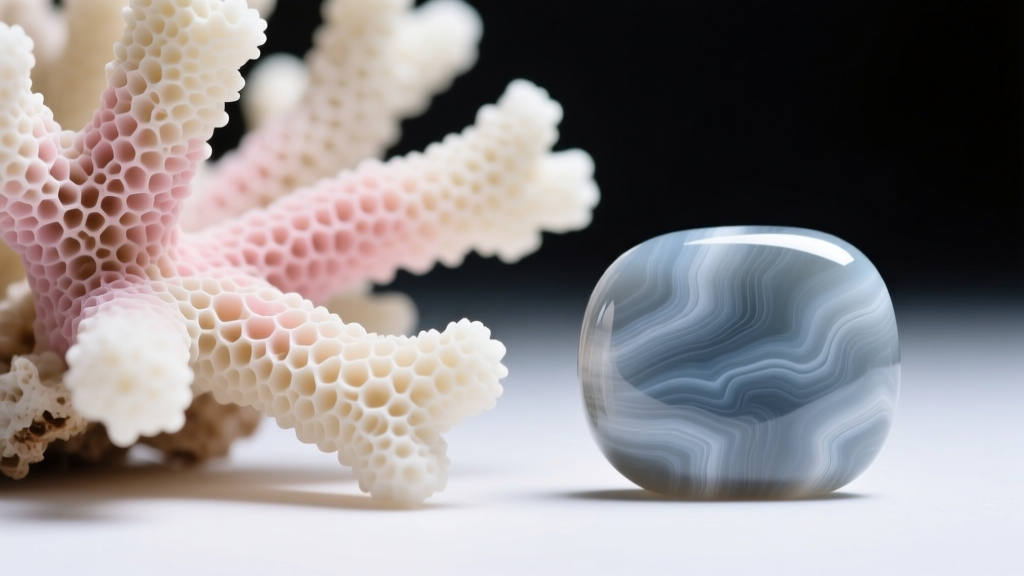
How to Spot Authentic Angel Skin Coral
Because genuine precious coral is rare and expensive, the market is flooded with simulants. Unscrupulous sellers frequently pass off dyed howlite, magnesite, glass, or even hardened plastics as genuine angel skin coral. According to the FTC Jewelry Guides, sellers must accurately disclose gemstone treatments and origins, but the burden of verification often falls on the buyer.
Here is a practical decision framework to help you separate the genuine organic gems from the fakes:
| Feature | Genuine Angel Skin Coral | Dyed Howlite / Magnesite | Glass or Plastic Simulants |
|---|---|---|---|
| Magnification (10x) | Shows subtle, natural wood-like grain and striations. | Shows a mottled, sponge-like structure; dye concentrates in cracks. | Completely smooth, or contains spherical gas bubbles (glass). |
| Temperature | Feels cool to the touch initially, then warms slowly. | Feels cool, similar to real stone. | Plastic feels room-temperature/warm instantly; glass feels very cold. |
| Weight / Density | Substantial, heavy for its size (SG ~2.6). | Slightly lighter (SG ~2.5). | Plastic is noticeably light; glass is unusually heavy. |
| Color Consistency | Natural gradients, subtle white flecks or organic inclusions. | Flat, overly uniform pink; dye pools near drill holes. | Perfectly uniform, lacking any natural organic depth. |
Expert Tip: Never use the "acetone test" (rubbing with nail polish remover to check for dye) on a piece you do not own, as acetone can damage certain polished finishes and porous organics. Rely on a jeweler's loupe to inspect the drill holes and surface grain instead. The Gemological Institute of America (GIA) strongly recommends professional gemological testing for high-value organic purchases.
Choosing the Right Earring Style and Hardware
Because angel skin coral is relatively soft and brittle, the way it is set into earrings is just as important as the stone itself. Improper settings can lead to chipping, cracking, or the stone falling out entirely.
Bezel vs. Prong Settings
For coral cabochons, a bezel setting (where a rim of metal completely encircles the stone's edge) is vastly superior to prongs. Prongs place localized pressure on the coral and leave the edges exposed to accidental impacts. If prongs must be used for a vintage piece, ensure they are thick, rounded, and securely gripping the stone without biting into it.
Gauge Sizes and Backing Support
Coral is dense, meaning even small stud earrings can be front-heavy. If you are buying or commissioning angel skin coral earrings, pay attention to the post and backing mechanics:
- Post Gauge: Standard 20-gauge (0.8mm) or 18-gauge (1.0mm) posts are ideal. Anything thinner (like 22-gauge) will bend under the weight of the coral.
- Earring Backs: Avoid standard butterfly friction backs. They offer too little surface area to support the front-heavy weight, causing the earring to droop uncomfortably on your earlobe. Opt for jumbo friction backs, flat disc backs, or screw-backs to distribute the weight evenly and keep the coral facing forward.
Essential Care and Maintenance Rules
Caring for organic gemstones requires a shift in habit. Coral is highly porous and sensitive to chemicals, heat, and dehydration. Adopt the golden rule of jewelry wear: "Last on, first off."
The Daily Protocol: Put your angel skin coral earrings on after applying perfume, hairspray, makeup, and lotions. The alcohol and harsh chemicals in cosmetics can strip the coral's natural polish, leaving it dull, chalky, and prone to micro-fractures.
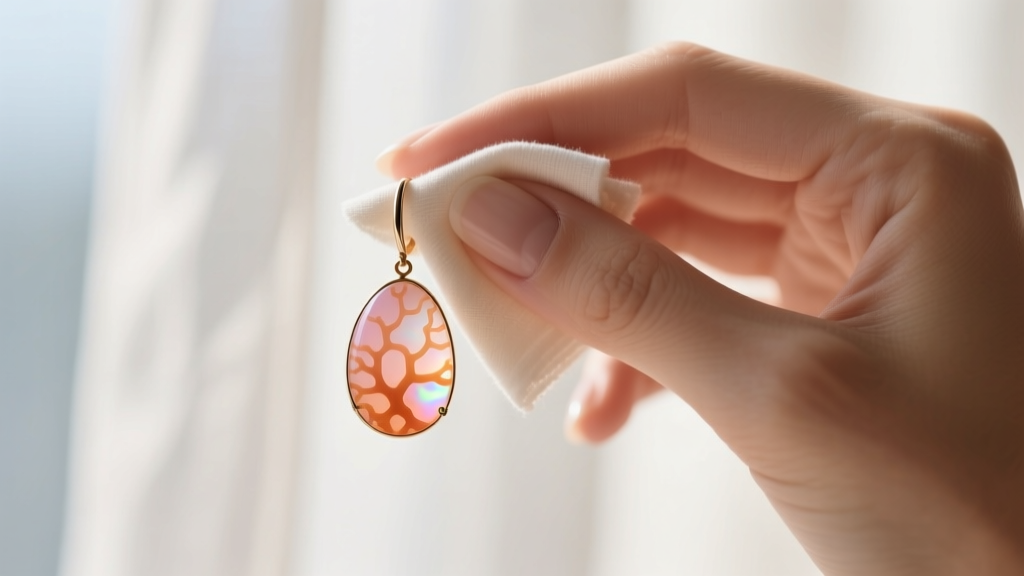
When cleaning your earrings, never use ultrasonic cleaners, steam cleaners, or commercial jewelry dips. The high-frequency vibrations can shatter the internal structure of the coral, and acidic dips will dissolve the calcium carbonate. Instead, simply wipe the earrings gently with a soft, slightly damp microfiber cloth after wearing them to remove skin oils and environmental dust. Allow them to air dry completely before storing.
Storage is equally critical. Because coral ranks at a 3.5 on the Mohs scale, it will be easily scratched if tossed into a jewelry box alongside diamonds, sapphires, or even quartz. Always store your coral earrings in a dedicated, fabric-lined compartment or a soft velvet pouch, completely separated from harder gemstones and metals.
Pricing Guide: What Should You Expect to Pay?
The price of angel skin coral earrings varies wildly based on the era of harvest, the saturation of the pink hue, the size of the cabochons, and the precious metal used in the setting. Here is a realistic pricing framework for the current market:
- Vintage Coral Studs (1950s-1980s): $250 – $600. Usually set in 14k or 18k gold. These represent the best value and the most ethical purchasing route.
- Antique Victorian/Edwardian Drops: $1,500 – $4,500+. Highly collectible, often featuring intricate gold filigree and old-cut diamond accents.
- Modern Designer Pieces (Sustainable/Pre-ban Stock): $800 – $3,000+. You are paying a premium for contemporary design, ethical sourcing documentation, and brand prestige.
If you encounter "angel skin coral" earrings selling for $30 to $50 on mass-market e-commerce sites, you are almost certainly looking at dyed howlite or synthetic resin. True precious coral is a finite, protected resource, and its pricing reflects its rarity. By understanding the biology, ethics, and mechanics of these beautiful organic gems, you can confidently curate a jewelry collection that is both stunning and responsible.


