Anne Klein Clip Earrings: Ultimate Vintage Buying Guide
Discover what to look for when buying vintage Anne Klein clip earrings. Our guide covers hallmarks, mechanisms, materials, and 2026 market pricing.

The Legacy of Anne Klein Non-Pierced Designs
Anne Klein revolutionized American sportswear with her sophisticated, wearable designs, but her accessories line remains a cornerstone of vintage costume jewelry collecting. Throughout the 1970s, 1980s, and 1990s, clip-on earrings were a dominant force in fashion, catering to women who preferred substantial, sculptural lobe aesthetics without the need for piercings. Today, vintage Anne Klein clip earrings are highly sought after by collectors and style enthusiasts alike for their bold geometric shapes, rich gold-tone plating, and iconic motifs. However, navigating the vintage market requires a trained eye. Counterfeits, damaged mechanisms, and degraded materials are common pitfalls. This comprehensive buying guide will equip you with the specific, actionable knowledge needed to authenticate, evaluate, and purchase vintage Anne Klein clip earrings with absolute confidence.
Decoding Hallmarks and Signatures
Authentication begins at the back of the earring. Anne Klein utilized several distinct hallmarks over the decades, and recognizing the nuances of these stamps is critical for verifying provenance. According to the Costume Jewelry Collectors International, the evolution of the brand's signatures can tell you exactly which era a piece originates from.
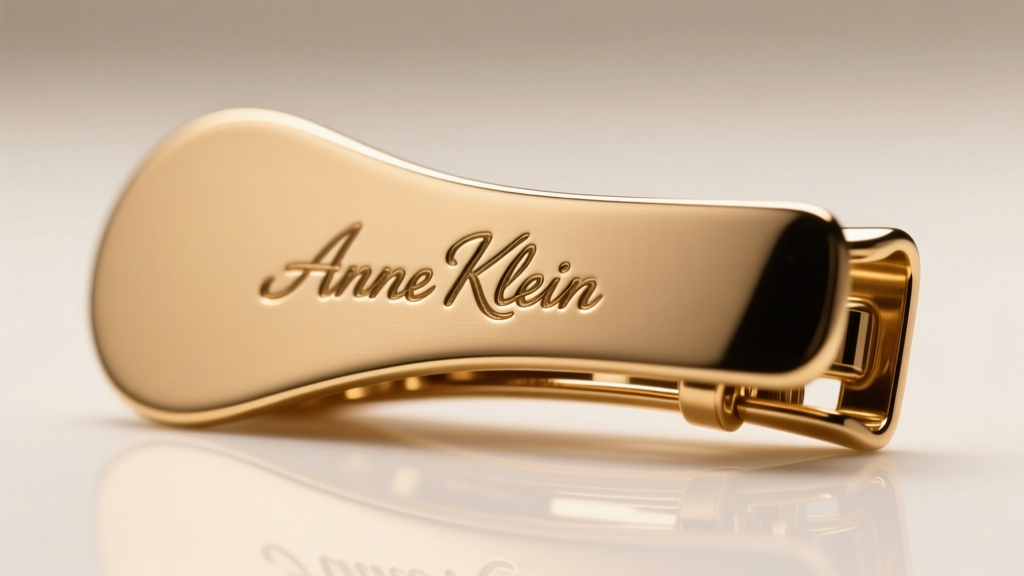
- The 1970s Block and Script: Early pieces often feature a simple "AK" monogram or "Anne Klein" in a clean, block sans-serif font. By the late 70s, the brand transitioned to a flowing, elegant script signature.
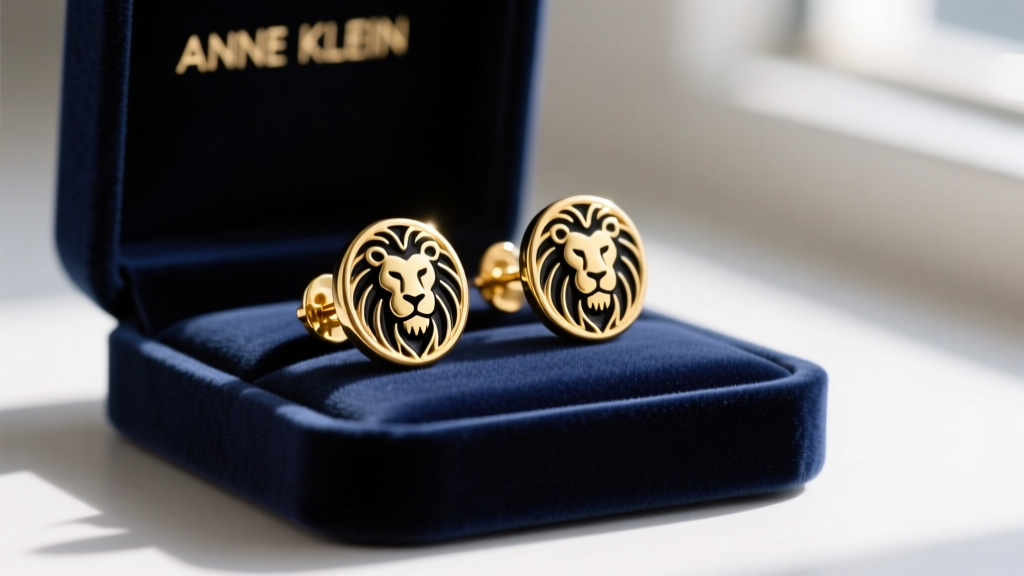
- The 1980s Lion Motif: Introduced as a symbol of power dressing, the lion logo is perhaps the most recognizable Anne Klein hallmark. It is often stamped directly onto the metal or featured as a raised 3D element on the earring face.
- Copyright and Registration Marks: Authentic vintage pieces frequently include the © (copyright) or ® (registered trademark) symbols adjacent to the signature. Shallow, blurred, or misaligned stamping is a primary indicator of a modern reproduction.
Understanding Clip Mechanisms and Comfort
The hardware on the back of a clip-on earring dictates both its value and its wearability. Anne Klein utilized several types of non-pierced mechanisms, each with specific failure modes you must inspect before purchasing.
The Paddle Clip
Widely considered the most comfortable vintage mechanism, the paddle clip features a wide, flat surface area that distributes pressure evenly across the earlobe. High-end Anne Klein designs from the 1980s frequently utilized paddle clips, sometimes incorporating a slight hinge or silicone padding for added comfort. When inspecting a paddle clip, ensure the hinge pin is secure and that the metal has not warped, which causes uneven pressure and eventual slipping.
The Standard Tension C-Clip
Common on lighter, 1970s geometric designs, the C-clip relies on a simple metal spring mechanism. The primary failure mode here is metal fatigue. Over decades of use, the base metal loses its temper and tension, causing the earring to fall off. While a jeweler can gently squeeze a C-clip to restore tension, doing so on brittle, aged pot metal can cause the clip to snap entirely.
Screw-Back Adaptations
Though less common in later decades, some early Anne Klein pieces feature screw-back mechanisms. Check the threading for cross-threading or stripped screws, which render the earring unwearable without professional restoration.
Material Grades and Embellishments
Anne Klein costume jewelry was never made of solid precious metals, but the quality of the plating and base materials was exceptionally high for its time. Most pieces feature a brass or pewter base metal heavily electroplated in 12k or 14k gold-tone. This thick plating is why many surviving pieces still boast a rich, luminous finish decades later.
Embellishments are equally specific. The brand frequently used faux baroque pearls, which were often glass-based rather than plastic, giving them a satisfying weight and cool-to-the-touch feel. Rhinestones were typically glass with silver-foil backing, set using hand-applied prongs rather than glued. If a listing mentions "acrylic stones" or "glued settings" on a purported 1980s Anne Klein piece, proceed with extreme caution, as these are hallmarks of modern, mass-produced knockoffs.
2026 Market Pricing and Value Matrix
The vintage jewelry market has seen steady appreciation for iconic American designers. Based on recent estate sales and data from the Ruby Lane Vintage Jewelry Blog, here is a realistic pricing framework for authentic Anne Klein clip earrings in today's market.
| Era / Style Category | Key Characteristics | Estimated Market Value (USD) |
|---|---|---|
| 1970s Geometric / Minimalist | Brushed gold-tone, block AK hallmark, C-clips | $35 - $65 |
| 1980s Power Dressing / Lion | Lion motif, black enamel, paddle clips, heavy weight | $85 - $160 |
| Faux Pearl & Crystal Drops | Multi-strand glass pearls, pavé rhinestones | $120 - $250 |
| Rare Runway / Archival | Documented editorial pieces, unique mixed metals | $300 - $500+ |
| Damaged / Parts Only | Missing stones, broken clips, heavy verdigris | $10 - $25 |
The Vintage Buyer’s Inspection Checklist
When evaluating a pair of Anne Klein clip earrings, whether in person at an estate sale or via high-resolution photos online, run through this strict inspection checklist to avoid costly mistakes.
1. Check for Verdigris and Base Metal Weeping
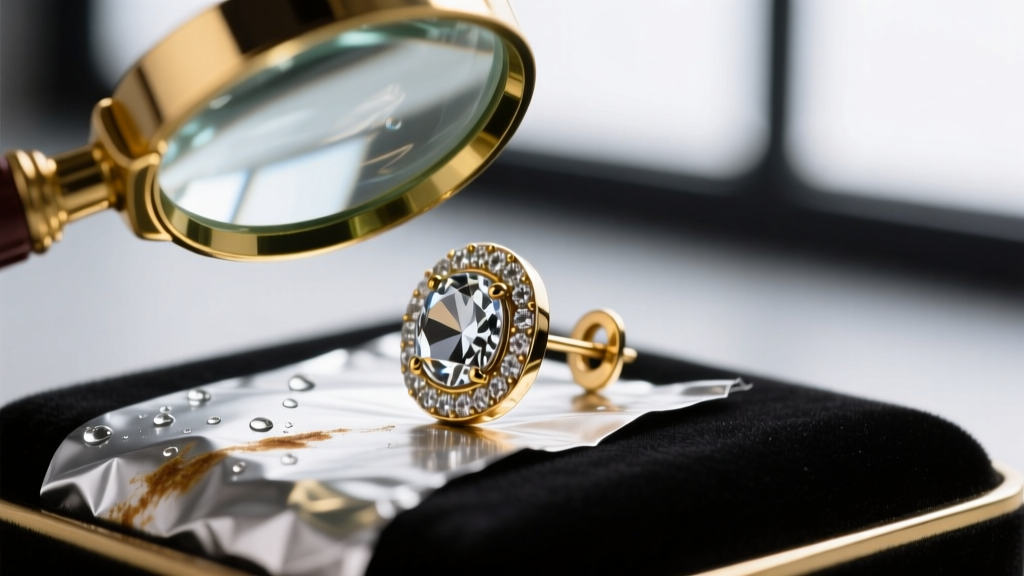
Verdigris is the green, powdery corrosion that forms on copper-containing base metals like brass when exposed to moisture and skin acids. Inspect the hinge of the clip and the post area closely. While light surface verdigris can be carefully cleaned with a dry toothbrush and mild solvent, deep pitting or "weeping" pot metal cannot be reversed and will continue to degrade.
2. Inspect Rhinestone Foil Degradation
Vintage glass rhinestones rely on a delicate silver-foil backing to reflect light. If moisture has penetrated the prong setting over the last forty years, this foil will oxidize, turning black, gray, or cloudy. A "dead" stone lacks sparkle and significantly diminishes the value of the piece. Always request a photo taken under direct, harsh lighting to reveal foil damage.
3. Test the Enamel Integrity
Many iconic 1980s Anne Klein pieces feature striking black or red cold enamel. Inspect the enamel under magnification for micro-cracks, chips, or lifting. Because cold enamel is essentially a hardened resin, it cannot be seamlessly repaired by a traditional jeweler once it begins to flake away from the metal channel.
Sourcing Authentic Pieces Safely
Finding genuine vintage Anne Klein clip earrings requires looking beyond standard fast-fashion resale apps. Reputable vintage jewelry dealers on platforms like Etsy, Ruby Lane, and 1stDibs often provide the high-resolution macro photography necessary to verify hallmarks and stone conditions. When bidding on auction sites, always demand clear photos of the back of the earrings and the clip mechanism. Armed with an understanding of the brand's rich material history, specific hallmark evolutions, and mechanical quirks, you can confidently curate a collection of Anne Klein non-pierced masterpieces that will endure for decades to come.


