Anthony Edwards Earrings: 2026 Care & Cleaning Guide
Learn how to clean and maintain Anthony Edwards style diamond studs and iced-out hoops. Expert tips on prong care, sweat removal, and lobe health.

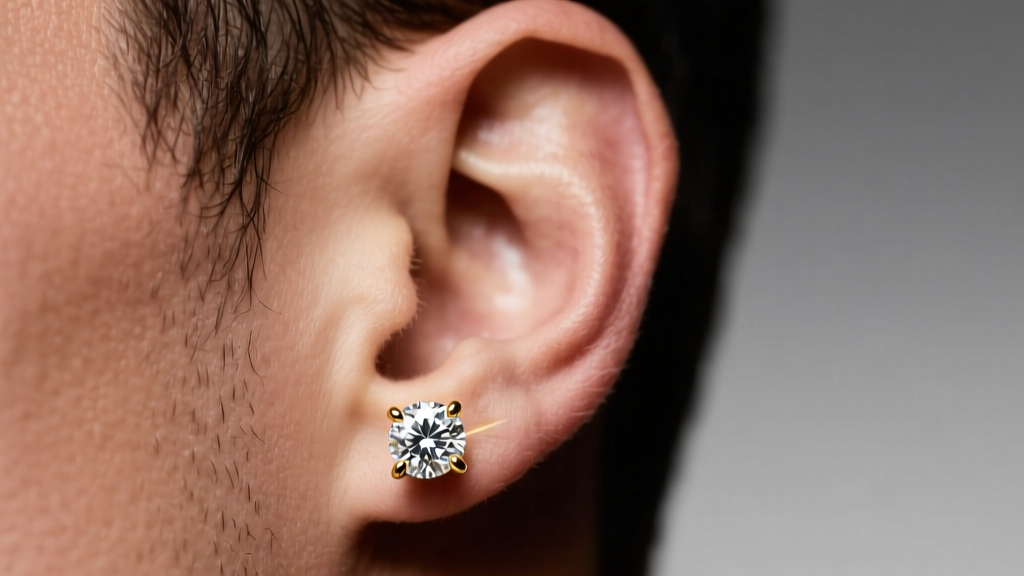
The Anatomy of High-Performance Athlete Earrings
When you think of Minnesota Timberwolves superstar Anthony Edwards, you likely picture explosive dunks, clutch three-pointers, and an undeniable swagger. But off the court and in the tunnel, his jewelry game is just as elite. The signature Anthony Edwards earrings—ranging from high-carat diamond studs to custom iced-out hoops—represent a major investment in personal branding and style. However, maintaining this level of 'drip' requires more than a quick wipe with a cloth. Athletic lifestyles introduce unique stressors to fine jewelry: extreme perspiration, physical friction, and rapid temperature changes.
To properly care for heavy, diamond-encrusted, or solid gold earrings, you must first understand their structural demands. Standard fashion earrings typically use 20-gauge or 18-gauge wire. In contrast, athlete-grade hoops and heavy studs often require 14-gauge to 10-gauge thicknesses to prevent the 'cheese-cutter effect,' where thin wire slowly slices through the earlobe under the weight of pavé diamonds. Furthermore, high-end studs meant for active wear should feature 6-prong martini or basket settings rather than 4-prong settings. If a single prong snags on a jersey or towel and bends, a 6-prong setting ensures the center stone remains secure until you can reach a jeweler.
The Sweat, Sebum, and Friction Factor
The human body produces sebum and sweat continuously, but athletes produce them in massive quantities. Sweat is mildly acidic, with a pH typically ranging from 4.5 to 7.0. When this acidic moisture mixes with the copper and zinc alloys found in 10k and 14k gold, it accelerates oxidation. This not only dulls the metal but can also cause contact dermatitis or leave a greenish-black residue on the skin behind the earlobe.
According to the Gemological Institute of America (GIA), diamonds are highly lipophilic, meaning they naturally attract and hold onto oils. When you combine the natural oils from your skin with the microscopic dust from gym environments and travel, a layer of grime quickly builds up on the pavilion (the bottom half) of the diamond. This grime blocks light refraction, making even a flawless VVS1 diamond look cloudy and lifeless. For those wearing moissanite alternatives, the issue is even more pronounced, as moissanite's specific surface tension makes it particularly prone to trapping oily films.
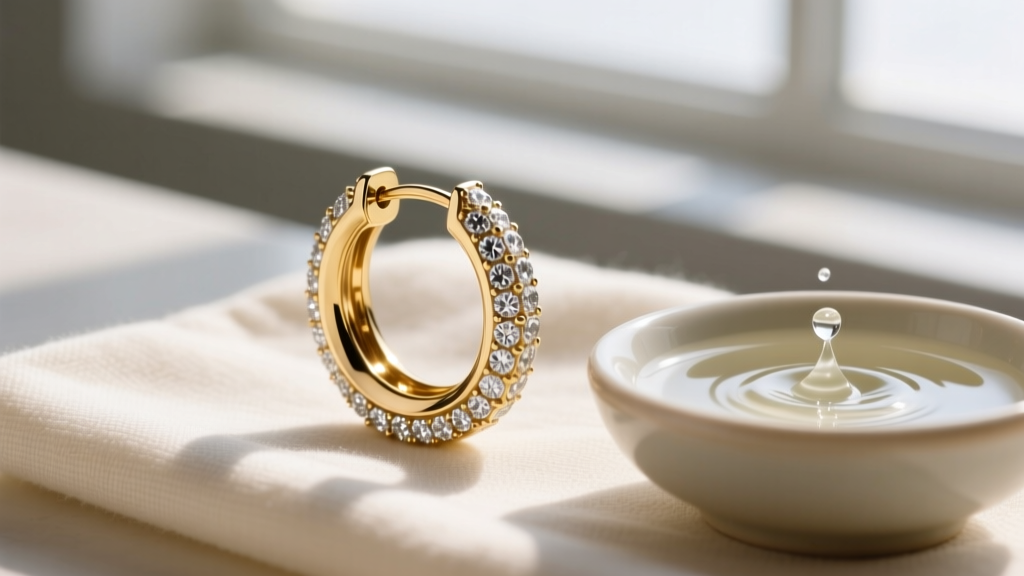
Step-by-Step Cleaning Protocol for Iced-Out Studs & Hoops
To restore the brilliance of your Anthony Edwards style earrings, you need a systematic cleaning approach that dissolves oils without damaging the metal or the stones. Avoid harsh chemicals like bleach, chlorine, or acetone, which can permanently pit gold alloys and degrade the rhodium plating on white gold.
Step 1: The Pre-Soak
Fill a small ceramic or glass bowl with warm (not hot) water and add three drops of a mild, phosphate-free dish soap, such as Dawn Platinum. Submerge your earrings for 15 to 20 minutes. This crucial step softens the hardened sebum and cosmetic buildup trapped beneath the diamond girdles and inside the intricate crevices of iced-out hoops.
Step 2: Targeted Agitation
Remove the earrings from the solution and use an extra-soft baby toothbrush to gently agitate the stones. Brush in a circular motion, paying special attention to the underside of the diamonds where the setting meets the post. Never use a stiff-bristled brush or toothpaste, as the abrasive silica in toothpaste will leave micro-scratches on 14k and 18k gold, permanently dulling the polish.
Step 3: The Rinse and Dry
Rinse the earrings under a gentle stream of lukewarm water. Critical Warning: Always place a mesh strainer over the drain before rinsing to prevent catastrophic loss. Pat the jewelry dry with a lint-free microfiber cloth. Avoid paper towels or tissues, as the wood fibers can snag on microscopic prong tips and leave behind lint that mimics diamond inclusions.
Material & Method Compatibility Matrix
Not all cleaning methods are safe for every material. Use this reference guide to ensure you do not accidentally destroy your jewelry during maintenance.
| Material / Stone | Ultrasonic Safe? | Steam Safe? | Chemical Warnings |
|---|---|---|---|
| Natural Diamonds (Untreated) | Yes | Yes | Avoid chlorine; it pits gold settings. |
| Fracture-Filled Diamonds | NO | NO | Ultrasonics can shatter the glass filler. |
| Moissanite | Yes | Yes | Requires more frequent oil removal. |
| 14k / 18k Yellow Gold | Yes | Yes | Avoid harsh abrasives that scratch metal. |
| Rhodium-Plated White Gold | Use Caution | Use Caution | Over-cleaning strips rhodium plating. |
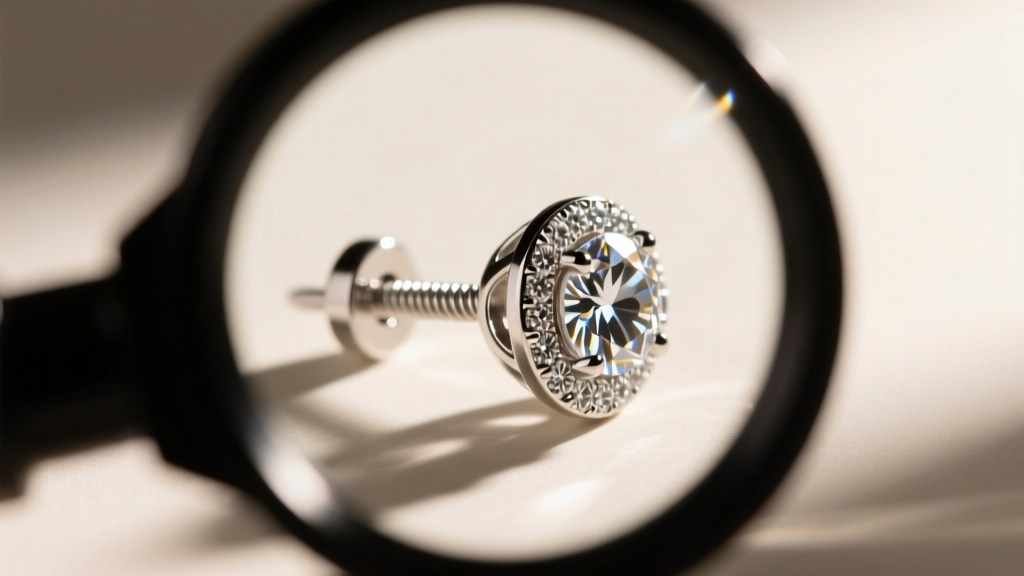
Securing the Hardware: Preventing Loss on the Court
A diamond stud is only as secure as its backing. Standard butterfly friction backs are entirely inadequate for heavy, high-carat earrings or for anyone living an active lifestyle. The friction groove on a standard post wears down over time, and a single bump against a car headrest or a towel can send a $20,000 diamond flying across the room.
For Anthony Edwards level jewelry, you must upgrade your hardware. La Pousette locking backs feature a spring-loaded mechanism that clicks securely into a grooved post, functioning much like a firearm safety. Alternatively, screw-back earrings utilize threaded posts that require you to twist the backing on. While screw-backs take slightly longer to put on, they offer near-foolproof security against accidental loss. If you are wearing hoops, ensure the hinge and clasp mechanism are tested monthly. A failing hinge spring will cause the hoop to slide out of the earlobe during physical activity.
Lobe Health and Migration Prevention
Heavy iced-out hoops and oversized studs place immense gravitational stress on the earlobe. Over time, this constant downward pull can cause 'lobe migration,' where the piercing hole slowly stretches and elongates toward the edge of the ear. Once the tissue thins out, surgical correction is the only way to fix it.
To preserve your lobe health while rocking heavy jewelry, adhere to the 8-hour rule: never wear earrings heavier than 4 grams for more than 8 consecutive hours. Always remove them before sleeping, working out, or showering. Sleeping in studs not only risks losing the jewelry but also drives the post into the skin behind your ear, causing painful pressure ulcers and increasing the risk of staph infections. For days when you want the look without the weight, consider swapping to high-quality cubic zirconia or lightweight moissanite replicas, saving the natural diamonds for game days and public appearances.
When to See a Professional Jeweler
Even with meticulous at-home care, professional maintenance is non-negotiable for high-end jewelry. According to the GIA's gold jewelry care guidelines, prongs wear down from microscopic friction against clothing, hair, and skin. You should take your diamond studs and hoops to a certified bench jeweler every six months for a thorough inspection. They will use a 10x loupe to check for lifted prongs, weakened solder joints on hoop clasps, and structural fatigue. A $50 prong-tipping service today prevents a devastating stone loss tomorrow. By treating your jewelry with the same discipline and respect that an elite athlete applies to their physical conditioning, your collection will maintain its brilliance and structural integrity for decades.


