How to Make Earring Hole Smaller: Lobe Shrinking & Care Guide
Learn how to make earring hole smaller with expert care routines, healing oils, and jewelry swaps to repair stretched or sagging earlobes safely.

Understanding Earlobe Anatomy and Tissue Stretching
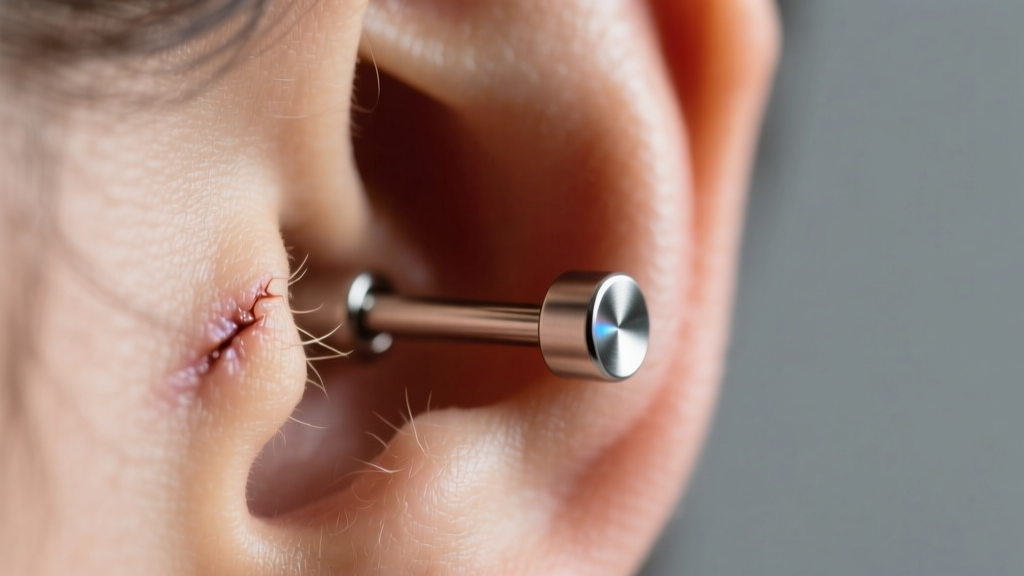
When figuring out how to make earring hole smaller, it is crucial to first understand the biological makeup of the earlobe. Unlike the upper ear, which is supported by rigid cartilage, the earlobe (lobule) is composed entirely of areolar connective tissue and adipose (fat) tissue. This lack of structural cartilage makes lobes highly susceptible to stretching, sagging, and tearing over time.
There are generally two reasons an earring hole becomes too large: intentional gauging (stretching) or the gradual sagging caused by the prolonged wear of heavy drop earrings and dangles. When heavy jewelry is worn daily, the constant gravitational pull breaks down the elastin fibers and collagen networks within the lobe. Once these fibers are compromised, the piercing channel elongates, creating a slit-like appearance that can eventually lead to a complete lobe split if left unaddressed.
Step-by-Step: How to Make Earring Hole Smaller Naturally
For holes that have been stretched up to a 2-gauge (6.5mm) or 0-gauge (8.3mm), natural shrinking is often highly successful. The key is a methodical downsizing protocol combined with dedicated tissue care. If your hole is simply sagging from heavy jewelry but remains at a standard 18-gauge (1.0mm) or 16-gauge (1.2mm), you can skip the downsizing steps and move directly to the massage and support routines.
1. The Jewelry Downsizing Protocol
If you are actively shrinking a stretched lobe, never jump straight from a large gauge to a standard earring. This can cause the tissue to fold inward, trap bacteria, and form blowouts or keloids. Instead, step down one or two sizes at a time.
- Weeks 1-4: Drop down two gauge sizes (e.g., from 4g to 8g). Use single-flare glass or implant-grade titanium (ASTM F-136) plugs. Glass is ideal because it is non-porous, heavy enough to keep the hole round, and hypoallergenic.
- Weeks 5-8: Drop down another two sizes. You may experience slight looseness; this is normal as the fistula (the tube of healed skin) begins to contract.
- Months 3-6: Transition to standard 14-gauge or 12-gauge titanium barbells. Avoid butterfly-back studs during this phase, as the posts are often too thin (20g) and can cause the shrinking tissue to fold around the post.
2. Daily Massage and Tissue Regeneration
Massage is the most critical step in encouraging the fistula to shrink and tighten. By increasing localized blood flow, you stimulate fibroblasts to produce new collagen, which plumps and tightens the sagging tissue.
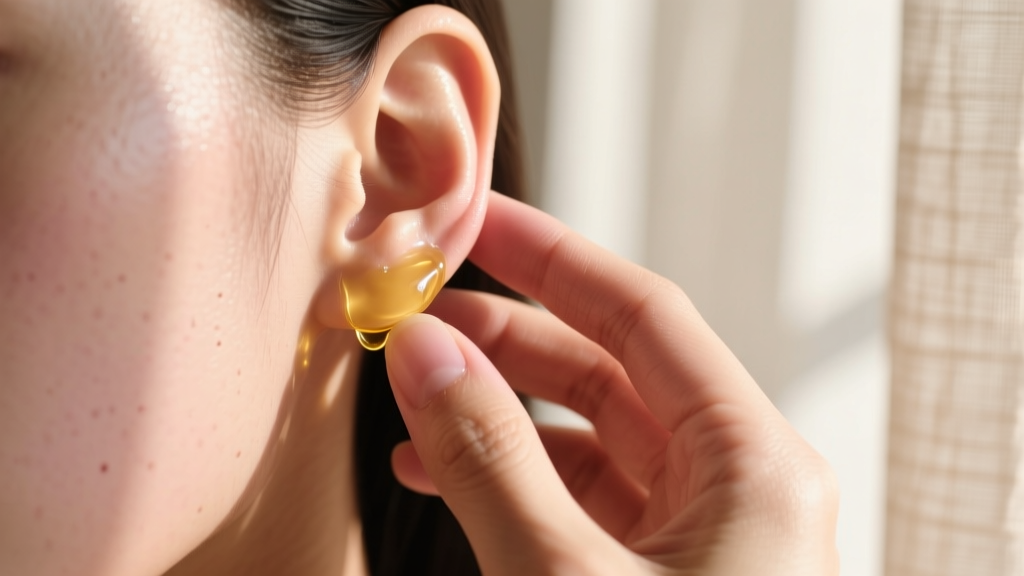
Use pure, cold-pressed jojoba oil or emu oil. Jojoba oil closely mimics the skin’s natural sebum, making it highly bioavailable and deeply moisturizing without clogging the piercing channel. Avoid tea tree oil or peppermint oil; these are highly astringent and can cause contact dermatitis, drying out the delicate lobe tissue and reducing its natural elasticity. Massage the lobes gently between your thumb and index finger for 3 to 5 minutes, twice daily. Apply gentle pressure, rolling the tissue to encourage blood flow, but never pull or tug on the lobe.
Surgical vs. Non-Surgical Lobe Repair Options
If your earring holes have been stretched beyond 00-gauge (10mm), or if the tissue has completely split due to a trauma tear, natural shrinking will not fully close the gap. In these cases, or for severe age-related sagging, you must explore dermatological or surgical interventions. Below is a comparison of the most effective professional repair methods.
| Repair Method | Best Used For | Average Cost (Per Lobe) | Downtime & Healing |
|---|---|---|---|
| Natural Downsizing | Stretched lobes up to 2g/0g | $0 (Cost of jewelry/oils) | 3 to 12 months |
| Hyaluronic Acid Fillers | Sagging, thinning, or aging lobes | $300 - $600 | 0 days (Immediate results) |
| Surgical Lobuloplasty | Blown-outs, complete splits, >00g | $400 - $1,000+ | 6 to 8 weeks (Sutures removed at 1-2 weeks) |
Dermal fillers, as noted by the American Academy of Dermatology, are an excellent non-surgical option for lobes that have thinned out due to aging or heavy jewelry. The filler adds volume back into the adipose layer, lifting the piercing hole and making it appear tighter and more circular. However, this is a temporary fix lasting 9 to 12 months. For permanent repair of stretched holes, a board-certified plastic surgeon can perform a lobuloplasty, excising the epithelialized fistula tract and stitching the fresh tissue edges together.
Essential Cleaning and Maintenance Routine
Whether you are actively shrinking a hole or maintaining a repaired lobe, a strict cleaning regimen is required to prevent infection and maintain tissue elasticity. Dry, cracked skin loses its ability to snap back and contract.
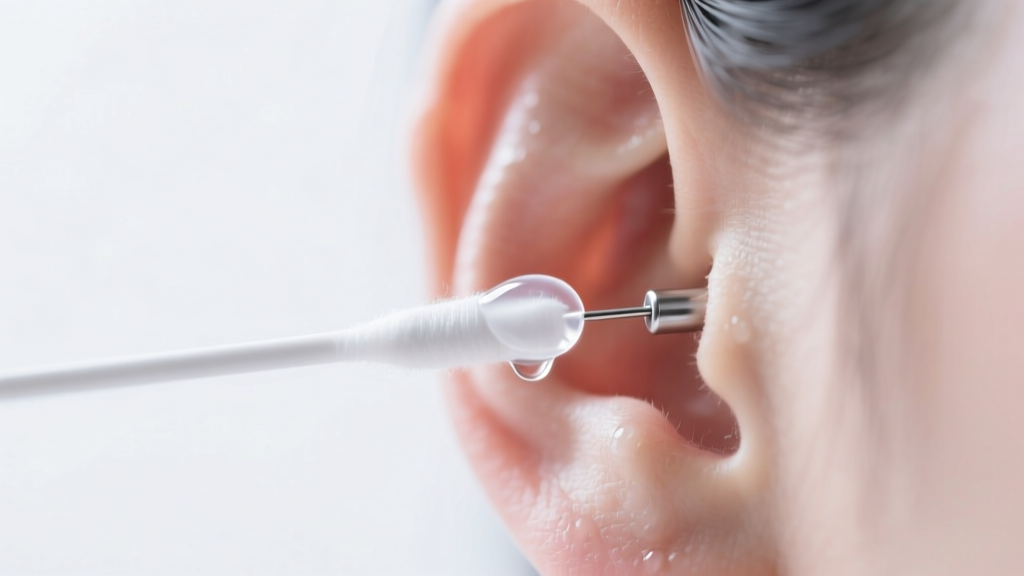
- Daily Cleansing: Use a sterile 0.9% sodium chloride wound wash. Spray it directly onto the front and back of the piercing twice a day. According to the Association of Professional Piercers, sterile saline is the only recommended cleaning agent for healing and modifying piercing tissue.
- Avoid Harsh Chemicals: Never use rubbing alcohol, hydrogen peroxide, or antibacterial soaps (like Dial) on shrinking lobes. These strip the skin of natural lipids, causing micro-tears and severe dryness that halts the shrinking process.
- Shower Precautions: Keep shampoo and conditioner away from the earlobes. The sulfates and heavy silicones in hair products can build up inside the shrinking fistula, leading to irritation bumps or localized infections.
Preventative Care: Keeping Piercings Tight and Healthy
Once you have successfully made your earring hole smaller, implementing preventative care is vital to ensure the tissue does not stretch out again. The structural integrity of a repaired or shrunken lobe is more fragile than a virgin piercing.
Weight Limits and Jewelry Selection
The most common cause of recurring sagging is wearing heavy statement earrings for extended periods. For a standard 18-gauge or 16-gauge lobe piercing, the jewelry should ideally weigh no more than 7 to 10 grams per earring for all-day wear. If you wish to wear heavier dangles or chandelier earrings, limit the wear time to 4-6 hours and immediately switch back to lightweight titanium or glass studs afterward.
Pro Tip: Invest in earlobe support patches (such as BlingDots or LobeWonder). These are small, medical-grade adhesive patches that stick to the back of the earlobe. They feature a reinforced hole that distributes the weight of heavy earrings across a wider surface area of the lobe, completely eliminating the downward pull on the piercing channel itself.
Sleeping Habits and Mechanical Stress
Sleeping on your side with standard earrings in can cause mechanical stress, pushing the post at an awkward angle and slowly elongating the hole over time. Always remove your earrings before bed, or switch to continuous sleep-safe jewelry like small, seamless titanium huggies or flat-back labret studs. Furthermore, avoid catching your earrings on hairbrushes, towels, or high-collared clothing, as sudden snags are the primary cause of acute lobe tearing.
When to See a Professional Piercer or Surgeon
While natural shrinking and diligent care can resolve most mild to moderate stretching issues, certain warning signs require professional intervention. If you notice the skin around the piercing becoming translucent, if the hole begins to migrate toward the edge of the lobe, or if you experience persistent pain and localized heat, consult a reputable professional piercer or a dermatologist immediately. Attempting to force a shrinking process on severely compromised tissue can result in permanent necrosis or unsightly scarring. By combining mindful jewelry choices, targeted massage, and proper hygiene, you can successfully restore your earlobes to a tight, healthy state.


