James Avery Butterfly Earrings: 2026 Style & Trend Analysis
Explore the 2026 trend analysis of James Avery butterfly earrings. Discover styling tips, material grades, pricing, and ear placement guides.


The jewelry landscape in 2026 has decisively shifted away from the ultra-minimalist, quiet luxury aesthetics of the early 2020s, embracing a movement trend forecasters are calling "heirloom naturecore." At the forefront of this botanical and entomological revival are james avery butterfly earrings, which have transitioned from nostalgic regional staples to highly sought-after statement pieces nationwide. As a brand deeply rooted in artisan craftsmanship and nature-inspired motifs, James Avery's butterfly collections offer a masterclass in wearable symbolism. But beyond their aesthetic appeal, how do these pieces perform in terms of material longevity, anatomical styling, and investment value? This comprehensive style and trend analysis breaks down everything you need to know.
The 2026 Resurgence of Naturecore: Why Butterflies Are Dominating
Butterflies have historically symbolized transformation and ephemeral beauty, but their 2026 resurgence is driven by a consumer desire for emotional resonance in jewelry. According to recent luxury market analyses, buyers are gravitating toward pieces that tell a story or represent personal growth. The intricate wing structures of James Avery's butterfly designs—ranging from delicate openwork filigree to solid, oxidized silhouettes—provide a textural contrast that pairs beautifully with the current trend of mixed-metal ear curation. Unlike the flat, stamped butterfly motifs popular in fast fashion, James Avery utilizes lost-wax casting techniques that give their butterfly earrings a distinct, three-dimensional sculptural quality.
Decoding the James Avery Butterfly Earring Collection
When shopping for james avery butterfly earrings, consumers are generally met with three distinct design categories: classic studs, articulated dangles, and repurposed charms. Understanding the specific dimensions and material grades of each is crucial for both styling and comfort.
| Design Category | Material Options | Approx. 2026 Price | Dimensions | Weight (per pair) |
|---|---|---|---|---|
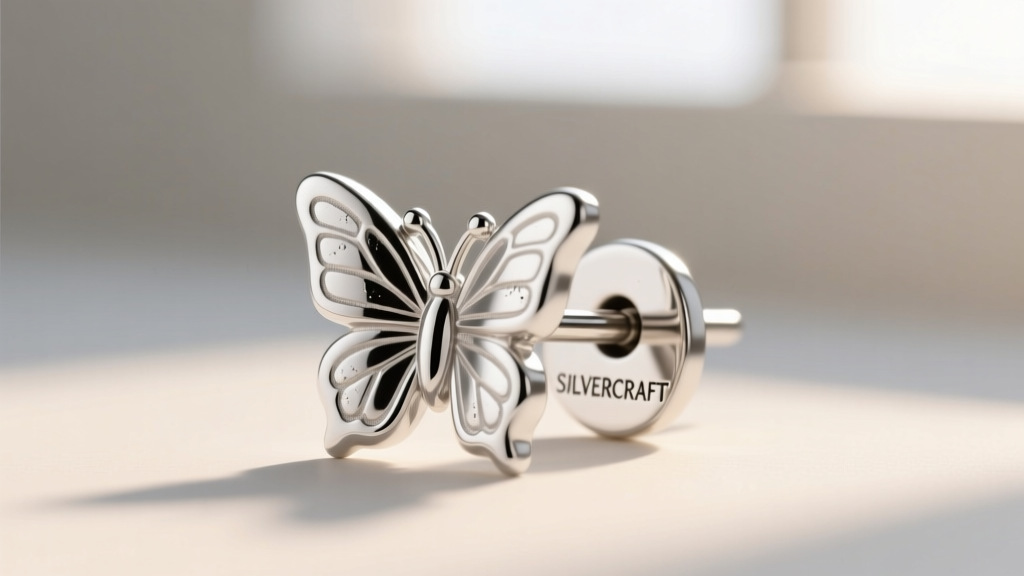
| Small Butterfly Stud | Sterling Silver, 14k Gold | $48 - $275 | 6mm x 5mm | 0.8g |
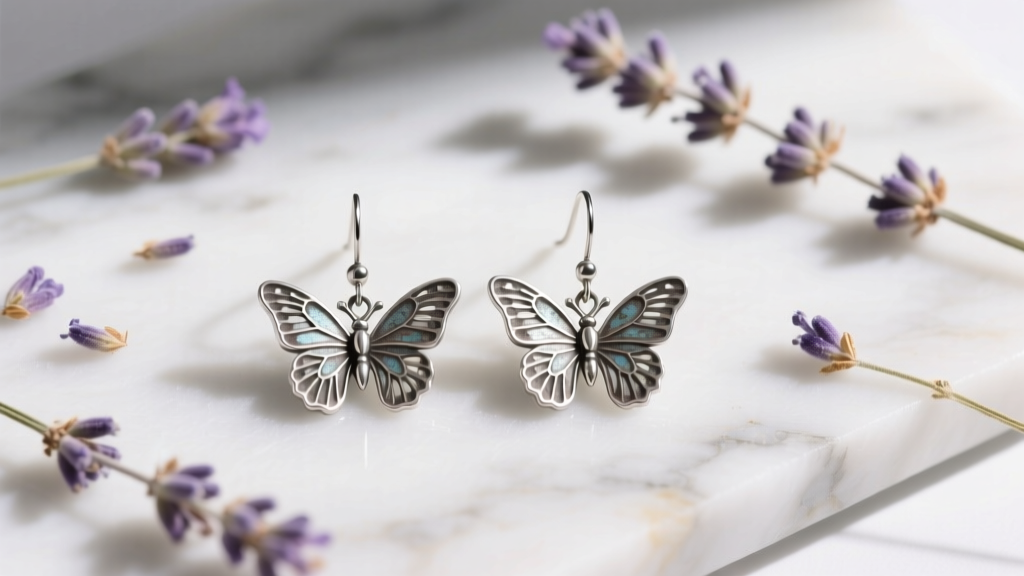
| Monarch Butterfly Dangle | Sterling Silver | $85 - $110 | 15mm x 12mm | 2.4g |
| Openwork Butterfly Drop | 14k Yellow Gold | $425 - $490 | 18mm x 14mm | 1.9g |
| Butterfly Charm (Converted) | Sterling Silver, Enamel | $35 - $65 | 10mm x 8mm | 1.2g |
Sterling Silver vs. 14k Gold: The Tarnish & Wear Reality
James Avery's sterling silver is stamped .925, meaning it contains 92.5% pure silver and 7.5% copper alloy for structural integrity. While the copper provides necessary hardness for the intricate wing detailing, it is also the culprit behind oxidation. In 2026, James Avery continues to utilize a proprietary oxidization process on select silver butterfly earrings to accentuate the crevices of the wing patterns, creating a vintage, high-contrast look. However, for the polished silver variants, the brand applies a micro-layer of rhodium plating.
As noted by the Gemological Institute of America (GIA), rhodium plating on silver acts as a barrier against hydrogen sulfide in the atmosphere, delaying tarnish. However, this plating is typically only 0.1 to 0.5 microns thick. For daily-wear studs, expect the rhodium to wear off the high-friction areas within 12 to 18 months, requiring periodic polishing. Conversely, their 14k gold butterfly earrings (an alloy of 58.3% pure gold mixed with silver, copper, and zinc) offer superior tarnish resistance and are the recommended choice for those with acidic skin pH or those living in high-humidity coastal environments.
Face Shape & Ear Anatomy Styling Guide
The versatility of james avery butterfly earrings allows them to be adapted to various facial structures and ear anatomies. The key to styling nature motifs is balancing the organic, asymmetrical lines of the butterfly wings with your natural features.
- Round Faces: Opt for the Monarch Butterfly Dangles or elongated drop styles. The vertical movement draws the eye downward, creating an illusion of length and balancing the width of the cheekbones.
- Square Faces: The Openwork Butterfly Drops in 14k gold are ideal. The curved, filigree wings soften a strong jawline, while the metallic warmth of yellow gold complements the angularity of the face.
- Heart-Shaped Faces: Small Butterfly Studs or medium-sized huggies with butterfly accents work best. They add visual weight to the lower half of the ear, balancing a narrower chin.
- Oval Faces: Practically any silhouette works, making this the perfect demographic for the asymmetrical "curated ear" look, mixing a large dangle on one side with a constellation of small studs on the other.
Cartilage vs. Lobe: Sizing and Gauge Considerations
A critical, often overlooked aspect of earring styling is gauge compatibility. Standard James Avery earring posts are manufactured at 20-gauge (0.81mm). This is perfectly suited for standard lobe piercings, which typically heal at 20g or 18g. However, if you are attempting to wear these butterfly pieces in upper ear cartilage piercings (such as the helix or tragus), you must proceed with caution.
Cartilage piercings are generally performed at 16-gauge (1.2mm) or 14-gauge (1.6mm). Forcing a 20-gauge post into a 16-gauge fistula can lead to the "cheese-cutter effect," where the thin wire migrates through the tissue, or cause irritation bumps due to the excessive movement of the thin post. If you wish to feature a James Avery butterfly in your helix, it is highly recommended to take the earring to a professional piercer who can swap the 20-gauge post for a 16-gauge titanium or gold labret post, ensuring anatomical safety without sacrificing the aesthetic.
The Charm-to-Earring Conversion Hack
One of the most closely guarded secrets among James Avery collectors in 2026 is the charm-to-earring conversion. While the dedicated earring lineup is beautiful, the brand's extensive charm catalog features over a dozen exclusive butterfly designs—including the intricate Lacewing, the vibrant Enamel Monarch, and the geometric Stained Glass butterfly—that are not available as standard earrings.
Pro Stylist Tip: Purchase a pair of high-quality "charm-to-earring converters" (available in French wire or leverback styles). By attaching the Small Butterfly Charm ($35) to a 14k gold-filled converter, you effectively create a custom, lightweight dangle earring for under $60—a fraction of the cost of solid gold alternatives.
This method not only expands your styling options exponentially but also allows you to swap out motifs based on your daily outfit. Ensure the converter you purchase features a secure lobster clasp or a tightly closing French wire to prevent the charm from slipping off during wear.
Final Verdict: Are They Worth the Investment in 2026?
As the jewelry market continues to saturate with mass-produced, CAD-designed insect motifs, the tactile, hand-finished nature of james avery butterfly earrings stands out. The brand's commitment to the lost-wax casting process ensures that every vein in the butterfly's wing is distinct. While the sterling silver options require a commitment to routine maintenance and proper storage (always in anti-tarnish flannel pouches, never in humid bathrooms), the entry price point of under $50 for silver studs offers undeniable value for heirloom-quality craftsmanship. For those seeking a zero-maintenance, lifelong piece, the 14k gold iterations remain a robust investment that perfectly captures the 2026 heirloom naturecore zeitgeist. Whether worn as a subtle lobe stud or a dramatic cartilage statement, these pieces prove that true artistry never goes out of season.


