Lever Back Diamond Earrings: The Beginner's Security Guide
Discover why lever back diamond earrings offer superior security. Learn about closure mechanics, metal grades, and sizing in this beginner guide.

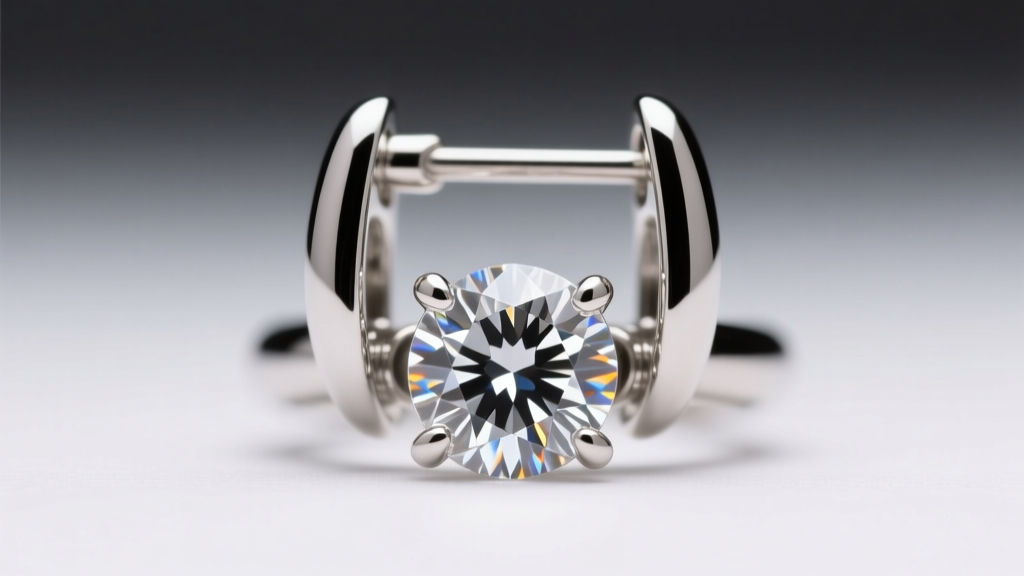
The Anatomy of a Leverback Closure
When investing in fine jewelry, the closure mechanism is just as critical as the gemstone itself. For beginners navigating the world of diamond earrings, understanding how different backs function is the first step toward protecting your investment. Lever back diamond earrings utilize a hinged wire that passes through the ear piercing and snaps securely into a tension-based catch on the opposite side of the earring setting. This creates a fully enclosed loop, physically preventing the earring from sliding off the earlobe.
Unlike traditional friction backs (often called 'push-backs' or 'butterfly backs') that rely on the tension of a small metal clutch gripping a notched post, the leverback mechanism relies on structural geometry. The hinge is typically secured by a microscopic rivet, while the 'snap' is achieved through a precisely milled groove and a corresponding metal lip. When you hear that satisfying 'click,' you are feeling the tension lip seat perfectly into the catch groove, locking the wire in place.
Why Security is Non-Negotiable for Diamonds
Diamonds are dense, and their settings add significant weight to the earlobe. According to the Gemological Institute of America (GIA), proper jewelry maintenance and secure settings are paramount to preventing catastrophic loss. A standard friction push-back can fail for several reasons: the notch on the post wears down over time, the clutch loses its internal spring tension, or the earring is accidentally pulled by hair or clothing. When a push-back fails, gravity takes over, and the diamond is lost.
Lever back diamond earrings mitigate these risks entirely. Because the wire forms a closed circuit through the ear, the earring cannot fall off even if the catch momentarily loosens. The worst-case scenario with a leverback is that the earring dangles freely from the hinge, alerting the wearer long before a loss occurs.
Closure Type Comparison Chart
| Closure Type | Security Level | Primary Failure Point | Best For |
|---|---|---|---|
| Friction Push-Back | Low to Medium | Clutch tension loss / Post notch wear | Lightweight studs (under 0.25ct) |
| Screw-Back | High | Thread stripping / User cross-threading | Medium studs, active lifestyles |
| La Pousette | Very High | Internal spring mechanism failure | Heavy, high-value solitaire studs |
| Leverback | Very High | Hinge rivet loosening over decades | Drops, dangles, and medium-heavy diamonds |
Metallurgy Matters: Choosing the Right Alloy
The metal used to craft the leverback wire dictates its longevity, tensile strength, and resistance to bending. As a beginner, you might assume that higher karat gold is always better. However, when it comes to the thin, load-bearing wires of a leverback closure, metallurgical hardness is more important than purity.

14k vs. 18k Gold
18k gold (75% pure gold) is prized for its rich color and hypoallergenic properties, but it is relatively soft. On the Vickers hardness scale, 18k yellow gold sits around 115 HV. In contrast, 14k gold (58.5% pure gold) is alloyed with more copper, silver, or zinc, pushing its hardness to approximately 135 HV. For lever back diamond earrings featuring stones between 0.50 and 1.00 carats, 14k gold provides superior resistance to the wire bending out of alignment when taking the earrings on and off.
Platinum (950 Grade)
If you are purchasing leverbacks for diamonds exceeding 1.50 carats, platinum is the undisputed champion. Platinum alloys (typically 95% platinum and 5% ruthenium) possess immense tensile strength. Unlike gold, which loses microscopic layers of metal to friction over time, platinum merely displaces. This means the microscopic catch and hinge of a platinum leverback will maintain their structural integrity for generations. The Jewelers of America frequently recommends platinum for heavy, high-value diamond settings due to its unmatched durability and secure grip on gemstones.
Proportional Sizing: Matching Carat Weight to Wire Gauge
A common mistake beginners make is ignoring the thickness of the leverback wire relative to the size of the diamond. If the wire is too thick, it will cause discomfort and stretch the piercing. If it is too thin, the weight of the diamond will cause the earring to droop, pulling the catch out of alignment. Jewelers measure wire thickness in gauges (the lower the number, the thicker the wire).
- 20-Gauge (0.81mm): Ideal for lightweight diamond drops and accents (0.10ct to 0.40ct total weight). Best for standard, un-stretched earlobe piercings.
- 18-Gauge (1.02mm): The industry standard for most lever back diamond earrings. Perfectly supports diamonds ranging from 0.50ct to 1.25ct without excessive drooping.
- 16-Gauge (1.29mm): Reserved for substantial, heavy diamond drops or chandelier styles (1.50ct to 3.00ct+). Requires a slightly more robust piercing hole and offers maximum structural support.
Troubleshooting and Maintenance
Even the finest lever back diamond earrings require basic maintenance. The most common issue beginners face is the closure failing to 'click' shut. Before assuming the mechanism is broken, inspect the catch.
'Ninety percent of leverback failures brought to my bench aren't mechanical at all. They are caused by compacted lint, skin oils, and soap residue trapped inside the microscopic catch groove, preventing the wire from seating fully.' — Master Bench Jeweler
To clean the mechanism, use a soft-bristled baby toothbrush dipped in a mild solution of warm water and ammonia-free dish soap. Gently scrub the catch and the hinge. Avoid using ultrasonic cleaners with the leverback closed, as the high-frequency vibrations can sometimes loosen the hinge rivet over time. Always leave the clasp open during ultrasonic cleaning.
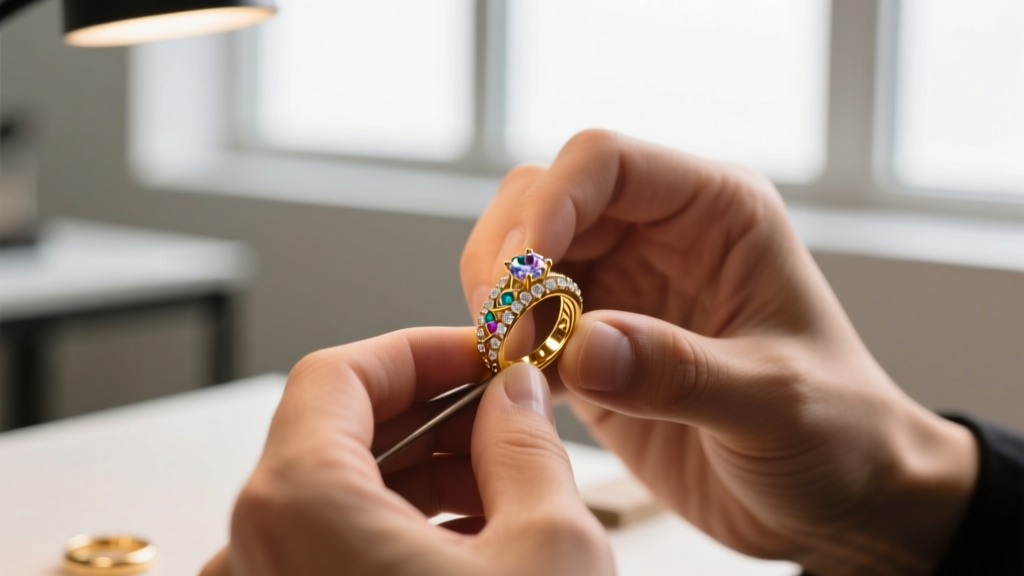
If the hinge itself feels loose or 'floppy,' do not attempt to squeeze the wire with pliers. This will warp the geometry of the catch and ruin the tension. A professional jeweler can easily fix a loose hinge in minutes by 'peening' (gently tapping) the microscopic rivet to tighten the tolerance.
Final Thoughts for the First-Time Buyer
Lever back diamond earrings represent the perfect intersection of elegance, comfort, and peace of mind. By prioritizing a secure closure, you ensure that your diamonds remain exactly where they belong. When shopping, pay close attention to the metal alloy and the wire gauge, ensuring they are appropriately matched to the carat weight of your chosen stones. For a comprehensive guide on evaluating diamond quality and setting security, consult the GIA's Precious Metal Guide before making your final purchase. With the right leverback mechanism, you can wear your diamonds daily with absolute confidence.


