Playboy Bunny Earrings: 2026 Value & Authenticity Guide
Assess the true value of Playboy bunny earrings in 2026. Compare vintage vs modern materials, gauge sizes, pricing tiers, and authenticity tips.

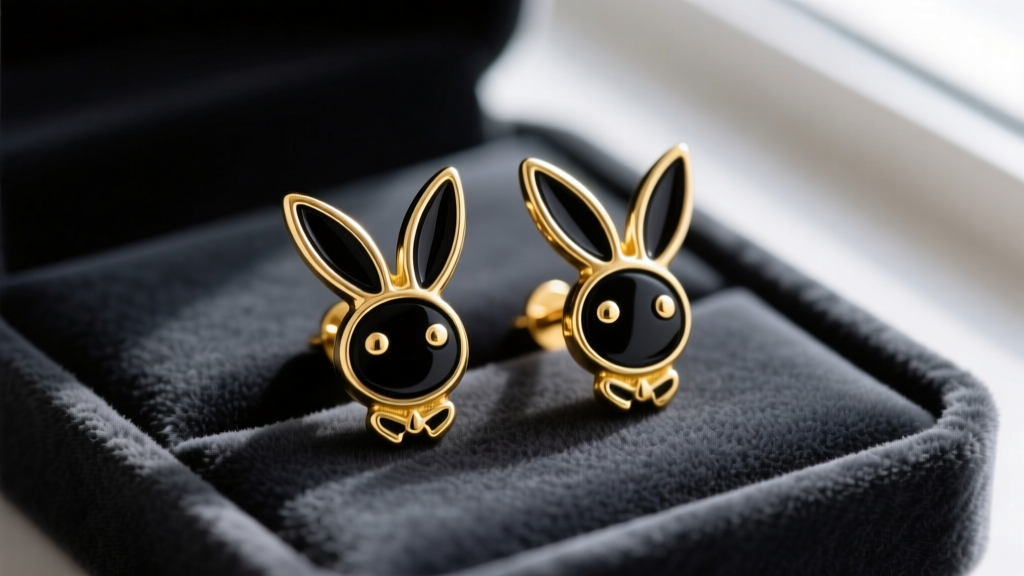
The True Cost of Iconography: Market Overview
The Playboy Bunny motif has transcended its mid-century origins to become a permanent fixture in pop-culture jewelry. As we navigate the 2026 vintage and contemporary jewelry markets, the demand for Playboy bunny earrings remains remarkably high. However, this enduring popularity has created a heavily saturated secondary market flooded with everything from genuine 1980s archival pieces to modern licensed collaborations and outright bootlegs. For collectors and everyday wearers alike, distinguishing between a valuable collector's item and a fast-fashion knockoff requires a keen eye for metallurgy, hardware anatomy, and historical licensing markers.
Whether you are hunting for Y2K-era nostalgia or investing in high-end modern interpretations, assessing the budget and long-term value of these earrings means looking past the iconic silhouette. You must evaluate the substrate metals, the micron thickness of gold plating, the structural integrity of the earring posts, and the chemical composition of the enamel accents. This comprehensive guide breaks down the exact specifications you need to know before making a purchase.
Material Tiers & Value Retention Matrix
Not all bunny earrings are created equal. The value of a piece is inextricably linked to its material composition. Below is a comparative matrix outlining the three primary tiers of Playboy bunny earrings found in today's market, followed by a detailed metallurgical breakdown.
| Material Tier | Composition | Avg. Price Range (2026) | Expected Lifespan | Skin Sensitivity Risk | Resale Value |
|---|---|---|---|---|---|
| Fast Fashion | Zinc/Brass Alloy, Flash Plated | $15 - $45 | 6 - 18 Months | High (Nickel/Copper) | Very Low |
| Mid-Tier / Licensed | 925 Sterling Silver, 14k Vermeil | $65 - $180 | 5 - 15 Years | Low (Hypoallergenic) | Moderate |
| Investment / Fine | Solid 14k/18k Gold, Diamond Pavé | $450 - $1,500+ | Lifetime / Heirloom | None | High |
The Fast Fashion Tier: Base Metals and Flash Plating
Vintage pieces from the 1980s and 1990s, as well as modern mall-brand replicas, frequently utilize zinc alloys or brass substrates with "flash plating"—a microscopic layer of gold or rhodium usually measuring less than 0.5 microns. While these pieces hold immense nostalgic value, their material value is negligible. The primary failure mode for base metal Playboy bunny earrings is galvanic corrosion. When the thin plating wears away from friction or exposure to the acidic pH of human sweat, the underlying copper or brass reacts, oxidizing and leaving a green residue on the earlobe. If you are buying in this tier, do so strictly for the aesthetic and historical novelty, not as a financial investment.
The Sweet Spot: Sterling Silver and Gold Vermeil
Modern licensed collaborations (such as those seen with brands like Missoma or Baublebar over the last decade) typically utilize 925 sterling silver as a base. When coated in gold, they must meet strict regulatory standards to be classified as "vermeil." According to the Federal Trade Commission Jewelry Guides, gold vermeil requires a minimum of 2.5 microns of 10k, 14k, or 18k gold over a sterling silver base. This thickness provides a robust barrier against tarnish and skin acids, making these earrings a highly durable, mid-budget option that retains moderate resale value among dedicated pop-culture jewelry collectors.
The Investment Tier: Solid Gold and Gemstones
High-end jewelers and exclusive Playboy Enterprises licensing runs occasionally produce solid gold iterations, often featuring diamond or high-grade cubic zirconia pavé on the bunny's bowtie or silhouette. These pieces hold intrinsic melt value and gemstone value, completely independent of the brand licensing. They are the only tier recommended for buyers seeking genuine financial retention or heirloom-quality longevity.
Anatomy of the Post: Gauge Sizes and Hardware
A frequently overlooked aspect of jewelry valuation is the hardware. The earring post and clutch mechanism dictate both the comfort and the security of the piece. When evaluating Playboy bunny earrings, pay close attention to the gauge (thickness) of the post.
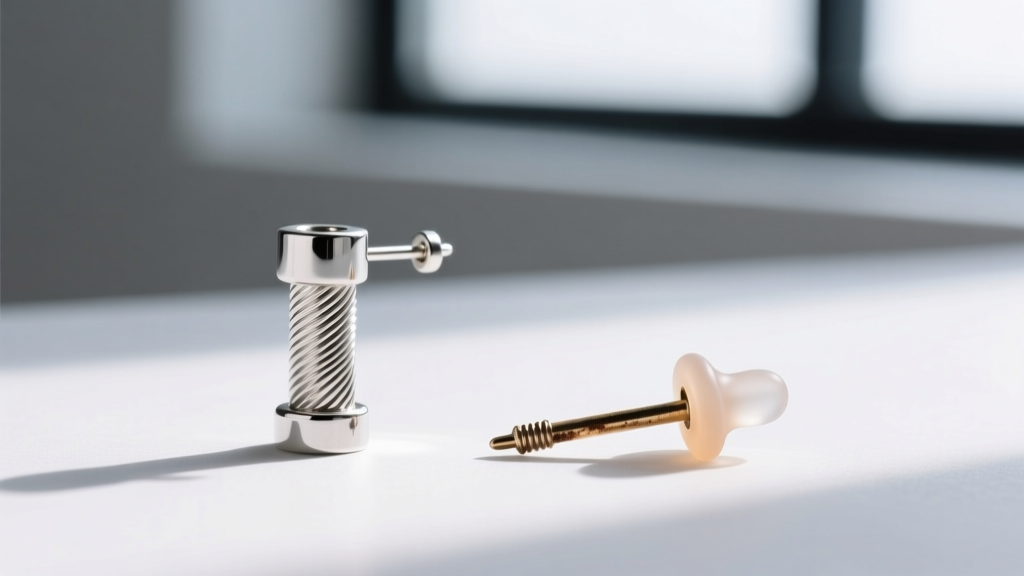
- 20-Gauge (0.81mm): The industry standard for high-quality lobe earrings. A 20G post provides enough structural rigidity to support the weight of a solid metal or enamel bunny silhouette without bending during insertion or sleep.
- 22-Gauge (0.64mm) and Thinner: Commonly found in cheap, unlicensed bootlegs or ultra-vintage 1970s fashion jewelry. These posts are highly prone to warping, snapping, and causing micro-tears in the earlobe fistula if the heavy earring head catches on clothing.
Furthermore, examine the clutch. Premium pieces utilize a "la pousette" (push-pull secure locking clutch) or high-density silicone O-rings. Standard butterfly friction backs on heavy gold-plated pieces often fail to grip the post adequately, leading to a high rate of loss.
Enamel Integrity: Cold Resin vs. Vitreous Glass
Many Playboy bunny designs feature the iconic bowtie or a solid silhouette filled with black, white, or pink enamel. The method used to apply this color drastically impacts the earring's lifespan and value.
The vast majority of fashion-grade bunny earrings use cold enamel, which is essentially a pigmented epoxy resin. While it allows for vibrant colors and intricate detailing, cold enamel is highly susceptible to UV degradation and chemical breakdown from perfumes and skin oils. Over a decade, cold enamel will inevitably yellow, chip, or pull away from the metal bezel. Conversely, vitreous (hot) enamel is crushed glass fired at extreme temperatures, fusing it permanently to the metal substrate. Vitreous enamel is virtually impervious to fading and chipping. If you can verify that a vintage or modern piece uses vitreous glass enamel, its value and desirability among serious collectors increase significantly.
Authentication: Spotting Bootlegs in the Secondary Market
With the resurgence of Y2K and vintage fashion in 2026, unlicensed manufacturers have flooded online marketplaces with counterfeit Playboy bunny earrings. Authenticating a piece requires looking for specific maker's marks and understanding historical licensing.
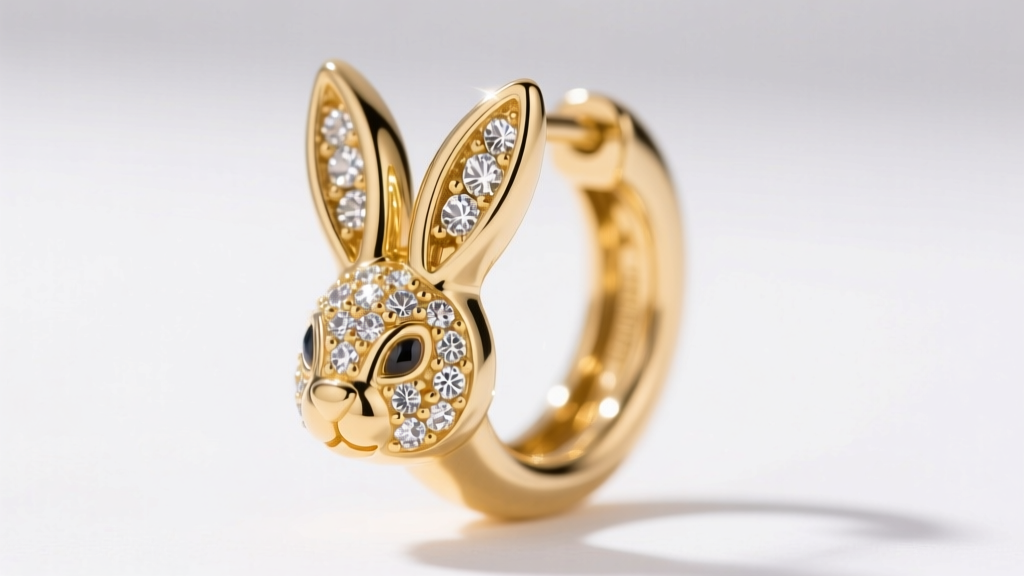
According to the Lang Antiques Hallmark Directory, authentic vintage pieces will almost always bear a distinct copyright symbol (©) alongside the maker's mark. Look for stamps such as "Playboy Enterprises Int'l", "PEI", or specific licensed manufacturer codes from the 1980s and 90s. Bootlegs often omit the copyright symbol entirely or feature sloppy, laser-etched logos that lack the crisp depth of a stamped metal hallmark.
Additionally, weigh the piece. Authentic licensed jewelry from the 1990s, even if made of base metal, was typically cast with a substantial heft. Modern bootlegs produced via cheap 3D printing and lightweight zinc alloys will feel suspiciously hollow and lightweight in the palm of your hand.
Final Verdict: Are They Worth Your Budget?
The value of Playboy bunny earrings is highly subjective, straddling the line between sentimental pop-culture memorabilia and fine jewelry. If your budget is under $50, you are likely purchasing base-metal vintage pieces or modern bootlegs; buy these strictly for fun, temporary styling, and be prepared for eventual plating loss. If your budget allows for the $80 to $180 range, target modern licensed collaborations crafted in 14k gold vermeil over sterling silver, ensuring you get a hypoallergenic, durable piece that honors the iconic motif without compromising your skin health or financial investment. For the true collector, seeking out solid gold, diamond-accented, or rare vitreous enamel archival pieces remains the ultimate pursuit, offering both historical significance and enduring material wealth.
For further reading on evaluating gemstone pavé and metal purity in vintage pop-culture jewelry, consult the GIA Gem Encyclopedia to ensure your investments are backed by rigorous gemological standards.


