2026 Valentines Earrings: Trend Analysis & Style Guide
Discover the 2026 valentines earrings trend analysis. Explore asymmetrical curations, oxidized metals, and structural cuffs with expert styling tips.

The Evolution of Romantic Jewelry: Beyond the Classic Heart
When forecasting the landscape of valentines earrings for 2026, the industry has decisively pivoted away from predictable, red-enamel heart studs. Today's collectors and style enthusiasts are demanding sophisticated, avant-garde expressions of affection that transcend seasonal cliches. The modern romantic aesthetic is defined by architectural asymmetry, mixed-metal oxidation, and structural ear cuffs that blur the line between fine jewelry and wearable art. This shift reflects a broader cultural movement toward individualized ear curation, where the narrative of the jewelry is deeply personal rather than universally prescribed.
As a domain expert tracking fine jewelry micro-trends, I have analyzed the latest runway showcases, independent jeweler releases, and consumer search data to bring you a comprehensive breakdown of this year's most dominant styles. Whether you are shopping for a significant other or curating your own cartilage constellation, understanding the technical specifications and stylistic nuances of these pieces is crucial for making an informed investment.
2026 Trend Forecast: Three Dominant Valentines Earrings Aesthetics
1. Asymmetrical Ear Curations
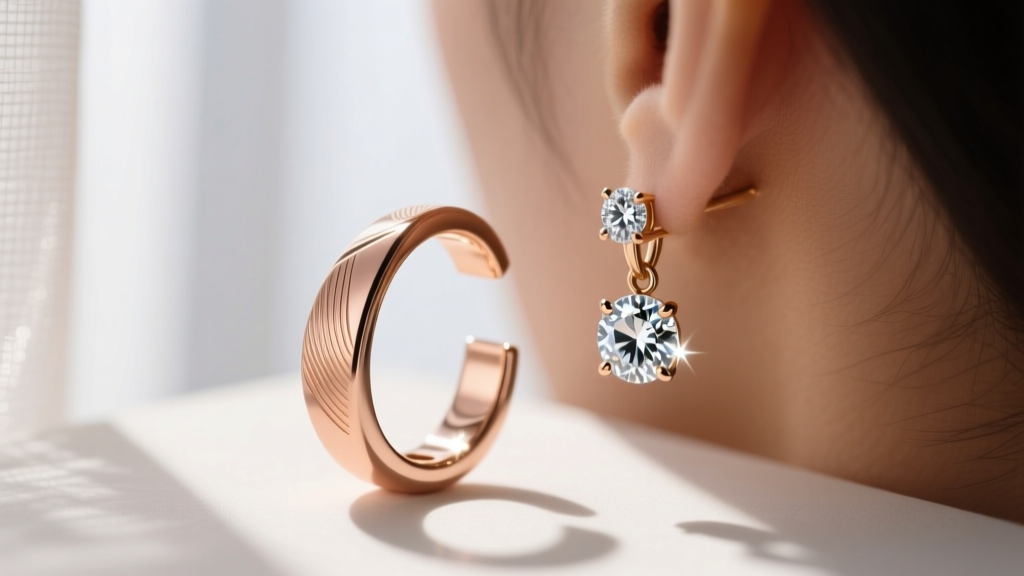
The concept of 'matchy-matchy' is officially obsolete in high-end ear styling. For Valentine's Day 2026, the leading trend is intentional asymmetry. This involves pairing a heavily textured or gemstone-encrusted drop earring on one lobe with a minimalist, micro-pave huggie or sleek ear cuff on the opposite ear. The key to executing this look lies in maintaining a cohesive metal tone or deliberately contrasting warm and cool metals through a shared design motif, such as a subtle heart-shaped clasp or a matching gemstone cut.
From a technical standpoint, asymmetrical curation requires careful attention to gauge sizing. A standard lobe piercing is typically 18g or 16g, while helix and forward helix piercings often accommodate 16g or 14g jewelry. When purchasing an asymmetrical set, ensure the post thickness matches the recipient's specific piercing gauge to avoid the discomfort of stretching or the risk of the jewelry slipping out of a larger hole. Clicker-style closures with a secure snap mechanism are highly recommended for the cartilage pieces, as they offer superior stability compared to traditional hinged segment rings.
2. Oxidized & Mixed-Metal Motifs
The 'dark romance' aesthetic has heavily influenced metalworking techniques this season. Jewelers are utilizing liver of sulfur to intentionally oxidize sterling silver, creating deep, gunmetal-grey shadows that highlight intricate milgrain detailing and engraved romantic motifs. This oxidized base is frequently juxtaposed with flush-set 14k or 18k rose gold vermeil accents, creating a striking visual contrast that feels both vintage and fiercely modern.
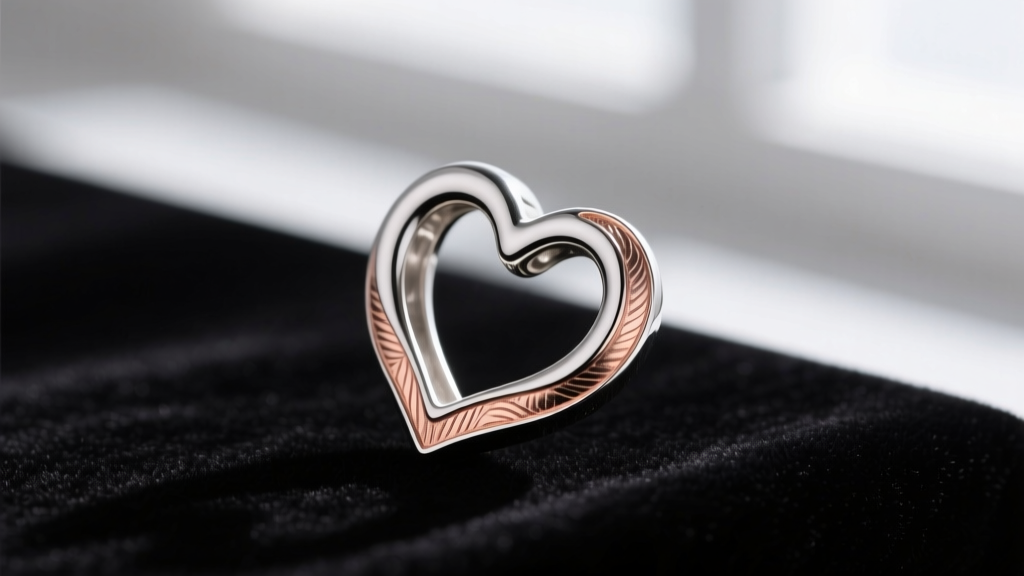
When investing in mixed-metal valentines earrings, understanding the difference between gold plating and gold vermeil is critical for longevity. According to the Gemological Institute of America (GIA), true gold vermeil requires a base of sterling silver coated with a minimum of 2.5 microns of gold (usually 14k or higher). Standard gold plating, often applied over brass or copper, can wear away within months, exposing the base metal and potentially triggering contact dermatitis. Always verify the micron thickness and base metal before purchasing oxidized mixed-metal pieces to ensure they withstand daily wear.
3. Structural Ear Cuffs & Huggies
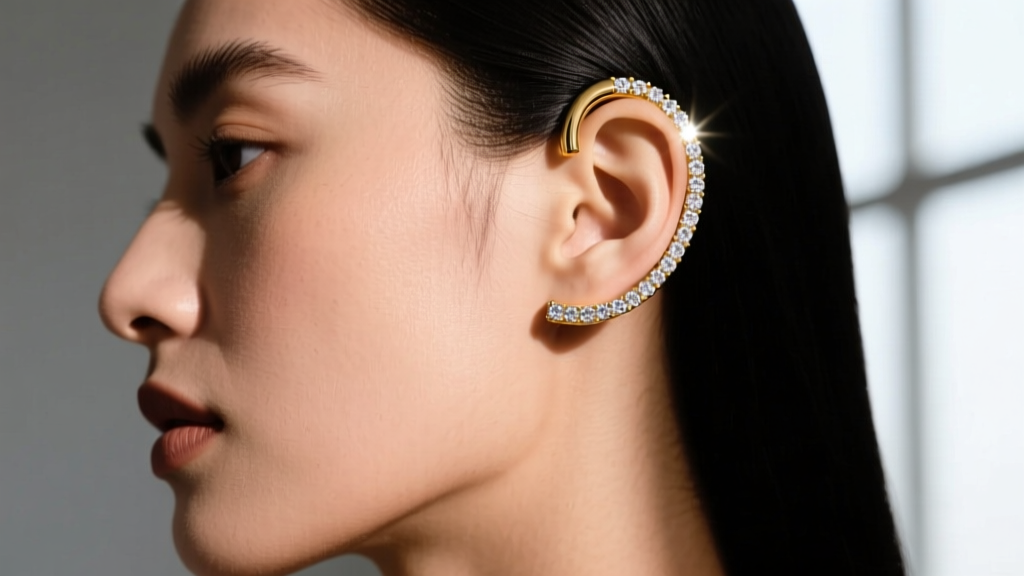
For those who wish to participate in the Valentine's Day aesthetic without committing to new piercings, structural ear cuffs have emerged as the premier alternative. Unlike the flimsy, easily lost wrap-around cuffs of the past decade, 2026's iterations feature precision-engineered tension fits and hinged magnetic closures designed specifically for the conch, rook, and upper helix contours.
The most innovative designs this year incorporate a 'bleeding heart' motif, where an architectural, geometric heart shape appears to wrap organically around the ear's cartilage fold. These pieces are typically cast in 3D using CAD software to ensure the inner diameter perfectly mirrors the average human ear anatomy, usually ranging between 8mm and 11mm for the upper cartilage. When styling these cuffs, balance is essential; pair a bold, structural cuff on the upper ear with a simple, 3mm bezel-set diamond or moissanite stud on the lobe to anchor the visual weight.
Technical Specifications: Gauge, Materials, and Pricing
To navigate the market effectively, buyers must understand the baseline technical specifications and fair pricing tiers for premium valentines earrings. The table below outlines the expected standards for 2026's leading trends.
| Trend Style | Ideal Gauge | Material Grade | Avg Price Range | Best Piercing Type |
|---|---|---|---|---|
| Asymmetrical Drop & Huggie | 16g (1.2mm) | 14k Solid Gold / ASTM F136 Titanium | $350 - $850 | Standard Lobe / Lower Helix |
| Oxidized Mixed-Metal Huggie | 18g (1.0mm) | Recycled 925 Silver / 2.5μ 18k Vermeil | $120 - $280 | Standard Lobe / Upper Lobe |
| Structural Tension Ear Cuff | N/A (Cuff) | 18k Gold Plated Brass / Solid Bronze | $85 - $200 | Non-Pierced Conch / Helix |
| Micro-Pave Cartilage Climber | 16g (1.2mm) | Platinum 950 / Lab-Grown Diamonds | $900 - $2,200 | Flat / Forward Helix |
Face Shape & Piercing Placement Matrix
Styling avant-garde valentines earrings requires a strategic approach to facial geometry. The wrong placement can overwhelm delicate features, while the right curation can beautifully frame the face. Use this actionable framework to guide your styling or gifting decisions:
- Heart-Shaped Faces: Opt for bottom-heavy asymmetrical drops or chandelier styles that add visual width to the jawline. Avoid large, top-heavy ear cuffs that emphasize a wider forehead. A 12mm rose gold huggie on the lobe paired with a delicate 18g helix stud provides perfect equilibrium.
- Oval Faces: The most versatile canvas. Oval faces can effortlessly carry structural, oversized ear cuffs and dramatic, elongated drop earrings. Experiment with a bold, oxidized silver conch cuff paired with an intricate lobe climber.
- Square Faces: Soften strong jawlines with curved, organic motifs. Look for valentines earrings featuring fluid, wave-like designs or rounded micro-pave hoops. Avoid harsh, geometric squares or rigid, linear drops that mirror the jaw's natural angles.
- Round Faces: Create the illusion of length with elongated, linear drop earrings or vertical cartilage climbers. A sleek, 16g titanium barbell adorned with a single, marquise-cut gemstone draws the eye downward, providing a flattering, elongating effect.
Sourcing and Authenticity: What to Look For
As the demand for niche, trend-driven jewelry spikes around February, the market inevitably floods with low-quality, mass-produced imitations. Protecting your skin and your investment requires vigilance regarding material sourcing. Nickel allergies are among the most common contact allergies, and the Mayo Clinic emphasizes that prolonged exposure to nickel-releasing alloys can cause severe, chronic dermatitis. Always demand ASTM F136 implant-grade titanium or solid 14k/18k gold for any jewelry intended for fresh or healing piercings, as these materials are strictly regulated and biocompatible.
True luxury in modern jewelry is not just about the carat weight; it is about the precision of the hinge, the biocompatibility of the alloy, and the intentionality of the design.
When shopping for valentines earrings, scrutinize the clasp mechanisms. A high-quality huggie should feature a seamless hinge with a satisfying, audible 'click' upon closure, indicating a precisely machined locking pin. If the closure feels loose, requires excessive force to snap shut, or leaves a visible gap at the seam, the piece is likely mass-cast with poor quality control and will degrade rapidly with daily wear.
Final Styling Verdict for February 2026
The 2026 valentines earrings landscape is a triumph of technical craftsmanship and individualized expression. By embracing asymmetrical layouts, exploring the moody depths of oxidized mixed metals, and utilizing precision-engineered structural cuffs, you can curate an ear aesthetic that is deeply romantic yet undeniably modern. Approach your purchases with a critical eye toward gauge specifications, vermeil thickness, and clasp integrity, and you will secure pieces that transcend the holiday, becoming enduring staples in your fine jewelry rotation.


