Earring Back Screw Gold: Material & Durability Guide
Discover the best materials for your earring back screw gold. We compare 14k vs 18k gold, titanium, and threading types for lasting durability.

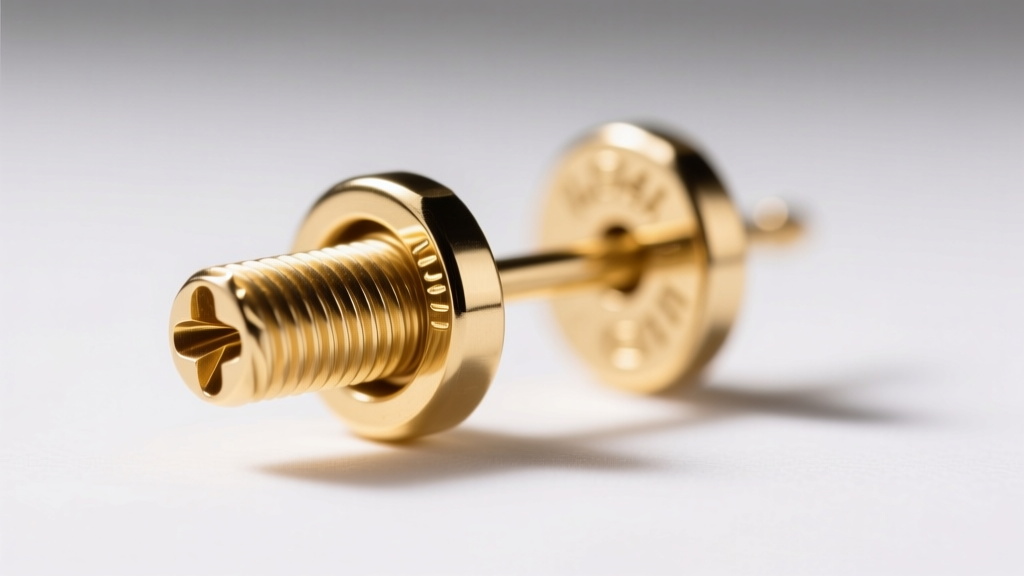
Losing a fine jewelry earring is a frustrating and expensive experience. While standard friction backs (butterfly clutches) rely on tension that degrades over time, a secure screw mechanism offers unparalleled peace of mind. However, when shopping for an earring back screw gold set, the metallurgical properties of the chosen alloy dictate not just the aesthetic, but the mechanical longevity of the threads. Soft metals strip, plated metals flake, and improper threading can damage both the jewelry and your piercing.
In this comprehensive material comparison guide, we analyze the Vickers hardness, thread durability, and biocompatibility of various gold alloys and alternative metals used in threaded earring backs, providing you with the technical knowledge to make an informed purchase.
The Mechanics of Threaded Earring Posts
Before evaluating the materials, it is essential to understand the physical forces at play. Threaded earring components rely on microscopic ridges (threads) to create friction and mechanical lock. The standard gauge sizes for threaded fine jewelry are:
- 18 Gauge (1.0mm): Common for standard lobe studs and delicate diamond solitaires.
- 16 Gauge (1.2mm): The standard for cartilage piercings (helix, tragus) and heavier gold hoops.
- 14 Gauge (1.6mm): Used for heavy statement pieces and industrial barbells.
The thread pitch (the distance between threads) must be machined with extreme precision. If the metal is too soft, the sheer force of twisting the earring back will cause the threads to shear off, resulting in a stripped screw that can no longer secure the earring.
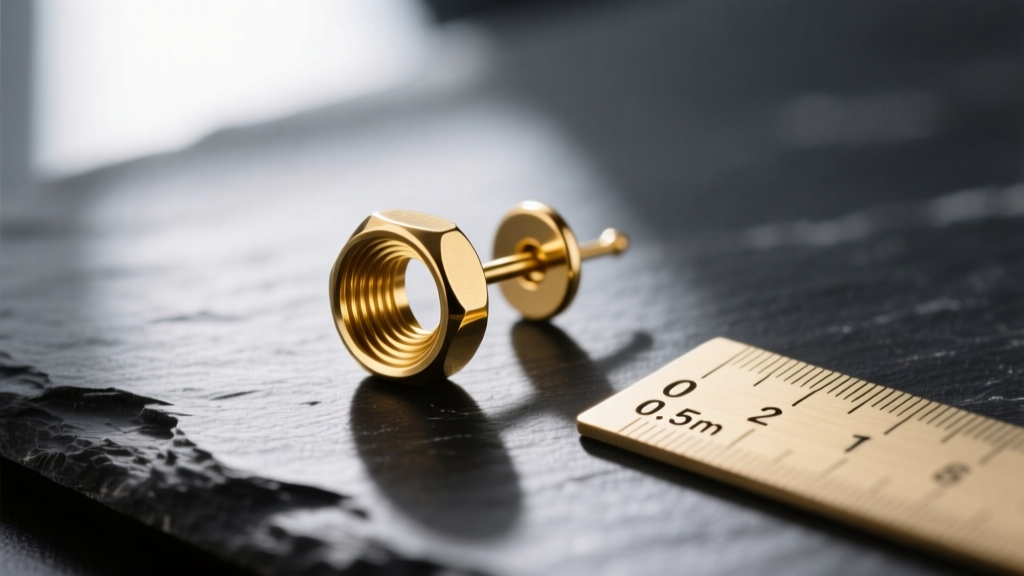
Gold Alloys for Screw Backs: 14k vs. 18k vs. 24k
Pure gold is notoriously soft. To create durable jewelry, it is alloyed with metals like copper, silver, zinc, and sometimes nickel. The karat system denotes the purity, which directly correlates to the metal's Vickers Hardness (HV)—a critical metric for thread durability.
24k Gold (99.9% Pure)
With a Vickers hardness of roughly 25 HV, 24k gold is entirely unsuitable for threaded components. While it is the most hypoallergenic and richest in color, an earring back screw made of 24k gold will strip upon the first few uses. It is strictly reserved for bezel settings or cast decorative elements where mechanical threading is not required.
18k Gold (75% Pure)
18k gold offers a beautiful, deep yellow hue and a hardness ranging from 120 to 140 HV, depending on the specific alloy mix. While acceptable for earring backs, 18k gold threads can wear down over years of daily twisting. According to the Gemological Institute of America (GIA), the presence of copper and silver in 18k alloys provides adequate strength for most fine jewelry, but heavy-handed tightening can still lead to cross-threading.
14k Gold (58.3% Pure)
14k gold is the undisputed champion for gold threaded mechanisms. With a hardness of 140 to 160 HV, it possesses the tensile strength required to maintain sharp, precise threads over decades of use. If you are investing in an earring back screw gold system for daily wear, 14k gold offers the optimal balance of precious metal value and mechanical resilience. Ensure it is nickel-free (often alloyed with palladium or silver for white gold) to prevent contact dermatitis.
The Gold-Filled and Plated Trap
Never use gold-plated or gold-filled components for threaded backs. The friction of screwing and unscrewing will quickly wear away the microscopic layer of gold, exposing the base metal (usually brass or copper). This not only causes severe allergic reactions but also leads to galvanic corrosion, which will permanently fuse the back to the post.
Material Comparison Matrix
The following table compares the most common materials used for threaded earring backs, evaluating their mechanical and biological properties.
| Material | Vickers Hardness (HV) | Thread Durability | Hypoallergenic | Avg. Price Range |
|---|---|---|---|---|
| 24k Gold | ~25 | Poor (Strips easily) | Yes | $300+ |
| 18k Gold | ~125 - 140 | Moderate | Mostly | $150 - $250 |
| 14k Gold (Nickel-Free) | ~140 - 160 | Excellent | Yes | $80 - $150 |
| Grade 23 Titanium | ~330 | Superior | Yes | $40 - $90 |
| Platinum (950) | ~110 (Highly malleable) | Excellent | Yes | $400+ |
| 316L Surgical Steel | ~150 - 190 | Excellent | No (Contains Nickel) | $15 - $30 |
Alternative Metals for High-Tension Threading
While gold is the traditional choice for fine jewelry, modern metallurgy offers alternatives that outperform gold in sheer mechanical strength.
Implant-Grade Titanium (Ti6Al4V ELI)
For cartilage piercings or those with severe metal sensitivities, Grade 23 Titanium is the gold standard. With a hardness exceeding 300 HV, titanium threads will outlast the earring itself. The Association of Professional Piercers (APP) mandates implant-grade titanium for fresh piercings due to its biocompatibility and lack of nickel. Many high-end jewelers now offer 14k gold decorative fronts paired with titanium threaded posts to maximize both aesthetics and thread strength.
Platinum
Platinum is unique. While its Vickers hardness (~110 HV) is technically lower than 14k gold, it is highly malleable and dense. Instead of wearing away or snapping, platinum threads tend to deform slightly and can be re-cut or polished by a jeweler without losing structural integrity. It is entirely hypoallergenic but commands a premium price.

Internal vs. External Threading: A Crucial Distinction
When evaluating an earring back screw gold design, you must determine whether the jewelry is internally or externally threaded.
- External Threading: The threads are cut into the post that passes through your ear. This is common in mass-produced fine jewelry. The sharp edges of the threads can micro-tear the fistula (piercing channel) during insertion, leading to irritation bumps.
- Internal Threading: The post is completely smooth, and the threads are housed inside the decorative end or the backing component. This is the hallmark of luxury, body-safe jewelry. The smooth post glides through the ear without causing trauma.
Expert Tip: If you are purchasing a high-value diamond or gemstone stud, always insist on internally threaded or threadless (press-fit) mechanisms. External threading on gold posts is a sign of cost-cutting in the manufacturing process.
Maintenance and Troubleshooting Stripped Threads
Even the highest quality 14k gold threads can fail if subjected to lateral pressure or cross-threading. Here is how to maintain and troubleshoot your threaded earring backs:
- The 'Lefty-Loosey' Alignment Trick: Before tightening your earring back, place it on the post and turn it counter-clockwise (left) until you feel a subtle 'click' or drop. This means the threads are perfectly aligned. Then, turn clockwise to tighten. This prevents cross-threading, which destroys gold threads instantly.
- Debris Removal: Skin cells, sebum, and soap scum accumulate in the threads, creating friction that mimics stripping. Clean the threads weekly using a soft-bristled toothbrush and isopropyl alcohol. Avoid ultrasonic cleaners on threaded backs if they contain small gemstone accents, as the vibrations can loosen the settings.
- Fixing a Stripped Gold Back: If your 18k or 14k gold earring back screw feels loose, do not attempt to squeeze it with pliers, as this will warp the cylindrical housing. Take it to a bench jeweler. They can use a specialized tap and die set to re-cut the internal threads or solder a new threaded sleeve into the backing.
Conclusion
Choosing the right earring back screw gold configuration is an exercise in balancing metallurgy, mechanics, and biology. While 18k gold offers superior color, 14k gold provides the necessary Vickers hardness to maintain thread integrity over a lifetime of wear. For the ultimate combination of luxury and durability, seek out nickel-free 14k gold or pair your favorite gold decorative ends with internally threaded implant-grade titanium posts. By understanding the material properties and threading mechanics detailed above, you can secure your fine jewelry with absolute confidence.


