Georgian Earrings Care: Cleaning & Maintenance Guide
Discover expert care, cleaning, and maintenance tips for fragile Georgian earrings. Learn how to protect foil-backed gems and antique gold settings.

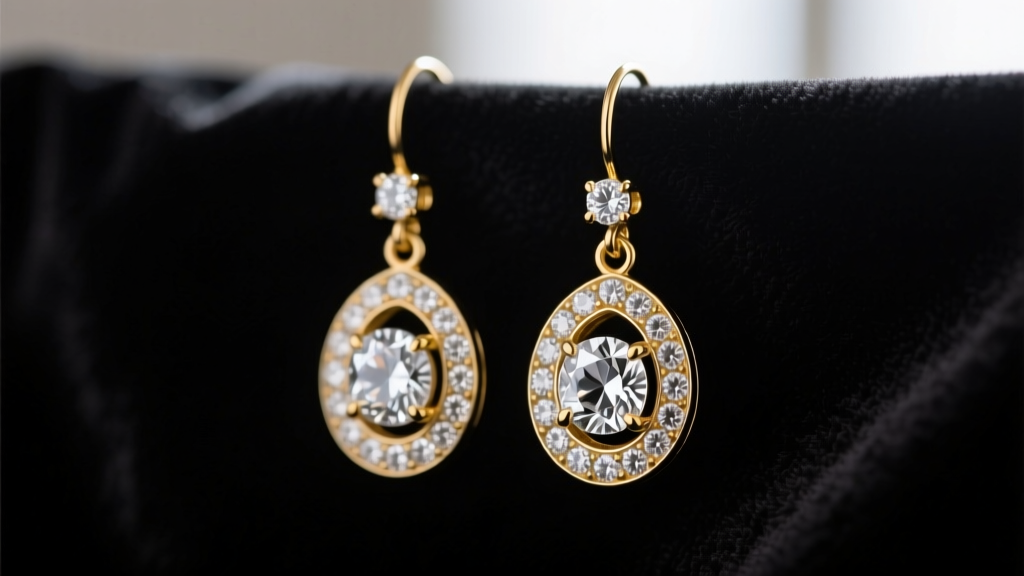
Owning a pair of authentic Georgian earrings (dating from 1714 to 1837) is akin to holding a piece of wearable history. Unlike modern jewelry, these antique treasures were crafted entirely by hand, featuring intricate metalwork, early diamond cuts, and specialized gem-setting techniques that are virtually extinct today. However, their age and unique construction demand a highly specialized approach to maintenance. As of 2026, museum-grade conservation principles remain the gold standard for preserving these fragile artifacts. This comprehensive guide will walk you through the exact protocols for cleaning, storing, and maintaining Georgian earrings without compromising their historical integrity or structural stability.
The Unique Anatomy of Georgian Earrings
To properly care for Georgian earrings, you must first understand how they were built. The most defining characteristic of early Georgian gem-set jewelry is the closed-back collet setting. Before the invention of modern brilliant cuts, gemstones (and faceted lead glass, known as 'paste') relied on reflective foil placed behind the stone to amplify their sparkle. To protect this delicate foil from moisture and skin acids, jewelers sealed the back of the setting with a smooth metal plate.
Furthermore, many diamond and paste earrings from this era utilize silver-topped gold. Because early silver-topped gold settings were designed with a layer of silver on the front to prevent the yellow tint of gold from reflecting into colorless stones, the silver front is highly susceptible to tarnish, while the gold back remains unaffected. Understanding this dual-metal anatomy is critical before you ever pick up a polishing cloth.
The Golden Rule: Never Submerge Foil-Backed Gems
If you remember only one rule from this guide, let it be this: never submerge Georgian earrings in water or liquid cleaners. The reflective foil used in the 18th and early 19th centuries was typically made of extremely thin silver or copper. Even a microscopic breach in the collet seal will allow moisture to seep behind the stone. Once trapped, the water causes the foil to oxidize, turn black, and eventually disintegrate. When the foil degrades, the gemstone instantly loses its brilliance, appearing dull, gray, or 'dead.' According to the Lang Antique Jewelry University, replacing original Georgian foil is a highly invasive procedure that significantly diminishes the piece's historical value and should only be attempted by master conservators.
Step-by-Step Dry Cleaning Method
Because liquid is strictly prohibited for foil-backed stones, your primary cleaning method must be mechanical and entirely dry. Follow this precise protocol to safely remove centuries of dust, skin oils, and cosmetic residue.
- Step 1: The Initial Inspection. Use a 10x jeweler's loupe to inspect the collets (the metal claws holding the stone). If any claws are lifted or if the back seal shows micro-cracks, stop cleaning and consult a professional.
- Step 2: Dry Dusting. Use a clean, soft-bristled goat-hair makeup brush. Goat hair is exceptionally soft and will not scratch the metal or the stones. Gently sweep the brush across the face of the earrings, paying special attention to the crevices around the rose-cut diamonds or paste stones.
- Step 3: Targeted Debris Removal. For stubborn dirt packed into the metalwork, use a dry, soft wooden orange stick (commonly used for cuticle care). The wood is softer than both gold and silver, ensuring you will not scratch the antique metal while gently dislodging grime.
- Step 4: Microfiber Buffing. Lightly buff the sealed gold backs and the ear wires with a dry, lint-free microfiber cloth to remove surface oils.
Caring for Early Gold Alloys and Silver Settings
Georgian gold was not standardized by hallmarking in the same way modern gold is. Earrings were often crafted in 18k or 15k gold, and sometimes in silver-topped gold. The silver fronts of these earrings will naturally develop a dark patina (tarnish) due to exposure to sulfur in the air and skin.
"In the antique jewelry trade, the dark patina on the silver fronts of Georgian pieces is often considered highly desirable. It provides a dramatic contrast that makes rose-cut diamonds pop and serves as a visual guarantee of the piece's age and authenticity."
Do not use commercial silver dips, polishing creams, or treated jewelry cloths on the silver fronts. These products contain mild abrasives and chemical strippers that will remove the historic patina and can easily seep into the collet edges, destroying the foil beneath the stones. If the silver is excessively black and obscures the design, a conservator can carefully reduce the tarnish using a specialized, non-abrasive chemical swab, but this is not a DIY task.
Cleaning Agents: What to Use vs. What to Avoid
The market is flooded with jewelry cleaning solutions, but 95% of them are actively dangerous to antique Georgian earrings. Refer to the table below to ensure you are using safe materials.
| Cleaning Agent / Tool | Effect on Georgian Earrings | Verdict |
|---|---|---|
| Ultrasonic Cleaners | High-frequency vibrations will shatter fragile paste (glass) and shake loose delicate collet claws. | NEVER USE |
| Ammonia-Based Dips | Strips historic patina, destroys silver foil, and causes irreversible clouding in early paste stones. | NEVER USE |
| Warm Soapy Water | Risks compromising the collet seal, leading to moisture ingress and foil oxidation. | AVOID |
| Goat-Hair Brush | Safe, non-abrasive mechanical removal of dust and loose debris from stone facets. | HIGHLY RECOMMENDED |
| Wooden Orange Stick | Soft enough to prevent metal scratching while effectively lifting packed dirt from crevices. | RECOMMENDED |
Maintaining Fragile Ear Wires and Fittings
Ear wires on Georgian earrings are notoriously fragile. Many surviving pairs feature their original 18th-century shepherd hooks or top hooks, which were hand-forged from relatively soft, high-karat gold or silver. Over 200+ years of use, the metal at the loop where the wire attaches to the earring body undergoes immense tensile stress, leading to metal fatigue and micro-fractures.
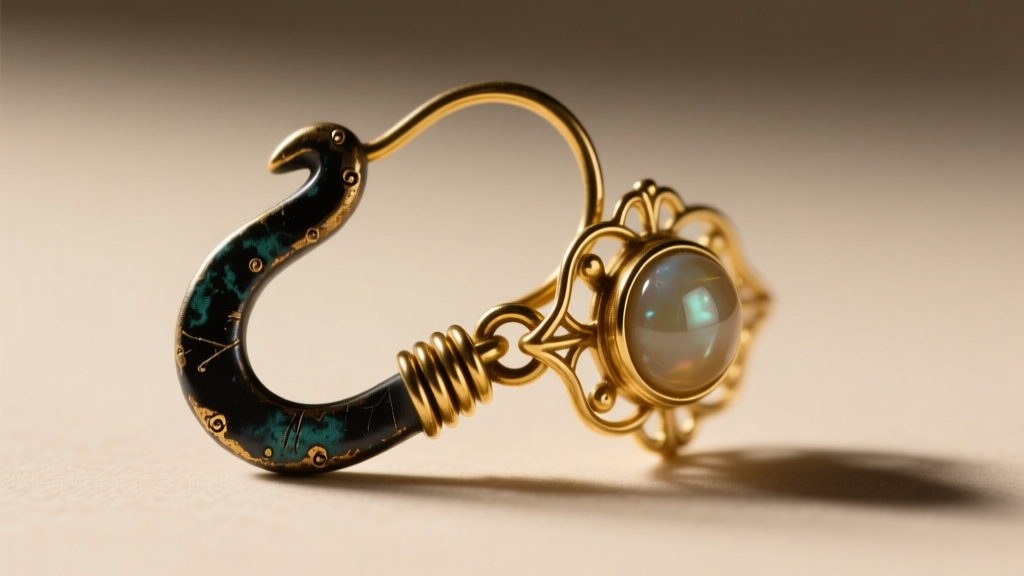
When handling the earrings, never pull or bend the wires to open them; this will snap the fatigued metal. If the earrings have been converted to modern lever-backs or screw-backs (a common practice in the mid-20th century), be aware that the solder used in those conversions may be dangerously close to the heat-sensitive paste stones or the foil backing. The Victoria and Albert Museum's conservation guidelines strongly advise against attempting any DIY soldering or wire bending on antique pieces, as the heat transfer can instantly melt historical glass paste or scorch the internal foil.
Storage and Environmental Controls
Proper storage is just as critical as cleaning. The primary enemies of Georgian earrings are humidity, sulfur, and physical abrasion.
- Humidity Control: Store your earrings in a sealed environment with silica gel packets to maintain a low-humidity microclimate. This prevents ambient moisture from attacking the silver foil and the silver-topped settings.
- Anti-Tarnish Materials: Wrap the earrings in Pacific Silvercloth or place them in specialized anti-tarnish zip bags. These materials absorb sulfur compounds from the air before they can react with the silver.
- Isolation: Never store Georgian earrings loose in a jewelry box. The rose-cut diamonds and faceted paste stones have varying degrees of hardness. If they rub against modern brilliant-cut diamonds or harder gemstones, the antique stones will suffer severe surface abrasions and chipping.
When to Consult an Antique Jewelry Conservator
While routine dry dusting is safe for owners to perform, certain conditions require immediate professional intervention. If you notice a 'rattle' when you gently shake the earring, it indicates that a stone is loose within its collet or that the internal foil has completely detached and crumbled. Similarly, if you spot a dark, cloudy shadow beneath a gemstone, the silver foil has oxidized and requires professional restoration. Attempting to pry open a closed-back collet at home will permanently warp the historic metalwork and destroy the piece's value. Always seek out a certified antique jewelry conservator who specializes in pre-Victorian artifacts to ensure your Georgian earrings survive for the next century.


