Martini vs Basket Setting Diamond Earrings: Deep Comparison
Discover the structural and visual differences in martini vs basket setting diamond earrings. Learn which metal design maximizes sparkle and security.

The Architecture of Diamond Studs: Why the Setting Matters
When investing in high-carat solitaire studs, the debate of martini vs basket setting diamond earrings extends far beyond mere aesthetics. It is fundamentally a question of physics, metallurgy, and optical engineering. The setting dictates how light interacts with the diamond's pavilion, how the metal's weight distributes across the earlobe, and how the prongs endure decades of microscopic stress. While both settings serve the primary function of securing a precious gemstone, their structural blueprints yield vastly different wearing experiences and visual outcomes.
According to the Gemological Institute of America (GIA), a diamond's brilliance is heavily dependent on unobstructed light entry through both the crown and the pavilion. The metal architecture of your earring setting directly influences this light path. Below, we dissect the material properties, structural failure modes, and optical trade-offs of the two dominant solitaire earring settings on the market.
Martini Settings: Minimalist Metal, Maximum Light
Structural Profile and Metal Weight
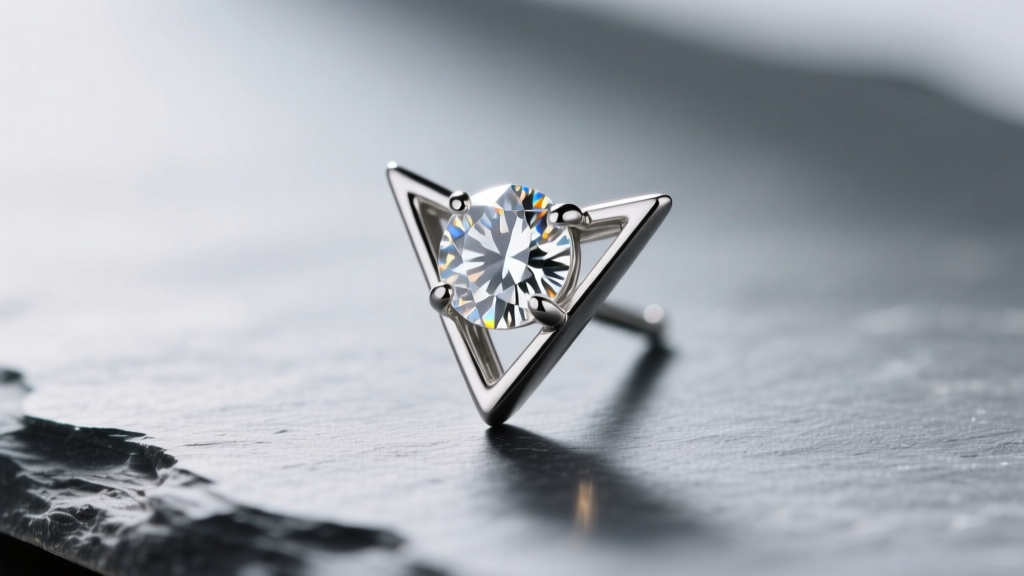
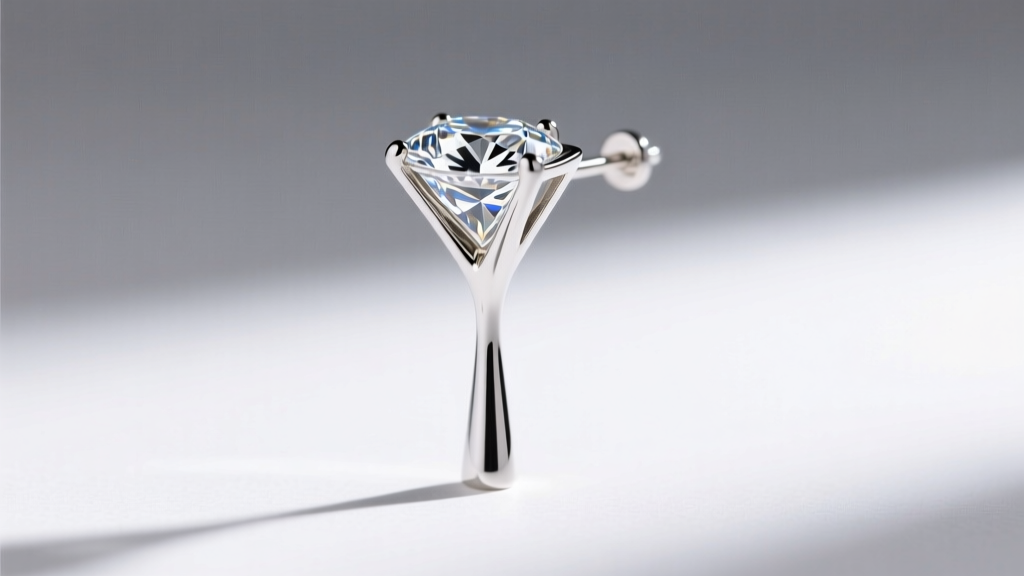
The martini setting is named for its resemblance to a cocktail glass. Typically featuring three prongs that taper down into a single, narrow V-shaped base before meeting the earring post, this design is the epitome of metallurgical minimalism. A standard 14k or 18k gold martini head for a 1.00-carat diamond weighs between 1.0 and 1.4 grams. This drastic reduction in metal weight serves a specific optical purpose: it leaves the lower pavilion and culet of the diamond entirely exposed.
Because light return is the primary metric of a diamond's visual performance, the martini setting allows ambient light to enter the bottom 30% of the stone unimpeded. For diamonds with exceptional cut grades, this unobstructed pavilion maximizes scintillation and fire, making the stone appear visibly larger and more brilliant than it would in a heavier mounting.
The 'Earlobe Droop' Factor and Center of Gravity
However, the martini's structural elegance introduces a mechanical vulnerability: a high center of gravity. Because the post attaches at the very bottom vertex of the V-shape, the diamond sits relatively far forward from the earlobe's pivot point. For stones under 0.75 carats, this is negligible. But once you cross the 1.25-carat threshold per ear, the forward weight distribution inevitably causes the dreaded 'earlobe droop.' The earring tilts downward, hiding the crown of the diamond and pressing the sharp culet uncomfortably against the neck.
Basket Settings: The Fortress of Solitaire Security
Base Plate Mechanics and Weight Distribution
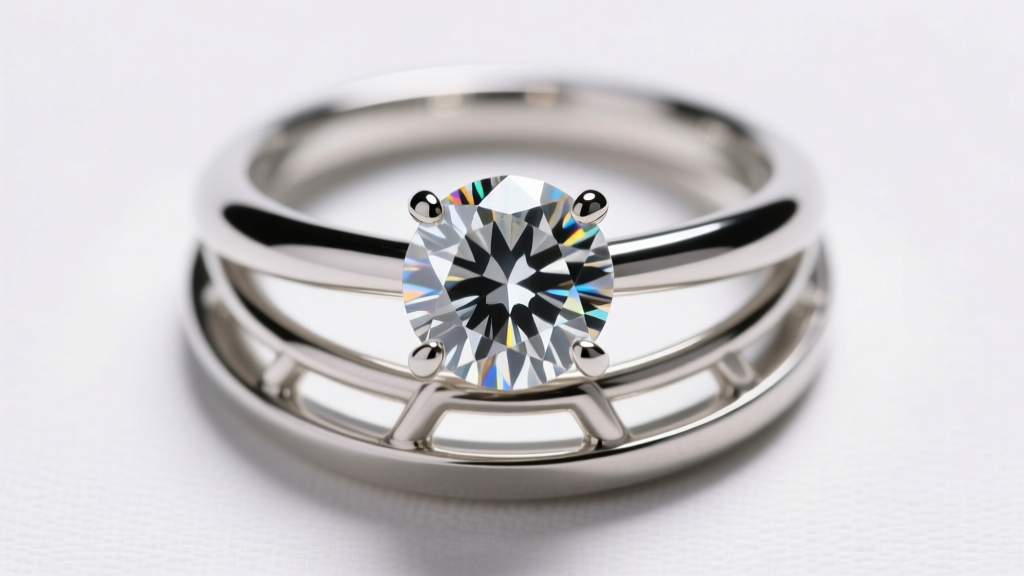
In stark contrast, the basket setting utilizes a horizontal gallery—a flat or slightly domed metal base plate from which four or six prongs emerge. This design mimics the structural integrity of a traditional engagement ring head. A platinum basket setting for a 1.50-carat diamond can easily weigh between 2.5 and 3.5 grams. This additional metal mass is not merely decorative; it acts as a counterbalance and a weight-distribution platform.
The earring post is soldered directly to the center of this flat base plate. This lowers the center of gravity and distributes the diamond's weight across a wider surface area of the earlobe. As noted in Blue Nile's comprehensive earring setting guide, basket settings are the industry standard for heavy, high-carat stones precisely because they sit flush against the ear, virtually eliminating the droop effect even for 3.00-carat total weight pairs.
Light Performance Trade-offs and Pavilion Obstruction
The undeniable trade-off for this structural stability is optical obstruction. The solid metal base plate of a basket setting completely blocks light from entering the culet and the lowest tier of pavilion facets. While a well-cut diamond draws the vast majority of its light from the crown and upper pavilion, blocking the bottom 15% of the stone can result in a marginal loss of brilliance. In advanced optical imaging like an ASET (Angular Spectrum Evaluation Tool) map, the basket's base plate may manifest as a minor central obstruction, though it is rarely noticeable to the naked eye in stones with excellent proportions.
Head-to-Head: Martini vs Basket Setting Diamond Earrings
To synthesize the material and structural differences, refer to the comparison matrix below. This framework should guide your purchasing decision based on your specific diamond carat weight and earlobe anatomy.
| Feature | Martini Setting | Basket Setting |
|---|---|---|
| Prong Configuration | 3 Prongs (Typically) | 4 or 6 Prongs |
| Average Metal Weight | 1.0g - 1.5g | 2.2g - 3.5g+ |
| Center of Gravity | High (Forward tilt risk) | Low (Flush against lobe) |
| Pavilion Light Return | Maximum (Unobstructed) | Moderate (Base plate blocks culet) |
| Security & Durability | Moderate (Prone to bending if snagged) | High (Reinforced horizontal gallery) |
| Ideal Carat Range (Per Ear) | 0.25ct to 1.00ct | 1.25ct to 5.00ct+ |
Material Grades, Alloys, and Prong Durability
The choice between martini vs basket setting diamond earrings is deeply intertwined with the precious metal alloy you select. The physical properties of the metal dictate how thin the prongs can be cast before they become a liability.
Platinum 950 vs. Karat Gold Alloys
Platinum (specifically 950/50 Ruthenium or Iridium alloys) is dense, malleable, and possesses high tensile strength. Unlike gold, which can suffer from stress corrosion cracking or snap cleanly when bent, platinum tends to stretch and work-harden. This makes Platinum 950 the superior choice for the ultra-thin, delicate prongs of a martini setting. If a martini prong snags on a sweater, a gold prong might snap off entirely, resulting in a lost diamond. A platinum prong will simply bend, allowing a jeweler to easily push it back into place.
Conversely, 14k and 18k gold alloys are harder but more brittle. These alloys are excellent for the thicker, more robust prongs of a basket setting, where the horizontal gallery provides secondary structural support. Using 14k white gold for a heavy basket setting provides a rigid, scratch-resistant housing that maintains its shape over decades of daily wear, often at a 30% to 40% lower price point than its platinum equivalent.
Rhodium Plating and Long-Term Maintenance
From a maintenance perspective, the basket setting's wider base plate presents a larger surface area of metal against the skin. If you opt for 14k or 18k white gold, this increased metal surface means more area subject to rhodium plating wear. White gold alloys naturally possess a faint yellowish-gray tint and require periodic rhodium dipping to maintain a bright white luster. A basket setting will typically require re-plating every 12 to 18 months due to friction against the neck and hair, whereas the minimal metal footprint of a martini setting can often go 24 months or more before the underlying alloy becomes visible.
Final Verdict: Matching the Setting to Your Diamond
There is no universally superior design; the optimal choice depends entirely on the physical dimensions of your diamonds and the physiological realities of your earlobes. If you are purchasing a pair of 0.75-carat total weight studs with an Ideal cut grade, the martini setting in Platinum 950 is the undisputed champion. It will maximize the stone's light return, sit perfectly on a standard earlobe, and provide a sleek, modern profile.
However, if you are investing in a 2.00-carat total weight pair, the basket setting is a structural necessity. The wide base plate will prevent the earrings from sagging, ensuring the diamonds remain parallel to the ground and visible to the world. Pair the basket setting with jumbo friction backs or screw-backs to further stabilize the heavy metal architecture, ensuring your investment remains secure and brilliantly displayed for a lifetime.
Expert Troubleshooting Tip: If you already own martini settings that suffer from earlobe droop, you do not necessarily need to remount the diamonds. Upgrading to specialized silicone earring lifters or heavy-duty jumbo friction backs (measuring 8mm to 10mm in diameter) can artificially lower the pivot point on the back of the earlobe, counteracting the forward weight of the V-shaped setting and restoring a flush, forward-facing profile.