Expert Care and Cleaning Guide for Dome Hoop Earrings
Learn how to clean, polish, and store your dome hoop earrings. Expert tips for gold, silver, and plated metals to prevent tarnish and scratches.
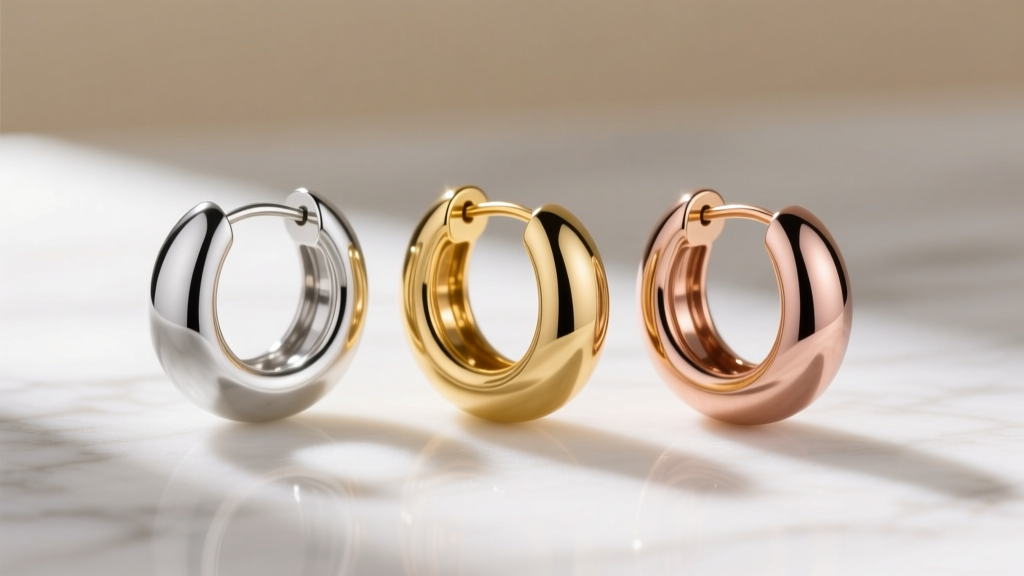
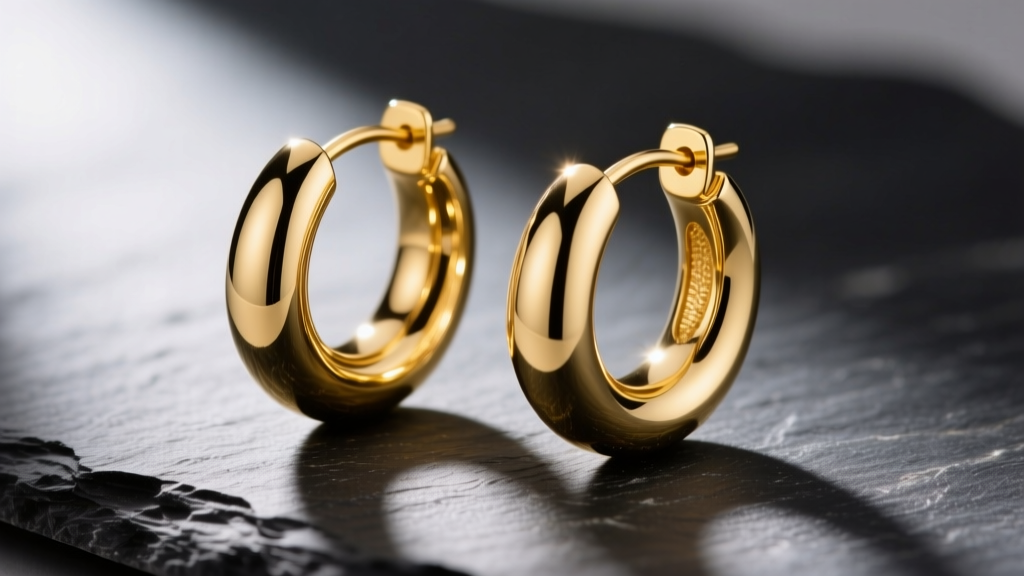
Dome hoop earrings represent a masterclass in modern jewelry design, offering the visual impact of a large hoop with the sleek, continuous geometry of a dome. However, their expansive, high-polish surface area makes them uniquely susceptible to fingerprints, micro-scratches, and environmental tarnish. Because many dome hoops are crafted from hollow or semi-hollow sheet metal—typically stamped from 20 to 24-gauge thickness to keep the weight manageable for the earlobe—they require a highly specialized care regimen compared to solid cast jewelry. In this comprehensive guide, we break down the exact metallurgical considerations and step-by-step maintenance protocols to keep your dome hoops pristine.
The Anatomy of Dome Hoops and Vulnerability Points
Unlike traditional solid wire hoops, dome hoops are often constructed from two stamped halves of sheet metal soldered together at the seam. This hollow architecture drastically reduces the weight, allowing you to wear a 40mm or 50mm diameter hoop without stretching your earlobe piercing. However, this design introduces specific vulnerabilities. Moisture and sweat can become trapped inside the hollow chamber if the seam has microscopic porosity, leading to internal oxidation that is impossible to wipe away. Furthermore, the post and hinge mechanism—usually crafted from thicker 18-gauge or 20-gauge wire to support the dome's weight—creates friction points where skin oils and dead skin cells accumulate, requiring targeted sanitization.
Material-Specific Cleaning Protocols
Solid 14k and 18k Gold
Solid gold is highly resistant to tarnish but acts as a magnet for sebum and lotions, which can dull the high-mirror finish of a dome hoop. To clean solid gold, mix three drops of phosphate-free, mild dish soap (like Dawn) into a bowl of lukewarm distilled water. Avoid tap water, as the chlorine and hard minerals can leave microscopic water spots on the curved surface. Submerge the earrings for five minutes, then gently agitate the water. Do not use a bristle toothbrush; the stiff nylon bristles can cause micro-marring on the expansive dome surface. Instead, use a lint-free cotton swab to gently clean the hinge and post area. Rinse with distilled water and dry immediately using a blast of compressed air or a hairdryer on the cool setting to prevent water spots.
Sterling Silver (925) and Oxidation Removal
Sterling silver dome hoops are prone to silver sulfide tarnish, which manifests as a yellowish or blackish film. For light tarnish, a dedicated silver polishing cloth impregnated with jeweler's rouge is sufficient. For heavy, stubborn oxidation, utilize an electrochemical reduction bath. Line a glass bowl with aluminum foil (shiny side up), place the silver dome hoops inside, and add one tablespoon of baking soda and a pinch of salt. Pour boiling water over the mixture. The chemical reaction will transfer the sulfur from the silver to the aluminum foil within 60 seconds. Remove the earrings with wooden tongs, rinse thoroughly, and dry completely. Never use abrasive toothpaste or baking soda pastes directly on the dome, as the grit will permanently scratch the high-polish finish.
The Ultrasonic Cleaner Warning
While ultrasonic cleaners are a staple in professional jewelry workshops, they are exceptionally dangerous for hollow dome hoop earrings. Ultrasonic machines work through cavitation—creating millions of microscopic vacuum bubbles that implode against the jewelry to dislodge dirt. When these implosions occur against the thin 22-gauge sheet metal of a hollow dome, the shockwaves can cause the soldered seam to split or create microscopic stress fractures. Additionally, if your dome hoops are gold vermeil (a thick layer of gold over sterling silver), the high-frequency vibrations can cause the gold layer to delaminate and peel away from the base metal. Stick to manual, gentle cleaning methods for all dome silhouettes.
Cleaning Agents Compatibility Matrix
| Metal Type | Safe Cleaners | Strictly Avoid | Polishing Method |
|---|---|---|---|
| 14k/18k Solid Gold | Mild dish soap, distilled water | Bleach, chlorine, ammonia | Microfiber cloth |
| Sterling Silver (925) | Aluminum foil bath, silver dip | Abrasive pastes, toothpaste | Impregnated silver cloth |
| Gold Vermeil | Damp microfiber only | Ultrasonic, chemical dips, alcohol | Do not polish aggressively |
| Gold Plated (Brass) | Dry wipe | Water, all liquid chemicals | Soft cotton ball |
Polishing High-Mirror Finishes Without Micro-Marring
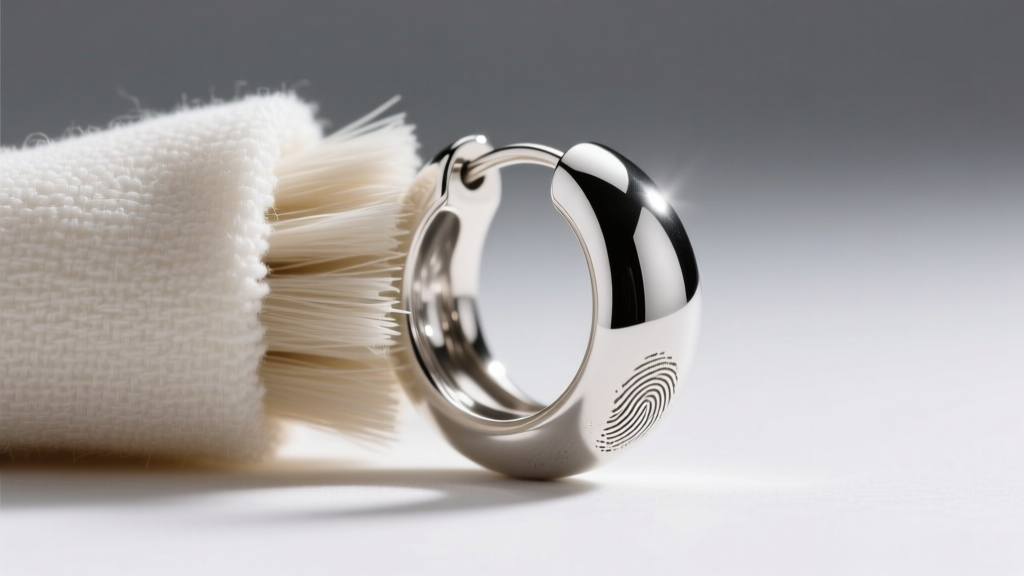
The expansive, curved surface of a dome hoop acts like a magnifying glass for scratches. When polishing, you must consider the Mohs hardness scale. Pure gold is exceptionally soft (2.5-3), while sterling silver is slightly harder (3-4). Polishing cloths contain micro-abrasives that intentionally remove a microscopic layer of metal to reveal the pristine layer beneath. If you aggressively rub a dome hoop with a standard polishing cloth, you risk creating directional 'swirl marks' that catch the light and ruin the mirror effect. Always buff in small, gentle, overlapping circular motions. For gold vermeil dome hoops, avoid polishing cloths entirely; the abrasives will strip the 2.5-micron gold plating down to the silver base. Instead, simply buff vermeil with a clean, dry, ultra-plush microfiber cloth to remove skin oils and restore the shine.
Storage and Tarnish Prevention
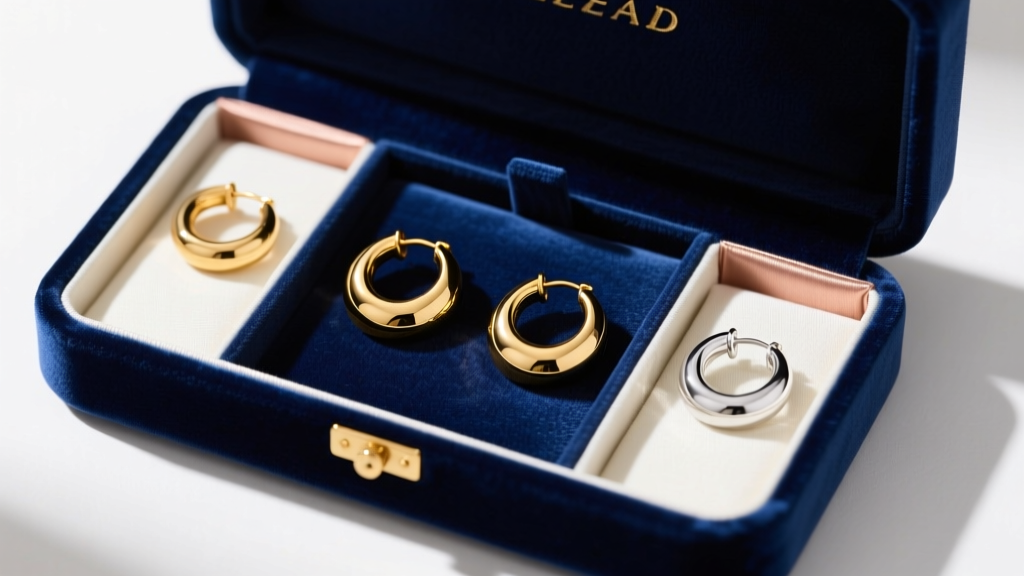
Tarnish requires two elements to form: sulfur and moisture. Because dome hoops have a large surface area exposed to the air, proper storage is non-negotiable. Never toss your dome hoops loosely into a communal jewelry box where they can rub against harder gemstones or other metal alloys, which will cause deep, irreversible scratches. Store each pair in its own individual polyethylene ziplock bag, squeezing out as much air as possible before sealing. Place a small silica gel packet inside the bag to control relative humidity (RH), keeping it below 40%. For sterling silver dome hoops, add a 3M anti-tarnish strip to the bag; these strips absorb airborne sulfur compounds before they can react with the silver. Keep the bags inside a lined jewelry box away from direct sunlight and heat sources.
Troubleshooting Dents, Snags, and Hinge Failure
Because hollow dome hoops are made from thin sheet metal, they are highly susceptible to denting if dropped on a hard tile floor or squeezed during travel. If your dome hoop sustains a dent, do not attempt to pop it out with a needle, pin, or toothpick. You will almost certainly puncture the thin metal, ruining the structural integrity and exposing the hollow interior to moisture. A professional jeweler can repair minor dents using specialized resin filling techniques or by carefully manipulating the metal with custom-shaped mandrels, followed by laser welding if the seam has cracked.
Another common issue is hinge failure. The rotational friction of opening and closing a dome hoop daily can cause the tiny hinge pin to loosen, resulting in a sagging earring that doesn't click securely into the catch. If the post feels loose or wiggles side-to-side, stop wearing the earring immediately to prevent the post from snapping off. A jeweler can tighten the hinge pin or replace the clutch mechanism in a matter of minutes. Regularly wipe the post with a cotton swab dipped in 70% isopropyl alcohol to sanitize the metal and remove the microscopic debris that accelerates hinge wear.
Expert Insight: Never sleep in your dome hoop earrings. The pressure of your head against the pillow will easily warp the thin sheet metal dome and bend the 18-gauge post, altering the alignment of the hinge and making the earring impossible to close securely.
For more comprehensive guidelines on precious metal maintenance and gemstone care, consult the educational resources provided by the Jewelers of America or the Gemological Institute of America (GIA). By adhering to these specialized protocols, your dome hoop earrings will maintain their architectural brilliance and mirror-like reflectivity for decades.


