Apatite Earrings: A Beginner's Guide to Buying and Care
Discover everything about apatite earrings. Learn about this vibrant gemstone's durability, best earring settings, pricing, and proper care.

The Hidden Gem of the Jewelry World
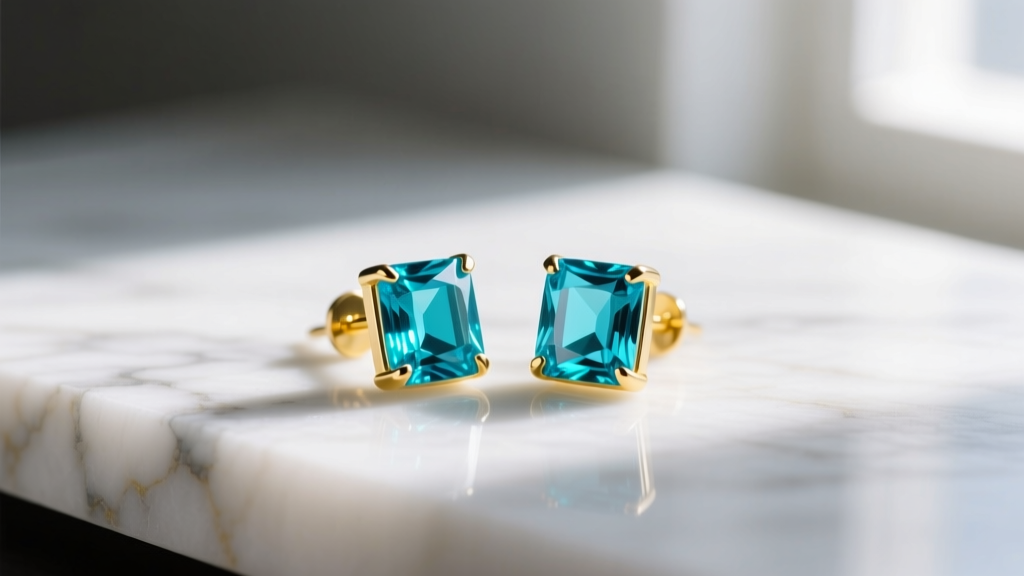
When most beginners start exploring colored gemstone jewelry, they immediately gravitate toward sapphires, emeralds, and rubies. However, if you are looking for vibrant, electric colors without the luxury price tag, apatite earrings are one of the best-kept secrets in the gemological world. Known for its striking neon blue-green hues that closely mimic the wildly expensive Paraiba tourmaline, apatite offers a stunning visual impact for a fraction of the cost.
But buying apatite requires a different approach than buying diamonds or quartz. Because of its unique physical properties, it demands specific setting styles and careful maintenance. This beginner-friendly guide will walk you through everything you need to know about choosing, wearing, and caring for apatite earrings so you can enjoy their brilliant colors for years to come.
What Exactly is Apatite?
Before we dive into earring styles, it helps to understand the stone itself. Apatite is actually a group of phosphate minerals, and it is the exact same mineral that makes up human teeth and bones. However, the gem-grade apatite used in jewelry is a rare, transparent, and highly crystalline version of this mineral.
Gemologists prize apatite for its incredible color range. While it can be found in yellow, purple, pink, and colorless varieties, the most sought-after type is the neon blue-green apatite, primarily mined in Madagascar. According to the Gemological Institute of America (GIA), this specific color is caused by trace amounts of rare earth elements, giving it a glowing, electric appearance that is highly prized in modern jewelry design.
Understanding Durability: The Mohs Scale Factor
The most critical piece of information a beginner must know about apatite is its hardness. On the Mohs scale of mineral hardness, apatite sits right at a 5. To put that in perspective:
- Diamond: 10
- Sapphire/Ruby: 9
- Quartz (Amethyst/Citrine): 7
- Apatite: 5
- Window Glass: 5.5
Because it is softer than the dust in the air (which often contains microscopic quartz particles that rate a 7), apatite can easily become scratched or abraded if subjected to daily friction. This is precisely why apatite is rarely recommended for engagement rings or everyday bracelets, but it is absolutely perfect for earrings.
Expert Insight: Earrings are the ideal application for softer gemstones. Unlike rings that constantly bump into doorframes and tables, earrings remain safely away from high-impact environments, allowing a Mohs 5 stone like apatite to remain pristine for decades.
Best Earring Settings for Apatite Stones
Because apatite has a distinct cleavage plane and moderate brittleness, the way the stone is set in the metal is just as important as the stone itself. When shopping for apatite earrings, look for these protective settings:
1. The Bezel Setting (Highly Recommended)
A bezel setting features a thin rim of metal that completely encircles the girdle (the outer edge) of the gemstone. This is the safest choice for apatite studs or drops. It protects the most vulnerable part of the stone from chipping if the earring is accidentally dropped on a hard bathroom floor.
2. The Halo Setting
If you prefer the look of prongs, opt for a halo setting. A halo of smaller, harder diamonds or white sapphires acts as a physical bumper guard around the central apatite stone, absorbing impacts that might otherwise fracture the softer center stone.
3. Secure Prong Settings
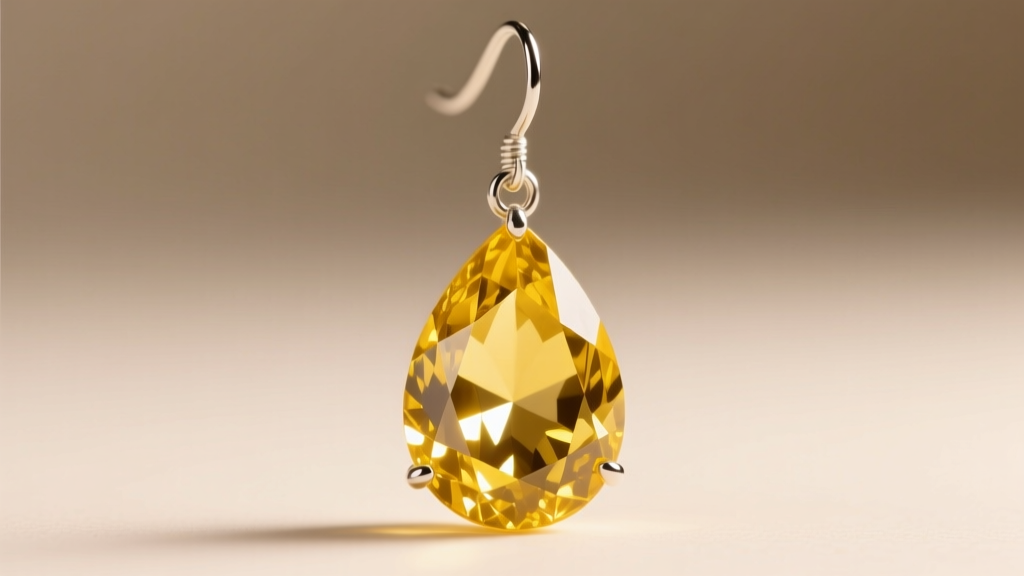
If you choose a traditional prong setting for an apatite drop earring, ensure the jeweler uses at least four thick, sturdy prongs. Avoid delicate, minimalist two-prong tension settings, as the pressure can cause internal stress fractures in the apatite over time.
Apatite Earrings Buying Guide & Pricing Matrix
One of the biggest advantages of apatite is its affordability. However, pricing varies wildly based on color saturation, origin, and clarity. Below is a general pricing framework for finished apatite earrings in 2026, assuming standard 14k gold or sterling silver settings.
| Color Variety | Typical Origin | Price Range (Per Pair, Set) | Clarity Expectations |
|---|---|---|---|
| Neon Blue-Green | Madagascar | $150 - $450+ | Eye-clean to slightly included |
| Lemon Yellow | Madagascar / Maine | $80 - $200 | Highly transparent, eye-clean |
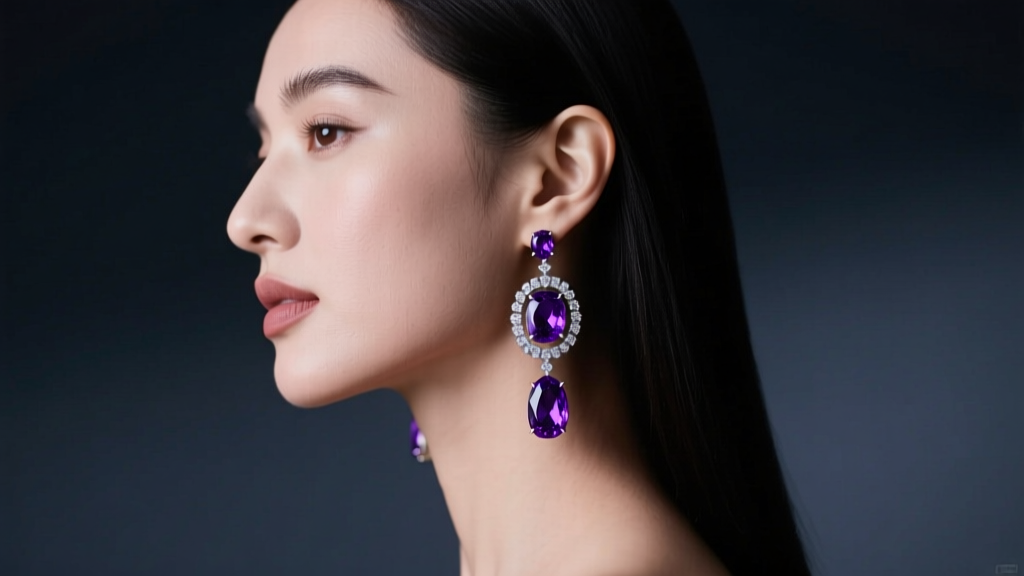
| Deep Purple | Madagascar | $120 - $300 | Moderate inclusions common |
| Green (Asparagus) | Various | $60 - $150 | Often heavily included |
Note: Always ask the seller if the apatite has been heat-treated. While Mindat.org notes that most apatite is naturally colored, some lighter stones are gently heated to improve color uniformity. This is an accepted industry practice, but should be disclosed.
Sizing and Post Gauges for Apatite Earrings
When buying apatite studs, pay attention to the metal post thickness (gauge). Because apatite is often cut into slightly larger carat weights to maximize its color, the earrings can be heavier than standard diamond studs.
- Standard Lobe Piercings: Look for 20-gauge (0.8mm) or 18-gauge (1.0mm) posts. If the apatite stone is over 2 carats per ear, an 18-gauge post is necessary to prevent the earring from drooping forward.
- Cartilage / Helix Piercings: If you are placing an apatite stud in a cartilage piercing, you will likely need a 16-gauge (1.2mm) post. However, be cautious: sleeping on apatite cartilage studs can easily chip the stone against your pillow. Reserve apatite for lobe wear or take them out before bed.
How to Clean and Store Your Apatite Jewelry
Improper cleaning is the number one way beginners ruin their apatite earrings. Because of its chemical composition and hardness, you must avoid standard jewelry cleaning methods.
What to NEVER Do:
- No Ultrasonic Cleaners: The high-frequency vibrations will easily shatter apatite, especially if the stone has microscopic internal liquid inclusions (which are very common in this gem).
- No Steam Cleaners: Sudden thermal shock from hot steam can cause the stone to fracture instantly.
- No Harsh Chemicals: Avoid bleach, ammonia, or ultrasonic jewelry dips, as apatite is a phosphate and can react to strong acids and bases, dulling its polish.
The Safe Cleaning Method:
- Mix a few drops of mild, phosphate-free dish soap into a bowl of lukewarm water.
- Drop the apatite earrings in and let them soak for 3 to 5 minutes.
- Gently agitate the water. If there is stubborn lotion buildup behind the stone, use an extra-soft baby toothbrush to lightly sweep the area. Do not scrub the face of the gem.
- Rinse under a gentle stream of lukewarm water (ensure the drain is plugged!).
- Pat dry with a lint-free microfiber cloth.
Final Thoughts on Wearing Apatite
Apatite earrings are a phenomenal choice for the beginner collector who wants bold, electric colors without the fear of losing a massive financial investment. By choosing protective settings like bezels, ensuring the correct post gauge for your ear anatomy, and strictly avoiding ultrasonic cleaners, your neon blue or vibrant yellow apatite earrings will remain a stunning, conversation-starting staple in your jewelry box for a lifetime.


