Aphmau Earrings: Technical Guide to Cosplay Cat Cuffs & Studs
Master the technical specs of Aphmau earrings. Explore material grades, weight limits for cat-ear cuffs, and safe gauge sizes for anime cosplay jewelry.

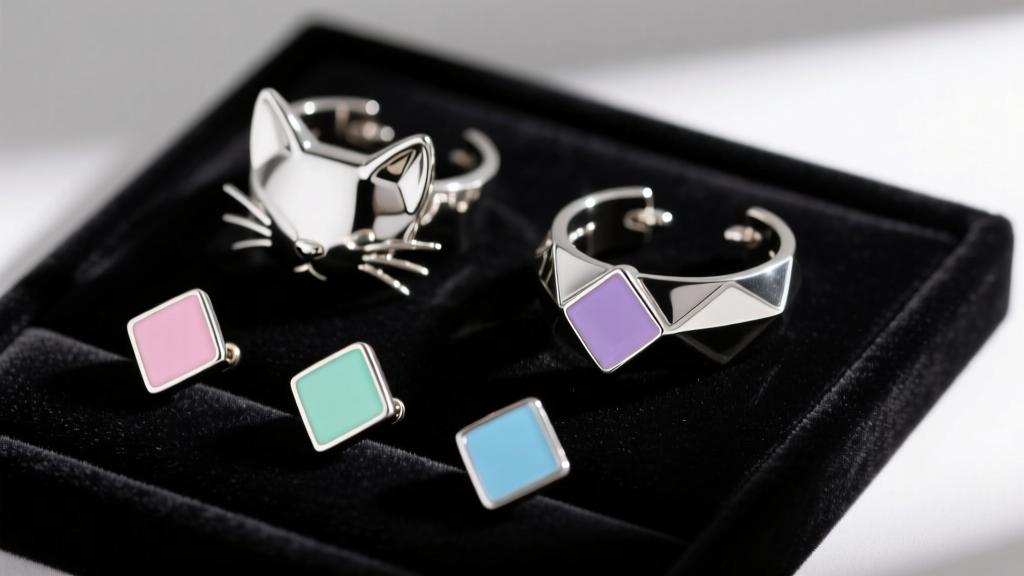
In the 2026 cosplay and gaming community, the search for 'Aphmau earrings' extends far beyond simple merchandise. Fans and cosplayers replicating the iconic Minecraft roleplay and anime-inspired aesthetics of creator Aphmau require highly specific jewelry pieces. This typically encompasses three distinct categories: feline cartilage cuffs, pixel-art enamel studs, and oversized anime-style dangles. However, translating these bold, digital designs into wearable, physically safe jewelry requires a deep understanding of material science, weight distribution, and ear anatomy. This expert guide breaks down the technical specifications required to source, wear, and maintain these specialized cosplay earrings without causing tissue damage or contact dermatitis.
The Biomechanics of Feline Cartilage Cuffs
Cat ear cuffs are a staple of the Aphmau-inspired aesthetic, designed to mimic feline ears sitting on the upper cartilage (the helix or scapha) without the need for a piercing. The structural integrity of these cuffs relies entirely on the tensile strength and memory of the metal used.
Wire Gauge and Tension Mechanics
Most mass-produced ear cuffs are stamped from 0.8mm (20-gauge) or 1.0mm (18-gauge) sheet metal or wire. When adjusting a C-shaped cuff to fit your specific cartilage ridge, you are altering the metal's crystalline structure. Repeated bending causes 'work hardening,' which makes the metal brittle. If you are using a zinc alloy or low-grade brass cuff, adjusting it more than three or four times will result in metal fatigue and a clean snap. For long-term cosplay wear, you must source cuffs made from annealed metals or specifically engineered spring-tempered stainless steel, which can withstand repeated compression without losing its clamping force.
Clamping Force and Tissue Ischemia
A common failure mode in cartilage cuffs is excessive clamping pressure, which restricts blood flow (ischemia) and causes localized necrosis or severe discomfort after a few hours at a convention. The ideal clamping force for a helix cuff should not exceed 1.5 Newtons. To achieve this, look for cuffs that feature an internal silicone or PTFE (Teflon) lining. This lining increases the coefficient of friction, allowing the cuff to grip the ear securely with significantly less mechanical pressure on the delicate cartilage tissue.
Material Science: Enamel, Resin, and Base Metals
When commissioning or purchasing Minecraft pixel-art studs or anime-themed drops, the material composition dictates both the visual fidelity and the biological safety of the piece. The American Academy of Dermatology frequently warns against the high nickel release rates found in cheap cosplay jewelry, which is a primary culprit for allergic contact dermatitis.
| Material Grade | Common Use | Nickel Release | Durability & Weight | Price Range (Per Pair) |
|---|---|---|---|---|
| Zinc Alloy (Tibetan Silver) | Mass-market pixel studs | High (Allergy Risk) | Heavy, prone to oxidation | $3 - $8 |
| 316L Surgical Steel | Custom enamel dangles | Low (Safe for most) | Durable, moderate weight | $15 - $35 |
| ASTM F136 Titanium | Posts and cartilage cuffs | Zero (Hypoallergenic) | Extremely durable, lightweight | $40 - $80 |
| UV-Cured Epoxy Resin | 3D anime charms | N/A (Plastic) | Lightweight, scratches easily | $10 - $25 |
Hard Enamel vs. Soft Enamel for Pixel Art
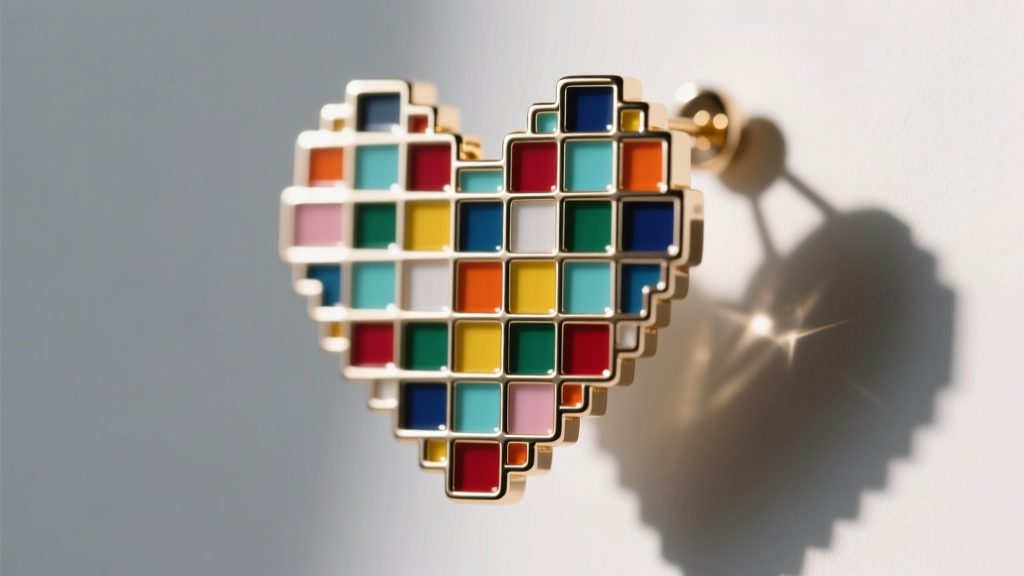
For Minecraft-style blocky earrings, the manufacturing process matters. Soft enamel leaves the metal borders raised, creating a textured, tactile surface that easily traps skin oils and makeup. Hard enamel (cloisonné) is polished flat, creating a seamless, glass-like finish. Hard enamel is vastly superior for cosplay jewelry as it resists chipping and is significantly easier to sanitize after a long day on the convention floor.
Weight Distribution and the 'Cheese Cutter' Effect
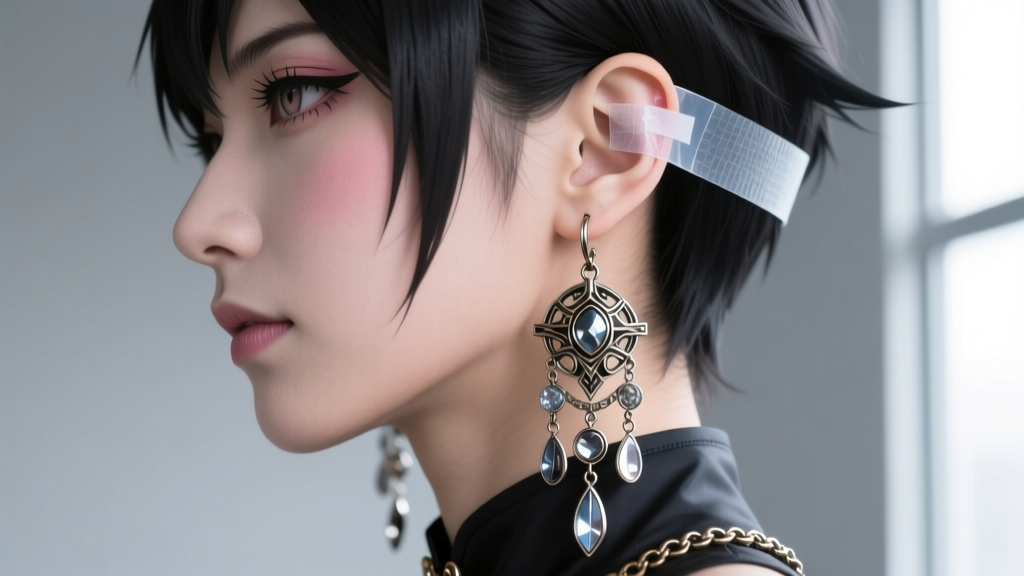
Oversized anime dangles, often featuring large resin gems or layered metal charms, are notoriously heavy. A standard lobe piercing can comfortably support everyday earrings weighing up to 10-15 grams. However, elaborate cosplay dangles frequently exceed 25-35 grams. According to guidelines from the Association of Professional Piercers, sustained heavy loads on standard 20-gauge (0.81mm) or 18-gauge (1.02mm) lobe piercings will trigger the 'cheese cutter effect'—a slow, downward migration of the jewelry that permanently elongates and tears the fistula.
Engineering Solutions for Heavy Dangles
To safely wear heavy Aphmau-inspired dangles without destroying your earlobes, implement the following structural supports:
- French Wire to Flat Back Conversion: Swap standard fishhook wires for flat-back labret posts. The flat disc (usually 4mm to 6mm in diameter) distributes the downward shear force across a much wider surface area of the posterior earlobe.
- Cosmetic Support Patches: Use invisible, medical-grade adhesive support patches (such as Lobe Wonder). These stickers feature a reinforced micro-mesh center that bears the physical load of the earring post, entirely bypassing the pierced tissue.
- Silicone O-Rings: If using post-style dangles, secure the back with a 4mm silicone O-ring rather than a standard metal butterfly clutch. The high-friction silicone prevents the heavy earring from drooping forward, keeping the weight vector aligned directly through the piercing channel.
Commissioning Custom Cosplay Jewelry
If you are commissioning a jeweler on platforms like Etsy or via independent CAD designers for custom Aphmau-themed pieces, you must provide exact technical specifications to ensure the final product is wearable. Do not simply send a screenshot of the avatar. Provide the following data points to your fabricator:
- Maximum Weight Limit: Specify a hard cap (e.g., 'Must not exceed 12g per earring').
- Post Thickness: Mandate an 18-gauge (1.0mm) or 16-gauge (1.2mm) post thickness for any heavy dangles to resist bending under their own weight.
- Center of Gravity: For asymmetrical or large geometric shapes, request that the jump ring or post be soldered slightly above the geometric center to prevent the earring from flipping upside down when worn.
Maintenance and Oxidation Prevention
Cosplay environments are harsh on jewelry. Sweat, humidity, and cosmetic products like setting sprays will rapidly accelerate the oxidation of base metals and degrade certain resins. To maintain the pristine finish of your enamel and metal pieces, avoid ultrasonic cleaners, as the high-frequency vibrations can shatter the bond between hard enamel and the metal backing. Instead, clean your pieces using a mild, phosphate-free dish soap and a microfiber cloth. For storage, keep your cat ear cuffs and enamel studs in an airtight anti-tarnish bag with a silica gel desiccant packet to halt atmospheric oxidation between convention wears.


