Gift Guide 2026: Stunning Aquamarine Earrings Hoops
Discover the ultimate 2026 gift guide for aquamarine earrings hoops. Learn about gemstone grading, hoop sizing, metal pairings, and occasion matching.

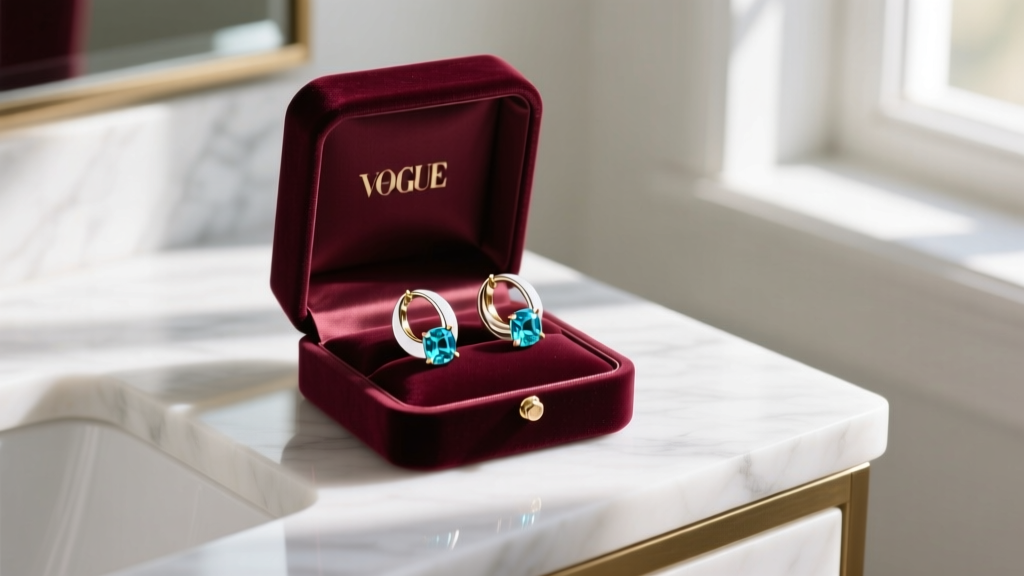
Finding a gift that balances everyday wearability with breathtaking elegance is a perennial challenge. As we navigate the jewelry trends of 2026, one specific silhouette continues to dominate wish lists: the classic hoop, reimagined with the serene, oceanic hues of beryl. If you are shopping for a milestone birthday, a 19th anniversary, or a bridal party, aquamarine earrings hoops offer a masterclass in versatile luxury. Unlike fragile drops or easily lost studs, hoops provide a secure, continuous frame for the face while allowing the gemstone’s exceptional clarity to shine.
However, not all hoops or aquamarines are created equal. This comprehensive guide cuts through the marketing fluff, providing you with the exact gemological specs, structural mechanics, and pricing frameworks you need to make an informed purchase.
Gemstone Grading: Decoding the Blue
When evaluating aquamarine, the Gemological Institute of America (GIA) notes that color is the single most critical value factor. Aquamarine is a variety of the mineral beryl, colored by trace amounts of iron. While the stone naturally occurs in a range of pale blues and blue-greens, the market heavily favors pure, saturated blues.
The 'Santa Maria' Standard
For a premium gift, look for stones graded as 'Santa Maria' (named after the legendary Brazilian mine). These stones exhibit a deep, vivid blue without any green or yellow modifiers. Because natural, unheated Santa Maria aquamarines of significant carat weight are exceptionally rare and command premium prices (often exceeding $1,000 per carat), most commercial jewelry utilizes heat-treated stones. According to the American Gem Society, heating aquamarine to around 400°C to remove greenish tint is a permanent, universally accepted industry practice that does not diminish the stone's intrinsic value.
Clarity and Cut
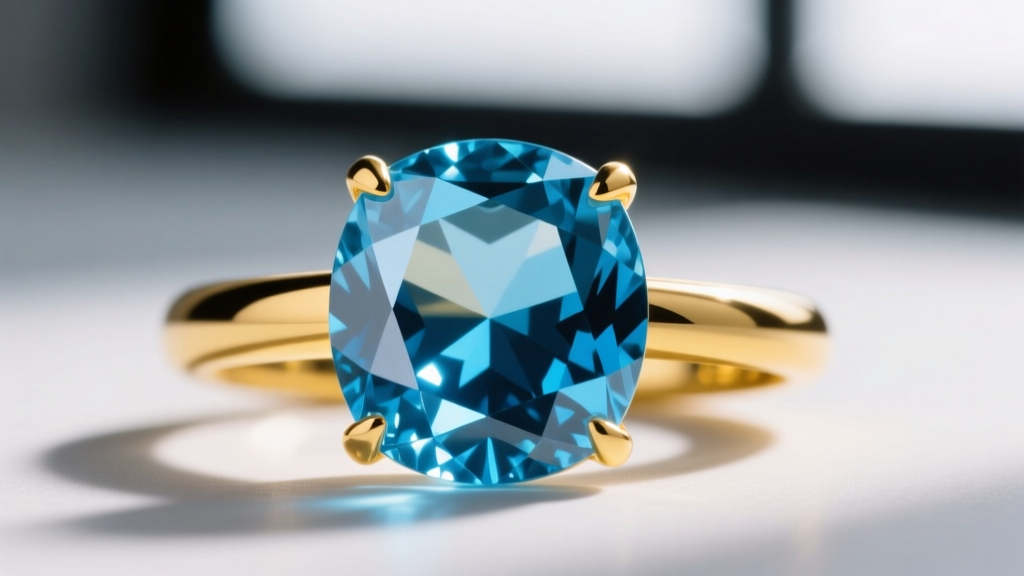
Aquamarine is a Type I clarity gemstone, meaning it is typically 'eye-clean.' If you can see inclusions (like liquid feathers or biotite flakes) with the naked eye in a faceted hoop earring, the stone is of lower commercial grade. For hoops, emerald cuts and oval brilliant cuts are preferred, as they maximize the stone's color saturation while minimizing the risk of chipping at the girdle during daily wear.
Hoop Architecture: Sizing, Gauges, and Mechanics
The structural integrity of the hoop is just as important as the gemstone. A poorly engineered clasp or an overly thin wire will result in a lost earring. When shopping for aquamarine hoops, pay strict attention to the wire gauge and the closure mechanism.
- Wire Gauge: Standard lobe piercings are typically 18-gauge (1.0mm) or 20-gauge (0.8mm). If the recipient has stretched lobes or prefers a more substantial feel, opt for 16-gauge (1.2mm) hoops. For cartilage piercings (like the helix), 16-gauge is the standard to prevent the 'cheese-cutter effect' where thin wire migrates through the tissue.
- Clasp Types: Avoid simple friction posts for hoops. Look for hinged snap-back closures (common in huggies) or latch-back closures (common in medium-to-large hoops). A secure latch should produce an audible 'click' when closed.
Sizing Guide by Occasion
| Hoop Style | Diameter | Best For | Gift Occasion |
|---|---|---|---|
| Huggies | 10mm - 15mm | Everyday wear, cartilage, active lifestyles | Graduation, Bridesmaids, 'Just Because' |
| Standard Medium | 20mm - 30mm | Office wear, dinner dates, versatile styling | 19th Anniversary, Milestone Birthdays |
| Statement Large | 40mm - 60mm+ | Evening wear, editorial fashion, red carpet | Major Anniversaries, Galas |
The Metal Matrix: Choosing the Right Alloy
The metal alloy you select will dramatically alter the visual temperature of the aquamarine. In 2026, we are seeing a massive shift away from purely monochromatic looks toward intentional contrast.
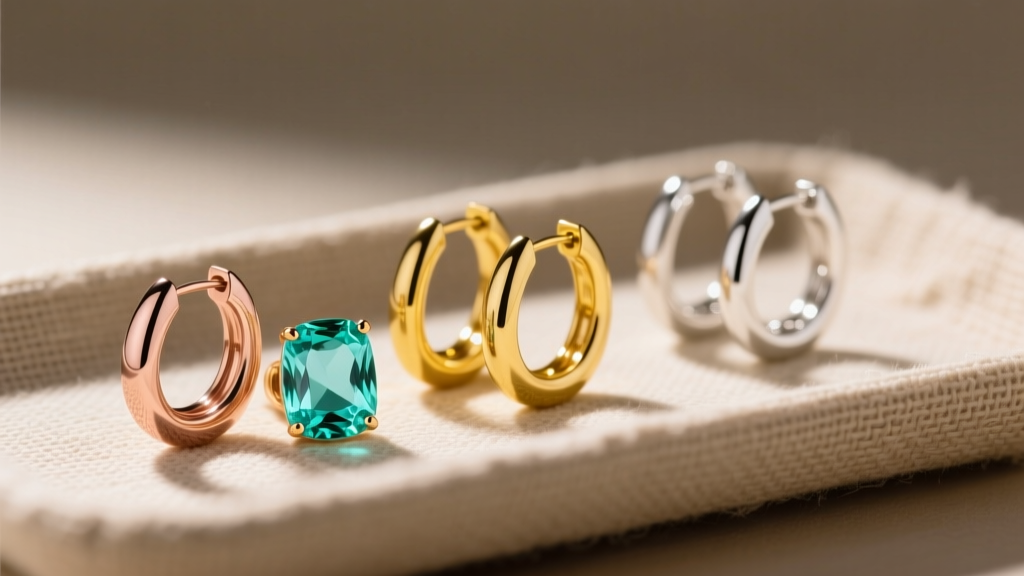
- 14k or 18k White Gold / Platinum: The traditional choice. The cool, silvery tones of white gold or platinum amplify the icy blue of the aquamarine, creating a cohesive, modern aesthetic. Platinum is highly recommended for large, heavy hoops due to its superior tensile strength and hypoallergenic properties.
- 14k Yellow Gold: Yellow gold provides a striking, vintage-inspired contrast to the blue stone. This pairing is currently trending in 'quiet luxury' circles, offering a warm, sun-drenched Mediterranean vibe that is particularly flattering on olive and deeper skin tones.
- 14k Rose Gold: The subtle pink/copper undertones of rose gold create a soft, romantic harmony with pale blue aquamarine. This is an excellent choice for bridal party gifts or romantic anniversaries.
Budget Breakdown: Natural vs. Lab-Created
Understanding the origin of the gemstone is crucial for setting your budget. Aquamarine is a prime candidate for lab-creation, and buyers must know what they are paying for.
Natural Earth-Mined Aquamarine
Natural aquamarine carries the romance of geological history. For a pair of 20mm hoops featuring a total of 2.00 carats of natural, AAA-grade, eye-clean aquamarine set in 14k gold, expect to pay between $800 and $2,500. If the stones are certified unheated Santa Maria origin, the price can easily triple. Always request a lab report from a reputable institution like GIA or AGL for natural stones over $1,500.
Lab-Grown (Hydrothermal) Aquamarine
Lab-grown aquamarine is chemically, physically, and optically identical to its mined counterpart. It is grown using the hydrothermal method, which mimics the natural formation process. A pair of lab-grown aquamarine hoops of identical size and color saturation will typically cost between $250 and $600. This is an outstanding option for buyers who want maximum carat weight and flawless clarity on a moderate budget, or for younger recipients (like high school graduates) who might be prone to losing jewelry.
Care and Maintenance: Preserving the Polish
Aquamarine ranks at 7.5 to 8 on the Mohs hardness scale. While this makes it durable enough for daily wear in earrings (which suffer less impact than rings), it is still susceptible to scratching from harder materials like diamonds, sapphires, or even dust (which contains quartz, hardness 7). Always store aquamarine hoops in a soft fabric-lined jewelry box, separate from harder gems.
Furthermore, aquamarine can be sensitive to sudden temperature changes and harsh chemicals. Advise the recipient to remove their hoops before using chlorine-based cleaning products or entering hot tubs. For routine cleaning, a simple solution of warm water, a drop of mild dish soap, and a soft-bristled baby toothbrush is all that is required to restore the stone's brilliance. Avoid ultrasonic cleaners, especially if the aquamarine has liquid inclusions or internal fractures, as the high-frequency vibrations can cause the stone to fracture.
Occasion Matching: The Final Decision Framework
To finalize your gift choice, map the recipient's lifestyle to the earring specifications. According to traditional anniversary guidelines noted by The Knot, aquamarine is the official gemstone for the 19th wedding anniversary. For this milestone, opt for 18k white gold medium hoops (25mm) featuring emerald-cut natural aquamarines—the emerald cut symbolizes enduring clarity and transparency in a long-term marriage.
For March birthdays, a pair of 14k yellow gold huggies (12mm) with bezel-set oval aquamarines offers a secure, stylish option that can be worn in the shower, at the gym, and at the office without fear of snagging. Bezel settings use a continuous metal rim to secure the stone, eliminating the risk of prong failure, which is a common issue with cheaper, mass-produced hoop earrings.
Ultimately, the perfect pair of aquamarine hoops is one that respects both the gemological integrity of the stone and the daily reality of the wearer's life. By focusing on precise gauge sizes, secure clasp mechanics, and intentional metal pairings, your gift will transcend fleeting trends and become a permanent fixture in their jewelry rotation.


