Bugadi Earring Buying Guide: Cartilage Fit, Metals & Sizing
Discover how to choose the perfect bugadi earring for your upper cartilage. Learn about gauge sizes, traditional metals, and secure fitting mechanisms.

The Renaissance of the Bugadi Earring
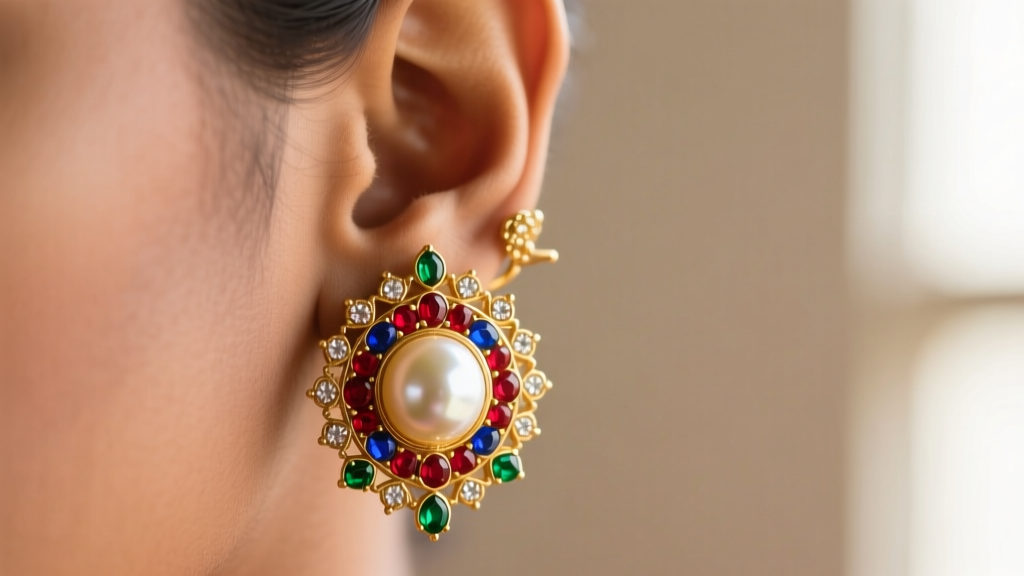
The bugadi earring is a masterpiece of traditional South Indian jewelry, historically designed to adorn the upper cartilage (helix) of the ear. Rooted in the classical dance traditions of Bharatanatyam and Kuchipudi, as well as intricate bridal trousseaus from Karnataka and Andhra Pradesh, the bugadi has transcended its cultural origins to become a highly sought-after statement piece in global cartilage fashion. As we navigate the jewelry landscape in 2026, the bugadi has evolved from a purely traditional, non-pierced clamp into a versatile, anatomically conscious ornament available in both screw-back and modern pierced flat-back designs.
However, buying a bugadi requires far more consideration than a standard earlobe stud. The upper helix is a dense, sensitive cartilage fold that demands specific weight distributions, precise gauge sizing, and hypoallergenic materials. This comprehensive buying guide will equip you with the technical knowledge needed to select a bugadi earring that is secure, comfortable, and built to last.
Understanding the Anatomy: Pierced vs. Non-Pierced Fittings
Before purchasing, you must determine which structural mechanism suits your ear anatomy and piercing status. Traditional bugadis were engineered for unpierced ears, while contemporary adaptations cater to healed helix piercings.
The Traditional Screw-Back Clamp
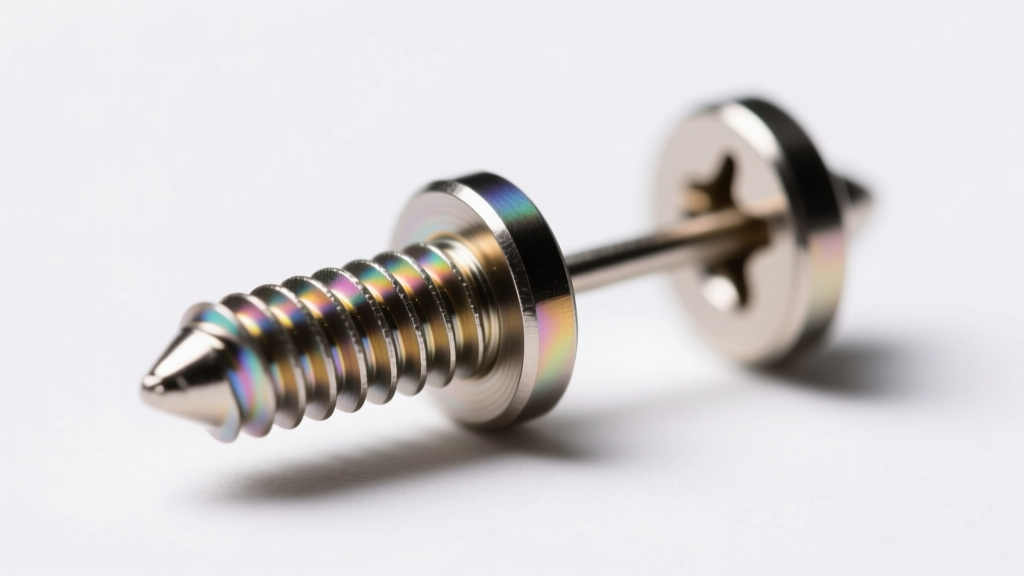
Authentic vintage and temple-style bugadis often feature a screw-tension mechanism. This design clamps onto the outer rim of the helix fold, secured by a threaded screw that presses a flat pad against the back of the ear. While visually authentic, this mechanism carries a high risk of pressure necrosis (tissue damage from restricted blood flow) if worn too tightly for extended periods, such as during an eight-hour wedding ceremony or a rigorous dance recital. If you opt for a non-pierced screw-back, look for models with padded silicone backing plates to distribute the pressure evenly across the cartilage.
Modern Pierced Flat-Back Posts
For those with an existing helix piercing, modern bugadis are mounted on flat-back labret posts. This is the gold standard for cartilage health. The flat disc rests flush against the back of the ear, preventing the 'poke' associated with traditional butterfly friction backs, while providing a wide surface area to support the heavy, ornate front setting. According to the Association of Professional Piercers (APP), internally threaded flat-backs are the safest and most stable option for supporting heavy cartilage jewelry.
Gauge Sizing and the 'Cheese-Cutter' Effect
The most common point of failure when buying heavy cartilage jewelry is ignoring the gauge (thickness) of the post. Standard earlobe earrings are typically 20-gauge (0.8mm) or 18-gauge (1.0mm). However, placing a heavy, gemstone-laden bugadi on a thin 20G wire in the upper helix will inevitably lead to the 'cheese-cutter effect.' Over time, gravity and the weight of the jewelry will cause the thin wire to slowly slice through the cartilage, leading to migration, tearing, and permanent scarring.
- 14-Gauge (1.6mm): The ideal standard for heavy traditional bugadis featuring large pearls or extensive Kundan settings. This thickness provides the structural integrity needed to prevent migration.
- 16-Gauge (1.2mm): Suitable for medium-weight bugadis or contemporary minimalist interpretations. Ensure the post is made of rigid metal like implant-grade titanium to prevent bending.
- 18-Gauge (1.0mm) and below: Strictly avoid these gauges for authentic, heavy bugadi designs, regardless of the metal strength.
Material Grades and Stone Authenticity
Because the helix is prone to irritation bumps (hypertrophic scarring) when exposed to reactive metals, the base material of your bugadi is non-negotiable. Furthermore, traditional bugadis rely on specific stone-setting techniques that dictate both the price and the longevity of the piece.
Base Metals: Avoiding Contact Dermatitis
Many mass-produced 'temple jewelry' sets utilize a brass or copper alloy base with a microscopically thin flash-plating of gold. Once this plating wears away from contact with skin oils and sweat, the exposed copper causes severe contact dermatitis and turns the skin green. For a 2026 purchase, demand transparency in base metals.
| Base Material | Durability & Allergy Risk | Best Use Case | Expected Price Range |
|---|---|---|---|
| Implant-Grade Titanium (ASTM F-136) | Highest durability; 100% hypoallergenic. | Daily wear, sensitive cartilage, heavy settings. | $80 - $250 |
| 925 Sterling Silver (Heavy Vermeil) | Good durability; low allergy risk if plated thickly. | Occasional wear, bridal, dance performances. | $120 - $400 |
| Solid 14k or 18k Gold | Excellent durability; hypoallergenic (if nickel-free). | Heirloom pieces, fine jewelry collectors. | $600 - $2,500+ |
| Brass/Copper Alloy (Flash Plated) | Poor durability; high allergy risk once plated wears. | Single-use costume wear (not recommended). | $15 - $45 |
Stone Settings: Kundan vs. Polki vs. Pearls
The face of a bugadi is typically adorned with pearls and uncut stones. Understanding the difference between traditional techniques and modern imitations is crucial for assessing value.
- Kundan: A traditional technique where highly refined gold foil is pressed around glass or semi-precious stones to hold them in place without prongs. Authentic Kundan is soft and should never be exposed to water or harsh chemicals.
- Polki: Often confused with Kundan, Polki uses uncut, raw diamonds set in the same gold-foil technique. Polki bugadis are significantly more expensive and offer a brilliant, albeit raw, sparkle.
- Pearls: Traditional bugadis heavily feature South Sea or high-grade Freshwater pearls. When evaluating the pearls on a bugadi, refer to the Gemological Institute of America (GIA) quality factors: prioritize thick nacre, high luster, and clean surfaces. A high-quality bugadi will use pearls ranging from 8mm to 14mm, drilled and set on a sturdy gold pin rather than merely glued to the faceplate.

Sizing and Proportion: Matching Your Ear Shape
The helix varies wildly from person to person. A bugadi that looks majestic on a dancer with prominent, flat ear cartilage may overwhelm a smaller, tightly folded helix. To determine the correct size, measure the flat surface area of your upper helix using a digital caliper or a flexible measuring tape.
Pro Tip: If your helix fold is less than 12mm wide, opt for a 'mini' bugadi or a single-pearl cartilage stud inspired by traditional designs. Oversized bugadis on narrow helixes will overhang the ear's edge, catching on hair and clothing, which is the primary cause of accidental tearing.
For the drop length (the part of the earring that dangles below the helix screw or post), standard traditional lengths range from 15mm to 30mm. If you are purchasing a bugadi for active wear or dance, ensure the drop length does not extend so far down that it tangles with your Jhumka (earlobe earring) chains.
Common Failure Modes and Troubleshooting
Even high-end bugadis can fail if not properly maintained or fitted. Be aware of these common issues:
- Thread Stripping on Screw-Backs: If you are buying a non-pierced tension screw bugadi, cross-threading is a major risk. Always align the threads carefully and stop turning the moment you feel resistance. Stripped threads render the tension clamp useless.
- Pearl Pin Loosening: In traditional settings, the central pearl is held by a thin wire pin that is bent at the back. Over time, the friction of hair brushing against the back of the earring can unbend this pin, causing the pearl to fall out. Have a jeweler apply a microscopic drop of jeweler's epoxy to the pin base upon purchase.
- Tarnish from Sweat: If you are a dancer wearing sterling silver or gold-plated bugadis, the acidic nature of performance sweat will rapidly degrade the finish. Always wipe the jewelry with a damp microfiber cloth and dry it completely before storing it in an anti-tarnish pouch.
Final Verdict: Where to Buy and What to Expect
When shopping for a bugadi earring in 2026, bypass generic fast-fashion outlets that mislabel standard cartilage cuffs as authentic bugadis. Instead, seek out specialized South Indian temple jewelers, reputable online artisans who specialize in classical dance jewelry, or custom fine jewelers who can adapt traditional motifs onto 14G titanium flat-back posts. Expect to pay between $120 and $350 for a high-quality, dance-ready sterling silver and freshwater pearl bugadi, and upwards of $800 for solid gold heirloom pieces featuring authentic Polki diamonds. By prioritizing anatomical fit, correct gauge thickness, and hypoallergenic base metals, you ensure that this stunning piece of cultural heritage remains a comfortable and secure staple in your jewelry collection.


