How to Authenticate & Restore Vintage Laurel Burch Earrings
Learn how to authenticate, clean, and repair vintage Laurel Burch earrings. Expert troubleshooting for enamel chips, hallmarks, and heavy posts.

The Allure and the Agony: Why Laurel Burch Earrings Need Special Care
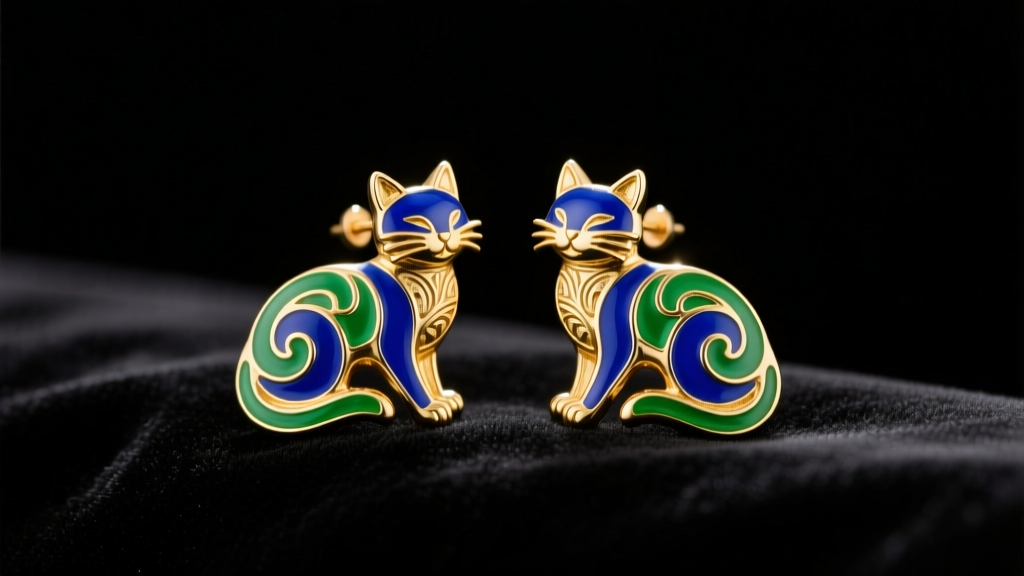
In the landscape of 20th-century artisan jewelry, few names evoke as much immediate recognition and emotional connection as Laurel Burch (1945–2006). Her whimsical, cloisonné-style animals—particularly her iconic cats, dogs, and mythical dragons—remain highly coveted on the secondary market. However, acquiring and maintaining vintage Laurel Burch earrings presents a unique set of challenges for collectors and everyday wearers alike. Unlike fine jewelry crafted from solid gold and kiln-fired glass enamel, Burch’s fashion jewelry relies on gold-plated base metals and specialized epoxy resins. This combination creates a stunning visual effect but introduces specific structural vulnerabilities. In this comprehensive troubleshooting guide, we will decode the authentication markers of genuine pieces, address the notorious 'pot metal' degradation, and provide actionable repair protocols for the most common failures seen in these wearable works of art.
Authentication Matrix: Spotting Fakes in the Secondary Market
As the nostalgia-driven market for 1980s and 1990s artisan jewelry surges, counterfeit Laurel Burch pieces have flooded online auction sites. Fakes often mimic her vibrant color palettes but fail spectacularly in execution and structural integrity. To protect your investment, you must examine the piece through a multi-point authentication framework.
| Feature | Authentic Vintage Laurel Burch | Common Counterfeit |
|---|---|---|
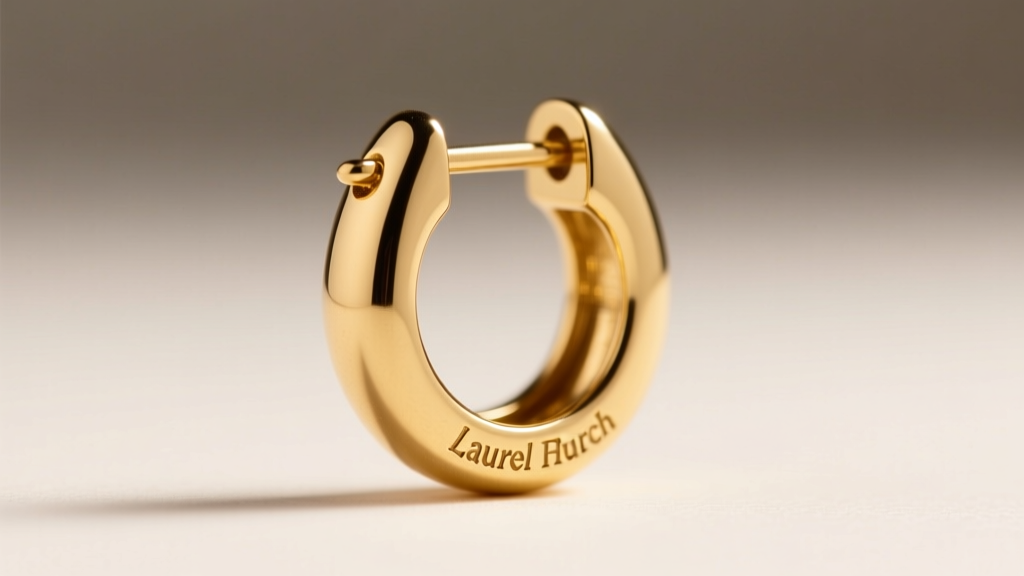
| Hallmarks & Stamps | Deeply cast 'LAUREL BUCH' script, 'LB' monogram, or a distinct © symbol. Early 80s pieces may rely on original foil hang tags. | Shallow laser etching, missing copyright symbols, or modern font types. |
| Enamel Execution | Crisp gold-tone metal dividers (cloisons). Resin sits flush or slightly domed, with no bleeding over the metal lines. | Enamel bleeds over dividers. Colors appear flat, muddy, or contain trapped air bubbles. |
| Weight & Balance | Substantial weight due to brass or sterling silver bases. Ear posts are thick (often 18g to 16g) and soldered securely. | Noticeably lightweight, indicating cheap aluminum or hollow plastic bases. Posts are thin and easily bent. |
| Backing Mechanisms | Heavy-duty omega clips for non-pierced, or thick friction posts with custom-stamped butterfly backs or rubber stoppers. | Flimsy, generic wire clips or standard thin wire posts with cheap metal friction backs. |
When examining a potential purchase, always request high-resolution macro photos of the earring backs. According to the FTC Jewelry Guides, while vintage fashion jewelry is not held to the same precious metal stamping laws as fine jewelry, the consistency of the manufacturer's mark remains the primary indicator of provenance. If the gold plating on the back shows modern, high-gloss yellow tones rather than the slightly muted, rich 14k-18k hue characteristic of Burch’s original plating baths, proceed with extreme caution.
Troubleshooting Enamel Damage: Crazing, Chips, and Clouding
The vibrant 'enamel' in vintage Laurel Burch earrings is rarely traditional vitreous (glass) enamel. Instead, Burch predominantly used a high-quality, cold-cured epoxy resin to achieve her signature domed, jewel-toned effects. This material choice means that standard jewelry cleaning protocols can be catastrophic.
The Ultrasonic Cleaner Trap
Never place vintage resin jewelry in an ultrasonic cleaner. The high-frequency cavitation bubbles will cause micro-fractures within the epoxy, leading to a permanent cloudy appearance known as 'crazing.' Furthermore, the heat generated by prolonged ultrasonic exposure can soften the resin, causing it to pull away from the gold-tone metal dividers.
Safe Cleaning and Chip Repair Protocol
- Routine Cleaning: Use a barely damp microfiber cloth with a drop of mild, phosphate-free dish soap. Gently wipe the resin and immediately dry with a soft lint-free cloth to prevent water from seeping into the metal-resin junction.
- Addressing Minor Chips: If a small chip occurs on the edge of a resin panel, do not attempt to fill it with superglue (cyanoacrylate), which will cloud and yellow over time. Instead, use a UV-curing jewelry resin matched to the original color. Apply a microscopic drop with a fine-tipped needle, cure it under a 365nm UV lamp for 60 seconds, and gently buff the surface with a 3000-grit micromesh pad to restore the dome's gloss.
- Metal Tarnish Removal: If the gold-tone dividers tarnish, avoid silver polish or abrasive dips. Use a jewelry polishing cloth lightly impregnated with a non-abrasive anti-tarnish agent, carefully working around the resin to avoid chemical transfer.
Metal Fatigue and the 'Pot Metal' Dilemma
One of the most frequent structural complaints regarding vintage Laurel Burch earrings involves the base metal. While some of her earlier and finer pieces were crafted from gold-plated sterling silver, many of the larger, statement-making dangle earrings from the 1990s were cast in zinc alloys, colloquially known in the industry as 'pot metal' or white metal.
'Zinc pest' or intergranular corrosion is the silent killer of vintage cast alloy jewelry. It manifests as a white, powdery residue beneath the plating or as severe pitting on the surface, ultimately causing the metal to become brittle and crumble.
If your earrings exhibit severe pitting or the gold plating is flaking off to reveal a dull, gray, crumbling under-layer, the structural integrity is compromised. Standard soldering with a jeweler's torch is impossible on pot metal; the high heat will melt the entire casting instantly. For post replacements or structural reinforcement on these specific pieces, a jeweler must use a laser welder. Laser welding concentrates heat into a microscopic focal point, allowing a new sterling silver post to be fused to the zinc alloy base without melting the surrounding vintage casting. Expect to pay between $45 and $85 per earring for professional laser welding services, as noted by repair experts affiliated with the Jewelers of America.
Ergonomics: Solving the Heavy Earring Dilemma
Laurel Burch’s designs are unapologetically bold, which translates to significant physical weight. It is not uncommon for a pair of her large resin-and-metal dangle earrings to exceed 18 grams per ear. For context, a standard diamond stud weighs less than 1 gram. This excessive weight leads to stretched earlobe piercings, downward-pointing earrings, and eventual tearing of the fistula (the piercing hole).
Practical Solutions for Lobe Support
To troubleshoot the ergonomics of heavy vintage earrings without altering their historical value, implement the following support strategies:
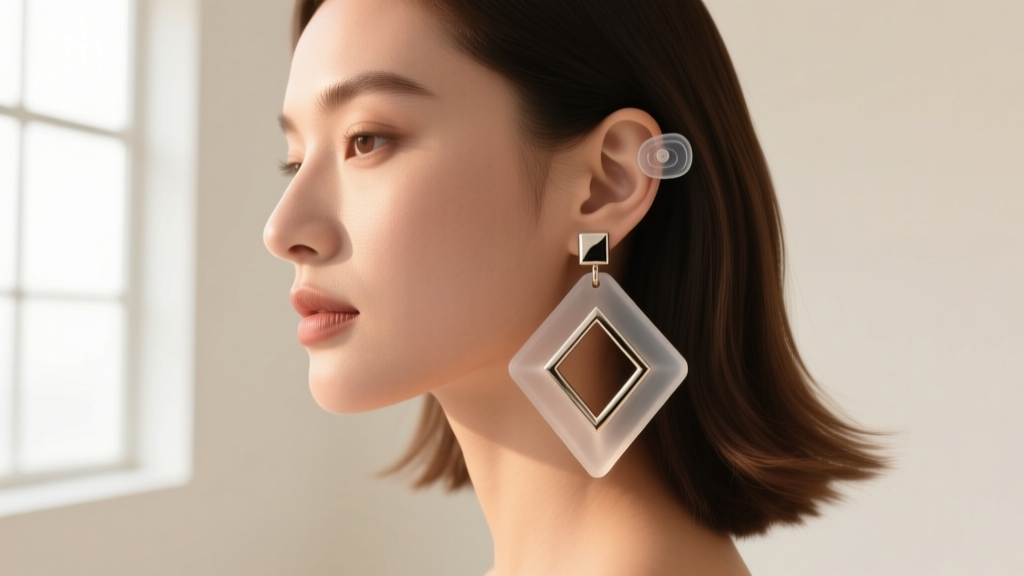
- Silicone Stabilizer Discs: Place a 10mm clear silicone earlobe support pad behind the ear. These pads distribute the downward torque of the heavy earring across a wider surface area of the skin, preventing the post from slicing through the lobe.
- Upgrading the Backing: Discard the original, often degraded rubber stoppers. Replace them with heavy-duty, flat-back silicone 'jumbo' clutch backs that grip the thick 16-gauge posts securely without slipping.
- Conversion to Leverbacks (For Dangles): If the original post is broken off near the base of a dangle earring, consider having a jeweler solder a gold-filled leverback wire to the top loop. Leverbacks distribute weight more evenly along the curve of the ear cartilage and lobe, offering superior security for heavy statement pieces.
Valuation and Market Realities in the Current Era
Understanding the troubleshooting requirements of vintage Laurel Burch earrings also informs their market valuation. Pieces in pristine condition, featuring intact resin domes, original bright gold plating, and verified hang tags or deep hallmarks, command premium prices. As of recent market analyses, rare early-80s sterling silver cat motifs can fetch between $150 and $300, while standard 90s brass-and-resin dog or bird motifs typically range from $45 to $85.
However, 'as-is' pieces suffering from enamel chips, heavy gold wear, or pot-metal pitting are valued primarily for their scrap metal or replacement parts (such as salvaging the omega clips for other jewelry projects). When buying or selling, always factor in the cost of potential laser welding or resin restoration. By applying these specialized troubleshooting techniques, collectors can ensure that Laurel Burch’s vibrant, joyful menagerie continues to be worn and admired for generations to come.


