Ariel Earrings Care: Cleaning Shells, Pearls & Fine Gold
Learn how to properly clean and store Ariel earrings. Expert care tips for delicate gold, diamonds, pearls, and shell-inspired oceanic jewelry pieces.

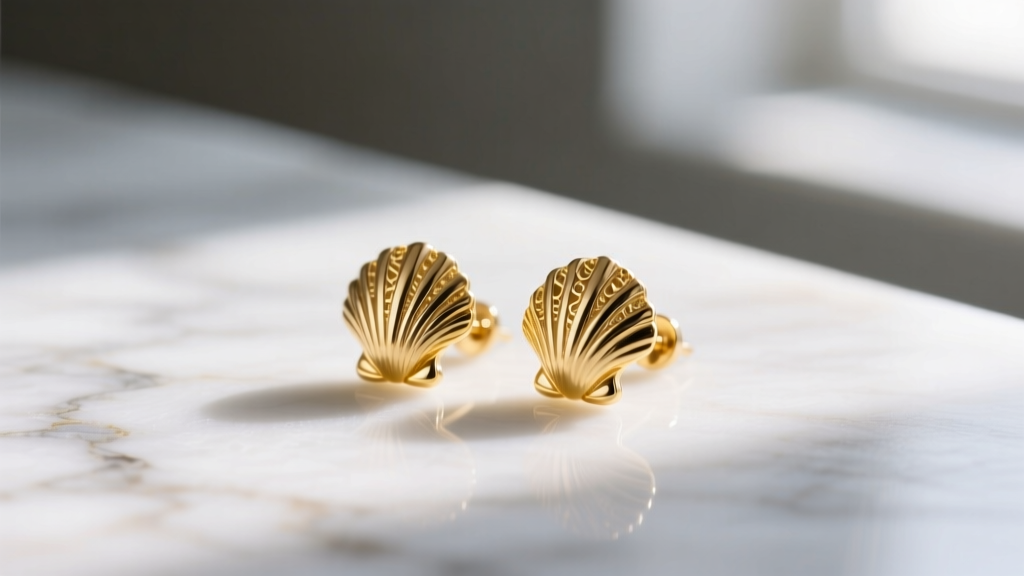
The Dual Nature of Ariel Earrings: Fine Metals vs. Oceanic Organics
When jewelry enthusiasts search for Ariel earrings, they are typically referring to one of two distinct categories: the delicate, high-end fine jewelry popularized by designers like Ariel Gordon (featuring 14k gold, pavé diamonds, and minimalist studs), or the romantic, ocean-inspired "mermaidcore" aesthetic characterized by iridescent shells, nacre, pearls, and aquamarine gemstones. While both styles are breathtaking, their care and maintenance protocols are diametrically opposed due to the fundamental chemistry of their materials.
Cleaning a diamond-encrusted gold shell stud requires an entirely different approach than cleaning a porous mother-of-pearl drop earring. Using the wrong cleaning solution can permanently etch organic gems or dull the luster of delicate gold alloys. In this comprehensive 2026 care guide, we break down the exact material science, cleaning solutions, and storage frameworks required to keep your Ariel earrings in pristine, heirloom-quality condition.
Material Science: Understanding What You Are Cleaning
Before applying any liquid or brush to your earrings, you must identify the primary materials. The most common mistake collectors make is treating organic gems like hard minerals.
Organic & Porous Materials (Pearls, Shells, Coral)
Oceanic Ariel earrings frequently utilize nacre (mother-of-pearl) and carved shells. Nacre is a composite material consisting of microscopic calcium carbonate crystals bound together by conchiolin, an organic protein. On the Mohs scale of hardness, pearls and shells rank between 2.5 and 4.5, making them exceptionally soft. More importantly, calcium carbonate is highly reactive to acids and alkalis. Exposure to common household cleaners, vinegar, citrus, or ammonia will literally dissolve the surface of the shell, destroying its iridescent orient and leaving a chalky, irreversible matte finish.
Hard Metals & Minerals (14k/18k Gold, Diamonds, Aquamarine)
Fine jewelry Ariel earrings often feature 14k or 18k gold. 14k gold contains 58.3% pure gold mixed with alloy metals like copper, silver, and zinc for durability. These alloy metals are susceptible to tarnishing when exposed to sulfur, chlorine, and acidic skin pH. Diamonds (Mohs 10) and aquamarine (Mohs 7.5-8) are highly durable and can withstand more rigorous cleaning methods, but the prong settings holding them require careful inspection to prevent stone loss.
Step-by-Step Cleaning Protocols
Never use a one-size-fits-all approach. Follow the specific protocol that matches your earring's material composition.
Protocol A: Delicate Gold & Diamond Ariel Studs
For fine gold and diamond pieces, the goal is to remove sebum, dead skin cells, and cosmetic buildup that trap light and reduce a diamond's brilliance.
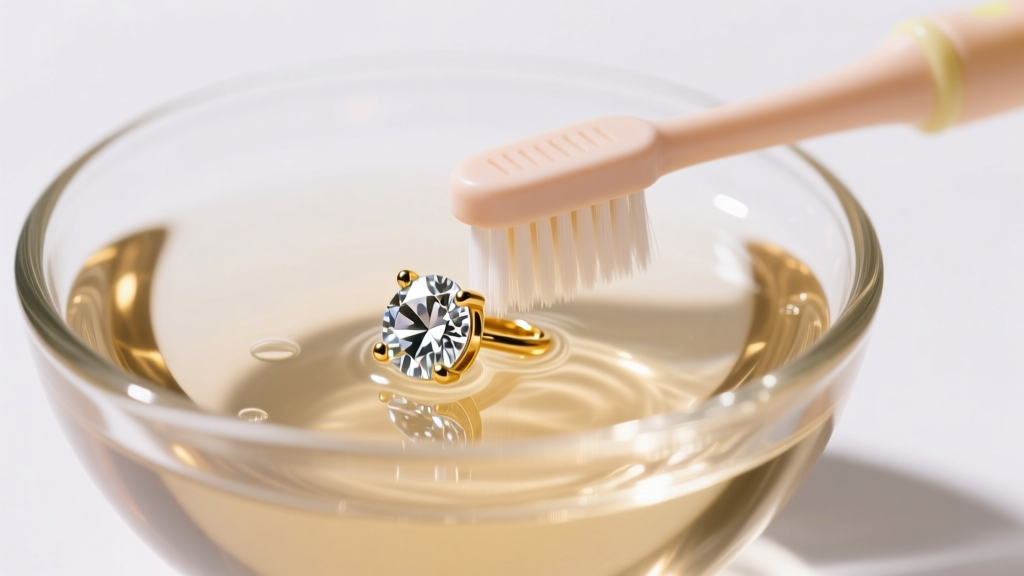
- The Solution: Mix 1 cup of warm (not hot) distilled water with 3-4 drops of mild, phosphate-free dish soap (original blue Dawn is the industry standard among jewelers).
- The Soak: Submerge the earrings for 15-20 minutes to loosen debris from beneath the pavé settings.
- The Agitation: Using an extra-soft baby toothbrush, gently sweep the bristles across the back of the settings (the culet of the diamond) where lotion accumulates. Never press hard; let the bristles do the work.
- The Rinse & Dry: Rinse under a gentle stream of lukewarm distilled water. Pat dry with a lint-free microfiber cloth. Ensure the earring posts are completely dry before reattaching friction backs to prevent metal oxidation.
Protocol B: Nacre, Shell, and Enamel Drops
For mermaidcore shell earrings, pearls, or pieces featuring vitreous enamel, moisture and chemicals are the enemy.
- The Wipe Down: After every wear, gently wipe the shells or pearls with a dry, untreated microfiber cloth to remove skin oils and perfume residue.
- Deep Cleaning: If visibly soiled, dampen a soft cloth with plain distilled water (no soap) and gently wipe the surface. Immediately dry with a second soft cloth.
- Hydration (Rarely Needed): If natural shells appear dry or chalky, a jeweler may apply a microscopic drop of mineral oil to restore luster. Never use olive oil or synthetic lubricants, which can turn rancid and attract dust.
Expert Warning: Never use ultrasonic cleaners or steam cleaners on Ariel earrings featuring pearls, shells, opals, or enamel. The high-frequency cavitation in ultrasonic baths will strip the nacre off shells and shatter enamel, while steam can cause thermal shock and fracture internal inclusions in aquamarine.
Material-Specific Maintenance Matrix
Use this quick-reference chart to determine the safety of various cleaning methods for your specific Ariel earrings.
| Material | Mohs Hardness | Safe Cleaners | Ultrasonic Safe? | Steam Safe? |
|---|---|---|---|---|
| Diamond & 14k/18k Gold | 10 (Diamond) | Mild Dish Soap, Ammonia-free Jewelry Dip | Yes (if settings are secure) | Yes |
| Aquamarine & Gold | 7.5 - 8 | Mild Dish Soap, Warm Water | No (risk of inclusion fracture) | No |
| Mother-of-Pearl / Shell | 2.5 - 4.5 | Damp Microfiber Cloth Only | Never (will strip nacre) | Never |
| Vitreous Enamel | 5 - 6 | Dry or barely damp cloth | Never (causes crazing) | Never (thermal shock) |
Storage & Environmental Hazards
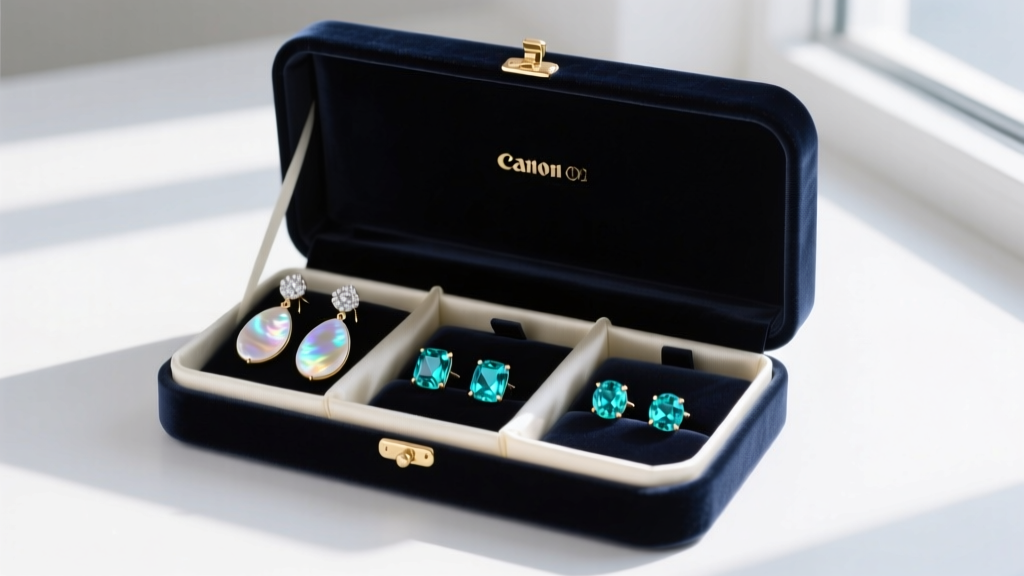
Proper storage is just as critical as cleaning. The conchiolin in pearls and shells requires a slight amount of ambient humidity to prevent cracking, but storing them in airtight plastic bags or safety deposit boxes for years will dehydrate the organic material. Store your oceanic Ariel earrings in a soft silk pouch or a fabric-lined jewelry box that allows for minimal air exchange.
Furthermore, environmental hazards pose a severe threat to both fine gold and organic shells. According to the Gemological Institute of America (GIA), everyday chemicals are the leading cause of pearl degradation. Always adhere to the "Last On, First Off" rule: put your earrings on after applying hairspray, perfume, and lotions, and take them off immediately upon returning home.
The Danger of Chlorine and Sulfur
Swimming in chlorinated pools or relaxing in sulfurous hot springs while wearing 14k gold Ariel earrings will cause rapid, sometimes irreversible, damage. Chlorine reacts with the copper and zinc alloys in 14k gold, leading to structural weakening and a condition known as stress corrosion cracking, which can cause earring posts to snap. Sulfur, on the other hand, causes immediate black tarnishing on silver and lower-karat gold alloys.
Earring Post and Back Maintenance
An often-overlooked aspect of earring care is the maintenance of the posts and backs. For fine gold studs, friction backs (butterfly clutches) accumulate dead skin and soap scum in their tiny crevices, which can harbor bacteria and lead to earlobe infections.
Once a month, use a wooden toothpick or a soft interdental brush to clear debris from the inside of the friction backs. If your Ariel earrings feature screw-backs for added security, ensure the threads are free of grit. A tiny drop of sewing machine oil on the threads of a screw-back, wiped almost completely dry, will ensure smooth operation and prevent the threads from stripping over time. For heavy shell drop earrings, consider upgrading to silicone disc earring backs to provide better support and prevent the earlobe from drooping, which can stretch the piercing hole over time.
When to Seek Professional Jeweler Intervention
While home maintenance is sufficient for routine cleaning, certain scenarios require a professional. According to Jewelers of America, fine jewelry should be professionally inspected at least once a year. If your diamond Ariel studs feature pavé settings, a jeweler needs to check the micro-prongs under magnification to ensure they haven't worn thin, which risks losing the tiny diamonds. Similarly, if your shell or pearl earrings are mounted on silk thread or feature complex wire-wrapping that has begun to bend or oxidize, a professional can restring or reinforce the structural integrity without damaging the delicate organic materials.
By understanding the distinct material properties of your Ariel earrings and adhering to these targeted cleaning protocols, you ensure that both your fine gold diamonds and your oceanic shells retain their brilliance, structural integrity, and heirloom value for decades to come.


