Art Deco Earring Troubleshooting: Repairs & Lobe Fixes
Fix sagging lobes, convert vintage clips, and authenticate hallmarks with our expert troubleshooting guide for every art deco earring collector.

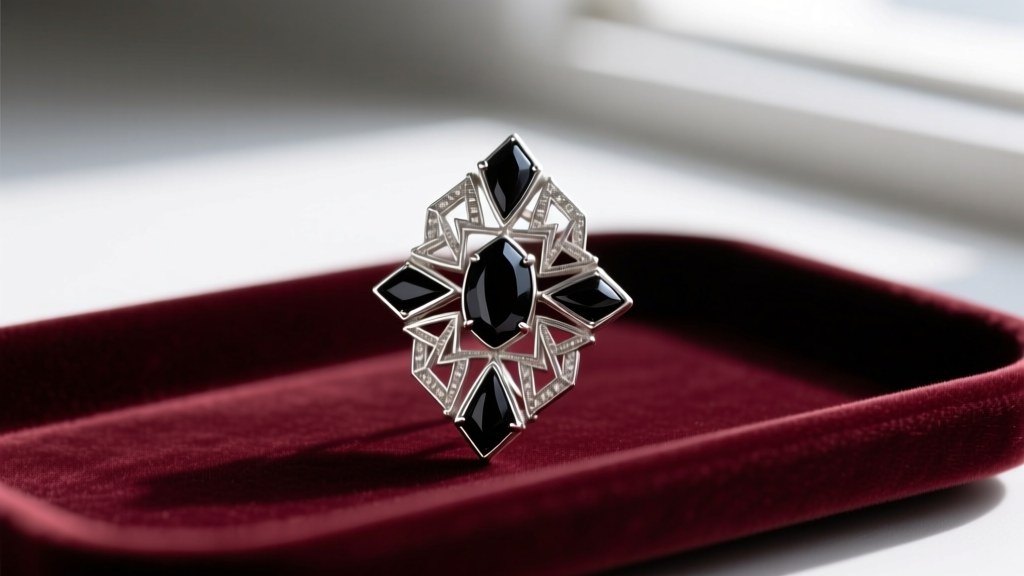
Collecting vintage jewelry is a thrilling pursuit, but wearing a heavy, century-old art deco earring comes with a unique set of structural and anatomical challenges. The 1920s and 1930s were defined by bold, geometric silhouettes, long chandelier drops, and dense platinum filigree. While visually stunning, these designs were often created before modern ergonomic jewelry standards existed. Today’s collectors frequently face issues like severe earlobe sagging, incompatible vintage clasps, missing marcasite stones, and the ever-present threat of purchasing a modern replica disguised as an antique. In this comprehensive 2026 troubleshooting guide, we break down the exact mechanical failures associated with vintage earrings and provide actionable, expert-level solutions to restore, convert, and authenticate your pieces.
The Weight Problem: Stopping Earlobe Sag and Tearing
The most common complaint among antique jewelry wearers is the sheer weight of a genuine art deco earring. A typical 1925 platinum and diamond chandelier drop can easily weigh between 14 and 18 grams per ear. Human earlobe tissue begins to stretch permanently and suffer micro-tears under constant loads exceeding 10 grams. Furthermore, vintage hand-cut posts are often irregular, ranging from 16-gauge (1.2mm) to 14-gauge (1.6mm), which causes friction and inflammation in modern 20-gauge (0.8mm) piercings.
Troubleshooting Framework for Heavy Drops
- Support Patches: For immediate relief, use medical-grade silicone support patches (like Lobe Wonder). These adhere to the back of the earlobe and distribute the 18g load across a wider surface area, preventing the post from slicing through the tissue.
- Cartilage Distribution: For pieces exceeding 15 grams, consult a master jeweler to add a secondary 18-gauge titanium sleeper wire that attaches to the upper cartilage via a transparent cuff, transferring 60% of the weight off the lobe entirely.
- Post Re-tipping: Have a jeweler file down and re-tip the thick vintage post to a standard 20-gauge or 19-gauge wire, ensuring a smooth, tapered entry that won't blow out your piercing channel.
Conversion Troubleshooting: Clip-Ons and Screw-Backs to Modern Posts
Pierced ears were not universally common until the mid-20th century. Consequently, many authentic pieces on the market feature screw-backs or early clip-ons. Screw-backs require constant tightening and pinch the lobe, while early paddle clip-ons restrict blood flow, causing necrosis and pain after just 30 minutes of wear. Converting these to modern posts is a necessary troubleshooting step for daily wearability.
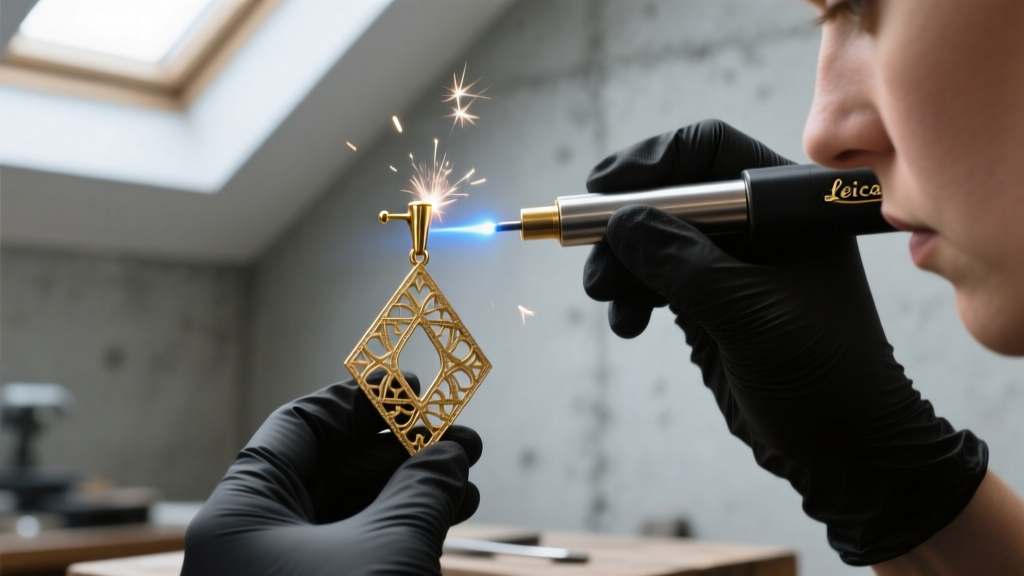
The Laser Welding Mandate: Never allow a jeweler to use a traditional torch solder to attach a new post to a vintage platinum or white gold piece. The high heat will melt the low-temperature lead-based solders originally used to set the gemstones, causing catastrophic stone loss. In 2026, Rio Grande and other top suppliers provide advanced laser welders that fuse metal at a microscopic focal point without transferring heat to the surrounding filigree. Expect to pay between $85 and $150 per pair for a professional laser-welded 18k white gold post conversion, complete with secure silicone friction backs.
Material Failures: Enamel, Marcasite, and Filigree Snags
Art Deco jewelry relies heavily on contrasting materials—specifically black onyx, vibrant guilloché enamel, and pavé marcasite. Each of these materials degrades differently over a century of wear.
Marcasite Stone Loss and Adhesive Failure
Marcasite in vintage jewelry is actually pyrite (fool's gold), typically set in sterling silver using a jeweler's epoxy or folded bezel prongs. When stones fall out, the immediate instinct is to use cyanoacrylate (Super Glue). Do not do this. Cyanoacrylate off-gasses as it cures, leaving a permanent, cloudy white residue over the faceted pyrite. Instead, clean the silver cup with isopropyl alcohol and use a two-part jeweler's epoxy like G-S Hypo Cement. Apply a microscopic dot with a 0.1mm needle tip, seat the stone, and let it cure for 24 hours in a low-humidity environment.
Chipped Guilloché Enamel
Guilloché enamel is created by fusing powdered glass to a metal dial at 1,400°F. If your earring suffers a chip, it cannot be 'filled' with resin without a visible color mismatch due to the translucent nature of the original glass. A master enamelist must carefully grind out the damaged cell and fire a new layer of glass. For minor surface crazing (micro-cracks), gently rubbing a small amount of Renaissance Wax into the fissures will stabilize the enamel and prevent moisture from lifting it off the silver backing.
Filigree Snags
The intricate, lace-like platinum wirework of the 1920s is notorious for catching on silk blouses and hair. To troubleshoot this without altering the design, have a jeweler perform a high-polish rhodium plating (0.2 microns thick). This fills in microscopic burrs and creates a slick, frictionless surface that glides through hair rather than snagging.
Authentication Matrix: Spotting 1920s Originals vs. Modern Replicas
The market is flooded with 'Art Deco style' reproductions. According to the Gemological Institute of America (GIA), authenticating a piece requires examining the manufacturing techniques, not just the visual design. The Antique Jewelry University notes that modern CAD/CAM casting leaves entirely different microscopic markers than 1920s hand-fabrication. Use the troubleshooting matrix below to verify your piece.
| Diagnostic Feature | 1920s Authentic Original | Modern Replica (Post-2000) |
|---|---|---|
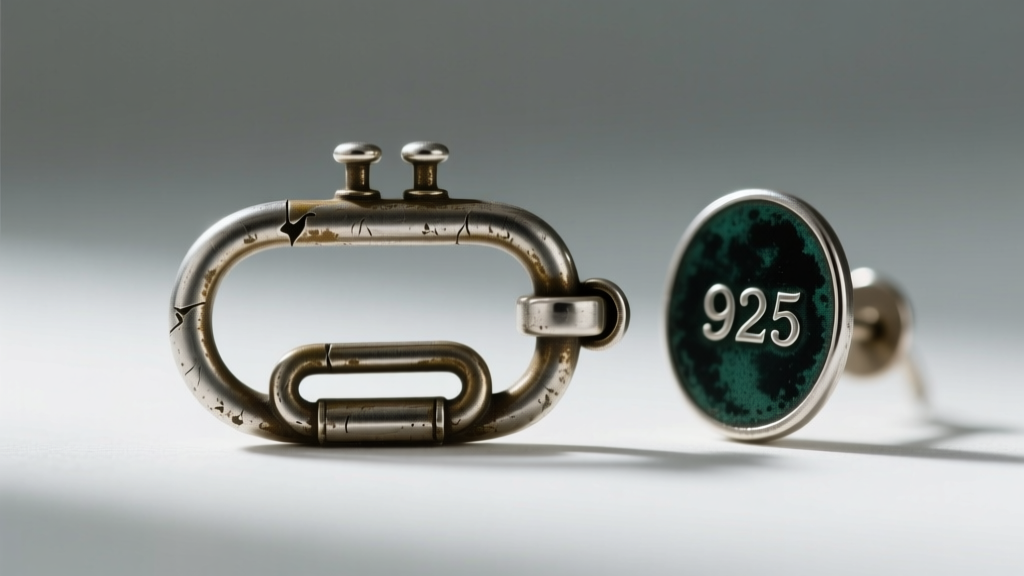
| Clasp Mechanism | Trombone catch, simple C-clasp, or early safety latch with a visible rolling barrel. | Modern push-back butterfly clutch or standard hinged leverback. |
| Diamond Cuts | Old European Cut (OEC), Single Cut, or early transitional round brilliants with small tables and high crowns. | Modern Round Brilliant (MRB) with laser-inscribed girdles, or Cubic Zirconia. |
| Manufacturing Seams | Visible solder seams at geometric joints; pieces are fabricated from multiple sheet metal and wire components. | Seamless castings; uniform thickness throughout with sprue marks hidden near the clasp. |
| Enamel Type | Vitreous (fired glass) enamel; feels cold to the touch and rings when tapped gently with a needle. | Cold enamel (epoxy resin); feels room temperature and yields a dull thud when tapped. |
| Hallmarks | Often unstamped (platinum was rarely stamped in the US pre-1930s), or features European maker's marks (e.g., dog head for French 18k gold). | Uniformly stamped '925', '14K', or 'PT950' in deep, perfectly laser-engraved fonts. |
Sourcing Replacement Parts and Expert Jewelers
When troubleshooting a broken art deco earring, sourcing period-correct replacement parts is vital for maintaining the piece's appraisal value. If a platinum filigree cap breaks off, a modern cast replacement will look glaringly obvious under a 10x jeweler's loupe. Instead, search estate jewelry findings suppliers or specialized antique jewelry repair forums for 'New Old Stock' (NOS) platinum findings from the 1930s. For complex restorations involving millegrain edging (the tiny beaded borders typical of the era), ensure your jeweler uses a hand millegrain tool rather than a modern casting mold, as the irregular, hand-pushed beads are a key indicator of authenticity recognized by top auction houses like Sotheby's and Christie's.
Conclusion
Owning an original art deco earring is an exercise in historical preservation. By proactively managing the weight distribution on your earlobes, utilizing laser-welding for post conversions, and understanding the microscopic differences between vitreous enamel and modern epoxy, you can safely wear these century-old masterpieces without compromising their structural integrity or historical value. Always prioritize conservation over modernization, and when in doubt, consult a certified antique jewelry specialist before altering any piece dating prior to 1940.


