Beginner's Guide: Choosing Articulated Fish Earrings
Discover how to choose, wear, and care for articulated fish earrings. Learn about hinge mechanics, ideal metals, and styling tips for beginners.

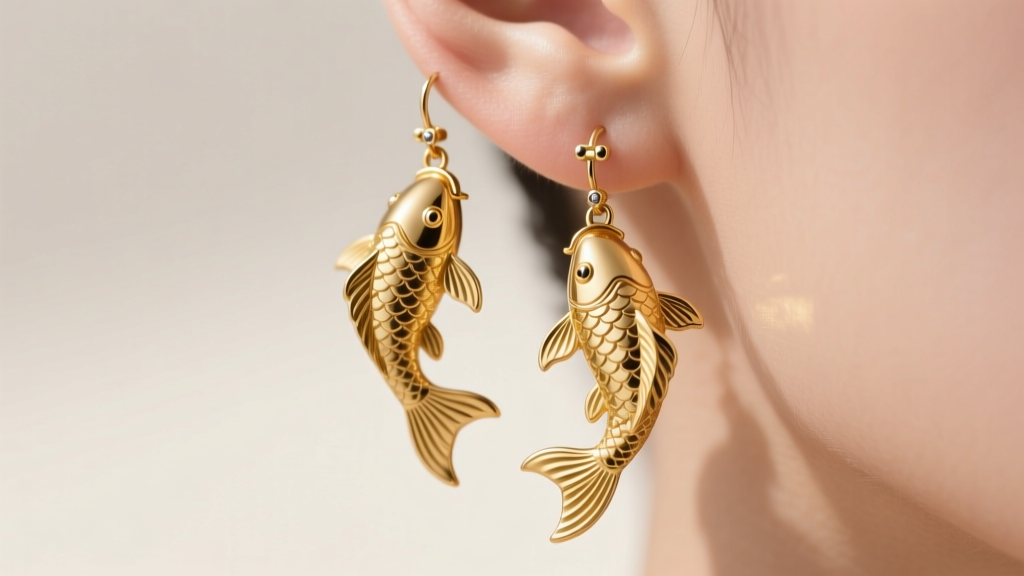
The Magic of Movement: What Are Articulated Fish Earrings?
When it comes to expressive, dynamic jewelry, few designs capture the imagination quite like articulated fish earrings. Unlike static studs or rigid dangles, articulated jewelry is engineered with movable joints—tiny hinges, interlocking jump rings, or micro-rivets—that allow the piece to bend, flex, and sway with your natural movements. In the context of marine-inspired jewelry, this articulation mimics the fluid, undulating swimming motion of fish, bringing the metal to life.
For beginners stepping into the world of kinetic jewelry, understanding the mechanics behind these pieces is crucial. The most common designs feature koi, betta, or tropical fish. A high-quality articulated koi earring might feature a rigid head and torso, with a tail section comprised of three to four overlapping scales connected by flush rivet hinges. As you walk or turn your head, the tail swishes independently. This level of micro-engineering transforms a simple accessory into a conversation piece, but it also introduces unique considerations regarding weight, material friction, and maintenance.
Anatomy of the Hinge: How They Actually Work
Not all joints are created equal. The longevity of your earrings depends heavily on the type of articulation used by the jeweler. Here are the two primary mechanisms you will encounter:
- Flush Rivet Hinges: Used for major body segments (like connecting the tail to the body). A tiny metal pin is passed through two overlapping sheets of metal and hammered or laser-welded flush on both sides. This creates a clean, snag-free pivot point.
- Interlocking Jump Rings: Often used for intricate scales or flowing fins. Tiny metal loops are woven through one another, similar to chainmail. While this offers maximum fluidity, it creates micro-gaps where hair and debris can catch.
Pro Tip: When shopping, gently flex the joints. The movement should be smooth and silent. If you hear a metallic 'grinding' noise or feel resistance, the tolerances are too tight, and the joint will eventually seize or snap under stress.
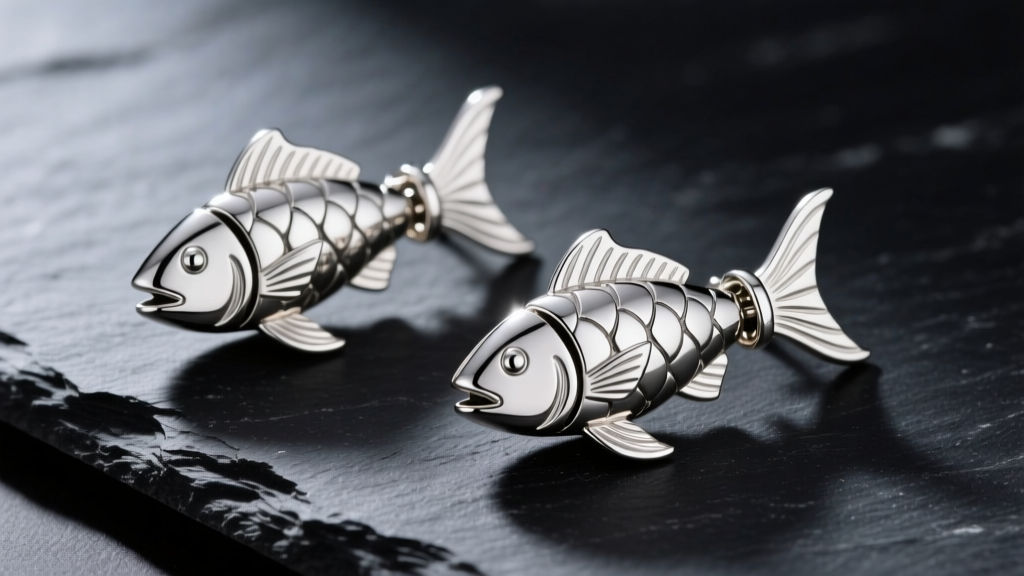
Material Matters: Navigating Metal Friction
Because articulated parts constantly rub against one another, material selection is far more critical than it is for standard static earrings. The friction at the joints will quickly expose the weaknesses of certain metal finishes. Below is a decision framework to help you choose the right metal for your lifestyle and budget.
| Metal Grade | Durability & Friction Risk | Price Range | Best Use Case |
|---|---|---|---|
| Implant-Grade Titanium (ASTM F136) | Exceptional. Highly resistant to friction wear and completely hypoallergenic. | $40 - $120 | Sensitive ears, daily wear, heavy dangles. |
| 14k / 18k Solid Gold | High. Will not flake or wear off at the joints, though softer 24k is prone to bending. | $150 - $600+ | Heirloom pieces, luxury collections. |
| Gold Vermeil (Gold over Silver) | Low. Friction at the hinges will quickly wear away the gold plating, exposing tarnish-prone silver. | $30 - $85 | Occasional wear, fashion statements. |
| Sterling Silver (925) | Medium. Solid throughout, but prone to dark tarnish buildup inside the tight crevices of the joints. | $25 - $75 | Budget-friendly, vintage aesthetics. |
According to the Gemological Institute of America (GIA), understanding the difference between solid gold and gold plating is essential for longevity. In articulated pieces, vermeil is a notorious failure point. The constant rubbing of the tail joints acts like fine sandpaper, stripping the gold layer away within months and leaving you with a two-toned, tarnished hinge. If you want the gold look without the solid gold price tag, opt for PVD-coated titanium, which offers vastly superior friction resistance compared to traditional electroplating.
Sizing, Gauge, and the 'Cheese-Cutter' Effect
Articulated fish earrings inherently require more metal to construct their overlapping segments, making them heavier than standard dangles. This weight introduces a specific physical risk to your earlobes known in the professional piercing community as the 'cheese-cutter effect'.
Why Gauge Size is Critical
The gauge refers to the thickness of the ear wire or post. Standard fashion earrings are often 20-gauge (0.81mm) or even 22-gauge (0.64mm). However, the Association of Professional Piercers (APP) notes that thin wires bearing heavy loads can slowly migrate through the earlobe tissue, essentially slicing through the skin over time like a wire through a block of cheese.
When selecting articulated fish dangles, always check the wire thickness. Look for 18-gauge (1.02mm) or 16-gauge (1.29mm) ear wires. The slightly thicker metal distributes the weight of the articulated tail across a wider surface area of the piercing channel, drastically reducing tissue fatigue and preventing elongated, drooping piercings over the years.
Lobe vs. Cartilage Placement
While these earrings are predominantly designed for the earlobe, smaller, lightweight articulated fish (like tiny betta or guppy designs) can be worn in helix or flat cartilage piercings. However, cartilage lacks the elasticity of the lobe and is highly sensitive to pressure. If wearing them in cartilage, ensure the total weight of the earring is under 4 grams to avoid irritation bumps and migration.

Common Failure Modes and Troubleshooting
Even the finest kinetic jewelry requires an understanding of its vulnerabilities. Here are the most common issues beginners face and how to solve them:
- Hair Snagging: The micro-gaps in jump-ring articulation are notorious for catching fine hair. Solution: If you wear your hair down, opt for flush-rivet hinge designs rather than chainmail-style scales. Alternatively, use a silk hair wrap or tie your hair back when wearing intricate jump-ring pieces.
- Joint Seizing (Stiffness): Daily exposure to sebum, dead skin cells, and heavy lotions will create a sludge inside the hinges, causing the fish tail to stiffen and lose its sway. Solution: Never apply oils or thick creams near your ears when wearing these pieces. (See the care section below for cleaning).
- Asymmetrical Dangling: Because the pieces move independently, one earring might face forward while the other faces backward. Solution: Look for designs with a slightly weighted belly or a specialized 'spinner' ear wire that allows the entire earring to rotate freely on the lobe, naturally finding its center of gravity.
Styling Your Moving Marine Jewelry
Articulated fish earrings are inherently bold and draw the eye downward due to their movement. Styling them correctly ensures they complement rather than overwhelm your features.
- For Round Face Shapes: Long, articulated koi dangles are highly flattering. The vertical movement and swaying tail create an optical illusion that elongates the face and draws attention to the collarbone.
- For Square Face Shapes: Opt for softer, curvier designs like articulated betta fish with flowing, rounded fins. Avoid highly geometric, angular tropical fish designs, which can exaggerate a strong jawline.
- Hair Pairing: To maximize the visual impact of the articulation, wear your hair in an updo, a sleek ponytail, or tucked securely behind the ears. The movement of the metal needs negative space to be fully appreciated.
The Ultimate Care and Maintenance Routine
To keep your articulated joints moving silently and smoothly for decades, you must adopt a specialized cleaning routine that goes beyond a simple wipe-down.
- The Soak: Once a month, soak the earrings in a bowl of warm water mixed with a few drops of mild, fragrance-free dish soap for 10 minutes. This softens the sebum trapped in the hinges.
- The Agitation: Use an extra-soft baby toothbrush to gently brush the joints. Crucial: Move the joints back and forth while brushing to work the soapy water deep into the pivot points.
- The Rinse & Dry: Rinse thoroughly under distilled water (to prevent hard water spots). Use a hairdryer on the 'cool' setting to blast air into the hinges, ensuring no moisture is left behind to cause rust or tarnish.
- Lubrication (Optional): If the joints feel stiff after cleaning, apply a microscopic drop of synthetic watchmaker's oil to the rivet using a toothpick. Wipe away any excess immediately.
By understanding the mechanics, respecting the physics of gauge sizes, and maintaining the hinges, your articulated fish earrings will remain a fluid, captivating staple in your jewelry collection for years to come.


