Handmade Yarn Earrings Buying Guide: What to Look For
Discover what to look for when buying artisan yarn earrings. Learn about yarn fibers, hypoallergenic hardware, and pricing tiers.

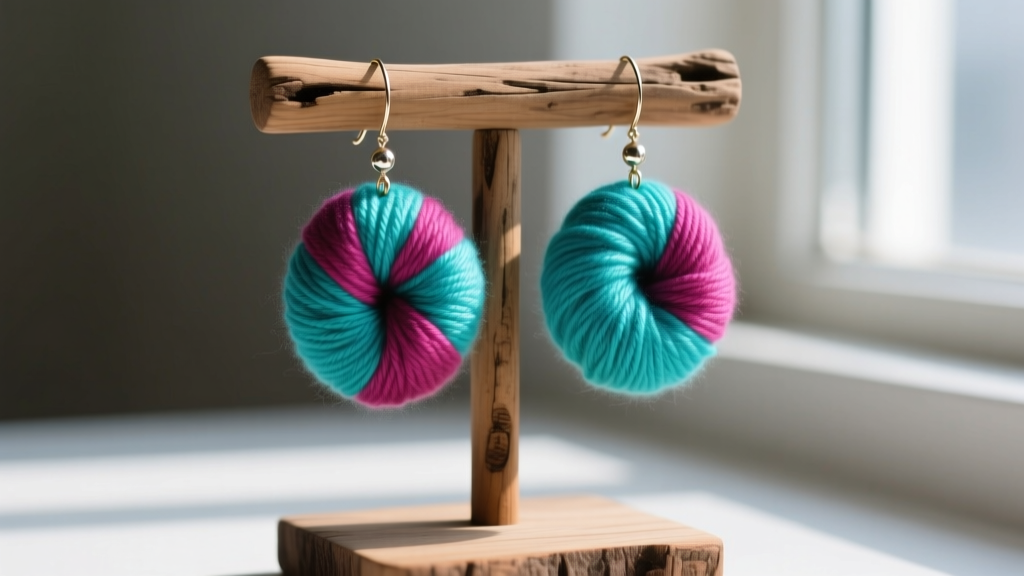
The Renaissance of Yarn Jewelry in 2026
Yarn earrings have transcended their origins as simple craft-fair novelties to become highly sought-after, lightweight statement pieces in the contemporary jewelry market. As we navigate the 2026 accessories landscape, the demand for sustainable, handcrafted fiber art has surged. However, the barrier to entry for making yarn earrings is remarkably low, which means the market is currently flooded with everything from exquisite, heirloom-quality artisan pieces to poorly constructed, mass-produced dropshipped items that fall apart after a single wear.
Whether you are drawn to intricate macrame designs, bold tassel drops, or yarn-wrapped hoops, knowing how to evaluate the raw materials, hardware integrity, and construction techniques is essential. This comprehensive buying guide will equip you with the technical knowledge to separate true artisan craftsmanship from fast-fashion fiber jewelry, ensuring your next purchase is both beautiful and enduring.
Decoding Yarn Fibers: Which Material is Best?
The longevity, drape, and visual appeal of yarn earrings are entirely dictated by the fiber content. According to the Craft Yarn Council, yarns are categorized by weight and material, both of which drastically affect jewelry outcomes. Most high-quality earrings utilize Fingering (Super Fine) or Sport (Fine) weight yarns to maintain a delicate scale. Here is how the most common fibers perform in jewelry applications:
| Fiber Type | Pros for Jewelry | Cons & Failure Modes | Best Earring Style |
|---|---|---|---|
| Mercerized Cotton | High luster, excellent stitch definition, resists pilling, holds dye vibrantly. | Can be slightly heavier than synthetic blends; lacks stretch. | Structured macrame, geometric tassels. |
| Bamboo / Viscose | Silky drape, beautiful sheen, lightweight, eco-friendly appeal. | Prone to snagging, can stretch out of shape if hung improperly. | Fluid, long tassel drops. |
| Wool (Merino) | Warm, matte texture, excellent for needle-felted or chunky designs. | Can felt or shrink if exposed to moisture; may cause itching near the neck. | Winter collections, wrapped hoops. |
| Acrylic | Inexpensive, widely available, lightweight. | Pills easily, develops static cling, looks cheap over time, melts near heat. | Avoid for fine jewelry; acceptable for children's crafts. |
Expert Tip: Always look for mercerized cotton. The mercerization process treats the cotton fibers with sodium hydroxide, which swells the fibers, increases their tensile strength, and gives them a permanent, silk-like luster that mimics high-end thread. Untreated cotton will look dull and fuzzy after just a few weeks of wear.
Hardware Matters: Hooks, Gauges, and Allergies
The most common point of failure in handmade yarn earrings is not the yarn itself, but the cheap hardware used to attach it to the ear. Because yarn earrings are often lightweight, some makers cut costs by using base-metal ear wires that contain nickel, leading to severe contact dermatitis. The American Academy of Dermatology consistently warns against nickel exposure in jewelry, recommending hypoallergenic alternatives for sensitive piercings.
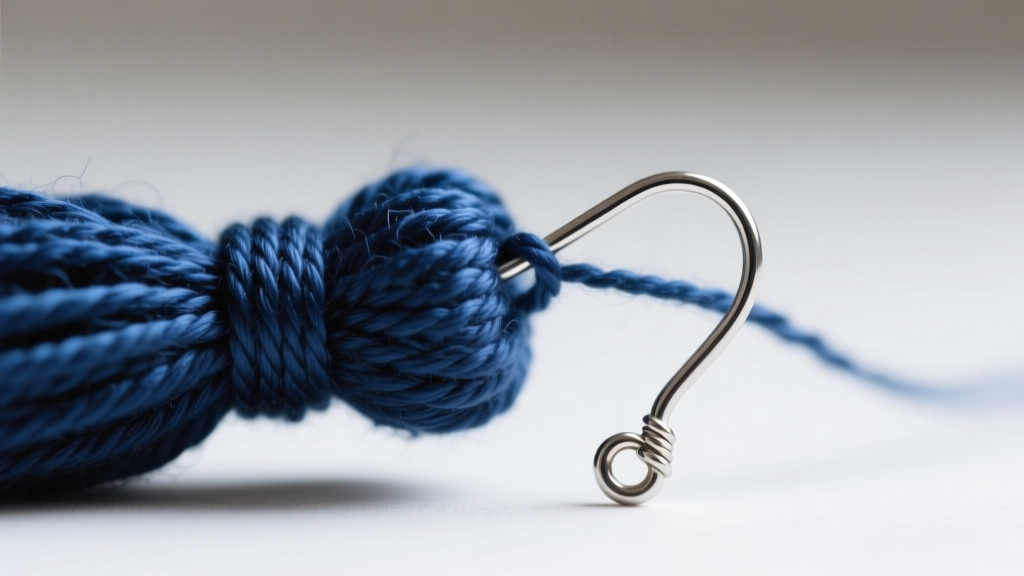
Wire Gauge Breakdown
The thickness of the ear wire (gauge) dictates both comfort and security. Jewelry suppliers like Rio Grande standardize these measurements, and you should expect makers to specify their gauge:
- 22-Gauge (0.64mm): The most common size for standard lobe piercings. It slides in effortlessly and is light enough not to stretch the earlobe, making it ideal for delicate yarn tassels.
- 20-Gauge (0.81mm): Slightly thicker, offering more structural support for heavier macrame or yarn-wrapped hoop designs. Best for those with slightly stretched or well-healed piercings.
- 18-Gauge (1.02mm) and thicker: Generally too thick for standard ear wires and is better suited for cartilage piercings or heavy-duty structural hoops.
What Metals to Demand
When reading product descriptions, look for Niobium, Grade 23 Titanium, or 14k Gold-Filled wires. Avoid vague terms like 'surgical steel' (which can still contain trace nickel) or 'Tibetan Silver' (a base metal alloy notorious for causing allergic reactions and rapid tarnishing).
Construction Quality: Spotting Artisan vs. Mass-Produced
When buying yarn earrings online, you must scrutinize the macro photography to assess construction integrity. Mass-produced yarn earrings are often assembled with speed and cheap adhesives, whereas true artisans utilize time-tested fiber binding techniques.
The Tassel Cap Test
How is the tassel attached to the jump ring? In cheap, factory-made earrings, the yarn is stuffed into a metal cone cap and secured with hot glue or brittle cyanoacrylate (superglue). Over time, body heat and environmental temperature changes cause the glue to crack, resulting in the tassel slipping out and being lost.
The Artisan Standard: High-end makers use a binding knot. They fold the yarn over a core loop and tightly whip-stitch or wrap the top with a matching, high-tensile thread (like nylon or silk) before applying a micro-drop of flexible jewelry adhesive, such as E6000. If you can see messy glue seeping out of a metal tassel cap in the product photos, walk away.
Macrame Tension and Knot Integrity
For macrame yarn earrings, examine the tension of the knots. The square knots and half-hitches should be uniform, tight, and symmetrical. Loose, sloppy knotting not only looks unprofessional but will cause the earring to lose its shape and stretch out permanently when caught on a sweater or hair.
Proportion and Face Shape Pairing
Yarn earrings offer incredible volume without the punishing weight of metal or gemstones. This makes them ideal for playing with proportion based on your face shape:
- Round Faces: Opt for long, linear yarn tassels or vertical macrame drops. The elongated silhouette draws the eye downward, creating a slimming, lengthening effect. Avoid wide, circular yarn hoops.
- Square Faces: Choose soft, curved designs like teardrop-shaped yarn wraps or rounded, fluffy tassels to soften a strong jawline.
- Heart-Shaped Faces: Look for yarn earrings that are wider at the bottom, such as triangular macrame patterns or inverted tassel designs, to balance a narrower chin.
- Oval Faces: You have the versatility to pull off any style, from chunky, short yarn studs to dramatic, shoulder-grazing fiber dangles.
Pricing Tiers: What Should You Actually Pay?
Understanding the market value of yarn earrings protects you from overpaying for dropshipped goods disguised as handmade art. Based on current 2026 artisan market data, here is what you should expect to pay:
- $6 - $14 (Mass-Produced / Dropshipped): Usually made from acrylic yarn, featuring glued tassel caps and base-metal hooks. Often sold on massive marketplace sites with thousands of identical listings.
- $22 - $45 (Independent Artisan): The sweet spot for true handmade quality. Expect mercerized cotton or bamboo yarns, hand-dyed fibers, niobium or titanium hardware, and secure thread-bound construction.
- $55 - $95+ (High-End Fiber Art): These pieces often incorporate hand-spun, naturally dyed luxury fibers (like silk blends or alpaca), integrated precious metal beads, or highly complex, multi-day micro-macrame techniques.
Care, Storage, and Preventing Fraying
Yarn is a textile, and like any fine garment, it requires specific care to maintain its structural integrity and visual appeal. The biggest enemies of yarn earrings are friction, moisture, and improper storage.
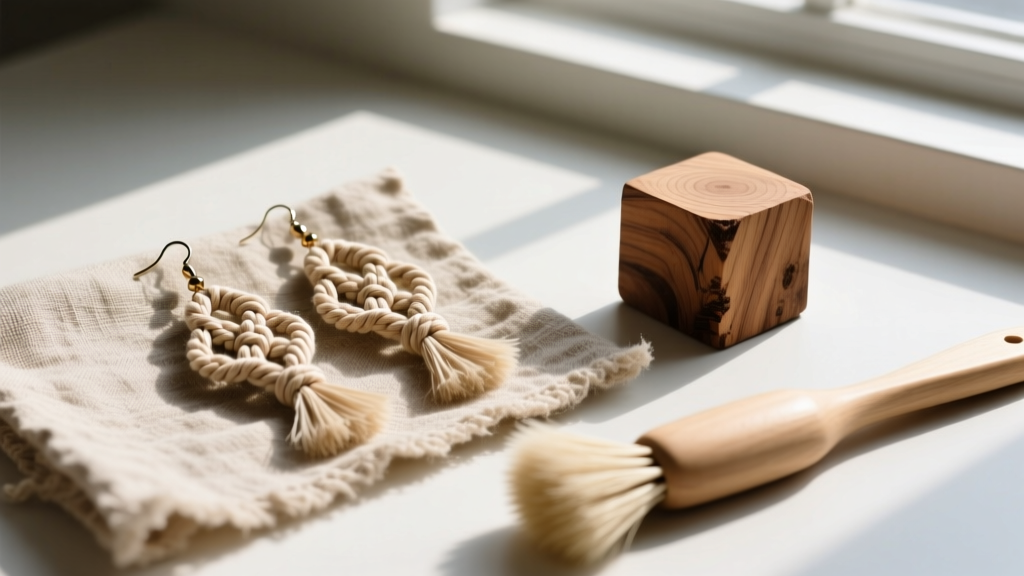
Pro-Tip for Tassel Maintenance: If your cotton or silk yarn tassels begin to look frizzy or tangled, do not use water or chemical detanglers. Instead, use a clean, soft-bristle makeup brush or a specialized tassel comb to gently stroke the fibers downward. For deep storage, keep them in a breathable cotton bag with a small cedarwood block to naturally repel moths and absorb ambient humidity without the use of harsh chemical sachets.
Always remove yarn earrings before swimming, showering, or applying heavy hairsprays. While mercerized cotton is highly resilient, prolonged exposure to chlorine or saltwater will eventually degrade the fiber's luster and weaken the binding threads. By investing in quality materials and practicing mindful storage, your artisan yarn earrings will remain a vibrant, lightweight staple in your jewelry rotation for years to come.


