2026 Gift Guide: Stunning Asian Earrings for Every Occasion
Discover the perfect Asian earrings for any 2026 occasion. Our expert gift guide covers jade grades, gold filigree, motifs, and pricing.

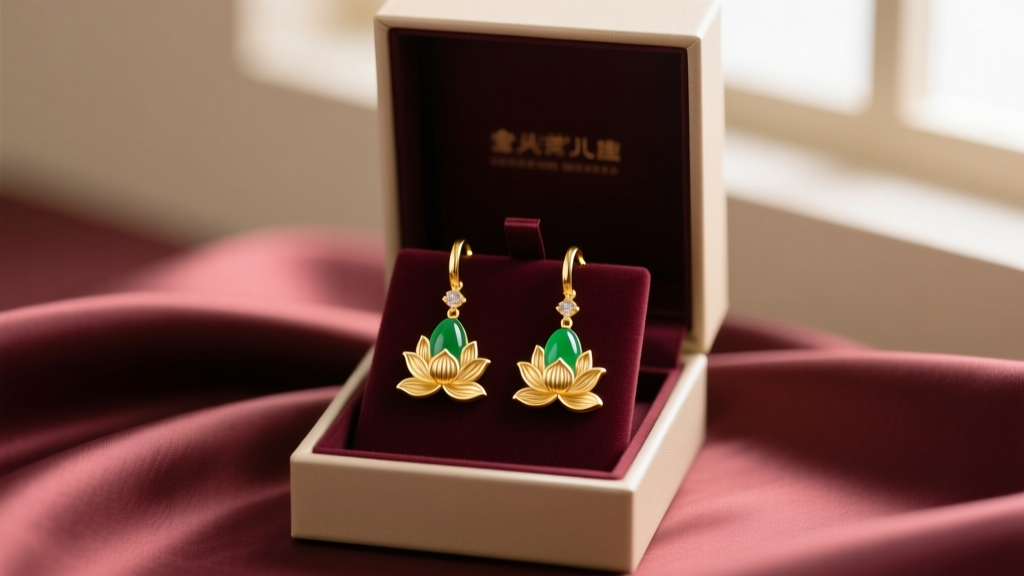
Gifting jewelry is an intimate act, but gifting pieces rooted in centuries of cultural heritage elevates the gesture into something truly profound. As we navigate the 2026 jewelry landscape, the demand for Asian earrings has surged, driven by a global appreciation for East and Southeast Asian craftsmanship, symbolic motifs, and masterful material manipulation. Whether you are shopping for a milestone wedding, a graduation, or a thoughtful birthday present, understanding the nuances of these designs is critical. This comprehensive gift guide will help you navigate jade grades, gold purities, and cultural symbolism to select the perfect pair of earrings for every occasion.
The Foundation: Understanding Jade and Gold Grades
Before selecting a specific design, a discerning gift-giver must understand the materials that define traditional and contemporary Asian jewelry. The two most prominent materials are jadeite and high-karat gold, both of which require a trained eye to evaluate properly.
The Jade Hierarchy: Why Type A is Non-Negotiable
Jade (specifically jadeite) is the cornerstone of East Asian jewelry. However, not all jade is created equal. When gifting, you must exclusively look for Type A Jadeite. According to the Gemological Institute of America (GIA), the grading system for jadeite is distinctly different from diamonds:
- Type A: 100% natural, untreated jadeite. It may be polished with a traditional plum wax, but its internal structure is completely intact. This is the only grade suitable for heirloom gifting and investment.
- Type B: Bleached and polymer-impregnated to remove brown spots and improve translucency. Over time, the polymer yellows and degrades, ruining the stone's value and appearance.
- Type C: Artificially dyed to mimic high-end imperial green or lavender hues. The color will fade with exposure to light and heat.
Gifting Rule: Never gift Type B or C jade. Always request a certificate from a reputable lab like the GIA or the National Gemstone Testing Center (NGTC) verifying Type A status.
Gold Purity: 24k vs. 18k in Asian Designs
Traditional Chinese and Southeast Asian jewelry heavily favors 24k gold (99.9% pure). Its distinct, rich yellow hue is culturally associated with wealth and prosperity. However, 24k gold is exceptionally soft. For heavy drop earrings or intricate filigree, modern artisans often use 18k gold (75% pure) for the structural components—like the ear post and the clutch backing—to ensure the earring doesn't bend under its own weight, while reserving 24k gold for the decorative bezels and motifs.
The Occasion-Matching Matrix
Matching the earring style to the recipient's milestone is where the true art of gifting lies. Use the matrix below to align your purchase with the specific event you are celebrating in 2026.
| Occasion | Recommended Motif | Material Focus | Est. Price Range (USD) |
|---|---|---|---|
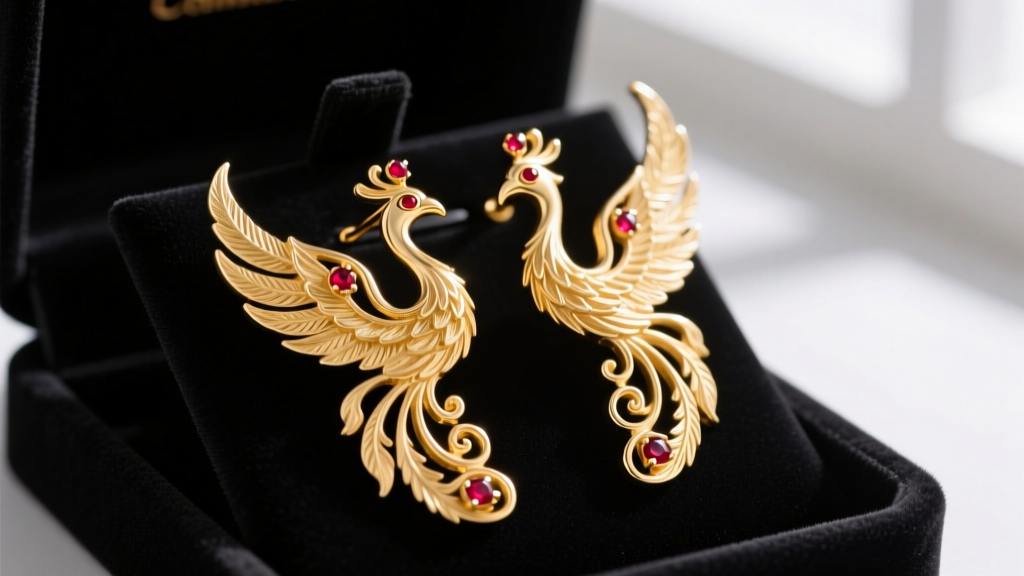
| Weddings & Engagements | Dragon & Phoenix, Double Happiness | 24k Gold, Ruby, Type A Imperial Jade | $2,500 - $10,000+ |
| Graduations & Career | Bamboo, Minimalist C-Clamp, Geometric | 18k White/Yellow Gold, Nephrite, Akoya Pearl | $400 - $1,200 |
| Milestone Birthdays | Lotus, Peony, Cherry Blossom | 18k Rose Gold, Enamel (Cloisonné), Lavender Jade | $800 - $3,000 |
| Everyday / Professional | Calabash (Hulu), Simple Cabs, Knots | 14k/18k Gold, White Jadeite, Freshwater Pearl | $150 - $600 |
Symbolic Motifs: Speaking Through Design
Asian earrings are rarely just decorative; they are talismans carrying specific blessings. Choosing the right motif adds a layer of personalization that mass-produced jewelry simply cannot match.
Flora and Fauna
- The Peony: Known as the 'King of Flowers,' the peony represents wealth, honor, and feminine beauty. It is an exceptional gift for anniversaries or celebrating a partner's professional success.
- The Lotus: Rising unsullied from muddy waters, the lotus symbolizes purity, resilience, and spiritual awakening. This makes it a deeply meaningful gift for graduations or someone overcoming a significant life challenge.
- The Phoenix (Fenghuang): Often paired with the dragon in wedding jewelry, the phoenix represents grace, virtue, and the balance of yin and yang. Phoenix motifs are heavily detailed, often utilizing cloisonné enamel or intricate gold filigree.
Objects of Fortune
- The Calabash (Hulu): Its shape resembles the number '8' (associated with luck) and it historically held medicine. Gifting calabash-shaped jade studs is a subtle way to wish the wearer health and longevity.
- The Ruyi Knot: A continuous, unbroken line symbolizing eternal love and seamless good fortune, perfect for Valentine's Day or romantic milestones.
Technical Specifications: Gauges, Weight, and Wearability
A beautiful earring is a failure if it is uncomfortable to wear. Asian earrings, particularly those featuring solid carved jade or heavy gold filigree, present unique engineering challenges regarding weight distribution and earlobe health.
Post Gauge and Thickness
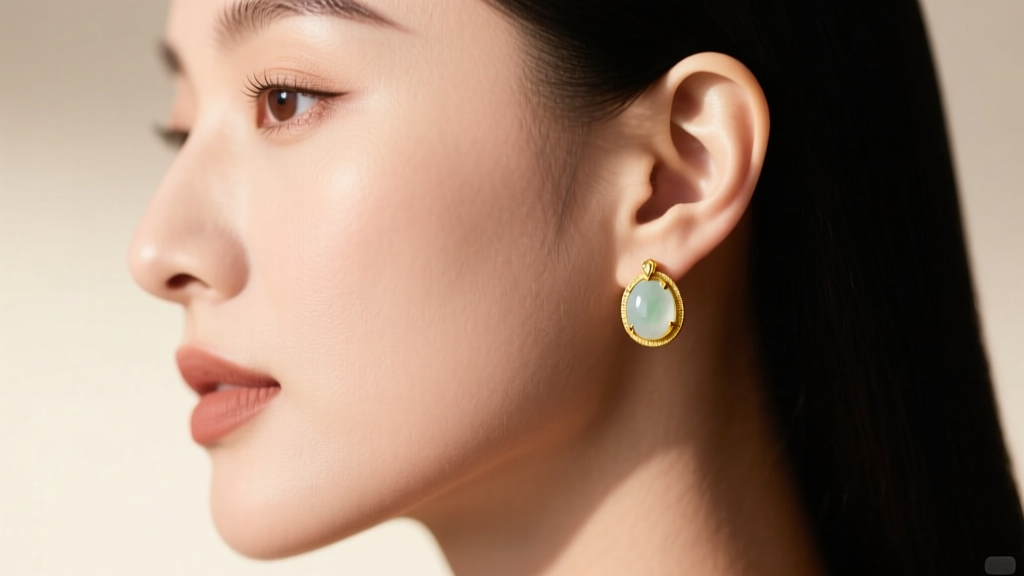
Standard Western earrings typically use a 20-gauge (0.81mm) post. However, authentic Asian earrings featuring heavy jade cabs or solid 24k gold elements often utilize an 18-gauge (1.02mm) or even 16-gauge (1.29mm) post. This thicker wire is necessary to prevent the post from bending under the weight of the stone. Gifting Tip: If the recipient has very fine or newly pierced ears, an 18g post might feel tight. In this case, opt for lighter, hollowed-gold filigree designs or smaller jade cabochons that can be safely mounted on standard 20g posts.
Weight Distribution and Backings
Drop earrings with top-heavy jade carvings can cause the earlobe to droop, leading to discomfort and stretched piercings over time. To combat this, look for the following structural features:
- Earring Jackets / Climbers: Designs that wrap around the earlobe or climb the cartilage to distribute the weight across a larger surface area.
- Silicone Friction Backs: High-quality, medical-grade silicone clutches provide a much stronger grip than standard metal butterfly backs and offer a cushion between the heavy gold and the back of the ear.
- Omega or Clip-Backs: For vintage or exceptionally heavy ceremonial pieces (like traditional bridal dragon-phoenix drops), non-pierced clip-on mechanisms with adjustable tension screws are often used to bear the weight on the entire earlobe rather than just the piercing hole.
Sourcing and Authentication in 2026
The proliferation of e-commerce has made sourcing Asian earrings easier, but it has also flooded the market with treated stones and gold-plated imposters. When investing in heritage pieces, provenance is everything.
For jadeite, insist on documentation from the NGTC (National Gemstone Testing Center of China) or the GIA. These labs use advanced spectroscopy to detect the polymer resins used in Type B jade. For gold, look for hallmark stamps. Traditional Chinese gold will be stamped with 'Zu Jin' (meaning pure gold, 99.0%) or 'Qian Zu Jin' (99.9% pure). Modern pieces designed for daily wear will bear the standard '750' or '18k' stamp.
Expert Insight: When buying vintage or antique Asian earrings (such as early 20th-century Kingfisher feather inlay or 'Tian-tsui' pieces), ensure the seller provides documentation that the materials were ethically sourced or are antique exemptions, as modern trade in endangered bird feathers is strictly prohibited globally. Opt for modern enamel or silk-thread alternatives that mimic the vibrant blue and teal hues without the ethical and legal baggage.
Final Gifting Tips: Packaging and Presentation
Presentation matters deeply in Asian gifting culture. Avoid wrapping the jewelry box in white or black paper, as these colors are traditionally associated with mourning in many East Asian cultures. Instead, opt for crimson, gold, or deep jade-green packaging. Including a small, handwritten card explaining the specific meaning behind the motif you chose—whether it's the resilience of the lotus or the prosperity of the peony—transforms a beautiful accessory into a deeply personal, culturally rich heirloom that will be cherished for generations.


