Frida Kahlo Earrings: A Buyer's Guide to Iconic Style
Discover how to choose authentic Frida Kahlo earrings. Learn about pre-Columbian motifs, weight management, gauge sizes, and material grades.

The Legacy of Frida’s Jewelry: More Than Just Aesthetic
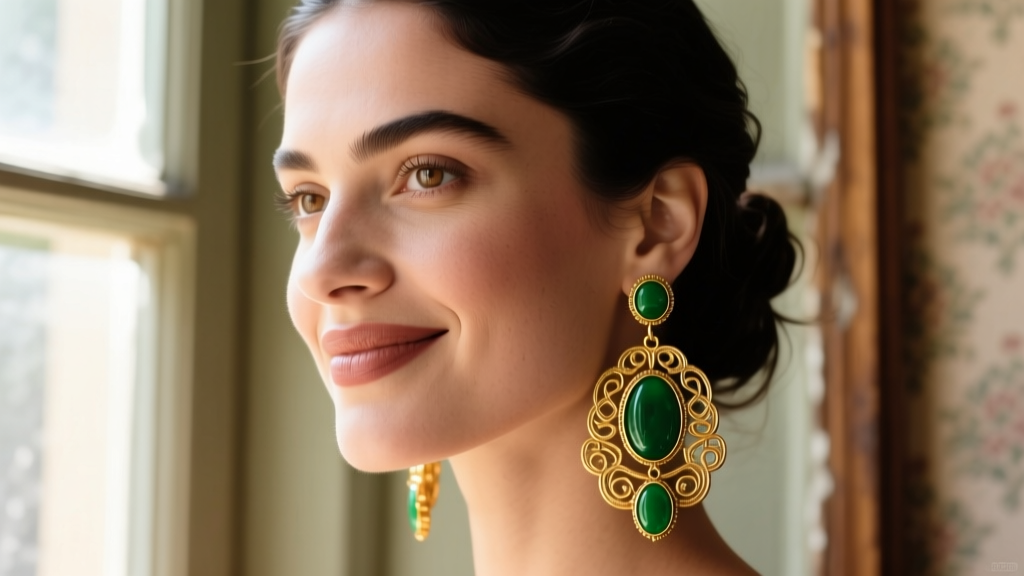
Frida Kahlo’s self-portraits are globally recognized, but her jewelry was never merely decorative; it was a profound extension of her identity, politics, and physical reality. When shopping for Frida Kahlo earrings today, buyers are often drawn to the bold, unapologetic scale and the rich pre-Columbian motifs. However, translating her iconic 1930s and 40s style into a modern, wearable collection requires a deep understanding of jewelry engineering, material authenticity, and historical context.
As of 2026, the market is flooded with mass-produced, lightweight alloy replicas that capture the visual essence of her style but fail in structural integrity and material quality. True homage to Kahlo’s jewelry box—which is still preserved at La Casa Azul (the Museo Frida Kahlo) in Mexico City—demands attention to the specific metals, gemstones, and weight distributions she favored. This guide will equip you with the expert knowledge needed to invest in high-quality, authentic, or artisan-crafted Frida Kahlo earrings without compromising your earlobe health or your budget.
Decoding the Motifs: What Makes an Earring "Frida"?
Frida’s earrings were heavily influenced by her Tehuana heritage and her deep fascination with Mexico’s indigenous history. When evaluating a piece for authenticity or high-end artisan inspiration, look for these specific historical motifs:
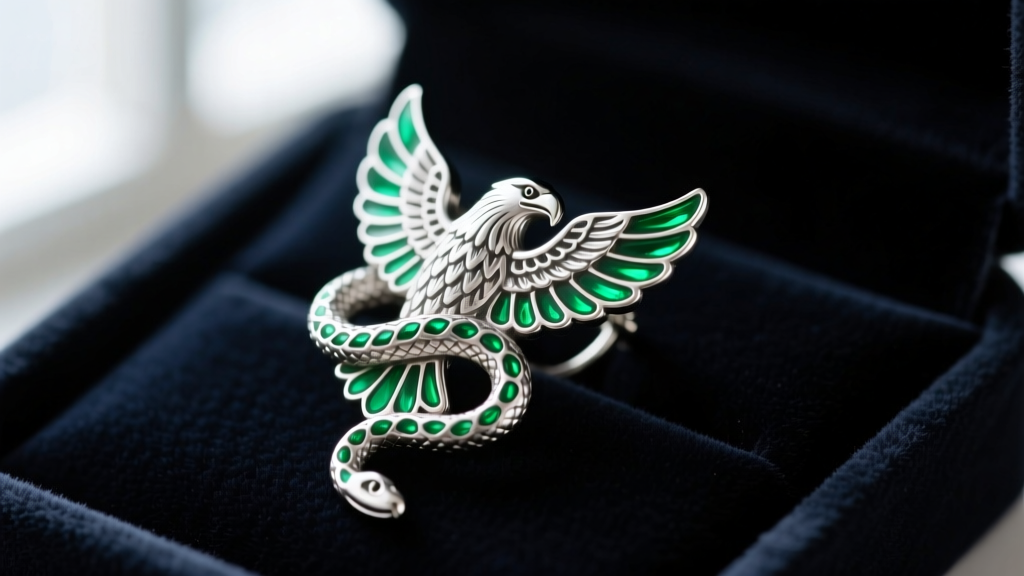
- The Eagle and Serpent: Drawing directly from the Mexican flag and Aztec mythology, these pieces often feature intricate enamel work and represent the duality of life and death.
- Pre-Columbian Jade and Turquoise: Frida frequently wore actual archaeological artifacts. High-end replicas will use genuine jadeite or turquoise rather than dyed howlite or glass.
- Botanical and Floral Elements: Dahlias, roses, and vines were common, often rendered in hammered silver or gold with vibrant champlevé enamel accents.
- Hands and Hearts: Reflecting her surrealist leanings and physical pain, anatomical motifs like milagros (religious charms) shaped as hands or pierced hearts are highly sought after by serious collectors.
The Weight Factor: Engineering for Heavy Statement Pieces
The most common mistake buyers make when purchasing Frida Kahlo-inspired earrings is ignoring the center of gravity and overall weight. Frida’s original pieces were notoriously heavy, often causing her physical discomfort. Modern wearers must prioritize structural engineering to avoid the "cheese-cutter effect," where thin wires slice through the earlobe under the stress of heavy pendants.
Gauge Sizing and Wire Thickness
Standard fashion earrings typically use 20-gauge (0.81mm) or 18-gauge (1.02mm) wires. For statement pieces that mimic Kahlo’s bold drops, these gauges are dangerously thin. You must look for reinforced findings.
| Earring Weight | Recommended Gauge | Wire Thickness | Best Backing Type |
|---|---|---|---|
| Under 5g | 20g - 18g | 0.81mm - 1.02mm | Standard Friction Post |
| 5g - 15g | 18g - 16g | 1.02mm - 1.29mm | Leverback or French Wire |
| 15g - 25g+ | 16g - 14g | 1.29mm - 1.63mm | Leverback + Ear Support Patch |
Pro Tip: For earrings exceeding 15 grams, always pair 16-gauge leverback wires with silicone ear support patches (like LobeWonder) or specialized invisible earring supports that distribute the weight across the back of the ear cartilage rather than just the lobe.
Material Authenticity: Precious Metals vs. Modern Alternatives
To build a collection that honors the historical accuracy of Kahlo's era, you must scrutinize the materials. The 1930s and 40s saw a renaissance in Mexican silversmithing, particularly in Taxco, Guerrero.
Taxco Silver and Hallmarks
Frida was closely associated with the Taxco silver movement, championed by figures like William Spratling. When buying vintage or high-end artisan silver earrings, look for the Mexican Eagle stamp (introduced in 1948) alongside the "925" purity mark. A genuine Taxco piece will have a distinct, heavy, hand-hammered finish that mass-cast white metal or rhodium-plated brass simply cannot replicate. Expect to pay between $150 and $400 for authentic, artisan-crafted Taxco silver statement earrings.
Jadeite vs. Nephrite and Imitations
Kahlo loved pre-Columbian jade. However, the term "jade" in the modern jewelry market is a catch-all. According to the Gemological Institute of America (GIA), true jade is either jadeite or nephrite. The vibrant, translucent green stones seen in high-end museum replicas are jadeite. Cheaper alternatives use dyed nephrite, serpentine, or aventurine. Always ask the seller for the specific mineral name; if they cannot provide it, assume it is a simulant.
Where to Buy: Museums, Artisans, and Red Flags
Sourcing authentic Frida Kahlo earrings requires navigating a sea of fast-fashion knockoffs. Here is a decision framework for where to invest your money:
- The Gold Standard (Museum Replicas): The official Museo Frida Kahlo store and authorized partners like the Victoria and Albert Museum (which has hosted major Kahlo exhibitions) occasionally release licensed, historically accurate replicas. These are typically priced between $80 and $250 and guarantee motif accuracy.
- Artisan Silversmiths: Look for independent jewelers based in Taxco or Mexico City on platforms like Etsy. Filter strictly for "Solid 925 Sterling Silver" and check for photos of the hallmarks. Avoid sellers shipping from massive overseas dropshipping hubs if you want genuine Mexican craftsmanship.
- Red Flags: Avoid any piece labeled "Tibetan Silver," "Alpaca" (unless verified nickel-free, as traditional alpaca contains nickel and can cause severe contact dermatitis), or "Zinc Alloy." These materials are prone to rapid oxidation, skin staining, and structural snapping under the weight of large pendants.
"Frida’s jewelry was armor. It wasn't meant to be delicate; it was meant to command space. When we replicate her earrings today, we must respect the physical weight and the cultural gravity of the materials she chose."
Care and Maintenance for Vintage and Artisan Pieces
Heavy, mixed-media earrings require specific maintenance to preserve their structural and aesthetic integrity over decades.
- Cleaning Turquoise and Jade: Never use ultrasonic cleaners or harsh chemical dips on porous stones like turquoise or fractured jade. The vibrations can shatter internal fissures, and chemicals will strip the stone's natural oils, leaving it chalky and brittle. Use a damp microfiber cloth and a soft baby toothbrush with mild, phosphate-free soap.
- Silver Tarnish Management: Taxco silver will naturally oxidize, especially in the deep crevices of hand-engraved eagle or floral motifs. Use a dedicated silver polishing cloth rather than liquid dips, which will strip the intentional antiquing (patina) that gives the piece its vintage depth.
- Storage: Never hang heavy Frida-style earrings on standard jewelry trees. The sustained gravitational pull on the wire over months will warp the metal and weaken the solder points at the jump rings. Store them flat in a lined jewelry box, ideally with anti-tarnish silica strips.
Final Verdict: Building Your Collection
Buying Frida Kahlo earrings is an exercise in balancing historical reverence with modern biomechanical reality. By prioritizing 16-gauge or 18-gauge structural wires, demanding genuine 925 Taxco silver or verified jadeite, and utilizing earlobe support systems for pieces over 15 grams, you can wear these iconic, politically charged statements comfortably. Invest in fewer, higher-quality artisan pieces rather than a drawer full of fragile alloys, and your collection will truly reflect the enduring, unbreakable spirit of Frida herself.


