Ultimate Cleaning Guide for Kate Spade Stud Earrings
Learn how to safely clean Kate Spade stud earrings. Expert tips on protecting gold plating, enamel, and crystals from tarnish and damage.

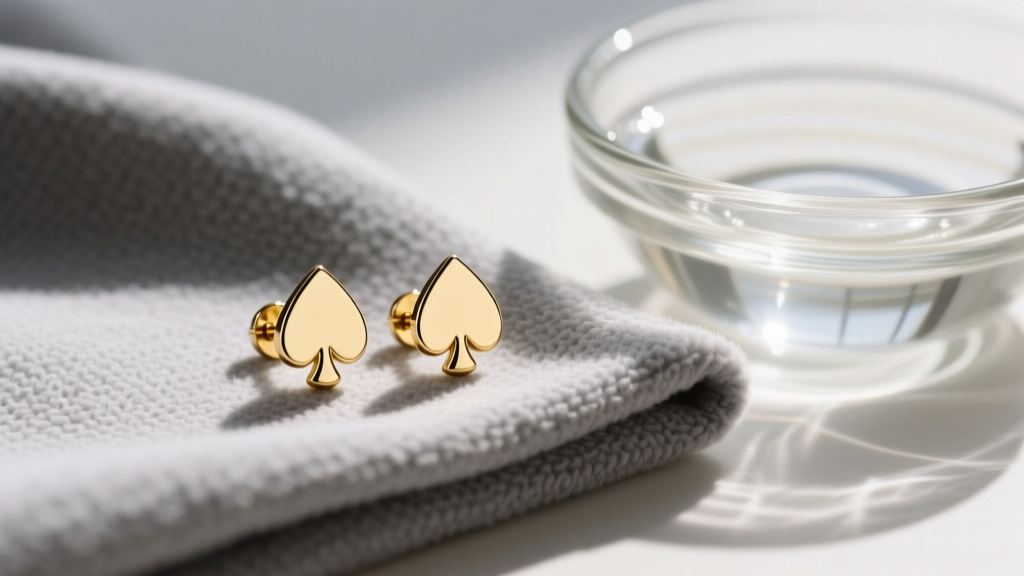
Kate Spade stud earrings are beloved for their whimsical designs, vibrant enamel work, and signature gold-plated finishes. However, the very materials that make these pieces so visually striking—gold-plated brass, cold enamel, and glued cubic zirconia (CZ)—require a highly specific approach to maintenance. Using standard jewelry cleaners or harsh home remedies can permanently strip the plating, cloud the enamel, or loosen the stone settings.
In this comprehensive guide, we break down the exact material anatomy of Kate Spade studs and provide a professional-grade, step-by-step cleaning protocol to keep your collection pristine for years to come.
The Material Anatomy: Why Standard Cleaners Fail
To properly care for your jewelry, you must first understand what it is made of. According to the Jewelers of America, fashion and bridge jewelry relies on layered construction rather than solid precious metals. Kate Spade stud earrings typically feature:
- Base Metal: A brass or zinc alloy. Brass contains copper, which is highly reactive to the acids in human sweat.
- Plating: A microscopically thin layer of 12k or 14k gold, or rhodium (for silver-toned pieces), usually measuring between 0.5 and 1.0 microns thick.
- Accents: Cold enamel (an epoxy-based resin rather than heat-fired glass) and pavé or bezel-set cubic zirconia.
Because the gold plating is incredibly thin, abrasive cleaners will wear it down to the base brass. Furthermore, cold enamel is essentially a hardened resin; exposure to alcohol or ultrasonic vibrations will cause it to craze, cloud, or chip. Understanding these failure modes is the first step in preserving your earrings.
Step-by-Step Cleaning Protocol for Plated and Enamel Studs
Forget the commercial jewelry dips. The safest and most effective way to clean Kate Spade stud earrings is using a gentle, pH-neutral approach that lifts body oils and cosmetic residue without attacking the metallic or resin layers.
1. The Mild Soap Soak Method
For standard gold-plated or rhodium-plated studs without heavy enamel or glued stones, a mild soap bath is ideal.
- Prepare the Solution: Mix two cups of lukewarm distilled water with three drops of pH-neutral dish soap (such as original blue Dawn). Avoid tap water, as the chlorine and hard minerals can leave micro-deposits on the plating.
- The Brief Soak: Submerge the earrings for exactly 3 to 5 minutes. This is enough time to soften sebum and lotion buildup without risking water intrusion into the stone settings.
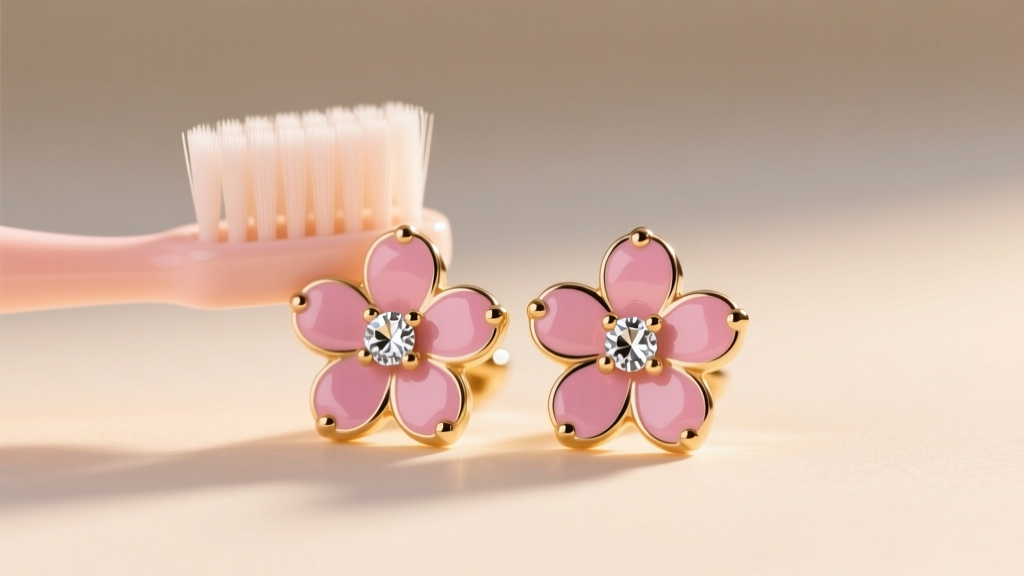
- Agitation: Remove the studs and gently brush them with an ultra-soft baby toothbrush. Focus on the scrollwork of the butterfly friction backs and the base of the post, where dead skin cells accumulate.
- Rinse and Dry: Rinse briefly under a slow stream of distilled water. Immediately pat dry with a lint-free microfiber cloth. Do not air dry, as water spots will form on the high-polish metal.
2. Tackling Enamel and Crystal Creep
If your Kate Spade studs feature vibrant enamel (like the iconic spade motifs or floral designs) or intricate CZ pavé, do not soak them. Water can seep under the bezel and degrade the jeweler's epoxy holding the stones in place.
Instead, dampen a cotton swab in the mild soapy solution and carefully trace the edges of the enamel. Use a dry, soft-bristled makeup brush to dust the cubic zirconia crystals. According to the Gemological Institute of America (GIA), CZ has a high refractive index that is easily dulled by facial oils; a simple dry brushing often restores the stone's fire without the need for liquids.
The 'Never Use' List: Chemical and Mechanical Hazards
Many well-intentioned jewelry owners ruin their favorite fashion pieces by applying fine jewelry cleaning methods to plated items. Below is a breakdown of common cleaning agents and exactly how they damage Kate Spade materials.
| Cleaning Method | Target Material | The Chemical/Mechanical Reaction |
|---|---|---|
| Ultrasonic Cleaners | CZ / Enamel | High-frequency cavitation shatters the epoxy glue holding stones and causes cold enamel to micro-fracture. |
| Silver Dip Solutions | Gold Plating / Brass | Thiourea-based acids strip the gold plating instantly, exposing the raw, tarnish-prone brass underneath. |
| Rubbing Alcohol | Cold Enamel | Acts as a solvent, breaking down the resin binders in the enamel, leading to a cloudy, permanently dull finish. |
| Baking Soda Paste | All Plated Metals | Baking soda ranks at 2.5 on the Mohs hardness scale; it will leave thousands of micro-scratches in the soft gold plating. |
Proper Storage to Prevent Tarnish and Scratching
How you store your Kate Spade stud earrings is just as critical as how you clean them. Brass base metals are highly susceptible to oxidation when exposed to ambient humidity and sulfur in the air.
Anti-Tarnish Hacks for Long-Term Storage
If you are rotating your jewelry collection and plan to store certain studs for more than a month, you must control the micro-climate of your jewelry box.
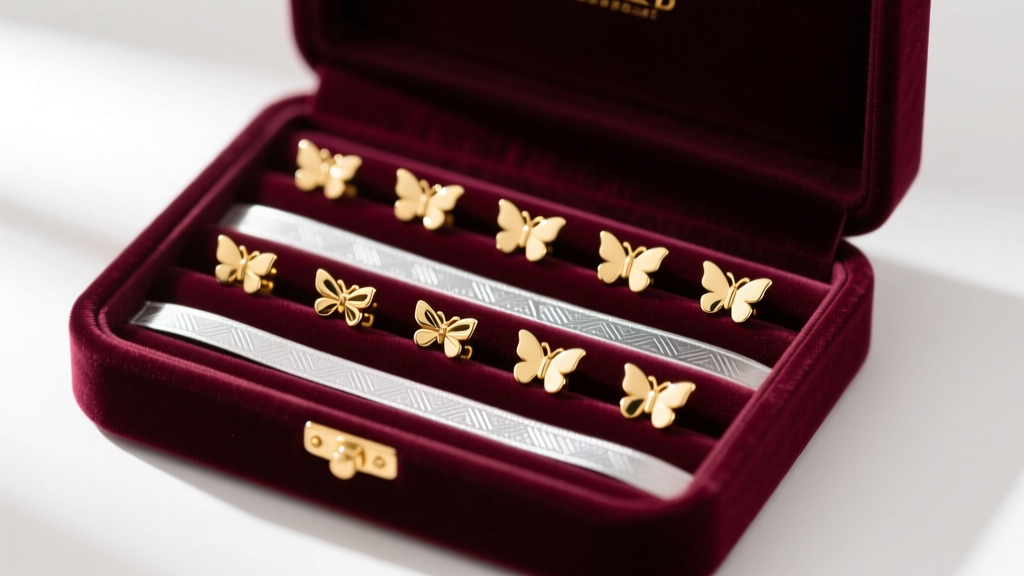
- 3M Anti-Tarnish Strips: Place one strip in each compartment of your jewelry box. These strips absorb airborne sulfides and can protect plated brass for up to six months.
- Silica Gel Packets: Moisture accelerates the oxidation of the copper within the brass base. Toss a few silica gel packets into your jewelry drawer to keep relative humidity below 40%.
- Individual Pouches: Never throw multiple studs into a single tray. The cubic zirconia (Mohs hardness 8.5) will easily scratch the gold plating (Mohs hardness 2.5-3) of adjacent earrings. Store each pair in its original flannel pouch or a small zip-top polyethylene bag.
Troubleshooting Common Wear Issues
Even with meticulous care, daily wear introduces specific challenges. Here is how to troubleshoot the most common issues associated with fashion jewelry studs.
Problem: The Earring Posts are Turning My Skin Green
The Cause: The gold plating on the post has worn away due to friction during insertion and removal, exposing the copper-rich brass base. When copper mixes with the lactic acid and salts in your sweat, it creates copper chloride, which stains the skin green.
The Fix: Coat the bare earring post with a thin layer of clear, hypoallergenic nail polish or a specialized jewelry barrier coating. This creates a physical shield between the reactive brass and your skin. Note that Kate Spade posts are typically 20-gauge (0.8mm) or 18-gauge (1.0mm); apply the polish sparingly so the post still fits comfortably through your piercing.
Problem: A Cubic Zirconia Stone Has Fallen Out
The Cause: The jeweler's epoxy has degraded due to exposure to heat, oils, or mechanical shock.
The Fix: Do not use cyanoacrylate (Super Glue), as it dries brittle, clouds the stone, and leaves a white, frosty residue on the metal. Instead, use a two-part clear jeweler's epoxy resin. Apply a microscopic dot to the bezel using a toothpick, seat the CZ stone, and let it cure undisturbed for 24 hours.
Problem: The Butterfly Backs are Stuck or Difficult to Remove
The Cause: Sebum, dead skin, and hair products have calcified inside the scrollwork of the friction back, acting like cement.
The Fix: Soak only the butterfly backs (not the whole earring) in a small cap of warm soapy water for 10 minutes. Use a wooden toothpick or a soft interdental brush to gently dislodge the debris from the inner clutch mechanism. Never use metal needles, as they will scratch the interior plating and create grooves where more bacteria can hide.
Expert Insight: Always put your Kate Spade stud earrings on after applying makeup, hairspray, and perfume, and take them off before showering or swimming. The chemicals in cosmetics and the chlorine in pools are the primary catalysts for premature plating degradation.
Final Thoughts on Longevity
Kate Spade stud earrings offer incredible style and versatility, but their mixed-material construction demands a thoughtful, gentle approach to maintenance. By abandoning harsh chemicals in favor of pH-neutral soaps, utilizing ultra-soft brushes, and controlling your storage environment, you can significantly extend the lifespan of the plating and enamel. Treat your fashion jewelry with the same respect you would give to fine jewelry, and your favorite studs will continue to sparkle and shine for every occasion.


