How to Clean and Maintain Vintage Clip Earrings Safely
Learn expert techniques to clean, restore tension, and preserve vintage clip earrings without damaging delicate foiled stones or antique plating.

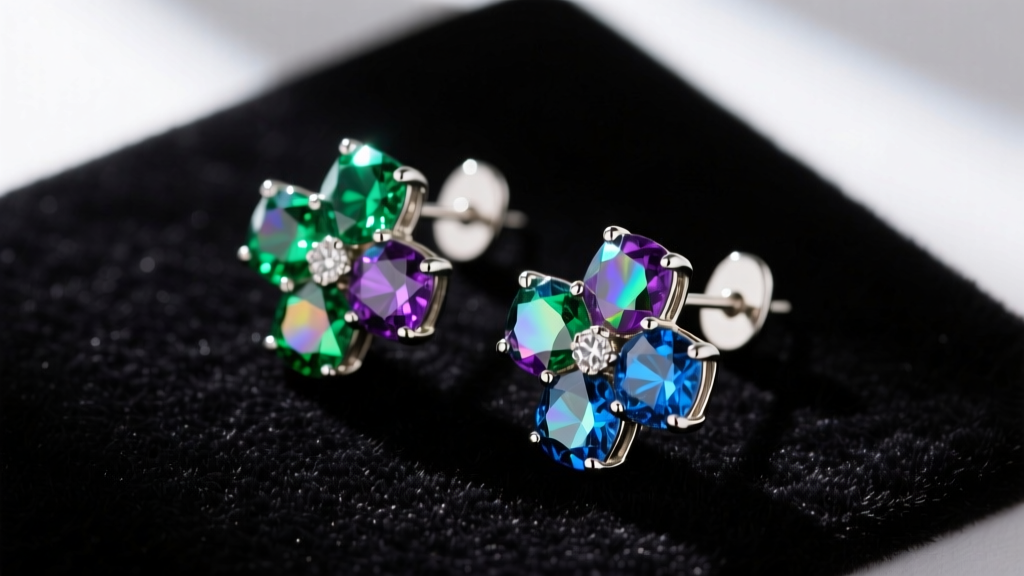
The Resurgence and Fragility of Non-Pierced Vintage Jewelry
As the fashion landscape of 2026 continues to embrace sustainable and archival fashion, vintage clip earrings have seen a massive resurgence among collectors and style enthusiasts who prefer non-pierced options. However, caring for mid-century costume jewelry requires a radically different approach than cleaning modern fine jewelry. Unlike solid gold or platinum pieces, vintage clip earrings are typically crafted from base metals like brass, pot metal, or copper alloys, and are heavily reliant on delicate plating, glued settings, and fragile foil-backed rhinestones. A single mistake with a commercial jewelry dip or an ultrasonic cleaner can instantly destroy the silvering on an antique stone or strip the gold wash from a 1940s filigree paddle back. This comprehensive guide provides museum-level conservation techniques to clean, restore, and preserve your vintage clip earrings safely.
Identifying Decades by Clip Mechanism
Before applying any cleaning solution, you must identify the era and mechanism of your earrings, as this dictates the metal's brittleness and structural integrity. Understanding the anatomy prevents accidental snapping during the cleaning process.
- Paddle Backs (1930s–1940s): Characterized by a flat, wide metal paddle that presses against the earlobe. These were often made from early pot metal or brass. Due to metal fatigue over the decades, bending a paddle back to adjust tension can easily cause micro-fractures or a complete snap.
- Screw-Backs (1950s–1960s): Featuring a threaded post with a adjustable tension pad. These are generally more durable and allow for precise micro-adjustments using a jeweler's screwdriver.
- Hinged/Spring Clips (1970s+): Utilizing a coiled steel spring inside a hinged barrel. The primary failure point here is rust inside the spring housing, which requires careful, dry cleaning rather than liquid immersion.
The Chemistry of Vintage Rhinestone Foil
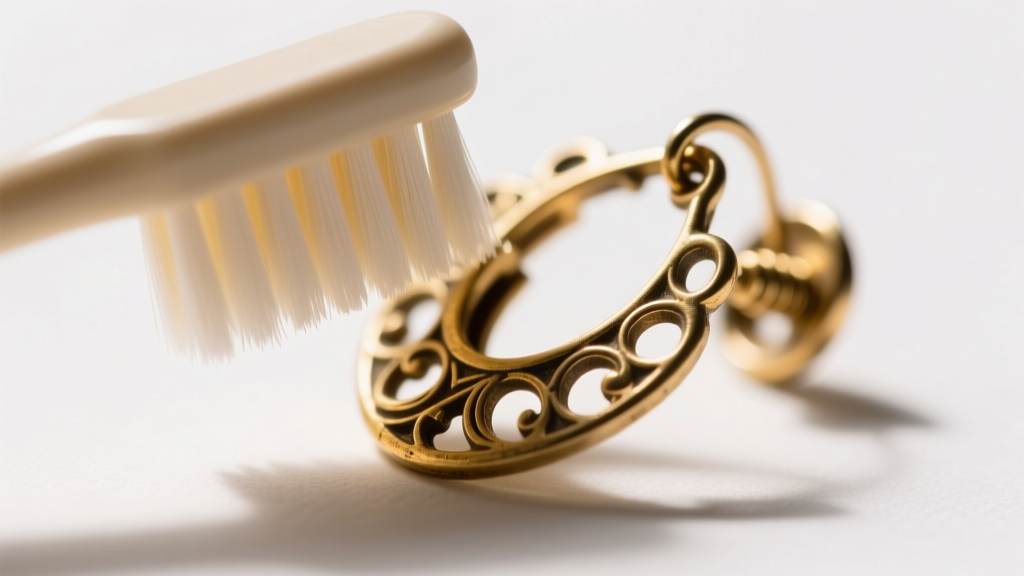
The most critical rule in vintage jewelry conservation is understanding foil-backed stones. According to the Gemological Institute of America (GIA), many antique paste and glass rhinestones rely on a delicate metallic foil (often silver or gold-colored) applied to the back of the glass to create brilliance. If moisture, ammonia, or alcohol seeps under the prongs, the foil oxidizes, turns black, or flakes away entirely, leaving the stone looking dull and transparent. Never submerge vintage clip earrings featuring rhinestones in any liquid. Instead, use a dry, soft-bristled baby toothbrush to gently sweep dust from the prongs, and a wooden toothpick to carefully dislodge grime from the crevices without scratching the soft metal settings.
Material-Specific Cleaning Protocols
Different materials demand highly specific chemical environments. Below is a conservation-grade framework for cleaning the diverse materials found in vintage clip earrings.
| Material / Component | Safe Cleaning Agent | Strictly Avoid | Application Tool |
|---|---|---|---|
| Foil-Backed Rhinestones | Dry microfiber, mild dish soap (damp Q-tip only) | Ammonia, Ultrasonic, Alcohol, Hot Water | Wooden toothpick, dry Q-tip |
| Bakelite / Lucite Plastics | Warm water, Simichrome polish (for Bakelite) | Boiling water, Abrasive pastes, Alcohol | Soft cotton cloth |
| Gold/Rhodium Plated Brass | Mild soap suds (applied with cloth, not soaked) | Silver dip, Polishing cloths, Baking soda | Microfiber cloth |
| Unfoiled Glass / Paste | Glass cleaner (sprayed onto cloth first) | Direct spraying on settings, Ultrasonic | Lint-free wipe |
| Steel Spring Hinges | Compressed air, micro-drop of synthetic oil | Water, WD-40 (attracts dust and gums up) | Precision oiler needle |
The Dangers of Ultrasonic and Chemical Cleaners
Modern jewelry cleaning often relies on ultrasonic machines and chemical dips. The American Gem Society (AGS) warns that while these methods are excellent for modern diamond and platinum jewelry, they are catastrophic for vintage costume pieces. Ultrasonic waves create microscopic cavitation bubbles that can easily shake loose the brittle, decades-old glue holding vintage rhinestones in their bezels. Furthermore, chemical silver dips contain thiourea and acids that will instantly strip the microscopic layer of gold or rhodium plating from brass base metals, leaving a porous, easily tarnished surface behind. Always stick to gentle, manual cleaning methods.
Restoring Tension and Comfort
Vintage clip earrings are notorious for causing earlobe fatigue due to excessive clamping pressure or uneven weight distribution. Restoring comfort requires mechanical adjustment rather than brute force.
Adjusting Screw-Backs
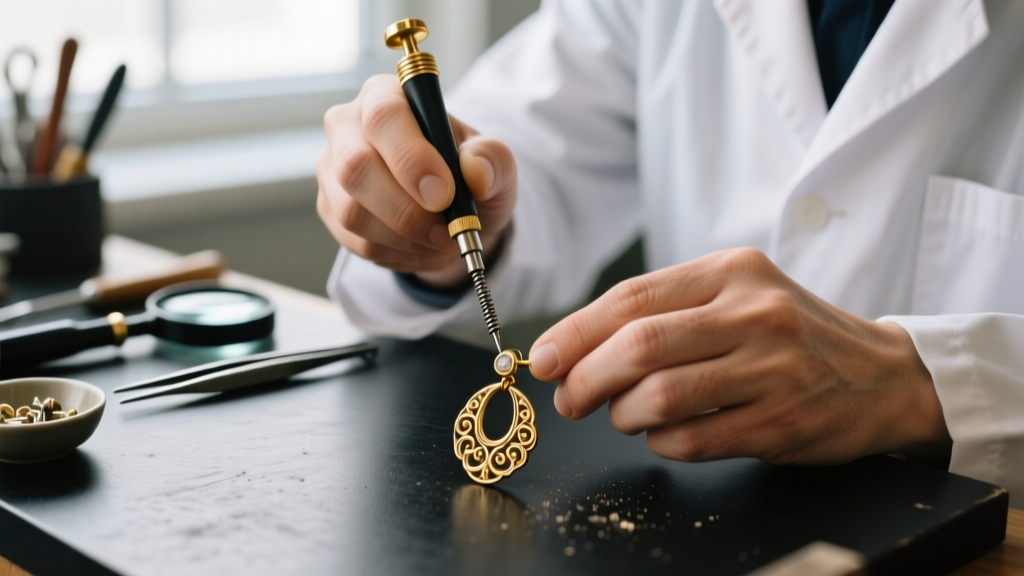
If your 1950s screw-back earrings are too tight, do not bend the metal arm. Instead, locate the tiny tension screw at the base of the paddle. Using a precision micro-jeweler's screwdriver (typically 1.0mm or 1.2mm flathead), turn the screw counter-clockwise by a quarter turn. Test the tension on your earlobe. This preserves the structural integrity of the soldered joints.
Replacing Ear Pads
The original foam or felt pads on vintage clip earrings have likely degraded into a sticky, crumbling mess. Carefully peel away the old adhesive using a Q-tip dipped in a tiny amount of Goo Gone (ensure the solvent does not touch the metal plating or stones). Replace them with modern, hypoallergenic silicone ear pads. Silicone provides superior grip and distributes the weight of heavy aurora borealis or jet glass stones much more evenly than vintage foam.
Addressing Paddle Back Metal Fatigue
If a 1940s paddle back is too loose, resist the urge to bend it inward. Pot metal from the WWII era is highly brittle. Instead, apply a small, discreet bead of clear UV-curing resin to the inside of the paddle to create a custom-molded cushion that adds thickness and grip without stressing the antique metal.
Troubleshooting Common Vintage Failures
Even with meticulous care, vintage clip earrings present unique wear-and-tear issues. Here is how to address the most common problems with professional-grade solutions.
The 'Green Ear' Phenomenon
When copper-rich base metals react with the natural acids and lotions on your skin, they produce copper chloride, resulting in a green stain on the earlobe. To prevent this without altering the vintage piece, paint the inside of the clip paddle and the post with a thin layer of clear, hypoallergenic nail polish or a specialized jewelry barrier coating like EuroTool's Stay-On. Reapply every few months as the coating wears down.
Loose Stones and the Cyanoacrylate Trap
If a rhinestone is loose in its prong setting, never use standard Super Glue (cyanoacrylate). Cyanoacrylate 'blooms' as it cures, leaving a permanent, frosty white residue that will ruin the clarity of the glass and destroy the foil backing. Instead, use a slow-cure, two-part jeweler's epoxy or GS Hypo Cement. Apply a microscopic dot to the edge of the stone using a toothpick, and gently push the soft metal prongs back over the girdle of the stone with a nylon-tipped prong pusher.
Expert Conservation Tip: When cleaning intricate filigree on gold-plated brass, avoid standard silver polishing cloths. These cloths are embedded with mild abrasives designed to remove tarnish from solid silver, which will micro-scratch and eventually wear away the delicate gold wash on vintage costume jewelry.
Archival Storage Framework
Proper storage is the final pillar of vintage clip earring maintenance. The wrong environment can accelerate galvanic corrosion and plating loss.
- Individual Isolation: Store each pair in its own archival-quality, acid-free polyethylene bag. PVC plastics emit hydrochloric gas over time, which causes irreversible 'bronze disease' and pitting on copper alloys.
- Tarnish Inhibitors: Place a 3M anti-tarnish strip inside each storage bag. These strips absorb airborne sulfur compounds that cause silver and rhodium plating to blacken.
- Climate Control: Keep your collection in a climate-controlled drawer or safe. High humidity accelerates the oxidation of the metallic foil behind rhinestones and promotes rust in the steel springs of hinged clip mechanisms.
- Positioning: Always store clip earrings with the clips closed. Leaving them open for years can cause the tension springs to stretch out permanently or the paddle backs to warp.
By treating your vintage clip earrings as historical artifacts rather than mere accessories, you ensure that their intricate mechanisms and brilliant stones survive for another century of wear.


