The Ultimate Buying Guide for Vintage Juliana Earrings
Discover how to identify, authenticate, and buy vintage Juliana earrings. Learn about D&E figure-8 clasps, AB stones, and current market pricing.

The Legacy of DeLizza & Elster (D&E) Juliana Jewelry
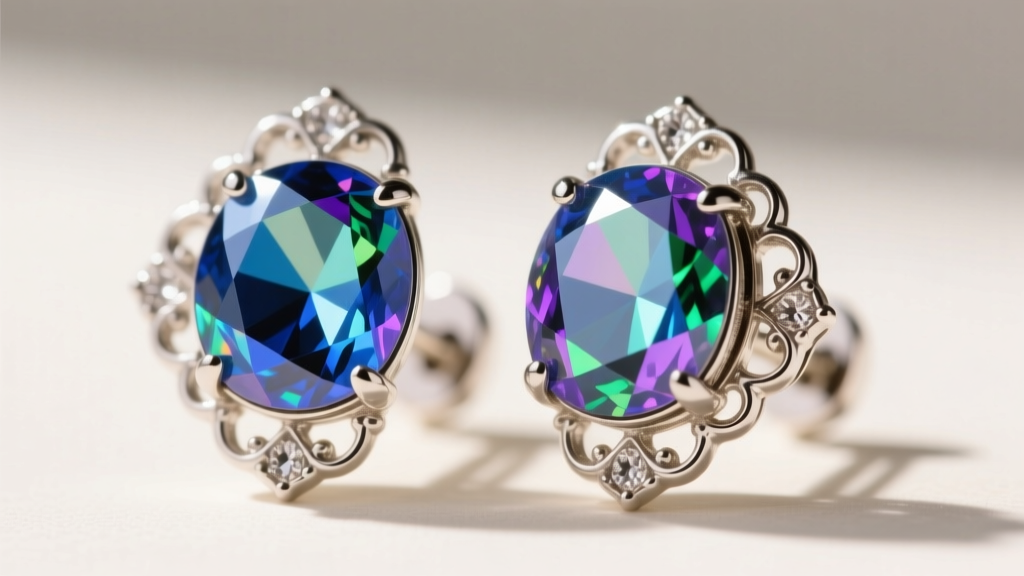
When serious costume jewelry collectors discuss mid-century design, few names carry as much weight as DeLizza & Elster (D&E). Founded in 1947 by Frank DeLizza and Albert Elster, the New York-based manufacturer produced some of the most vibrant, intricately constructed rhinestone jewelry of the 1950s and 1960s. However, the term Juliana earrings is actually a collector-coined moniker. The company rarely marked its pieces with a signature or logo. Instead, the 'Juliana' name originated from a specific 1960s line that was briefly distributed with paper hang-tags bearing the name 'Juliana.' Today, thanks to the seminal research by Ann Pitrosik in her Juliana Jewelry Reference, the term encompasses a broader spectrum of D&E’s premium, unmarked rhinestone earrings characterized by specific construction techniques, high-quality glass stones, and bold, cascading designs.
For modern buyers, navigating the vintage market for Juliana earrings requires a trained eye. Because D&E did not stamp their jewelry, authentication relies entirely on analyzing the anatomy of the piece: the prong styles, the clasp mechanisms, the metal alloys, and the specific cuts of the rhinestones. This comprehensive buying guide will equip you with the exact metrics and historical context needed to confidently identify, evaluate, and purchase authentic vintage Juliana earrings.
5 Hallmarks of Authentic Juliana Earrings
Identifying genuine D&E pieces requires moving beyond simple visual appeal and examining the structural engineering of the earrings. Here are the definitive hallmarks to inspect before making a purchase.
1. The Figure-8 Clasp and Trombone Closures
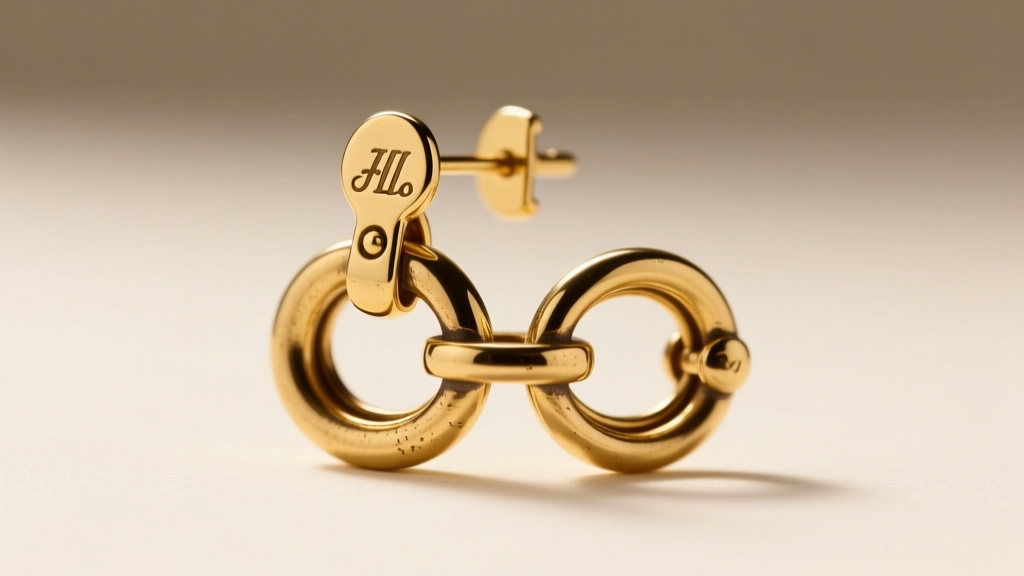
For dangle and drop earrings, D&E heavily utilized the figure-8 safety clasp paired with a trombone (push-pull) locking mechanism on the hinge. The figure-8 wire catch should show signs of hand-soldering and age-appropriate wear. If you are looking at pierced lever-back earrings from the late 1950s, look for thick, sturdy wire hooks rather than the thin, machine-stamped posts found on modern reproductions. For non-pierced options, D&E favored padded clip-backs and screw-backs with distinct, often floral or domed, metal comfort pads.
2. Stone Settings and Prong Styles
One of the most reliable indicators of a true Juliana earring is the setting. D&E predominantly used open-back, prong-set settings for their round chaton stones. Inspect the prongs closely: authentic pieces feature 'dog-tooth' or pointed prongs that are folded neatly over the girdle of the stone. While some lower-tier D&E lines glued navette (marquise) stones, the premium Juliana line is famous for its complex, multi-layered prong settings that allow light to pass through the open backs, maximizing the stone's brilliance.
3. Aurora Borealis (AB) and Specialty Glass
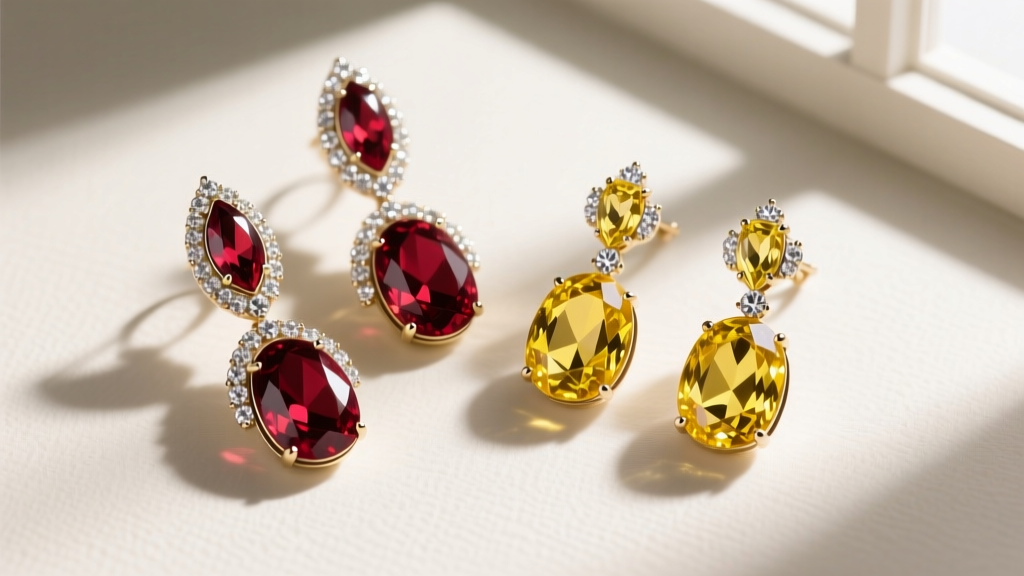
D&E sourced high-grade glass stones from premier European manufacturers, including Swarovski. The introduction of the Aurora Borealis (AB) coating in 1956 revolutionized their designs. Authentic Juliana earrings frequently feature heavily faceted AB stones that display a distinct blue, pink, and gold iridescence under direct light. Beyond AB, look for rich, saturated colors like Siam (deep red), Jonquil (vibrant yellow), and Peridot, which were staples in the D&E color palette.
4. Complex, Layered Construction
Juliana earrings are rarely flat. They are renowned for their three-dimensional, ' exploding' or cascading designs. The metalwork often features overlapping layers of pot metal, creating a domed or sculptural effect. The soldering between these layers should be clean but may show slight手工 imperfections typical of 1960s mass-production assembly lines.
5. The Unmarked Rule
It is a common beginner's mistake to search for a 'Juliana' or 'D&E' stamp on the metal. Do not expect to find one. The vast majority of authentic Juliana earrings are completely unmarked. If you find a piece stamped 'Juliana' cast directly into the metal, it is almost certainly a modern reproduction or a later, unrelated brand capitalizing on the collector's name.
'The beauty of DeLizza & Elster jewelry lies in its anonymity. Without a signature to rely on, collectors are forced to appreciate the actual craftsmanship, the quality of the glass, and the ingenuity of the metalwork. You learn to read the jewelry itself.' — Vintage Costume Jewelry Appraisal Guidelines, Vintage Fashion Guild.
Material & Construction Deep Dive
Understanding the base materials used in the 1950s and 60s is critical for assessing the longevity and condition of vintage Juliana earrings. D&E primarily cast their jewelry in 'pot metal'—a colloquial term for a white metal alloy heavily reliant on zinc, lead, and tin. This alloy was then plated in rhodium (for a bright, tarnish-resistant silver finish) or a rich, yellow gold wash.
Common Stone Cuts in Juliana Earrings
| Stone Cut | Description | Common Usage in D&E Designs |
|---|---|---|
| Chaton | Round, highly faceted stone with a pointed pavilion. | The backbone of Juliana clusters; usually prong-set in open-back cups. |
| Navette | Marquise-shaped (elongated with pointed ends). | Used as leaves, floral petals, or radiating sunburst accents. |
| Marguette | Rectangular with truncated or pointed ends. | Often used in geometric, Art Deco-revival fringe earrings. |
| Rivoli | Circular with a domed, multi-faceted front and pointed back. | Used as striking, bezel-set central focal points in dangles. |
Pricing Guide & Market Value
The market for vintage Juliana earrings has matured significantly. As of 2026, prices are dictated by the rarity of the stone colors, the complexity of the design, and, crucially, the earring backing type. Pierced ears were less common in the 1950s, meaning original pierced lever-back or post earrings are substantially rarer than clip-ons or screw-backs.
- Standard Clip-Ons / Screw-Backs (Floral & Cluster Studs): $45 – $95. Excellent entry-level pieces featuring standard AB or clear rhinestones.
- Cascading Dangle & Drop Clip-Ons: $120 – $250. Highly sought after for their dramatic, three-dimensional movement and use of navette stones.
- Original Pierced Lever-Backs: $180 – $350+. Collectors pay a premium for authentic, unaltered pierced examples due to their scarcity and modern wearability.
- Rare Colorways (e.g., Vitrail, Dark Topaz, Pink Sapphire): $300 – $500+. Specialized stones that were produced in limited manufacturing runs command top dollar at auction.
When browsing platforms like Ruby Lane or specialized estate sales, always factor in the condition of the plating. Rhodium-plated pieces that have retained their bright, untarnished finish will sit at the top of these pricing brackets.
Red Flags: How to Spot Fakes and Frankenstein Pieces
Because true Juliana earrings command high prices, the market is unfortunately rife with 'Frankenstein' pieces—earrings that have been altered, repaired with modern parts, or outright faked. Here is what to avoid:
1. Glued Chaton Stones
While D&E occasionally used glue for flat-back stones or specific navette settings in their non-Juliana lines, the primary chaton stones in a Juliana cluster should be prong-set. If you see a thick layer of yellowing adhesive seeping out from under round stones, the piece has likely been repaired by an amateur, or it is a modern reproduction cast from a mold and glued together.
2. Pot Metal Rot (Zinc Pest)
Pot metal is highly susceptible to a degradation process known as 'zinc pest' or pot metal rot. This occurs when impurities in the zinc alloy cause the metal to expand, crack, and crumble from the inside out. Inspect the back of the earring and the areas around the clasp hinges. If you see deep, structural cracking or a powdery white residue that is actively breaking the metal apart, walk away. This damage is irreversible and will eventually cause the earring to snap.
3. Converted Earring Backs
Many sellers take vintage clip-ons and solder modern, sterile steel posts onto them to appeal to buyers with pierced ears. While this makes the earrings wearable, it destroys their collector value. Look for thick, modern soldering blobs on the back of the earring plate, or a stark contrast between the aged pot metal and a shiny, modern steel post. Always ask the seller if the earrings are 'original pierced' or 'converted.'
Where to Buy Authentic Juliana Earrings Safely
To ensure you are acquiring genuine DeLizza & Elster pieces, avoid generic fast-fashion marketplaces that frequently mislabel modern rhinestone jewelry as 'vintage Juliana style.' Instead, focus on vetted antique jewelry dealers, specialized online marketplaces like Collectors Weekly and Ruby Lane, and reputable estate auction houses. When purchasing from independent sellers, always request high-resolution macro photos of the earring backs, the prong settings, and the clasp mechanisms. By applying the structural hallmarks outlined in this guide, you can build a stunning, authentic collection of mid-century Juliana earrings that will retain both its historical significance and its market value for decades to come.


