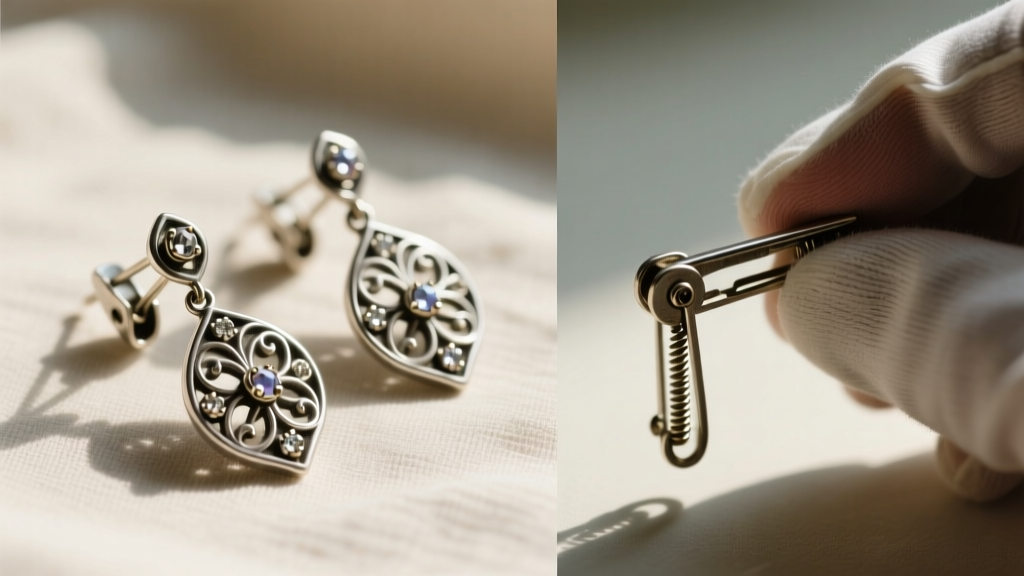
The Ultimate Guide to Buying Blue Topaz Drop Earrings
Discover how to choose the perfect blue topaz drop earrings. Compare London, Swiss, and Sky blue grades, metal settings, and pricing in our expert guide.

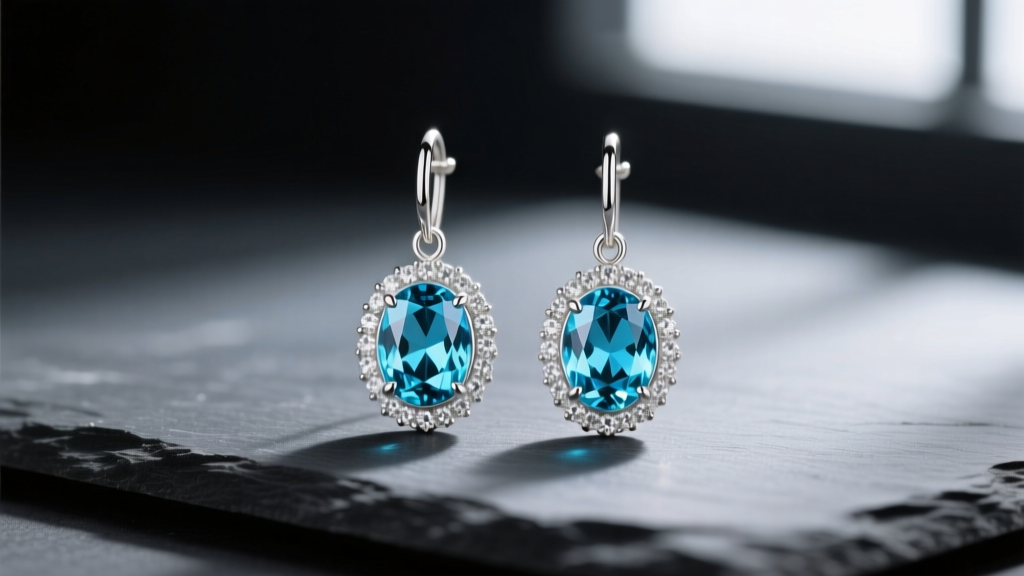
When curating a fine jewelry collection, blue topaz drop earrings occupy a unique intersection of vivid color, dynamic movement, and accessible luxury. Unlike static studs or heavily swinging chandelier dangles, drop earrings feature a gemstone suspended just below the earlobe, offering a sophisticated pendulum effect that catches the light with every turn of the head. However, navigating the market requires a keen understanding of gemological treatments, structural vulnerabilities, and hardware mechanics. This comprehensive buying guide will equip you with the exact specifications needed to evaluate, select, and secure the perfect pair of blue topaz drop earrings for your collection.
Decoding the Blues: Sky, Swiss, and London Topaz
The term "blue topaz" is not a monolith; it encompasses three distinct commercial grades, each defined by its saturation, tone, and the specific irradiation treatment used to achieve its color. Because natural blue topaz is exceptionally rare and usually very pale, the gems you see on the market are almost universally treated. Understanding these grades is the first step in determining value.
- Sky Blue Topaz: The lightest and most pastel of the trio, Sky Blue resembles a clear winter morning. It is achieved through a lighter dose of electron beam irradiation. This grade is the most abundant and therefore the most affordable, making it an excellent entry point for everyday wear.
- Swiss Blue Topaz: Vibrant, electric, and highly saturated, Swiss Blue mimics the vivid hue of aquamarine but with a slightly deeper tone. It requires a combination of neutron and electron irradiation followed by precise heat treatment. It remains a favorite for statement drop earrings due to its striking visibility from a distance.
- London Blue Topaz: The darkest and most valuable of the three, London Blue exhibits a deep, inky blue with subtle grayish or greenish undertones. Achieving this color requires extensive neutron irradiation and a prolonged resting period for the isotopes to stabilize. In 2026, London Blue continues to command a premium, often serving as a more affordable alternative to blue sapphires in high-end drop silhouettes.
According to the Gemological Institute of America (GIA), all blue topaz shares a refractive index of 1.619 to 1.627, meaning the visual difference between these grades is entirely a product of color saturation rather than variations in brilliance or light return.
Gemological Durability and Setting Mechanics
A common misconception in jewelry is that a high Mohs hardness equates to indestructibility. Blue topaz ranks an 8 on the Mohs scale, making it highly resistant to scratching. However, topaz possesses perfect basal cleavage. This means that if the stone is struck hard along a specific crystallographic plane, it can split or cleave cleanly in two.
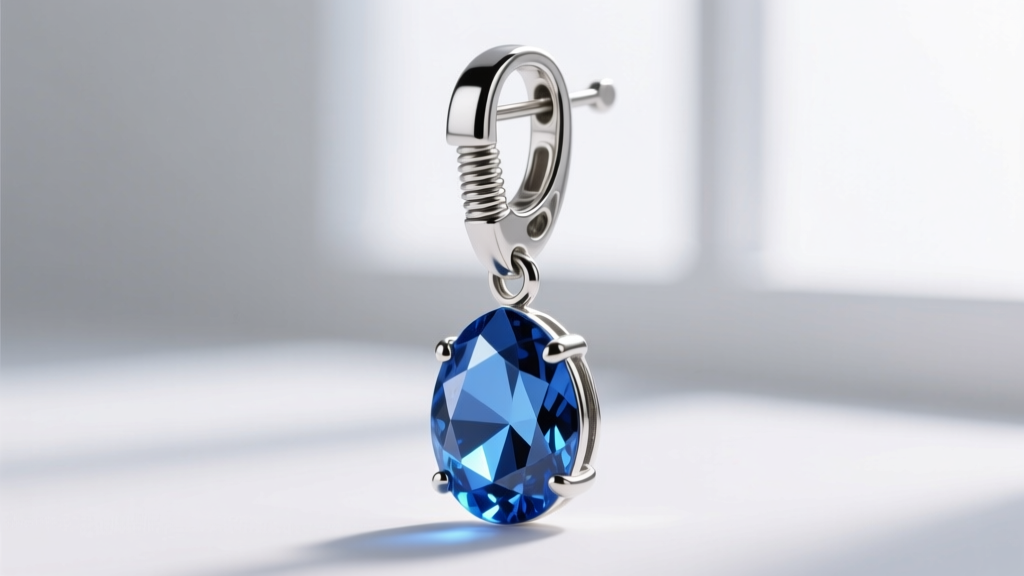
This gemological reality heavily dictates the setting mechanics you should look for in drop earrings, which are inherently more prone to knocking against surfaces than studs. If you are purchasing a drop earring featuring a pear-cut or teardrop topaz, ensure the setting utilizes V-prongs at the pointed tip. Standard prongs leave the most vulnerable, sharpest edge of the gem exposed to impact. Alternatively, a full or partial bezel setting offers superior protection for active wearers, wrapping the metal securely around the gem's girdle to absorb shock.
The Hardware: Wire Gauges and Clasp Security
The defining characteristic of a drop earring is its movement. This constant, subtle swinging creates kinetic friction that can easily work a standard friction back (butterfly back) loose over the course of a day. Therefore, the hardware and wire gauge are critical components of your purchasing decision.
Most commercial drop earrings are hung on either 20-gauge (0.81mm) or 18-gauge (1.02mm) wire. While 20-gauge is standard and fits the majority of healed earlobe piercings comfortably, 18-gauge provides a thicker, more secure foundation, especially if the London Blue topaz stone is heavily faceted and exceeds 3 carats in weight. For heavy drops, always opt for a thicker gauge to prevent the wire from bending or warping over time.
Furthermore, avoid standard post-and-push-back designs for drop silhouettes. Instead, look for:
- Leverback Closures: These feature a hinged wire that snaps securely into a catch, completely enclosing the ear wire. They are the gold standard for drop earrings, preventing loss while allowing the stone to swing freely.
- French Wire with Silicone Stoppers: If the design utilizes a traditional shepherd's hook, ensure the jeweler includes secure silicone O-rings or screw-back stoppers to counteract the pendulum motion.
Metal Alloys and Tarnish Resistance
The metal framing your blue topaz will dictate both the longevity of the piece and its maintenance requirements. Because blue topaz is heavily associated with cool tones, white metals are the industry standard, but they behave very differently over time.
Expert Insight: If you are buying sterling silver drop earrings, verify that they are heavily rhodium-plated. Sterling silver (925) is prone to sulfur-induced tarnishing. A thick rhodium flash not only prevents tarnish but also mimics the bright white luster of platinum, enhancing the icy tones of Sky and Swiss Blue topaz.
For 14k or 18k white gold, be aware that these alloys contain nickel or palladium and are also rhodium-plated. Over years of wear, the plating will wear off, revealing a slightly yellowish underlying gold alloy. If you want a white metal that requires zero replating and offers the highest density to support a heavy drop stone, platinum is the ultimate, albeit most expensive, choice.
Pricing Matrix and Value Indicators
Pricing for blue topaz drop earrings varies wildly based on the color grade, carat weight, and precious metal used. Below is a comparative matrix reflecting current market averages for standard 14k gold settings with 2 to 4-carat total weight (CTW) gemstones.
| Topaz Grade | Color Profile | Avg. Price Range (14k Gold) | Best Metal Pairing |
|---|---|---|---|
| Sky Blue | Pale, icy pastel | $150 - $350 | Sterling Silver / White Gold |
| Swiss Blue | Vivid, electric medium blue | $250 - $600 | White Gold / Platinum |
| London Blue | Deep, inky blue with gray undertones | $400 - $1,200+ | 18k White Gold / Platinum |
When evaluating price, also consider the cut quality. Precision-cut topaz with ideal proportions will exhibit superior brilliance, justifying a price at the higher end of these spectrums. Avoid stones with visible "extinction" (dark, lifeless areas in the center of the gem) or windowing (where light passes straight through without reflecting back to the eye).
Face Shape Proportions for Drop Silhouettes
Drop earrings are inherently elongating. Because the gemstone hangs just below the earlobe, it draws the eye vertically downward. This makes them exceptionally flattering for round and square face shapes, as the vertical line helps to visually lengthen the face and soften strong jawlines. Conversely, if you have an oblong or rectangular face shape, excessively long drop earrings may over-elongate your features. In such cases, look for "short drops" or cluster drops that feature a wider, horizontal geometry to add balancing width to the face.
Treatment Disclosures and Authenticity
Transparency is paramount when purchasing treated gemstones. The Federal Trade Commission (FTC) mandates that jewelers must disclose any gemstone treatments that significantly affect the value of the stone or require special care. Because the blue color in topaz is the result of artificial irradiation and heat, reputable jewelers will explicitly state this in the product specifications.

While the irradiation process is completely safe for the wearer (the gems are held in secure facilities until radiation levels return to normal background limits), the disclosure is vital for insurance and appraisal purposes. Never purchase high-end London Blue topaz drop earrings from a vendor who claims the color is "100% natural and untreated" without providing a laboratory report from a recognized entity like the GIA or AGS, as natural, deeply saturated blue topaz is a museum-grade rarity.
Final Inspection Checklist
Before finalizing your purchase, run through this quick structural checklist:
- Verify the clasp type (leverbacks are highly recommended over standard push-backs).
- Inspect the prongs: ensure V-prongs are used on any pointed tips of pear or marquise cuts.
- Confirm the wire gauge (18-gauge is preferable for heavier stones).
- Check for even color distribution across both stones, as topaz can sometimes show zoning.
- Ensure the FTC-mandated treatment disclosure is present in the product details.
By prioritizing structural integrity, precise color grading, and secure hardware, you will secure a pair of blue topaz drop earrings that are not only visually stunning but engineered to last a lifetime of daily wear.