How to Authenticate, Clean, and Style Judith Ripka Earrings
Learn how to authenticate, clean, and style vintage Judith Ripka earrings. Expert tips on identifying bark textures, hallmarks, and gemstone care.

The Legacy of the Bark Texture in the Secondary Market
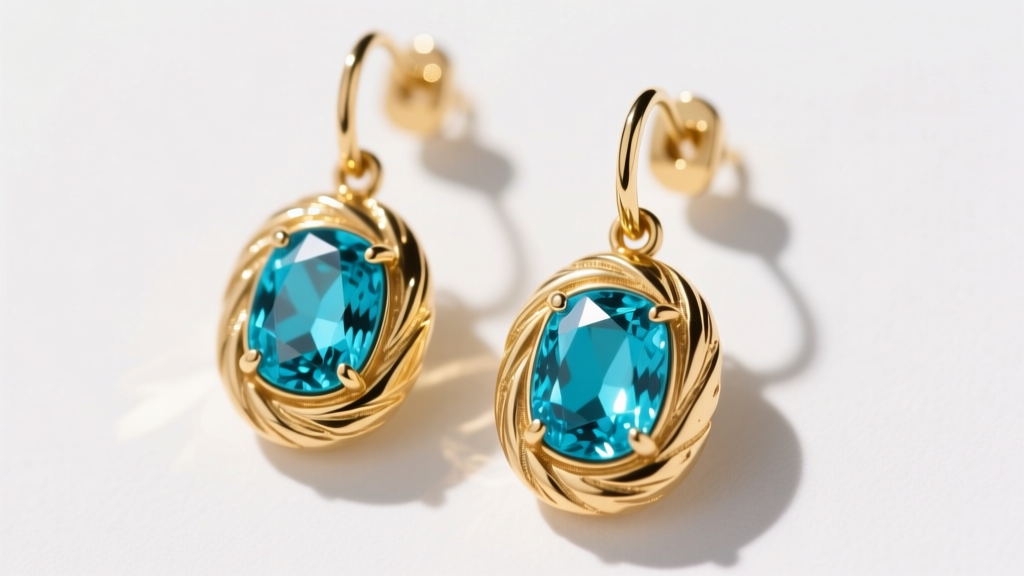
Since launching her eponymous brand in 1977, Judith Ripka has redefined American luxury jewelry, largely through her signature "bark" texture. Inspired by the rugged, organic ridges of tree bark, this intricate metalwork has become a hallmark of her most coveted pieces. However, the immense popularity of vintage and estate Judith Ripka earrings has led to a saturated secondary market flooded with high-quality counterfeits. For collectors and enthusiasts in 2026, knowing how to properly authenticate, clean, and support these substantial pieces is no longer optional—it is essential.
Authentic Judith Ripka earrings are masterclasses in metallurgy and gemstone selection. They frequently feature heavy 18k gold or sterling silver bases, accented with vibrant, often porous gemstones like Sleeping Beauty turquoise, lapis lazuli, and coral. This guide provides a comprehensive, step-by-step framework to verify authenticity, maintain the delicate bark finish, and wear these heavy statement pieces without causing earlobe damage.
Step 1: Authenticating Judith Ripka Earrings
Counterfeiters have become increasingly adept at mimicking the general silhouette of Ripka's designs, but they consistently fail in three critical areas: texture depth, hallmark precision, and structural weight. According to authentication standards outlined by Lang Antiques, examining the micro-details of the metalwork is the most reliable way to separate genuine articles from mass-produced fakes.
Analyzing the Bark Texture and Metalwork
Genuine Judith Ripka bark texture is created using a combination of hand-carving and specialized casting techniques. When you examine an authentic piece under a 10x jeweler's loupe, the ridges should appear sharp, varied, and organic. No two millimeters of the texture should look perfectly identical. Counterfeit pieces, often produced via cheap rubber mold casting or laser etching, exhibit "melted" or rounded ridges with a repetitive, stamped appearance. Furthermore, authentic pieces have a substantial heft; a genuine 18k gold Ripka drop earring will feel noticeably heavier than a hollow-cast fake.
Decoding Hallmarks and Stamps
Hallmarks on vintage jewelry are heavily regulated by the Federal Trade Commission Jewelry Guides, and Ripka’s stamping is notoriously crisp. Look for the following indicators:
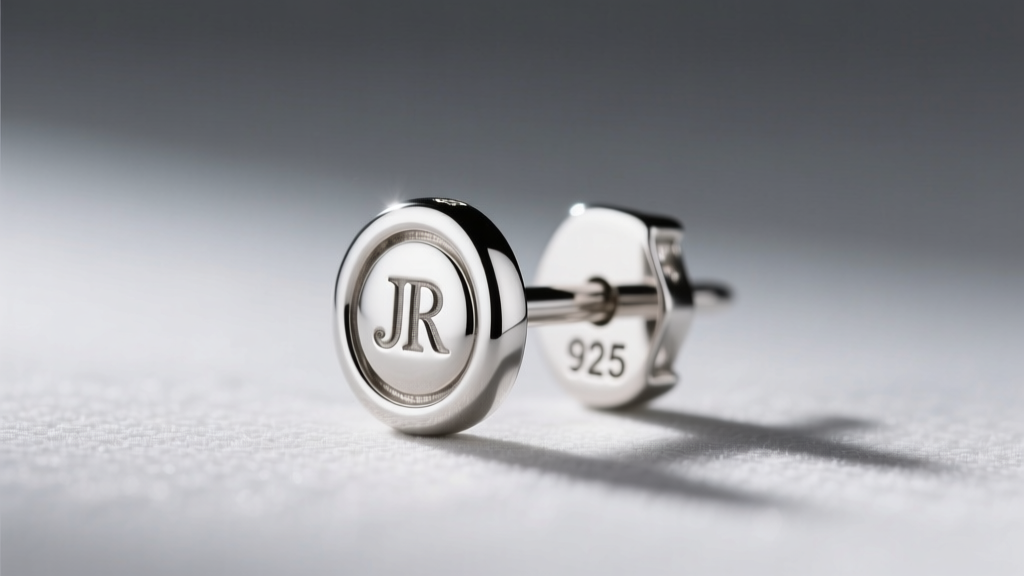
- The "JR" Stamp: Usually set in a distinct, elegant serif font. On fakes, the font is often too thick, blurred, or sans-serif.
- Purity Marks: "925" for sterling silver, and "18K" or "750" for gold. These should be deeply struck into a flat, polished area of the metal, not stamped over the bark texture.
- Origin Marks: Depending on the era, you may find "Thailand" or "Italy" stamped alongside the purity mark, indicating the manufacturing origin of that specific collection.
Authentication Comparison Chart
| Feature | Authentic Judith Ripka | Common Counterfeit |
|---|---|---|
| Bark Texture | Sharp, varied, organic ridges | Rounded, repetitive, "melted" look |
| Hallmark Font | Crisp, deep, elegant serif | Shallow, blurred, or sans-serif |
| Weight | Heavy, solid metal feel | Lightweight, potentially hollow |
| Gemstone Settings | Secure bezel or prong, no glue | Visible epoxy, uneven cabochons |
| Post Gauge | Thick 16G to 18G for support | Flimsy 20G to 22G wire |
Step 2: Cleaning the Bark Finish and Porous Gemstones
The very texture that makes these earrings beautiful also makes them a magnet for sebum, lotions, and cosmetic powders. Over time, this buildup dulls the gold and silver. However, because Ripka frequently uses porous, low-Mohs-scale gemstones, standard jewelry cleaning methods can be catastrophic.
The Dry Brush Method for Routine Maintenance
For weekly upkeep, avoid liquids entirely. Use a clean, ultra-soft baby toothbrush or a specialized jewelry dusting brush to gently sweep out the crevices of the bark texture. Brush in a single direction to dislodge trapped skin cells and powder. For sterling silver pieces that have begun to tarnish in the deep grooves, use a treated silver polishing cloth, carefully folding the edge of the cloth to reach into the deepest ridges without applying pressure to any set gemstones.
Wet Cleaning Protocol for Gold and Stable Stones
If a deeper clean is required for 18k gold pieces featuring stable stones (like diamonds, sapphires, or cubic zirconia), prepare a lukewarm bath of distilled water and a few drops of mild, phosphate-free dish soap. Soak the earrings for no more than five minutes. Gently agitate with a soft brush, rinse under a slow stream of lukewarm water, and immediately pat dry with a lint-free microfiber cloth. Ensure no moisture remains trapped in the earring backing mechanisms, particularly if they feature omega clips or hinge snaps.
Critical Warning: Never place Judith Ripka earrings featuring turquoise, lapis lazuli, coral, or mother-of-pearl in an ultrasonic cleaner. The Gemological Institute of America (GIA) warns that high-frequency vibrations and heat can fracture porous stones, strip natural oils from turquoise, and dissolve the adhesives sometimes used to secure delicate cabochons in vintage settings.
Step 3: Managing Weight and Lobe Support
Judith Ripka’s drop and dangle earrings are unapologetically bold, which means they carry significant physical weight. Wearing heavy earrings without proper support leads to earlobe ptosis (drooping) and can permanently stretch the piercing fistula. Implementing modern support strategies is vital for preserving both your earlobes and the longevity of the earring posts.
Upgrading Earring Backs and Using Lifters
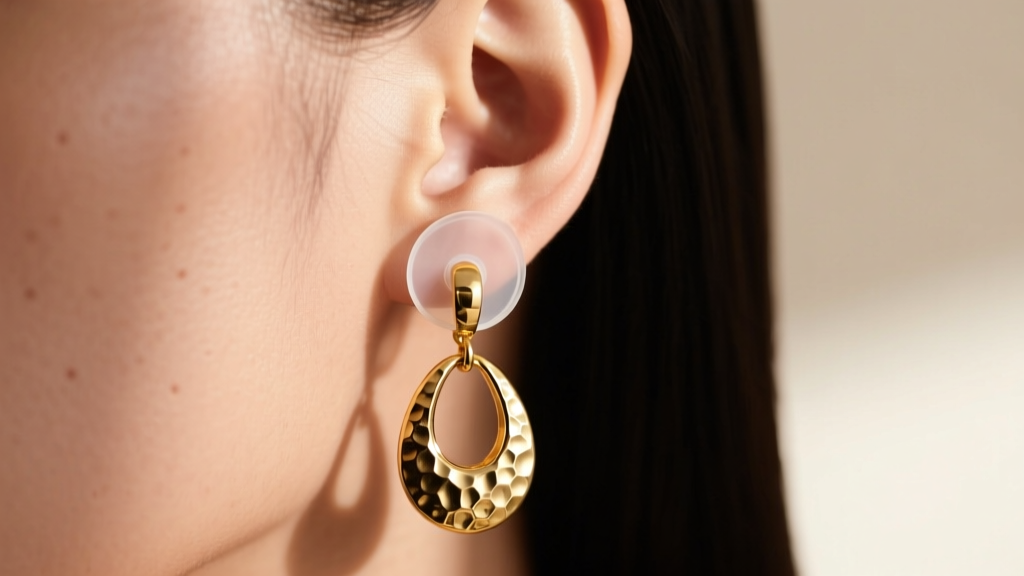
The standard friction backs provided with many vintage pieces are insufficient for heavy drops. Upgrade to heavy-duty silicone jumbo backs or locking silicone discs that distribute the weight across a wider surface area of the earlobe. For the most dramatic lift, use adhesive silicone earring lifters (such as LobeWonder or BlingWraps). These invisible patches adhere to the back of the earlobe, providing a rigid scaffold that prevents the earring from tilting forward and stretching the piercing hole.
Post Gauge and Clasp Mechanics
Inspect the post gauge of your earrings. Authentic heavy Ripka drops typically utilize a 16-gauge (1.2mm) or 18-gauge (1.0mm) post to bear the load. If you are wearing pieces with omega backs or clip-on mechanisms, ensure the tension screw on the hinge is adjusted correctly. A loose omega clip will slip down the lobe, transferring the weight to the bottom of the piercing tract rather than resting securely on the thickest part of the earlobe.
Sourcing and Valuation in the Current Market
As of 2026, the secondary market for vintage Judith Ripka remains robust, driven by a renewed appreciation for maximalist, textured gold jewelry. When sourcing pieces, prioritize reputable estate jewelers, established auction houses, or verified vintage platforms that offer clear, macro-level photography of the hallmarks and gemstone settings. Expect to pay a premium for pieces featuring high-grade, untreated Sleeping Beauty turquoise or those from her early 1980s collections, which are highly sought after by serious archivists. By applying these authentication and care protocols, you ensure that your investment remains as striking and structurally sound as the day it was cast.


