How to Authenticate & Style Betsey Johnson Cherry Earrings
Learn how to authenticate, clean, and style vintage Betsey Johnson cherry earrings with our expert step-by-step guide for collectors.

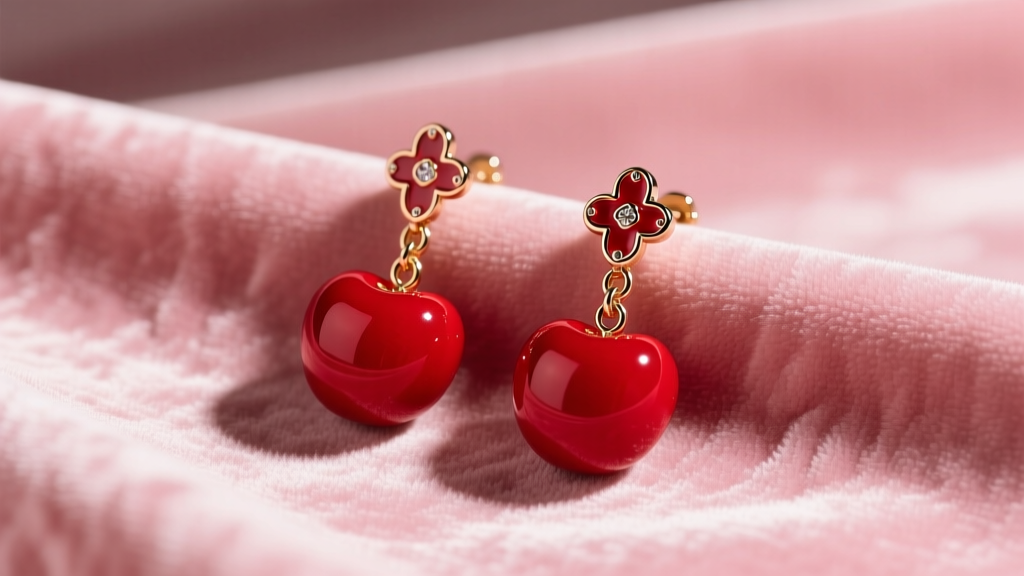
In the ever-evolving landscape of statement jewelry, few pieces have maintained the cult-like devotion of Betsey Johnson cherry earrings. As we navigate the fashion cycles of 2026, the Y2K and late-90s nostalgia boom has propelled these whimsical, fruit-themed drops from thrift store bins to highly sought-after collector's items. But with high demand comes a saturated resale market riddled with counterfeits, damaged enamel, and compromised hardware. Whether you are sourcing vintage pairs on Depop, inheriting a collection, or simply trying to restore a beloved pair from your own archives, understanding the metallurgy, craftsmanship, and structural needs of these earrings is essential.
This comprehensive, step-by-step guide will teach you how to authenticate genuine Betsey Johnson cherry drops, safely clean cold enamel without causing micro-fractures, and properly support their substantial weight to protect your earlobes.
The Anatomy of a Betsey Johnson Cherry Earring
Before diving into authentication, it is crucial to understand how these iconic pieces were manufactured. Unlike fine jewelry cast in solid gold or platinum, Betsey Johnson's costume jewelry relies on a specific mid-tier manufacturing process that gives it its signature charm and heft.
- Base Metal: Most vintage cherry earrings from the 1990s and 2000s are cast from a pewter or zinc alloy. This provides the substantial weight (often 15 to 22 grams per earring) that makes them feel expensive, but it also means they are prone to oxidation if the plating wears off.
- Plating: The base is typically plated in a 14k gold-tone or rhodium-tone finish. Over time, friction and skin acidity can wear this plating down to the grayish base metal beneath.
- Cold Enamel: The vibrant reds, pinks, and greens of the cherries and leaves are achieved using cold enamel (an epoxy-based resin), not traditional vitreous enamel which requires kiln firing. Cold enamel is hand-painted and cured at room temperature, making it susceptible to UV yellowing and chemical degradation.
- Rhinestones: The stems and leaves are often encrusted with foil-backed glass or acrylic rhinestones, secured with jeweler's epoxy.
Step-by-Step Authentication Guide
Counterfeiters have become increasingly adept at mimicking the general silhouette of Betsey Johnson jewelry. However, they rarely get the hardware and enamel texture right. Follow these steps to verify your pair.
Step 1: Inspect the E-Post and Stamp
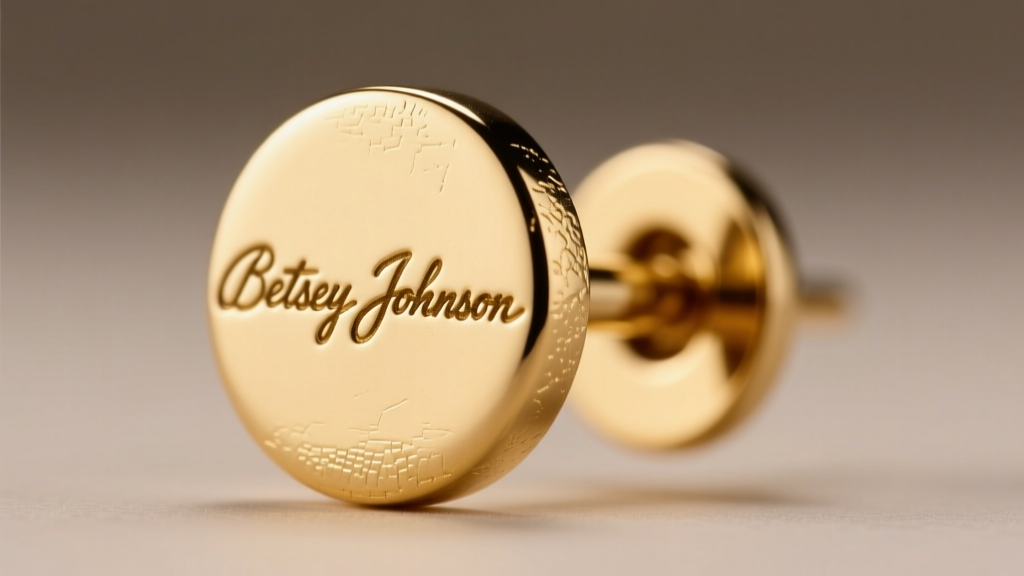
Genuine Betsey Johnson earrings feature specific hardware markings. Turn the earring over and examine the post and the butterfly clutch.
- Locate the Stamp: Look for the 'Betsey Johnson' stamp. On older vintage pieces (1990s), this is often stamped directly onto the flat pad of the earring post or engraved into the butterfly back. On later 2000s pieces, you may see a small heart symbol next to the name.
- Check the Font: The authentic stamp uses a very specific, slightly whimsical but clean serif font. Fakes often use a standard block font that looks laser-etched rather than cast or deeply stamped.
- Examine the Post Gauge: Authentic pieces typically use a standard 20-gauge or 21-gauge friction post. If the post is unusually thick, sharply threaded (screw-back), or made of a dull, flexible wire, it is likely a replacement or a fake.
Step 2: Evaluate the Cold Enamel and Rhinestones
According to Invaluable's authentication guide, the texture of the enamel is a primary indicator of authenticity in vintage costume jewelry.
- Texture and Depth: Authentic cold enamel has a slightly domed, resinous look. It should not look perfectly flat or glassy like fired enamel. You may spot microscopic brush strokes or tiny, trapped air bubbles—hallmarks of hand-painted resin.
- Rhinestone Setting: Genuine Betsey pieces often feature slightly messy glue application around the rhinestones on the back. While it seems counterintuitive, pristine, machine-perfect glue lines are often a red flag for mass-produced counterfeits.
Comparison Chart: Authentic vs. Counterfeit Markers
| Feature | Authentic Betsey Johnson | Common Counterfeit |
|---|---|---|
| Weight | Heavy (15g - 22g per earring) | Lightweight, hollow feel (under 10g) |
| Enamel Finish | Slightly domed, resinous, minor brush marks | Perfectly flat, glassy, or cheap plastic insert |
| Hardware Stamp | Clear 'Betsey Johnson' + Heart on post/clutch | Missing, blurred, or standard block font |
| Rhinestones | Foil-backed glass/acrylic, hand-set with epoxy | Uniform acrylic, machine-stamped prongs |
| Chain Links | Soldered or tightly closed jump rings | Open, easily bent jump rings |
How to Clean and Restore Enameled Cherries
Cleaning cold enamel requires a delicate touch. The biggest mistake collectors make is using ultrasonic cleaners or alcohol-based solutions, which will instantly cloud the resin and dissolve the epoxy holding the rhinestones in place.
Step 1: Gentle Surface Cleaning
- Mix a solution of lukewarm water and a few drops of mild, phosphate-free dish soap (like Dawn).
- Dip a soft-bristled baby toothbrush into the solution. Do not submerge the earring.
- Gently brush the enameled surfaces in circular motions to lift skin oils and perfume residue.
- Wipe immediately with a damp microfiber cloth and dry thoroughly with a lint-free towel. Moisture trapped near the jump rings can cause the base metal to oxidize and rust.
Step 2: Rhinestone Revival
If the rhinestones on the cherry stems look dull, they are likely backed with tarnished foil or have dirt trapped behind the prongs.
Expert Tip: Never use silver polish or brass cleaner on Betsey Johnson jewelry. The harsh chemicals will strip the gold-tone plating and permanently ruin the cold enamel. Use a dry, soft makeup brush to gently dust out the crevices around the stones.
For a deeper shine on the metal components, lightly buff the gold-tone areas with a dry, untreated jewelry polishing cloth. Avoid the enameled sections entirely.
Styling Guide: Managing the Weight of Statement Drops
Betsey Johnson cherry earrings are notorious for their heavy drop design. While visually stunning, a 20-gram earring hanging from a standard 20-gauge post puts immense shear stress on the earlobe. Over time, this can lead to lobe drooping, stretched piercings, or even tearing.

Step-by-Step Earlobe Support
To wear these heavy dangles comfortably and safely in 2026, you must reinforce the piercing site.
- Upgrade the Backing: Discard the standard metal butterfly clutches. They provide a surface area that is too small to distribute the weight of a heavy cherry drop. Replace them with wide silicone barrel backs or flat silicone disc backers.
- Use Support Patches: Apply an invisible earlobe support patch (such as Bling Guards or generic silicone lifter pads) to the back of your earlobe before inserting the post. These adhesive patches feature a reinforced hole that distributes the weight of the earring across a wider area of skin, preventing the 'droop' effect and keeping the cherry perfectly upright.
- Limit Wear Time: Even with support patches, limit continuous wear of heavy statement drops to 4-6 hours to allow the collagen in your earlobe to recover.
For styling, these vibrant red drops act as the focal point of any outfit. As noted in Vogue's retrospectives on Betsey Johnson's enduring legacy, her designs are meant to be unapologetically loud. Pair the cherry earrings with a minimalist black turtleneck, a crisp white button-down, or a vintage denim jacket to let the enamel pop without competing with busy patterns.
Troubleshooting Common Hardware Issues
Because these earrings are often 15 to 30 years old, mechanical failures are common. Here is how to address them without ruining the piece.
- Loose Jump Rings: The jump ring connecting the cherry to the e-post often pulls open due to the swinging weight. Use two pairs of flat-nose jewelry pliers to gently twist the ring closed. Never pull the ring apart laterally; always twist it open and closed like a spiral to maintain its structural integrity.
- Missing Rhinestones: If a stone falls out, save it. You can re-adhere it using a tiny drop of GS Hypo Cement. Avoid super glue (cyanoacrylate), as the fumes will permanently cloud the foil-backing of the rhinestone and the surrounding enamel.
- Bent E-Posts: If the post bends, do not repeatedly bend it back and forth, as the base metal will suffer from work-hardening and snap. Gently straighten it once using nylon-jaw pliers to avoid marring the gold plating.
Final Thoughts on Vintage Sourcing
As the appreciation for archival 90s and Y2K fashion continues to mature, investing in authentic Betsey Johnson cherry earrings is both a style statement and a nod to jewelry history. By understanding the nuances of cold enamel, respecting the weight of the base metals, and employing proper earlobe support, you can ensure these iconic fruit drops remain a vibrant part of your rotation for decades to come. Always buy from reputable vintage dealers who provide clear macro photography of the hardware stamps, and never hesitate to pass on a pair that shows signs of severe enamel cracking or rusted jump rings.


