What Is the Back of the Earring Called? A Troubleshooting Guide
Discover what the back of the earring is called, compare types like butterfly and screw backs, and learn expert troubleshooting for lost or stuck backs.

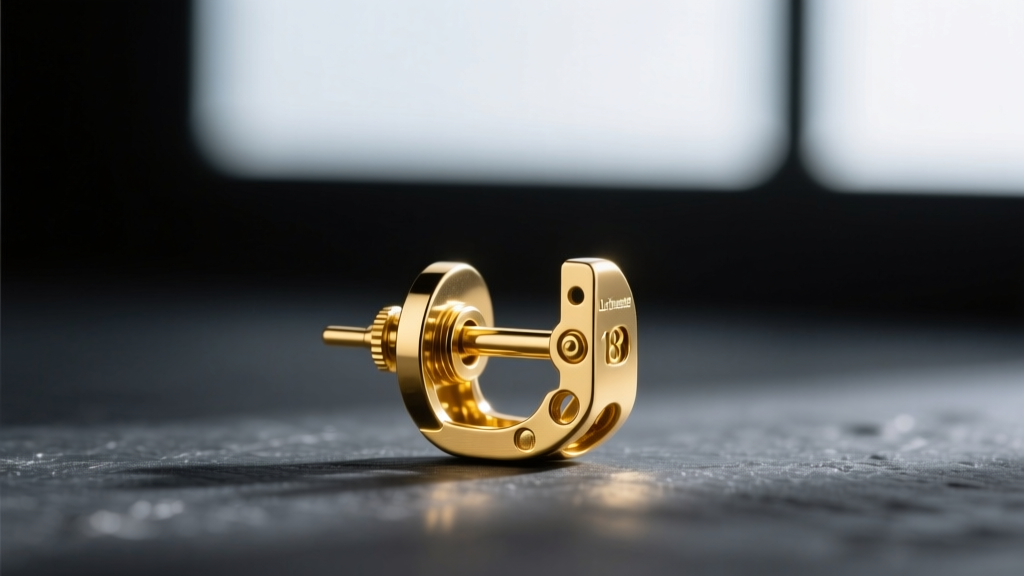
The Anatomy of Earring Backs: Why They Matter
Fine jewelry enthusiasts and casual wearers alike eventually face the same frustrating scenario: a missing or malfunctioning earring back. Before we dive into troubleshooting, we must answer the fundamental question: what is the back of the earring called? The answer is not a single term but a spectrum of mechanical findings designed to secure your jewelry. In 2026, with the rise of heavier statement pieces and increased awareness of metal sensitivities, understanding the exact terminology and mechanics of these components is critical for maintaining both the security of your earrings and the health of your earlobes.
According to the Jewelers of America, the back of an earring is technically referred to as an 'earring finding' or 'clutch,' though the specific name changes entirely based on the locking mechanism. When you lose a back or experience an allergic reaction, knowing exactly which mechanism you are dealing with dictates the correct troubleshooting path.
What Is the Back of the Earring Called? The Core Guide
To effectively troubleshoot, you must first identify the hardware. Here are the industry-standard names for earring backs:
1. Friction Backs (Butterfly or Push Backs)
The most ubiquitous finding in the industry. The 'butterfly' name comes from the two wire loops that resemble wings. These rely entirely on the friction between the metal loops and a small carved groove (usually 0.3mm deep) on the earring post. They are designed for standard 20-gauge (0.81mm) to 18-gauge (1.02mm) posts.
2. Screw Backs
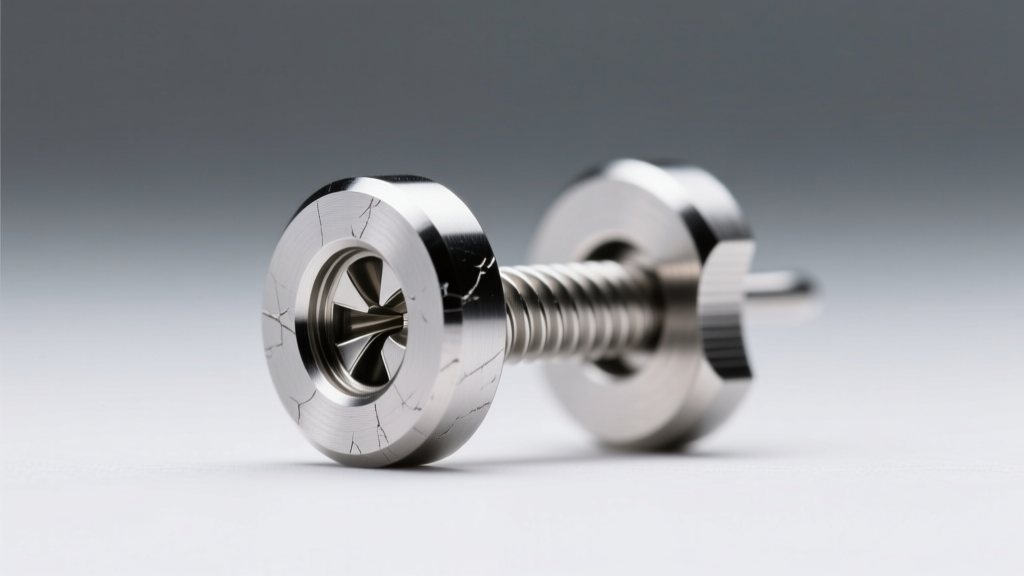
These feature a threaded post and a nut-like back that screws onto the earring. They are exceptionally secure and frequently used for high-value diamond studs or pearl earrings. The threading is typically machined at a 60-degree angle, requiring a precise 1.0mm to 1.2mm post diameter to maintain structural integrity.
3. La Pousette (Secure Lock Backs)
Often considered the gold standard for fine jewelry security. La Pousette backs utilize a spring-loaded mechanism with two small side tabs. When squeezed, the internal sleeve retracts, allowing it to slide over the post. Releasing the tabs locks the internal sleeve into the post's groove. Brands like ComfyEarrings have popularized ergonomic variations of this design for sensitive lobes.
4. Latch and Lever Backs
Commonly found on drop and dangle earrings, the 'leverback' features a hinged wire that passes through the ear and clicks into a catch on the opposite side. Troubleshooting these usually involves realigning the catch or tightening the hinge pin.
Troubleshooting Common Earring Back Problems
Identifying what the back of the earring is called is only the first step. The real challenge lies in resolving the mechanical and biological failures that occur over time.
Problem 1: The Back Keeps Slipping Off
The Diagnosis: Metal fatigue. The wire loops on a butterfly back are subjected to repeated outward pressure every time you push them onto the post. Over months of use, the metal yields, and the friction grip fails.
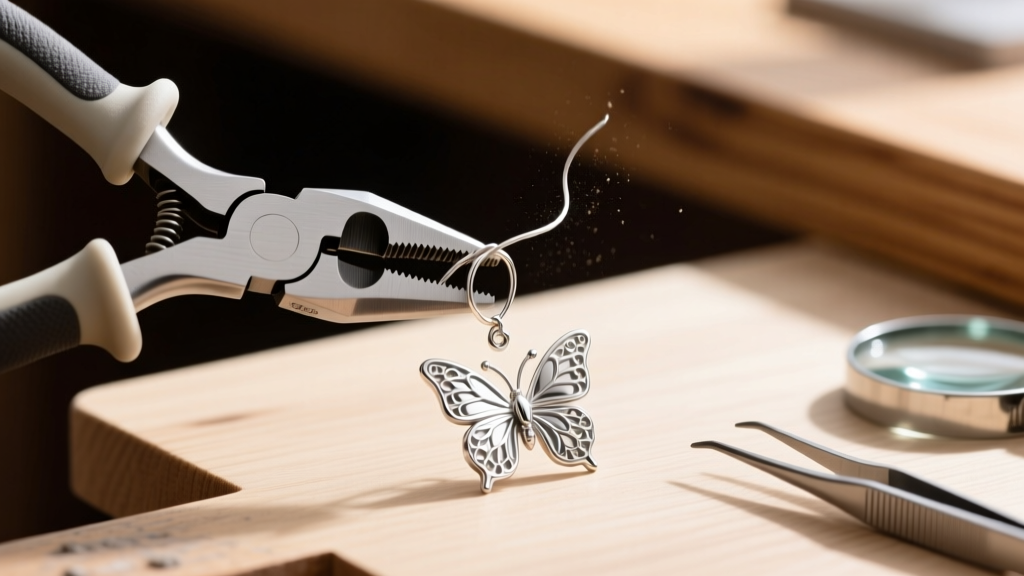
The Fix: Do not discard the back immediately. Using a pair of nylon-jaw pliers (never steel, which will mar the metal), gently squeeze the two wire loops toward the center hole. This restores the original tension. If the post's groove is worn smooth, you must take the earring to a bench jeweler to have the groove re-cut using a specialized lathe tool.
Problem 2: Metal Allergies and Contact Dermatitis
The Diagnosis: Nickel leaching. Many mass-produced butterfly backs are made from brass or low-grade stainless steel plated with a thin layer of silver or gold. Once the plating wears off, nickel exposure triggers contact dermatitis. The American Academy of Dermatology notes that nickel allergy is one of the most common causes of allergic contact dermatitis, often manifesting as itchy, red skin directly behind the earlobe.
The Fix: Upgrade to ASTM F136 implant-grade titanium or solid 18k gold backs. If you must use your current backs temporarily, slide a medical-grade silicone O-ring (durometer 40A) over the post before applying the metal back to create a physical barrier between the alloy and your skin.
Problem 3: Heavy Earrings Sagging or Tearing the Lobe
The Diagnosis: Post-to-weight mismatch. A standard 20-gauge post cannot adequately distribute the weight of a 15-gram drop earring. The back digs into the posterior lobe, while the earring face pulls the piercing channel downward, risking a lobe tear.
The Fix: Utilize an earlobe support patch (such as BlingDots or specialized silicone lifters). These adhesive patches distribute the weight across a 12mm surface area behind the lobe. For a permanent fix, a jeweler can solder a wider, 16-gauge (1.29mm) post and pair it with a custom-fitted, wide-base La Pousette back to maximize surface area distribution.
'A beautiful earring is only as good as the finding that secures it. I see countless clients who invest thousands in a diamond stud, only to secure it with a degraded, base-metal butterfly back. Upgrading to a La Pousette or screw back is a non-negotiable for stones over one carat.' — Master Bench Jeweler, Rio Grande Technical Services.
Material and Gauge Compatibility Chart
Use this chart to ensure your replacement backs match your earring posts. Mismatched gauges will either fail to lock or permanently stretch the post groove.
| Back Type | Ideal Post Gauge | Security Level | Common Failure Mode |
|---|---|---|---|
| Butterfly / Friction | 20g - 18g (0.81-1.02mm) | Low to Medium | Tension loss, groove wear |
| Screw Back | 18g - 16g (1.02-1.29mm) | Very High | Cross-threading, stripped threads |
| La Pousette | 18g - 16g (1.02-1.29mm) | High | Spring fatigue, debris jamming |
| Silicone O-Ring | 22g - 18g (0.64-1.02mm) | Low | Degradation from oils/perfumes |
How to Safely Remove a Stuck Butterfly Back
A common emergency occurs when a friction back is pushed past the groove, jamming against the earlobe or becoming stuck due to dried soap and dead skin cells. Never yank the earring, as this can tear the fistula (the piercing channel).
- Sanitize and Soften: Wash your hands and apply a warm, damp compress to the earlobe for three minutes to soften any accumulated sebum or soap residue.
- Lubricate: Apply a tiny drop of sterile saline or mineral oil to the junction where the post meets the back.
- Grip and Pull: Hold the earring face firmly with your non-dominant hand. Using a pair of padded hemostats or rubber-gripped tweezers, grip the butterfly back. Pull perfectly straight along the axis of the post. Do not twist, as twisting will only widen the piercing channel and cause micro-tears.
- The Dental Floss Trick: If the back is flush against the skin and you cannot grip it, slide a piece of unwaxed dental floss behind the back, wrap it around the post, and gently pull forward while pushing the earring face backward.
For stuck screw backs, the issue is usually cross-threading or dried cosmetic buildup in the threads. Soak the entire earring in a shallow dish of warm water and a few drops of mild dish soap for 10 minutes. Use a soft-bristled baby toothbrush to clear the threads before attempting to unscrew it counter-clockwise. For more general maintenance tips, Blue Nile's Jewelry Care Guide offers excellent protocols for cleaning threaded findings without damaging the metal.
Expert Sourcing: Where to Buy Replacement Backs
If you have determined what the back of the earring is called and realized you need replacements, avoid cheap bulk packs from general marketplaces. These often feature poorly drilled holes that can scratch your precious metal posts. Instead, source your findings from reputable jewelry suppliers:
- Rio Grande: The industry standard for bench jewelers. They offer precision-machined 14k and 18k gold La Pousette backs and threaded findings.
- Fire Mountain Gems: Excellent for sourcing sterling silver and surgical steel friction backs in bulk, as well as medical-grade silicone O-rings.
- Local Bench Jewelers: A local professional can custom-fabricate a wide-base back for heavy vintage earrings, ensuring the surface area perfectly matches your unique lobe anatomy.
Final Thoughts on Securing Your Fine Jewelry
Understanding the mechanics of earring findings transforms you from a passive wearer into an informed curator of your jewelry collection. Whether you are dealing with a slipping butterfly back, a cross-threaded screw back, or an allergic reaction to base metals, the solution always begins with correct identification. By matching the correct gauge, upgrading to hypoallergenic materials like ASTM F136 titanium, and employing proper removal techniques, you ensure that your earrings remain securely and comfortably in place for decades to come.


