How to Authenticate and Style Vintage Coco Earrings
Master the art of verifying authentic Chanel Coco earrings with our step-by-step hallmark guide, plus 2026 styling tips for timeless Parisian elegance.

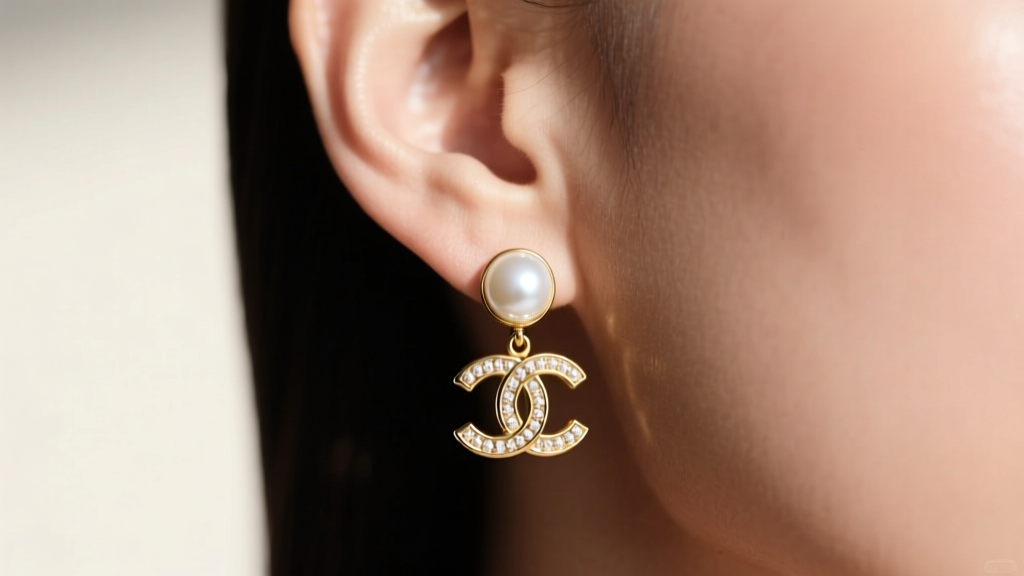
The Enduring Legacy of Coco Earrings
In the lexicon of fine and costume jewelry, few terms carry the weight and immediate recognition of "Coco earrings." While Gabrielle "Coco" Chanel revolutionized fashion by popularizing costume jewelry in the 1920s, the modern collector uses the term to describe the iconic interlocking CC, camellia, and pearl drop earrings that embody her original vision. Whether you are hunting for a pair of 1980s gold-plated clip-ons or a contemporary 2026 runway piece, navigating the secondary market requires a jeweler's eye and a historian's knowledge. This step-by-step guide will teach you how to authenticate, source, and style vintage Coco earrings with absolute confidence.
Step-by-Step Authentication Guide
Counterfeiters have become increasingly sophisticated, but they consistently fail at the microscopic details of Chanel's manufacturing processes. Grab a 10x or 20x jeweler's loupe and follow these three critical verification steps.
Step 1: Decode the Seasonal Hallmarks
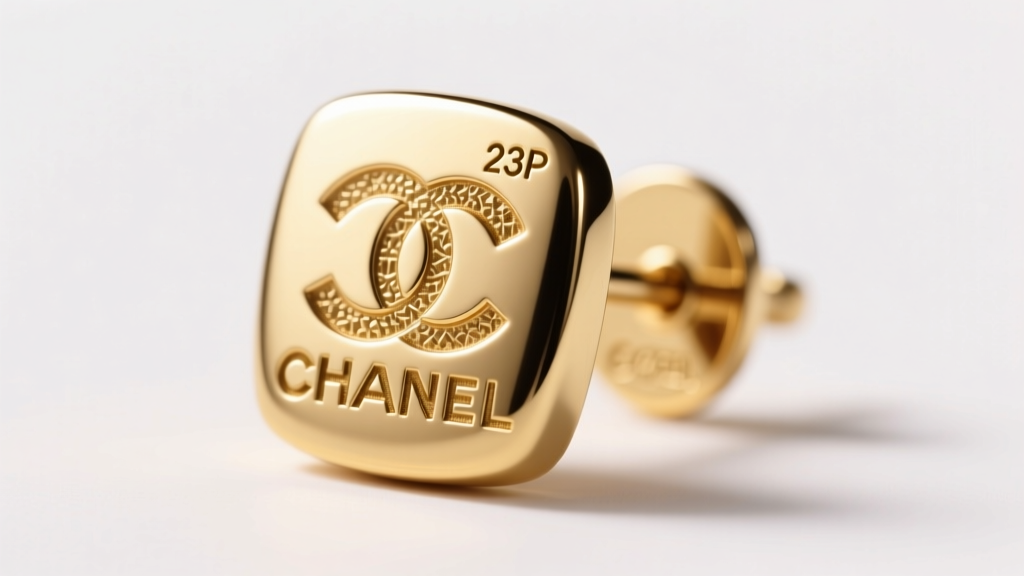
The most reliable way to date and authenticate Coco earrings is by examining the hallmark stamped into the metal plate on the reverse side of the earring post or clip back. According to The RealReal's authentication standards, the hallmarking system has evolved distinctly over the decades:
- 1980s to Early 1990s: Pieces typically feature a simple "CHANEL" stamp flanked by the copyright (©) and registered trademark (®) symbols. There are no seasonal codes from this era.
- 1993 to 2003: Chanel introduced a two-digit year and season letter (e.g., 93P for Spring 1993, 99A for Autumn 1999). The letter "P" stands for Printemps (Spring), while "A" stands for Automne (Autumn).
- 2004 to Present: The format shifted to a three-digit year code. For example, a pair stamped with "23P" was crafted for the Spring 2023 collection. If a seller claims a piece is from 2015 but the hallmark reads "15P" instead of the three-digit format, it is an immediate red flag.
Step 2: Examine the CC Logo Proportions
The interlocking CC logo is the most counterfeited symbol in luxury fashion. On authentic Coco earrings, the geometry is mathematically precise. The right 'C' must overlap the left 'C' at the top, and the left 'C' must overlap the right 'C' at the bottom. Furthermore, the font weight should be perfectly consistent, and the negative space inside the 'C' should form a clean, unbroken circle. Fakes often feature a slightly oval negative space or a clumsy overlap where the metal appears fused rather than layered.
Step 3: Test the Gripoix Glass and Pearls
Many classic Coco drop earrings feature poured glass, or pâte de verre, crafted by the legendary Maison Gripoix. Unlike mass-produced resin or molded plastic, authentic Gripoix glass is poured into metal molds by hand. Under a loupe, you will often see tiny, microscopic air bubbles trapped within the glass. Counterfeiters often mistake these bubbles for flaws and produce perfectly clear, sterile resin, which is actually a sign of a fake. Additionally, Chanel's signature glass pearls are coated in a high-quality pearl essence. While they should not feel gritty against your teeth like natural nacre, they possess a deep, luminous luster that flat, plastic-coated beads simply cannot replicate. For a deeper dive into these material nuances, Vogue's archive on Chanel costume jewelry offers an excellent visual breakdown of historical Gripoix techniques.
Material & Weight Analysis Matrix
Use this comparison chart to quickly evaluate a potential purchase before committing to a transaction.
| Feature | Authentic Coco Earrings | Counterfeit / Replica |
|---|---|---|
| Base Metal | Heavy brass with thick gold or ruthenium plating | Lightweight alloy, zinc, or thin hollow tubing |
| Weight | Substantial heft; drops hang with a heavy swing | Noticeably light; feels flimsy in the hand |
| Pearl Coating | Thick, lustrous pearl essence; smooth to the touch | Thin pearlescent paint; chips easily, reveals plastic |
| Solder Joints | Smooth, seamless, and polished | Visible lumpy solder, burn marks, or rough edges |
| Hardware Screws | Flathead screws are often used on clip-back pads | Glued pads or modern Phillips-head screws |
Troubleshooting Missing Hallmarks
What happens if the hallmark is rubbed off? On heavily worn pieces from the late 1980s and early 1990s, the gold plating on the earring post can wear away, taking the stamp with it. In these cases, pivot your authentication focus to the hardware construction. Authentic Chanel clip-ons from this era utilize a specific, robust spring mechanism with a flat, padded comfort back. Examine the solder points where the clip meets the decorative face; authentic pieces feature seamless, polished soldering, whereas fakes often show rough, unpolished glue or messy welding.
How to Style Coco Earrings in 2026
The way we wear heritage jewelry has shifted dramatically. The 2026 aesthetic has moved past the rigid "matchy-matchy" suit-and-pearl paradigm into what stylists call Heritage Maximalism—mixing archival luxury pieces with relaxed, contemporary silhouettes.
Look 1: The Neo-Parisian Tailored Suit
Pair a heavy, oversized 1990s gold CC clip-on with a sharply tailored, masculine-cut charcoal blazer and a simple white silk camisole. The contrast between the structured, androgynous tailoring and the ornate, feminine drop earring creates a striking visual tension. Keep the hair swept back in a sleek chignon to ensure the earring's movement is the focal point of the ensemble.

Look 2: Elevated Minimalist Streetwear
For a weekend look, style medium-sized Coco pearl studs or small huggies with raw, wide-leg denim and a heavyweight mohair sweater. The key to pulling off vintage costume jewelry in a casual setting is to let the gold tones warm up the cool, muted tones of the streetwear. Avoid wearing other statement necklaces; let the ears carry the entire luxury narrative.
Care and Maintenance Protocol
Vintage Coco earrings are investments that require meticulous care. The most common mistake collectors make is using ultrasonic jewelry cleaners or harsh chemical dips. Never submerge Coco earrings in liquid. The adhesives used to secure Gripoix glass and the delicate pearl essence coating will dissolve or cloud upon contact with water and alcohol-based solutions.
- Cleaning: Use a dry, ultra-soft microfiber cloth to gently buff the gold-plated brass. For crevices around the CC logo, use a dry, soft-bristled makeup brush to sweep away dust and skin oils.
- Storage: Store each pair individually in an anti-tarnish flannel pouch. Keep them in a climate-controlled environment, as high humidity can cause the brass base to oxidize and weep through the gold plating, creating green verdigris spots.
- Application Order: Always apply perfume, hairspray, and lotions before putting on your earrings. The alcohol and aerosols in these products will rapidly degrade the luster of the faux pearls.
By mastering these authentication techniques and styling frameworks, you can confidently navigate the vintage market and build a curated collection of Coco earrings that will remain timelessly relevant for decades to come.


