How to Authenticate and Clean Vintage Mexican Silver Earrings
Learn how to authenticate, clean, and safely repair vintage Mexican silver earrings. Expert tips on Taxco hallmarks, patina care, and post soldering.

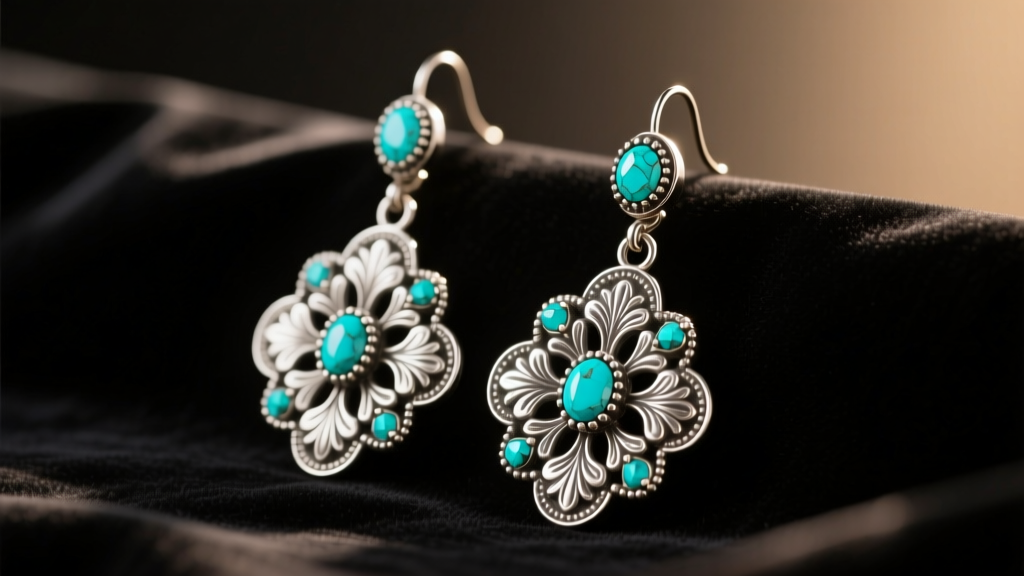
The mid-century era of Mexican jewelry design, particularly from the silver capital of Taxco, produced some of the most highly collectible and artistically significant pieces in the world. When you acquire vintage Mexican silver earrings, you are not just buying accessories; you are holding wearable history crafted by masters like William Spratling, Hector Aguilar, and the Castillo family. However, buying, authenticating, and maintaining these pieces requires specialized knowledge. Modern jewelry care methods can easily destroy the historical integrity and monetary value of these artifacts.
This step-by-step guide will teach you how to properly authenticate Taxco silver, assess structural wear, and clean your vintage Mexican silver earrings without stripping their valuable patina or damaging delicate gemstone inlays.
The Allure of Taxco: Understanding Mexican Silver Grades
Before you begin cleaning or repairing your earrings, you must understand the metallurgy of vintage Mexican silver. Unlike modern sterling, which is almost universally .925 (92.5% silver, 7.5% copper), mid-century Taxco silversmiths frequently utilized higher purity alloys.
- .925 Sterling: The standard baseline. Durable and holds earring posts well.
- .950 Silver: Contains 95% silver and 5% copper. Softer than sterling, offering a brighter luster but more prone to bending.
- .980 Silver: Contains 98% silver. Highly prized in early Spratling and Aguilar pieces (1930s-1940s). It has a brilliant, moon-like glow but is extremely malleable.
Expert Warning: Because .980 and .950 silver are significantly softer than modern .925, the earring posts and clip-back mechanisms are highly susceptible to metal fatigue. Never repeatedly bend a vintage .980 silver earring post to adjust the fit; it will snap cleanly at the solder joint.
Step 1: Authenticating Vintage Mexican Silver Earrings
The market is flooded with modern reproductions stamped with fake Mexican marks. Authenticating your vintage Mexican silver earrings requires a close inspection of the hallmarks, typically found on the back of the clip mechanism, the post pad, or the lower rim of a dangle.
| Maker / Era | Common Hallmarks | Estimated Market Value (Earrings) |
|---|---|---|
| William Spratling (Early) | SPRATLING MADE IN MEXICO, .980 | $400 - $2,500+ |
| Los Castillo | LOS CASTILLO, TAXCO, MEXICO, Eagle Mark | $150 - $800 |
| Hector Aguilar | H.A., TAXCO, .940 or .990 | $300 - $1,200 |
| Margot de Taxco | MARGOT DE TAXCO, MADE IN MEXICO (Enamel) | $120 - $450 |
| Unmarked / Generic Taxco | TAXCO, .925, MEXICO | $40 - $120 |
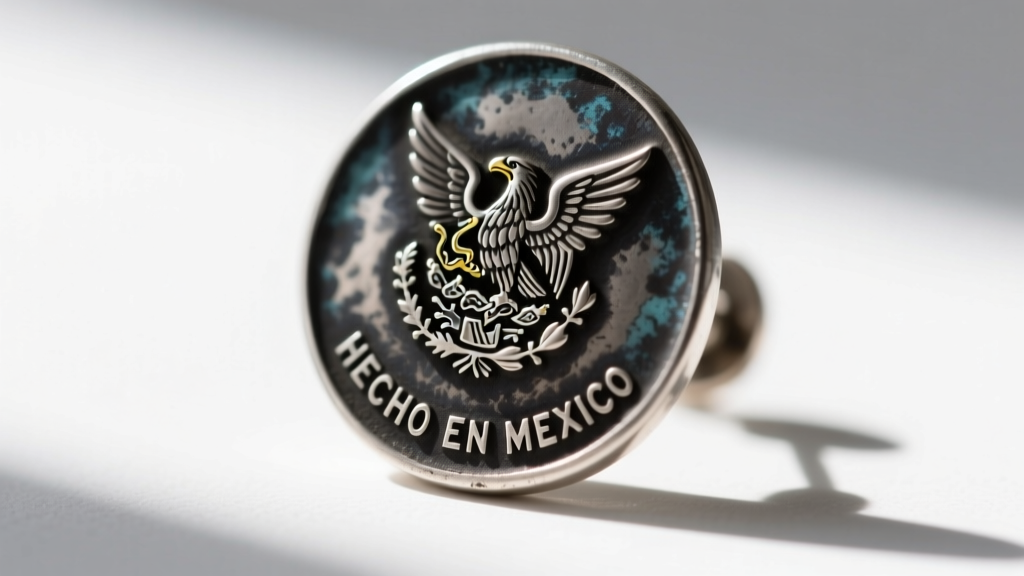
According to the comprehensive archives at SpratlingSilver.com, the Mexican government introduced the "Eagle Mark" system in 1948 to guarantee silver content and track manufacturers. If your earrings feature an Eagle stamp with a number (e.g., Eagle 1 for Mexico City, Eagle 3 for Taxco), they were produced between 1948 and 1979. For a deeper dive into specific assay marks, the Mexican Marks database on 925-1000.com is an indispensable resource for cross-referencing obscure maker stamps.
Step 2: Assessing Structural Integrity and Wear
Vintage Mexican silver earrings were primarily designed for standard earlobe piercings. Before wearing them, you must evaluate the hardware for safety and comfort.
Checking Post Gauges and Solder Joints
Modern commercial earrings typically use 22-gauge or 20-gauge posts. Vintage Taxco pieces often feature thicker, hand-filed 18-gauge or even 16-gauge posts. Forcing an 18-gauge vintage post into a modern, delicate 22-gauge cartilage piercing can cause tearing and trauma. Always measure the post with a digital caliper before insertion.
Inspect the base of the post where it meets the earring body. Vintage pieces were soldered using lead-free silver solder. Over decades of wear, the stress of pushing friction backs onto the post can cause micro-fractures in the solder joint. If the post wiggles independently of the earring face, it requires professional laser welding. Do not attempt to fix this with standard jewelry glue, which will fail under the weight of heavy Taxco silver.
Evaluating Clip-On Mechanisms
Many vintage Mexican earrings were made as clip-ons for unpierced ears. Check the tension of the clip. If the paddle is loose, a jeweler can gently tighten the rivet pin. If the metal is .980 silver, the paddle itself may have warped over time and require careful reshaping by a professional who understands historical metallurgy.
Step 3: The Proper Cleaning Protocol (Preserving the Patina)
The most critical mistake collectors make is using commercial silver dips (like Tarn-X) or the aluminum foil and baking soda boiling method. These harsh chemical processes strip away decades of natural oxidation (patina) that provides depth to repousse and chased designs, instantly reducing the piece's value by up to 50%.
Furthermore, vintage Mexican silver earrings frequently feature inlays of turquoise, coral, obsidian, or amethyst. Turquoise is highly porous; chemical dips will permanently alter its color matrix and degrade the stone.
The Gentle Hand-Washing Method
Follow this exact protocol to safely clean your earrings while preserving the dark oxidation in the recessed areas:
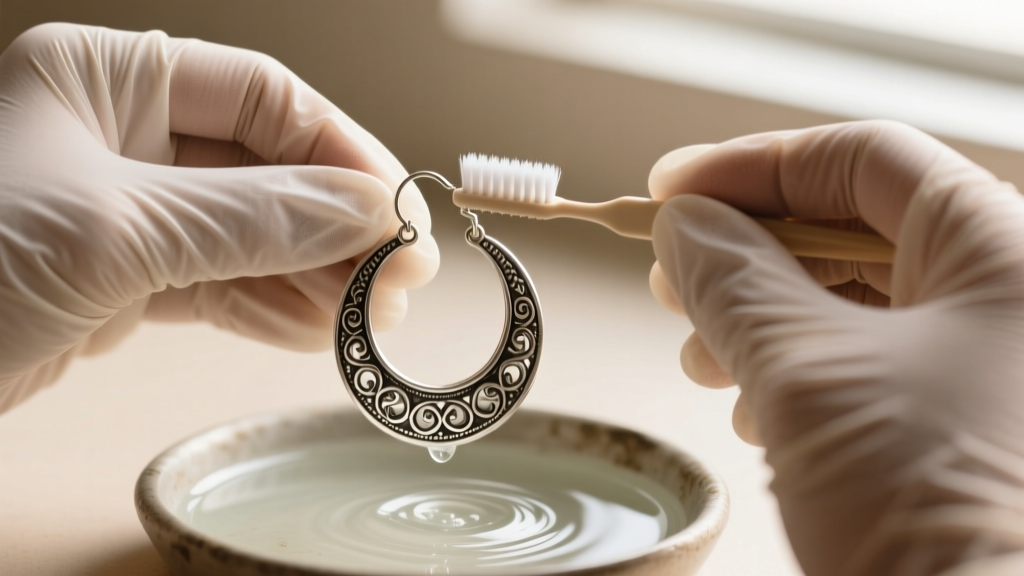
- Prepare the Solution: Mix a few drops of pH-neutral, phosphate-free dish soap (like Dawn) into a bowl of lukewarm distilled water. Avoid tap water, as chlorine and hard minerals can react with the copper in the alloy.
- Soak Briefly: Submerge the earrings for no more than 3 to 5 minutes. If the earrings feature Margot de Taxco champlevé enamel, skip soaking entirely, as water can seep into micro-cracks in the glass enamel.
- Agitate Gently: Using an extra-soft baby toothbrush, gently brush the raised surfaces of the silver. Do not scrub the recessed areas where the dark patina lives. Brush away from any gemstone bezels to avoid loosening the settings.
- Rinse and Dry: Rinse under a slow stream of distilled water. Immediately pat dry with a lint-free microfiber cloth. Use a hair dryer on the "cool" setting to blow moisture out of the earring post holes and clip hinges.
Step 4: Safe Storage and Maintenance
Because .950 and .980 silver contain less copper than .925, they actually tarnish slightly slower, but they are more vulnerable to environmental moisture and sulfur compounds in the air.
Never store your vintage Mexican silver earrings in standard plastic ziplock bags, as the PVC and plasticizers can trap moisture and cause localized black spotting that is nearly impossible to remove without polishing away the silver layer. Instead, wrap each earring individually in acid-free, unbuffered archival tissue paper.
Place the wrapped earrings in an airtight container lined with 3M Anti-Tarnish strips, which absorb sulfur gases before they can react with the silver. If you live in a high-humidity coastal environment, add a small packet of silica gel desiccant to the storage box, ensuring it does not directly touch the silver or any porous gemstones.
"The beauty of Taxco silver lies not in its mirror-like shine, but in the contrast between the polished high-relief motifs and the deep, shadowy oxidation of the background. To strip a vintage piece of its patina is to erase the hands of the artisan who originally finished it." — Adapted from the archives of Lang Antiques University
By respecting the unique metallurgical properties and historical craftsmanship of vintage Mexican silver earrings, you ensure that these wearable sculptures will survive for another century, retaining both their structural integrity and their profound artistic value.


