How to Authenticate Antique Mexican Earrings: A Guide
Learn how to identify, authenticate, and care for antique Mexican earrings. Discover Taxco hallmarks, silver grades, and pricing tips for beginners.

The Allure of Taxco: What Makes Mexican Silver Special?
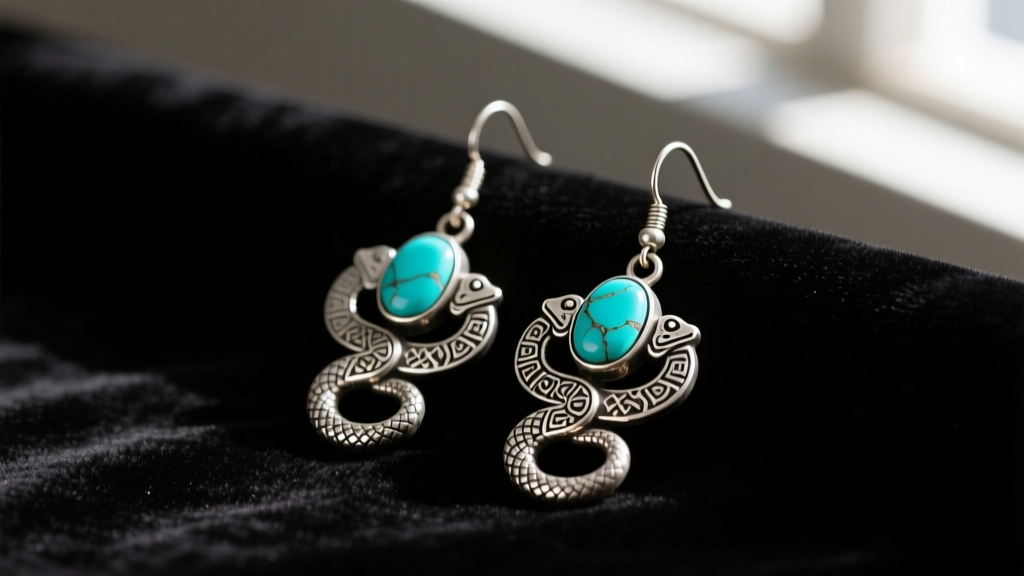
When collectors and jewelry enthusiasts discuss vintage silver, few regions command as much respect as Taxco, Mexico. The mid-20th century marked a renaissance in Mexican silversmithing, transforming a small mountain town into a global hub for bold, sculptural, and historically rich jewelry. For beginners stepping into the world of antique Mexican earrings, the appeal lies in the intersection of pre-Columbian motifs, Art Deco influences, and exceptional craftsmanship. Unlike the delicate, mass-produced jewelry of the same era in the United States and Europe, Mexican silver earrings from the 1930s through the 1960s are characterized by their substantial weight, deep repoussé work, and striking gemstone inlays.
The movement was largely spearheaded by American architect William Spratling, who arrived in Taxco in the late 1920s and began designing silver pieces inspired by Aztec and Mayan codices. His apprentices—including legends like Hector Aguilar and the Castillo family—went on to establish their own workshops, creating a fiercely competitive and innovative environment. Today, finding authentic antique Mexican earrings is a treasure hunt that requires a keen eye for historical hallmarks, an understanding of silver purity, and a grasp of mid-century jewelry mechanics.
Decoding the Marks: How to Authenticate Vintage Pieces
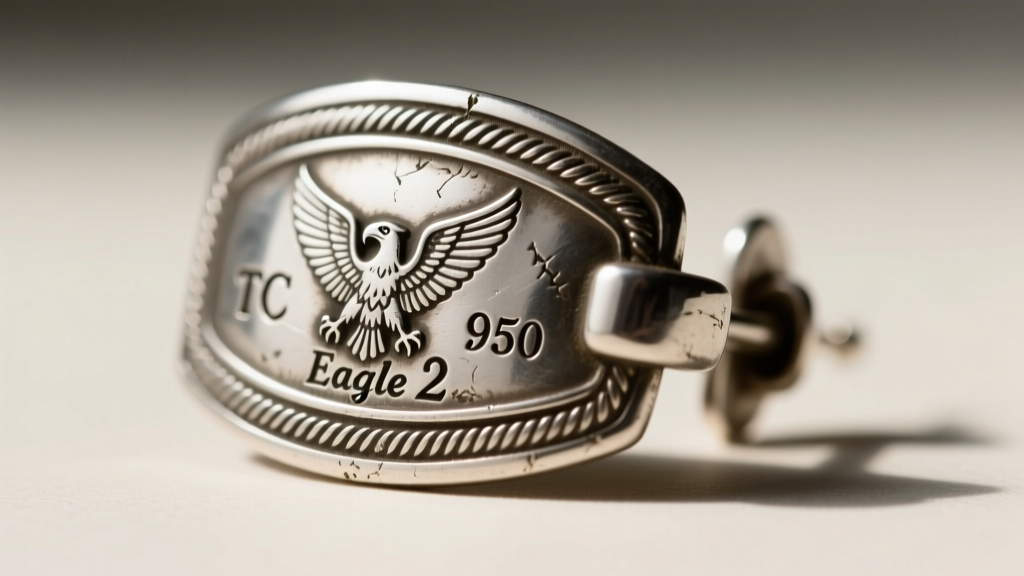
The most critical skill for any beginner is learning to read the hallmarks stamped into the silver. Before 1948, Mexican silver was typically stamped simply with "STERLING", "925", or "MADE IN MEXICO". However, in 1948, the Mexican government introduced the Eagle Stamp system to regulate silver exports and guarantee quality. According to the Spratling Silver archive, these assayer marks are your primary tool for dating and locating the origin of a piece.
The Eagle Stamp System Explained
The Eagle stamp features a profile of an eagle with a number in its center or below it. This number corresponds to a specific city or region. While the system was eventually phased out in 1979 due to widespread counterfeiting and lax enforcement, it remains the gold standard for authenticating mid-century pieces.
| Eagle Number | Location / Meaning | Notable Workshops |
|---|---|---|
| Eagle 1 | Mexico City (CDMX) | Various urban silversmiths |
| Eagle 2 | Taxco, Guerrero | Los Castillo, Margot de Taxco |
| Eagle 3 | Veracruz | Regional artisan cooperatives |
| Eagle 4 | Guadalajara, Jalisco | Macor Jewelry |
In addition to the Eagle mark, look for the maker's mark (often a stylized initials or full name) and the purity stamp. Authentic antique Mexican earrings will almost always feature a combination of these three elements. If an earring only has a vague "MEXICO 925" stamp with no maker's mark or eagle, proceed with caution, as modern reproductions frequently use this generic stamping.
Silver Grades and Gemstone Inlays
One of the most fascinating aspects of Taxco silver is the frequent use of .950 and .980 silver, rather than the standard .925 sterling. Why use softer silver? The higher the silver content, the more malleable the metal. Master silversmiths like Hector Aguilar preferred .950 or .980 silver because it allowed for deeper, more intricate repoussé (hammering from the reverse side to create a raised design) and seamless folding techniques that would cause standard sterling to crack or work-harden too quickly.
When examining antique Mexican earrings, you will frequently encounter specific gemstones that were locally sourced or highly prized by mid-century designers:
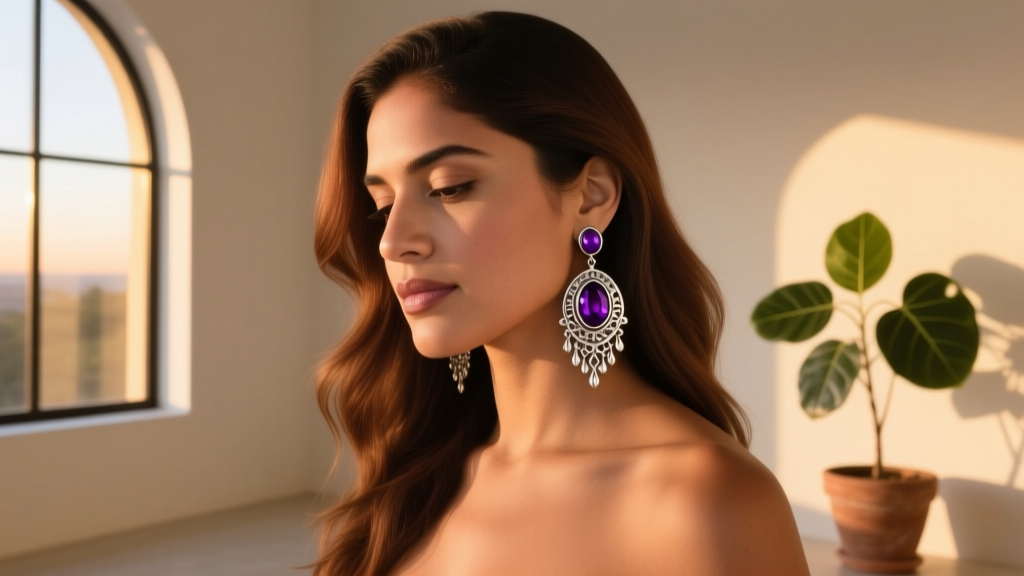
- Amethyst: Often cut into large, geometric cabochons or left as raw, unpolished clusters (a signature of the "Los Castillo" workshop).
- Turquoise: Highly valued for its contrast against oxidized silver, usually bezel-set in smooth, rounded bezels.
- Obsidian and Onyx: Used heavily in Art Deco-inspired pieces, providing a stark, glossy black backdrop for silver overlays.
- Abalone Shell: Frequently used in later 1960s pieces, particularly by Margot de Taxco, often paired with colorful champlevé enameling.
Expert Tip: If you are examining a piece with inlaid amethyst or turquoise, check the bezel walls. Authentic mid-century Taxco pieces feature thick, hand-burnished silver bezels. Modern fakes often use thin, machine-stamped bezels or glue the stones directly to the silver without a proper metal housing.
Earring Mechanics: Clip-Ons, Screw-Backs, and Conversions
Beginners are often surprised to find that a vast majority of authentic antique Mexican earrings from the 1940s and 1950s are clip-ons or screw-backs rather than pierced posts. During this era, ear piercing was considered unfashionable or even taboo in many Western cultures, so master jewelers engineered robust, non-pierced mechanisms to accommodate the heavy weight of their sculptural designs.
If you have unpierced ears, vintage Mexican clip-ons are a fantastic option, though they may require gentle adjustment with nylon-jaw pliers to fit your earlobe comfortably. For those who prefer pierced earrings, many collectors opt for professional conversions. A skilled jeweler can carefully remove the clip mechanism and solder a modern 18-gauge or 16-gauge titanium or sterling post in its place. Because Taxco silver is often thicker than standard modern jewelry, it takes the heat of soldering very well without warping, provided the gemstones are temporarily removed or protected with heat-shield paste.
2026 Pricing Guide: What Should You Expect to Pay?
The market for antique Mexican silver has matured significantly. According to market analyses by Lang Antiques University, provenance and maker heavily dictate value. Here is a realistic pricing framework for the current market:
- Unsigned / Generic .925 Clip-Ons ($40 - $90): Beautiful, heavy pieces with pre-Columbian motifs but no identifiable maker. Great for everyday wear and beginners on a budget.
- Margot de Taxco Enamel & Silver ($120 - $250): Highly collectible for their vibrant, intact champlevé enamel work. Chips in the enamel will reduce the value by 30-50%.
- Los Castillo / Hector Aguilar Amethyst Drops ($300 - $600): Iconic, museum-quality designs featuring the "married metals" technique or massive, raw amethyst geodes set in .950 silver.
- William Spratling Early First Phase ($800 - $2,500+): Pre-1948 pieces bearing the "SPRATLING MADE IN MEXICO" stamp. These are highly sought after by serious investors and historians.
Care, Maintenance, and Wearing Heavy Drops
Authentic antique Mexican earrings are not lightweight. A pair of solid .950 silver dangle earrings with turquoise inlays can easily weigh 30 to 45 grams per earring. While this substantial heft is a hallmark of quality, it presents a practical challenge: earlobe stretching and discomfort.
To wear heavy vintage drops comfortably, invest in silicone earlobe support patches (such as Lobe Wonder). These adhesive patches distribute the weight of the earring across a wider surface area of the ear, preventing the wire or post from tearing through the piercing hole. Furthermore, always store heavy dangles flat in a velvet-lined box. Hanging them on standard jewelry trees can put stress on the soldered jump rings connecting the dangle to the post, eventually leading to metal fatigue and breakage.
Finally, resist the urge to aggressively polish your antique Mexican earrings. The dark oxidation (patina) that settles into the crevices of repoussé designs is intentional; it provides the contrast necessary to see the intricate Aztec calendars, serpent motifs, and floral patterns. Use a soft, dry microfiber cloth to gently buff only the high points of the silver, leaving the recessed areas dark to preserve the three-dimensional artistry of the original Taxco masters.


