How to Style the Vermeer Girl With a Pearl Earring Look
Learn how to recreate the iconic Vermeer Girl with a Pearl Earring look. A step-by-step guide to pearl sizing, wire gauges, and lobe support.

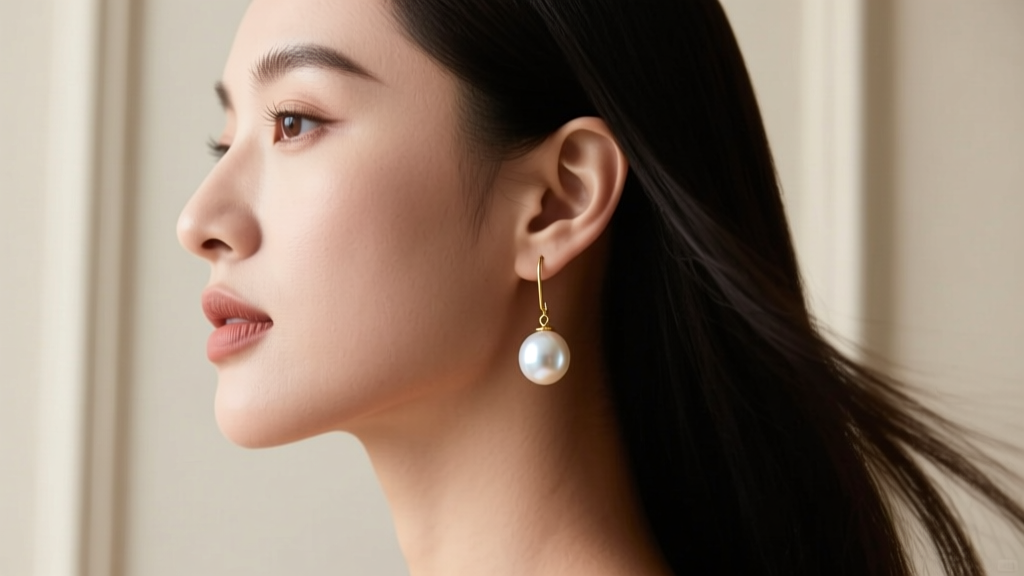
Decoding the Masterpiece: What Makes the Vermeer Pearl So Iconic?
Johannes Vermeer’s 1665 masterpiece, often referred to as the 'Mona Lisa of the North,' captivates viewers not just with the subject’s enigmatic gaze, but with the luminous, oversized pearl resting against her collar. For jewelry enthusiasts and historians alike, the Vermeer Girl with a Pearl Earring presents a fascinating study in scale, light, and visual weight. The pearl in the painting is depicted at an estimated 12 to 14 millimeters in diameter—a massive size that, in the 17th century, would have been either an impossibly rare natural saltwater pearl or, more likely, a glass imitation coated in essence d'orient (a mixture of fish scales and lacquer).
Today, achieving this iconic look requires more than just buying a large pearl. It demands an understanding of gemological grading, structural jewelry engineering to protect your earlobes, and careful styling to ensure the earring commands attention without overwhelming your features. This step-by-step guide will walk you through exactly how to curate, engineer, and style your own Vermeer-inspired drop earring.
Step 1: Selecting the Right Pearl (Size, Type, and Luster)
The magic of Vermeer’s pearl lies in its luster and its spherical perfection. To recreate this, you must navigate the modern pearl market with a critical eye. According to the Gemological Institute of America (GIA), luster is the most critical value factor for any pearl. You want a 'mirror-like' reflection, not a chalky or dull surface.
Choosing the Pearl Variety
- White South Sea Pearls: The gold standard for large, white, round pearls. A 13mm-15mm White South Sea pearl with high luster will easily cost between $800 and $2,500. They possess a soft, satiny luster that closely mimics the painted glow in Vermeer's work.
- Edison Freshwater Pearls: A modern marvel of nucleated freshwater farming. You can achieve a nearly identical 14mm round, white pearl with metallic luster for $80 to $150. The luster is slightly sharper and more 'glassy' than a South Sea pearl, but the cost-to-size ratio is unbeatable for this specific historical recreation.
- Akoya Pearls: Generally max out around 9mm to 10mm. While their luster is unmatched, they are simply too small to capture the dramatic, oversized silhouette of the Vermeer pearl.
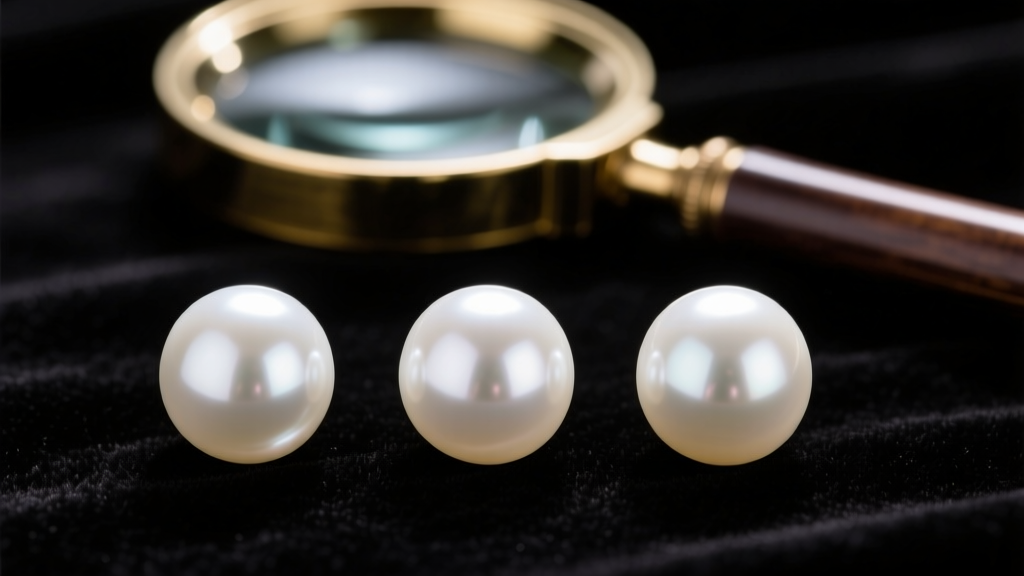
Step 2: Engineering the Drop — Weight, Gauge, and Earlobe Health
This is where most historical jewelry recreations fail. A 14mm solid nacre pearl weighs approximately 3.5 to 5 grams. While that sounds light, when suspended from a standard 22-gauge earring wire, it creates a pendulum effect. Every time you turn your head, the heavy drop swings, applying localized shear stress to the piercing fistula. Over time, this leads to lobe stretching, thinning, and eventual tearing.
The Wire Gauge Rule
Never use standard 22-gauge (0.64mm) or 24-gauge (0.51mm) wires for heavy drops. You must upgrade to a 20-gauge (0.81mm) or, ideally, an 18-gauge (1.02mm) hardened wire. If your piercing was done with a standard gun (usually 20g or 18g), an 18-gauge wire will fit snugly and provide the necessary rigidity to prevent the wire from bending outward under the pearl's weight.
| Pearl Diameter | Avg. Weight | Minimum Wire Gauge | Required Backing Support |
|---|---|---|---|
| 10mm - 11mm | 1.5g - 2.5g | 20-Gauge | Standard friction back or silicone stopper |
| 12mm - 13mm | 2.6g - 3.8g | 18-Gauge | Leverback or large silicone support disc |
| 14mm - 16mm (Vermeer Scale) | 3.9g - 6.0g | 18-Gauge (Hardened) | LobeWonder support patches + leverback |
Supporting the Lobe
For true 14mm Vermeer-scale pearls, use adhesive silicone earring support patches (like LobeWonder). These distribute the downward drag of the pearl across a wider surface area of the earlobe, keeping the pearl perfectly perpendicular to the floor rather than drooping awkwardly downward.
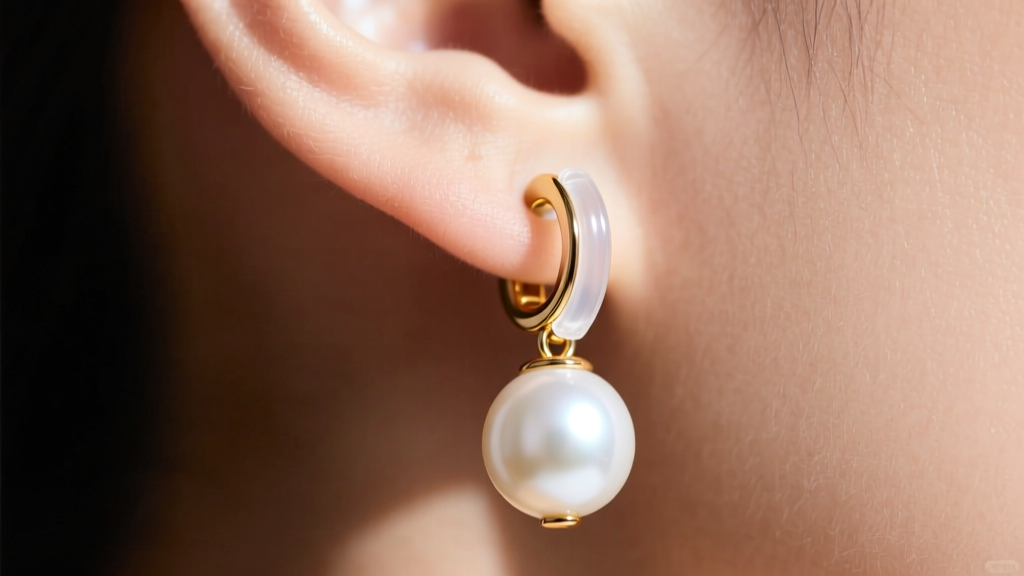
Step 3: Choosing the Setting and Metal
In the painting, the pearl appears to float just below the earlobe, seemingly attached by an invisible post or a very fine, simple wire. To maintain this illusion of a 'floating' pearl, avoid heavy, ornate metal caps or diamond-encrusted bails.
The Peg-and-Glue Method vs. Wire Wrapping
Most large pearl drops are created using a peg-and-glue setting. A metal cup with a small pin is glued into a half-drilled hole in the pearl. Crucial Warning: Do not allow jewelers to use standard cyanoacrylate (Super Glue) for a pearl of this weight. Cyanoacrylate becomes brittle over time and will snap under the shear force of a 5-gram drop. Insist on a two-part flexible epoxy (like G-S Hypo Cement or a specialized jeweler's epoxy), which absorbs micro-shocks when the earring swings.
Alternatively, a fully drilled pearl threaded onto an 18-gauge gold wire with a small, flush-mounted gold bead at the top provides the most historically accurate, minimalist look while eliminating glue failure modes entirely.
Step 4: Styling the 'Vermeer' Drop for Modern Wardrobes
Wearing a massive, luminous pearl in the 2020s requires careful styling to avoid looking like you are wearing a theatrical costume. The key to pulling off the Vermeer Girl with a Pearl Earring aesthetic is contrast.
'The pearl in Vermeer's painting works because of the dark, muted clothing and the shadowed background. The pearl is the sole source of reflected light. To recreate this today, you must let the earring be the focal point of your silhouette.'
Hair and Necklines
- The Updo: Vermeer’s subject wears her hair wrapped in a turban-like cloth, completely exposing her neck and jawline. Modern equivalents include a sleek chignon, a French twist, or a tightly pulled-back low ponytail. The ear must be fully visible.
- The Neckline: Avoid high collars, ruffled blouses, or statement necklaces. Opt for deep V-necks, scoop necks, or off-the-shoulder tops in solid, dark, or muted tones (navy, charcoal, forest green, or black). This provides the 'dark velvet' backdrop that allows the pearl's luster to pop.
- Makeup: Keep the skin finish dewy and luminous to catch the light, mirroring the wet-look highlight on the subject's lower lip and the pearl itself in the painting.
Step 5: Caring for Large Drop Pearls
Large cultured pearls, particularly Edison and South Sea varieties, require specific maintenance to preserve their nacre and luster. Because they hang as drops, they are highly susceptible to accidental impacts against desks, mirrors, and countertops.
- The 'Last On, First Off' Rule: Pearls are highly porous and easily damaged by the acids in perfumes, hairsprays, and cosmetics. Always put your pearl drops on after your beauty routine is complete, and take them off before you begin undressing.
- Post-Wear Wiping: After wearing, gently wipe the pearl with a soft, lint-free microfiber cloth slightly dampened with distilled water. This removes skin oils and environmental pollutants that can slowly etch the nacre over time.
- Storage: Never store your pearl drops in a plastic bag (plastic emits gases that can degrade nacre) or tossed in a jewelry box where metal prongs from other pieces can scratch the surface. Store them flat in a soft silk pouch to prevent the wire from bending under the weight of other jewelry.
By carefully selecting a high-luster 14mm pearl, engineering the drop with an 18-gauge wire and silicone lobe support, and styling it with deliberate contrast, you can successfully translate the Vermeer Girl with a Pearl Earring from a 17th-century canvas into a breathtaking, wearable reality.


