Beginner Guide to Choosing the Best 2nd Piercing Earrings
Learn how to choose the perfect 2nd piercing earrings. Discover ideal gauge sizes, implant-grade materials, and styling tips for your second lobe.

The Anatomy of a Second Lobe Piercing
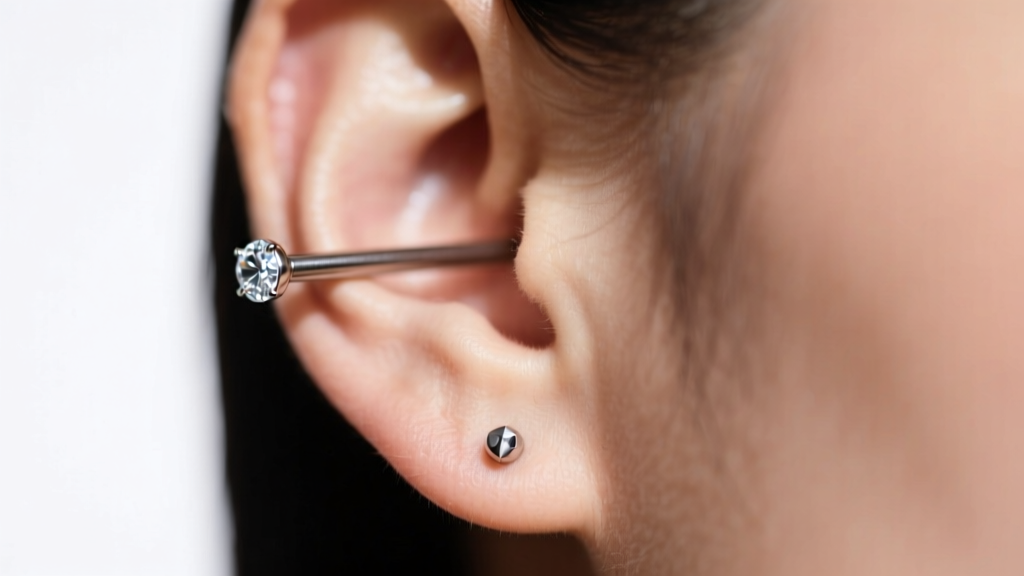
Getting your ears pierced is a classic milestone, but deciding to get a second lobe piercing opens up an entirely new world of styling possibilities. However, many beginners make the mistake of treating their second hole exactly like their first. From a structural standpoint, the second piercing is fundamentally different. While the first piercing is typically placed in the thickest, most vascular part of the lower earlobe, the second piercing is usually positioned higher up, closer to the cartilage ridge of the helix root.
This anatomical difference means the tissue in the second hole is often denser, less fatty, and slightly more prone to swelling and irritation if subjected to heavy jewelry or improper angles. Because the spacing between the first and second holes is generally quite tight—usually between 5mm and 8mm—choosing the right 2nd piercing earrings requires a strategic approach to sizing, material science, and visual proportion. This guide will walk you through the exact specifications you need to ensure your second piercing heals beautifully and looks impeccably curated.
The Golden Rules of Sizing: Gauge and Post Length
The most common reason second piercings fail to heal properly or suffer from migration is incorrect jewelry sizing. When you visit a professional piercer, they will likely use a different gauge (thickness) and post length than what you find in standard mall-kiosk earrings.
Understanding Gauge Thickness
Standard fashion earrings are often 20-gauge (0.81mm) or even 22-gauge. However, professional piercers typically perform second lobe piercings at 18-gauge (1.02mm) or 16-gauge (1.29mm). A thicker gauge provides structural stability, reducing the 'cheese-cutter effect' where thin wires can slowly slice through the earlobe tissue over time. If you buy 20-gauge earrings for an 18-gauge hole, the jewelry will move around excessively, introducing bacteria and delaying the healing process.
Post Length and the Downsizing Phase
Swelling is a biological certainty when creating a new fistula (the tube of healed tissue around the jewelry). To accommodate this, initial jewelry must have a longer post. Once the swelling subsides, usually around the 4-to-6-week mark, you must downsize the post to prevent the jewelry from snagging on hair and clothing.
| Jewelry Phase | Recommended Post Length | Purpose & Failure Mode if Ignored |
|---|---|---|
| Initial Healing (Weeks 1-6) | 5/16 inch (8mm) or 3/8 inch (10mm) | Accommodates peak swelling. If too short, the backing will embed into the skin, causing pressure necrosis and severe infection. |
| Downsized / Healed (Weeks 6+) | 1/4 inch (6mm) or 5/16 inch (8mm) | Sits flush against the earlobe. If left too long, the post will catch on masks, pillows, and hair, leading to irritation bumps. |
Material Matters: Why Implant-Grade Titanium is Non-Negotiable
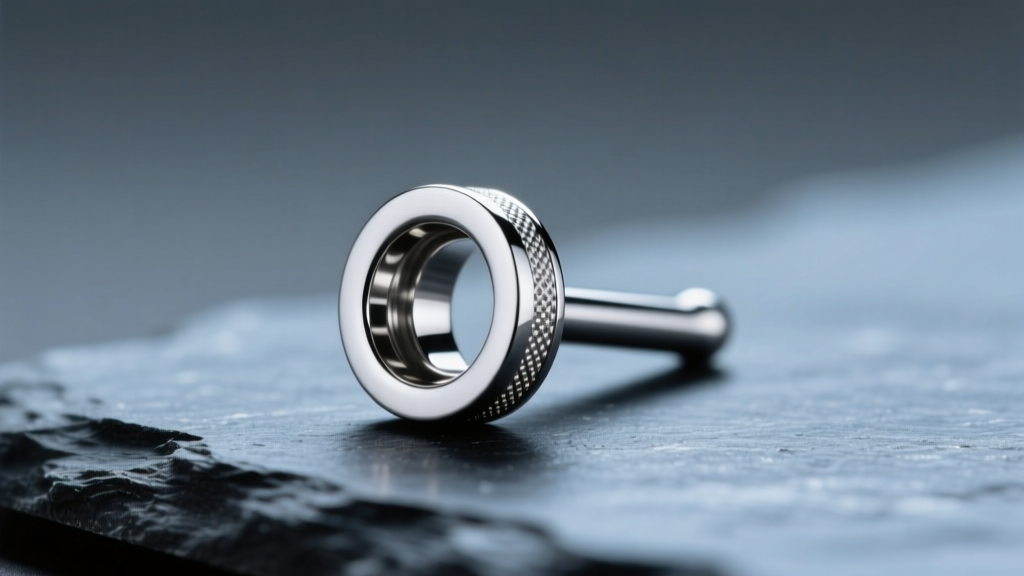
When shopping for 2nd piercing earrings, the material touching the inside of your fistula is just as critical as the aesthetic design. The jewelry industry is rife with misleading terms like 'surgical steel' or 'hypoallergenic,' which often mask the presence of nickel and other reactive alloys.
The Problem with Surgical Steel
According to the Association of Professional Piercers (APP), 316L surgical stainless steel contains up to 14% nickel. While the chromium oxide layer on the surface can temporarily trap the nickel, microscopic scratches from daily wear can expose the alloy, leading to contact dermatitis, itching, and the formation of hypertrophic scarring (irritation bumps) around your second hole.
The Solution: ASTM F136 Titanium
For any fresh or easily irritated piercing, you must look for jewelry explicitly labeled as Implant-Grade Titanium (ASTM F136). This specific alloy is completely nickel-free and is the exact same material used in orthopedic joint replacements and pacemakers. Brands like BVLA, NeoMetal, and Maria Tash manufacture their threaded and threadless ends from this exact grade. While a single titanium stud might cost between $40 and $80 compared to a $10 steel alternative, the investment prevents months of painful infections and the eventual need to let the piercing close and start over.
Styling Your First and Second Holes Together
Once your second piercing is fully healed (which takes a minimum of 3 to 6 months for complete fistula maturation), you can begin experimenting with curated ear stacks. The key to styling a first and second hole together is understanding the 'Anchor and Accent' framework.
The Spacing Factor
Because the gap between your first and second holes is only about 5mm to 8mm, wearing two large studs will result in the jewelry overlapping and physically clashing. You must calculate the combined radius of both earrings. If your first hole features a 6mm diameter hoop, the outer edge of that hoop will extend 3mm outward from the center of the hole. If your second hole is 6mm away, a large stud in the second hole will collide with the hoop.
The Anchor and Accent Framework
- The Anchor (First Hole): This hole takes the visual weight. Opt for a 6mm to 8mm seamless hoop, a medium huggie, or a prominent 5mm to 6mm solitaire stud.
- The Accent (Second Hole): This hole provides the delicate detail. Choose a 3mm to 4mm bezel-set gemstone, a tiny gold star, or a micro-huggie that hugs the lobe tightly without dangling into the first earring's space.
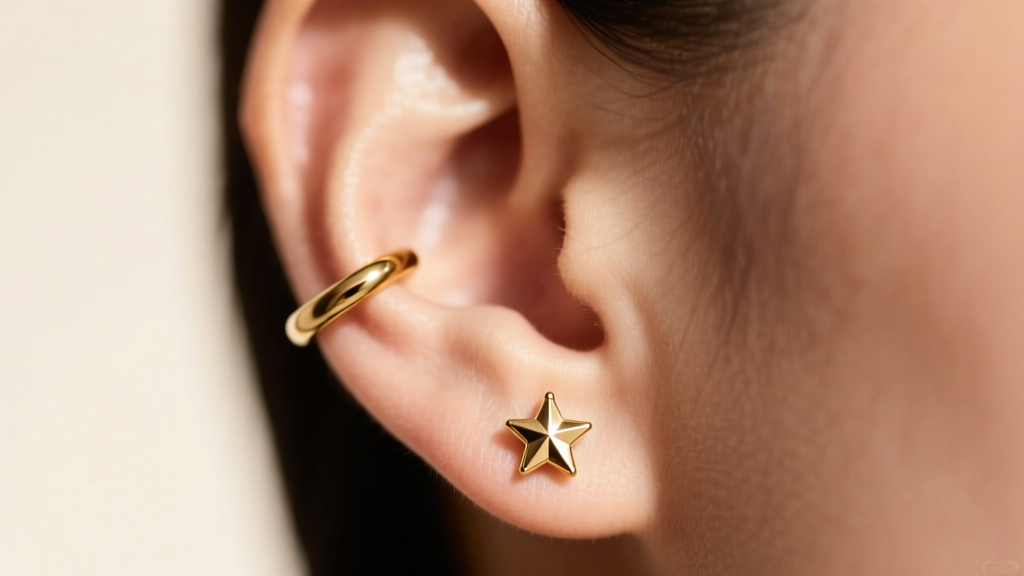
'The most elegant ear curations rely on negative space. If you crowd the first and second lobes with identical 5mm studs, you lose the delicate hierarchy that makes a multi-pierced ear look intentional rather than cluttered.' - Professional Piercing & Curation Guidelines
Healing Timelines and the Danger of Butterfly Backs
Patience is the ultimate requirement for a pristine second piercing. While the initial surface healing takes about 6 to 8 weeks, the internal fistula remains fragile for up to 9 months. During this time, the type of earring backing you use plays a massive role in your success.
Ditch the Butterfly Clasp
Standard push-on butterfly backs are the enemy of healing piercings. Their intricate grooves trap dead skin cells, sebum, and shampoo residue, creating a breeding ground for staph bacteria. Furthermore, they rely on a tight friction grip that often presses directly into the back of a swollen earlobe, restricting blood flow. The APP recommends using internally threaded or threadless flat-back labrets for all healing lobe piercings. A flat titanium disc sits flush against the back of the ear, distributing pressure evenly and eliminating the crevices where bacteria hide.
Common Beginner Mistakes to Avoid
To ensure your 2nd piercing earrings remain a stylish addition rather than a medical nuisance, avoid these frequent beginner pitfalls:
- Changing Jewelry Too Early: Swapping out your initial titanium labret for a fashion hoop at week four will almost certainly introduce an irritation bump. Wait until your piercer confirms the fistula is stable.
- Sleeping on the Piercing: Pressure from your pillow can cause the piercing to heal at a crooked angle. Invest in a U-shaped travel neck pillow and sleep with your ear in the center hole to eliminate nocturnal pressure.
- Using Harsh Chemicals: Rubbing alcohol, hydrogen peroxide, and tea tree oil will destroy the delicate new cells forming inside your second hole. Stick strictly to sterile 0.9% sodium chloride wound wash twice a day.
By respecting the unique anatomy of your second lobe, insisting on ASTM F136 titanium, and applying the Anchor and Accent styling framework, your 2nd piercing earrings will elevate your entire aesthetic with effortless, expert-level precision.


