Identifying and Valuing Vintage Hobe Earrings: A Deep Dive
Master the authentication of vintage Hobe earrings. Explore hallmarks, sterling silver construction, rhinestone types, and current market valuations.

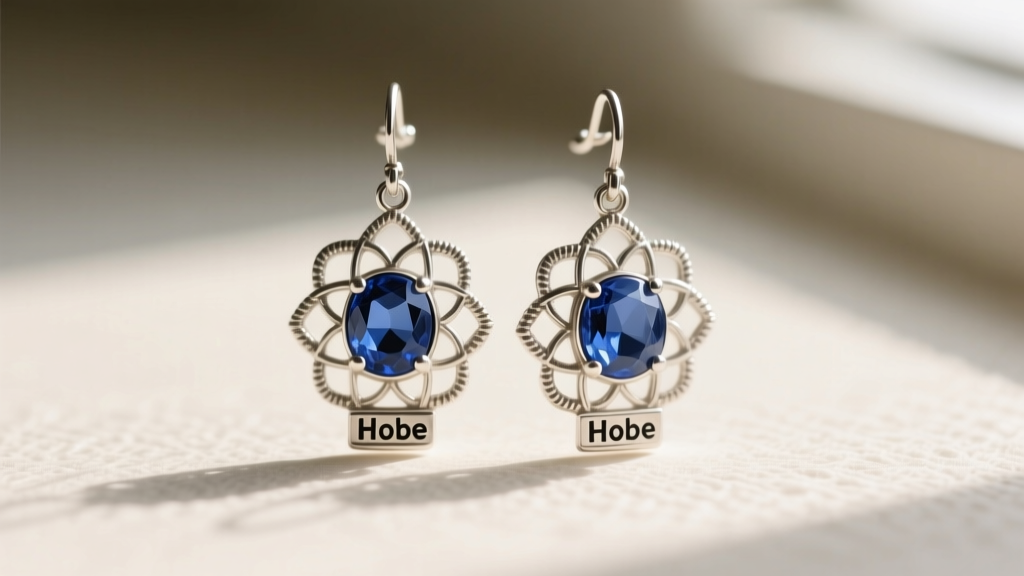
In the upper echelons of archival costume jewelry, few names command the respect and technical scrutiny of Hobé Cie. While mid-century competitors often relied on pot metal and glued-in glass, vintage Hobe earrings are celebrated for their uncompromising metallurgical standards and lapidary artistry. For serious collectors and vintage dealers navigating the 2026 market, distinguishing an authentic 1940s Hobe masterpiece from a later reproduction or a "Frankenstein" assembly requires a forensic understanding of the brand's manufacturing evolution. This expert deep dive dissects the materials, hallmarks, and construction techniques that define genuine vintage Hobe earrings.
The Legacy of Hobé Cie: Why Technical Provenance Matters
Founded in the late 19th century by William Hobé and later propelled to mid-century fame by his sons Jacques and Robert, the Hobé firm operated at the intersection of fine jewelry and costume design. Unlike mass-market manufacturers, Hobé frequently utilized 925 sterling silver as a base metal, employing European-trained silversmiths who applied fine jewelry techniques to costume pieces. According to archival records documented by Antique Trader, the brand's commitment to hand-wired filigree and prong-set stones makes their earrings highly susceptible to poor modern reproductions, which lack the structural integrity and microscopic tool marks of the originals.
Metallurgical Breakdown: Sterling Silver and Vermeil Standards
The most critical authentication factor for vintage Hobe earrings from the 1930s and 1940s is the base metal. During World War II, base metals like brass and copper were heavily rationed for the war effort. While many costume jewelers pivoted to wood, plastic, or low-grade alloys, Hobé secured supplies of sterling silver.
Base Metals and Plating Thickness
- Sterling Silver Base (1930s-1950s): Authentic pieces from this era will test positive for 925 silver. If a magnet reacts to the core of a purported 1940s Hobe earring, it is an immediate red flag indicating a modern, base-metal counterfeit.
- Gold Vermeil Application: Hobé's vermeil (gold plated over sterling silver) was notably thicker than industry standards. Early pieces feature a rich, 18k-toned rose or yellow gold wash. Over decades, this plating wears down to reveal the oxidized sterling beneath. Re-plated vintage Hobe earrings suffer a massive depreciation in value, as the modern electroplating process destroys the original microscopic patina and tool marks.
Lapidary and Glass: Identifying Hobé Stones
Hobé was unique in its liberal use of genuine semi-precious stones alongside high-quality leaded glass rhinestones. Evaluating the stones requires an understanding of historical gemology, a field extensively covered by GIA Gem Identification resources.
"A true 1940s Hobe floral earring will often feature hand-cut moonstone cabochons exhibiting natural adularescence, interspersed with foil-backed sapphire glass. The juxtaposition of genuine semi-precious gems with masterfully cut glass is a hallmark of the Hobé atelier."
The Aurora Borealis Timeline
One of the most common authentication errors involves the Aurora Borealis (AB) rhinestone. The AB coating was developed by Swarovski in collaboration with Christian Dior in 1955. Therefore, if you encounter vintage Hobe earrings featuring prominent AB stones, they cannot predate the late 1950s. Any listing claiming a 1940s provenance for AB-set Hobe earrings is historically inaccurate.
Hallmark Evolution: Dating Your Vintage Hobe Earrings
The stamping on the reverse of the earring or the clipping mechanism provides the most reliable chronological data. Hobé's hallmarks evolved distinctly across decades. Cross-referencing these marks with databases like Kovels' Antiques & Collectibles is essential for precise dating.
| Era | Primary Hallmark | Secondary Marks | Technical Notes |
|---|---|---|---|
| 1930s | "Hobé" (Script) | "Sterling", "Hand Made" | Deep, crisp engraving. Often found on the earring clip or a soldered sterling plaque. |
| 1940s | "HOBE" (Block Uppercase) | "Sterling", "925" | Wartime production. Marks are sometimes stamped directly into the heavy silver castings. |
| 1950s | "Hobe" (Serif/Block) | "©" (Copyright symbol) | Introduction of the copyright symbol in the mid-1950s to protect designs from copycats. |
| 1960s+ | "Hobe" (Block) | Rarely marked "Sterling" | Transition to base metals and glued-in stones. Lower collectible value compared to earlier eras. |
Construction Forensics: Hand-Wired vs. Cast Elements
The structural integrity of vintage Hobe earrings is a masterclass in mid-century engineering. To authenticate a piece, examine the junction points where floral petals, leaves, or filigree scrolls meet the main chassis.
Microscopic Tool Marks and Prong Settings
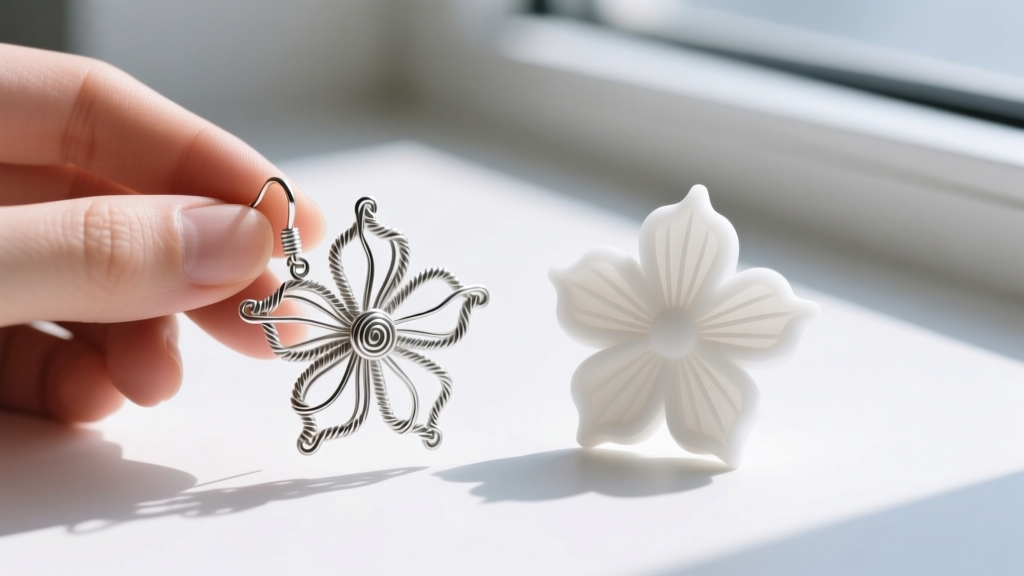
Early Hobé pieces feature hand-wired elements. Under a 10x jeweler's loupe, you should observe microscopic file marks, slight asymmetries in the wire wrapping, and evidence of hand-soldering. The stones are almost exclusively prong-set. The prongs on authentic 1940s pieces are integrated into the metal casting or meticulously hand-folded over the girdle of the stone. Conversely, modern fakes or later 1960s iterations frequently rely on adhesive glues. If you see a yellowish, hardened resin seeping from beneath a cabochon on a purported 1940s Hobe earring, it is likely a later production or a repaired "Frankenstein" piece.
Expert Troubleshooting: Spotting Fakes and Frankenstein Pieces
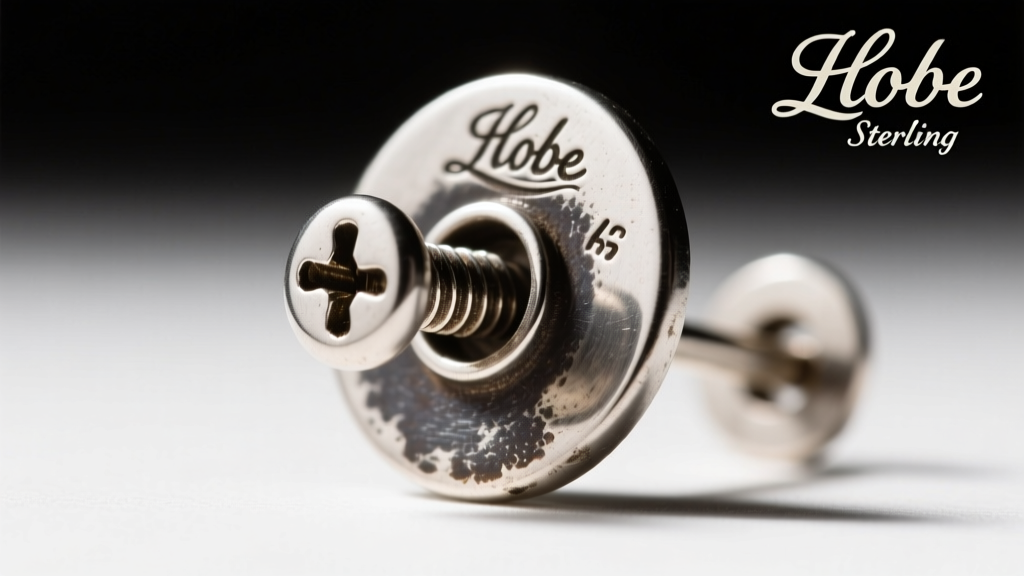
The most insidious threat to the vintage Hobe market is the "Frankenstein" earring. Because early earrings were predominantly screw-backs (designed for non-pierced ears), and modern collectors prefer pierced ears, amateur jewelers frequently desolder the original screw-back mechanism and weld on a modern post and butterfly clutch.
- The Heat Test: Desoldering requires high heat, which alters the crystalline structure of the sterling silver and burns the original gold vermeil. Look for a "ghost ring" or a patch of scorched, overly bright silver on the back of the earring where the original fitting was removed.
- The Patina Break: Original screw-backs will have 80 years of synchronized oxidation and wear with the earring body. A shiny, modern post attached to a heavily patinated vintage front is an immediate indicator of a marriage.
- Stone Replacement: Hobé used custom-cut stones. If one rhinestone in a floral cluster has a different faceting pattern, refractive index, or foil-back color than the others, it has been replaced, significantly impacting the archival value.
Market Valuation and Pricing Tiers (2026 Outlook)
The market for archival costume jewelry has matured significantly. Buyers are no longer just paying for the brand name; they are paying for technical rarity, metallurgical purity, and pristine original condition. Below is the current valuation framework for authentic vintage Hobe earrings.
| Condition & Era | Defining Characteristics | Estimated Market Value (USD) |
|---|---|---|
| Tier 1: Museum / Archival | 1930s-1940s sterling filigree, hand-wired, semi-precious stones, original screw-backs, untouched patina. | $850 - $2,800+ |
| Tier 2: Collector Grade | 1950s vermeil over sterling, prong-set rhinestones, clear hallmarks, minor wear to gold wash. | $300 - $750 |
| Tier 3: Wearable Vintage | 1960s base metal, glued stones, later clip-on conversions, noticeable plating loss. | $90 - $180 |
| Frankenstein / Altered | Modern posts soldered onto vintage fronts, replaced stones, re-plated metal. | $40 - $80 (Decorative only) |
Final Thoughts on Archival Preservation
Acquiring vintage Hobe earrings is an exercise in horological-level preservation. To maintain the integrity of the sterling silver and the delicate foil-backing of the rhinestones, collectors must avoid ultrasonic cleaners and harsh chemical dips, which will instantly strip the vermeil and cloud the glass. Instead, use a soft, untreated jeweler's cloth and a dry, camel-hair brush to gently remove debris from the filigree. By understanding the deep technical nuances of Hobé's manufacturing history, collectors can confidently navigate the market, securing pieces that represent the absolute pinnacle of mid-century American costume jewelry design.


