Beyond the Gem: The Back of Earrings & 2026 Clasp Trends
Discover 2026 trends for the back of earrings, from decorative clasps to flat-back titanium. Expert analysis on security, comfort, and materials.
The Evolution of Earring Findings: From Utility to Statement
For decades, the jewelry industry has obsessively focused on the face of the earring—the carat weight, the gemstone cut, and the precious metal finish. The back of earrings was treated as a mere mechanical afterthought, a utilitarian necessity designed solely to keep the piece from falling out. However, as we navigate the style landscape of 2026, a massive paradigm shift is occurring in ear curation. The structural and aesthetic elements of earring findings are stepping into the spotlight, driven by consumer demand for all-day comfort, hypoallergenic materials, and 360-degree visual interest.
Today, the back of earrings is no longer just a friction clutch hidden behind the lobe. It is a canvas for secondary design elements, a critical factor in cartilage health, and a major focal point for high-end jewelry houses. Whether you are managing a complex multi-piercing curation or simply looking for a secure stud that will not irritate your skin while sleeping, understanding the mechanics, materials, and trends of earring backs is essential for any serious jewelry collector.
2026 Style Trend: Decorative Backs and Ear Jackets
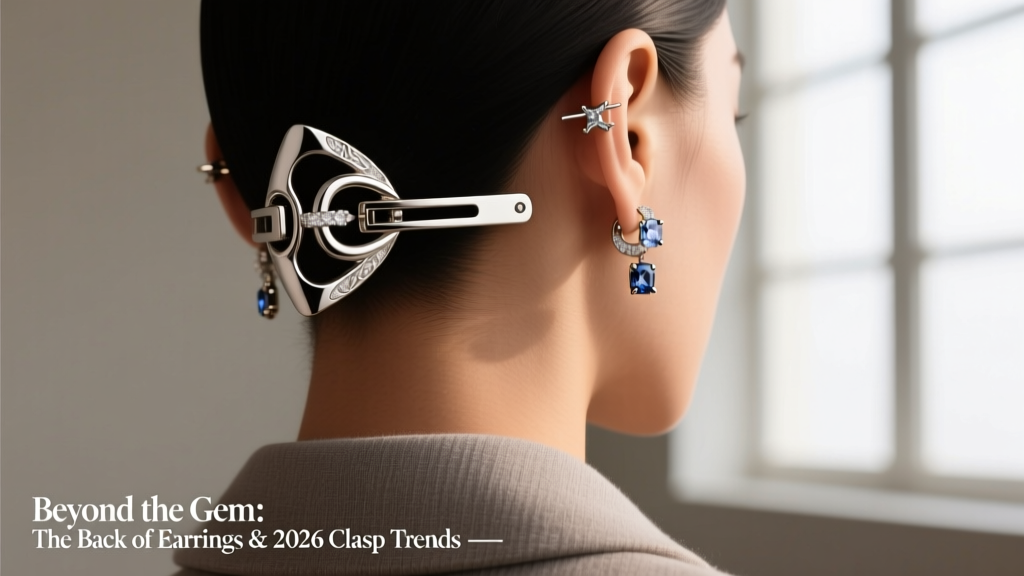
The most prominent style trend this year is the 'mismatched' or 'dual-sided' earring, where the back of the earring is just as ornate as the front. Designers are reimagining the traditional post and clutch system to accommodate secondary gemstone clusters, delicate chain drapes, and geometric ear jackets that wrap around the lower lobe.
- Chain-Drop Backs: A sleek front stud connects to a delicate 14k gold chain that feeds through the piercing and dangles from the back, creating an illusion of a complex threader earring with the security of a standard post.
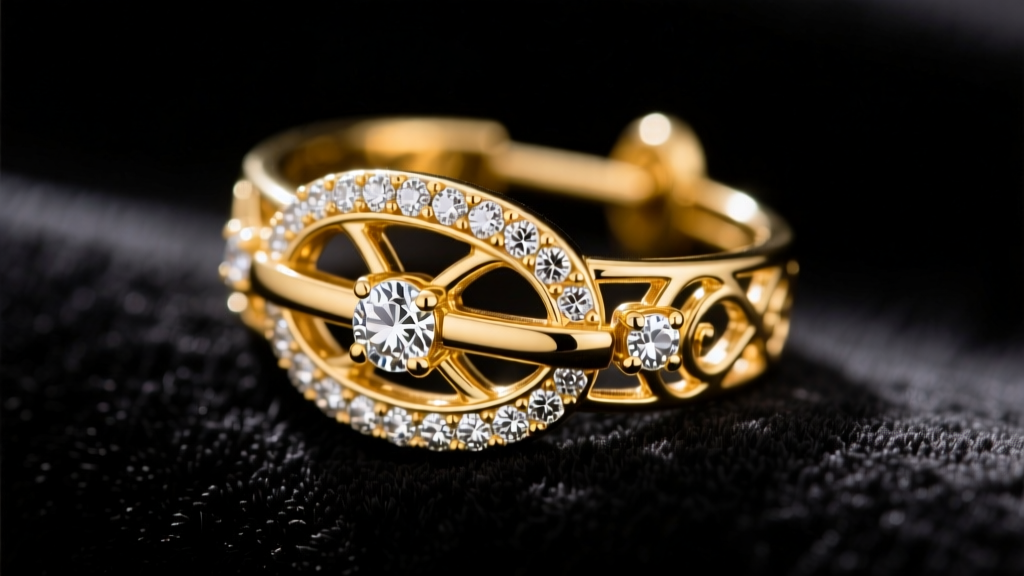
- Gemstone Clutches: Instead of a plain metal butterfly back, luxury brands are utilizing la pousette clasps encrusted with pavé diamonds or vibrant enamel, turning the hidden clasp into a secret luxury for the wearer.
- Ear Jackets: These pieces feature a front stud that locks into a specialized grooved back. The back piece then fans out below the earlobe, creating a dramatic, structural silhouette that frames the jawline.
The Flat Back Revolution: Cartilage and Lobe Comfort
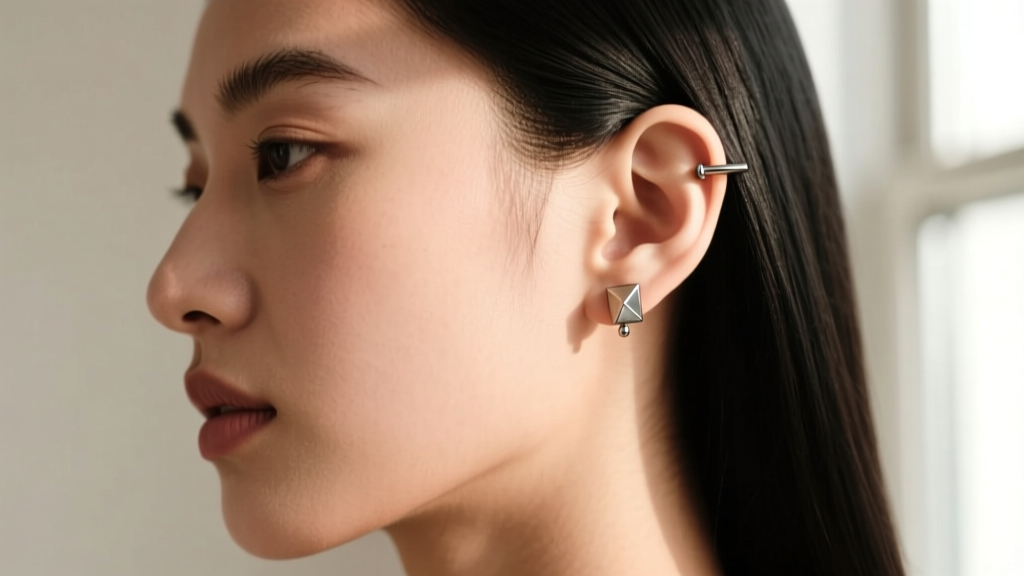
If you follow modern ear curation, you already know that traditional butterfly backs are being rapidly phased out of cartilage piercings. The flat back labret has become the undisputed king of the helix, conch, and tragus. But in 2026, we are seeing a massive migration of flat backs into standard lobe piercings as well, driven by the 'sleep-friendly' jewelry movement.
Threadless vs. Internally Threaded Systems
When selecting a flat back, the connection mechanism is critical. The two industry standards are internally threaded and threadless (press-fit) systems.
Internally Threaded: The threading is on the post, which screws into the decorative end. This is excellent for 14G (1.63mm) and 12G (2.05mm) thicker gauge jewelry, as the threads are large enough to resist stripping. However, in finer gauges like 18G (1.02mm) or 16G (1.29mm), internal threads can be fragile and prone to cross-threading if forced.
Threadless (Press-Fit): The decorative end features a tiny, slightly bent pin that slides into the hollow post. The tension of the bent metal against the inner wall of the post creates an incredibly secure lock. According to the Association of Professional Piercers, threadless systems are highly recommended for their security and ease of use, provided the pin is bent to the correct 5-to-10-degree angle before insertion. This system dominates the 16G and 18G market for both cartilage and lobe.
Security vs. Aesthetics: A Technical Comparison
Choosing the right back requires balancing your lifestyle with your aesthetic goals. Below is a technical breakdown of the most common earring backs, their failure modes, and ideal use cases.
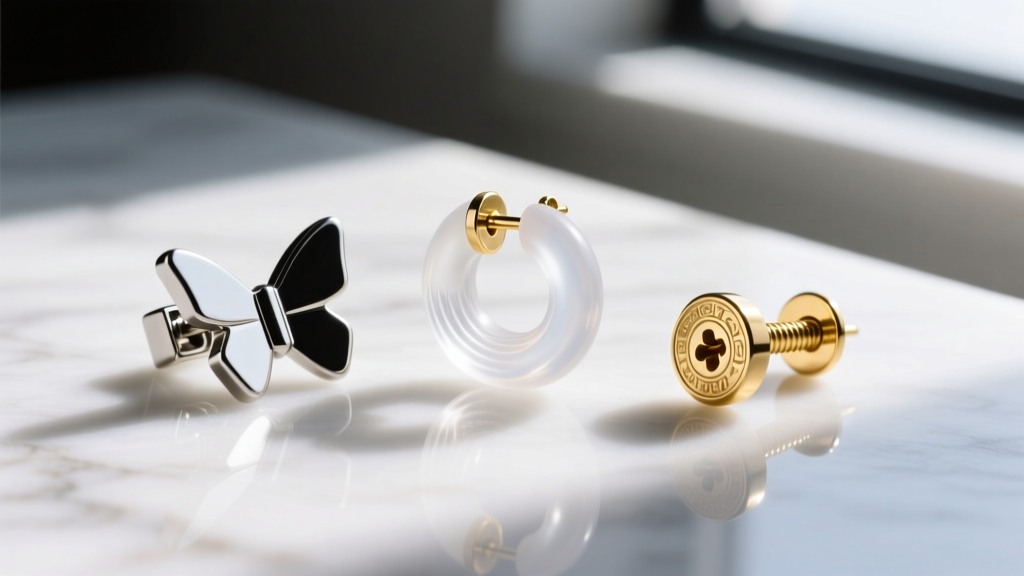
| Clasp Type | Security Level | Common Failure Mode | Best Application |
|---|---|---|---|
| Friction (Butterfly) | Low-Medium | Metal fatigue causes wings to spread, losing tension. | Temporary wear, lightweight studs. |
| Screw Back | High | Cross-threading or stripping of fine micro-threads. | High-value diamond studs, children's earrings. |
| La Pousette | Medium-High | Silicone insert degrades over time; springs lose tension. | Heavy drop earrings, luxury fine jewelry. |
| Flat Back (Threadless) | Very High | Pin straightens out if repeatedly removed without rebending. | Cartilage, sleepers, active lifestyles. |
| Silicone O-Rings | Low | Tears easily; degrades with exposure to oils and alcohols. | Sports, sleeping, temporary lobe retention. |
Material Science: What Touches Your Skin Matters
The skin on the back of the earlobe and behind the cartilage is highly susceptible to moisture trapping and friction. This makes the material of the earring back just as important as the front. Contact dermatitis is a rampant issue, often mistakenly blamed on the front of the earring when the actual culprit is a nickel-laced butterfly clutch.
The American Academy of Dermatology notes that nickel allergy is one of the most common causes of allergic contact dermatitis. Many commercial 'hypoallergenic' earrings use surgical steel, which still contains up to 10% nickel. When the skin sweats, the salt and moisture break down the passive oxide layer on the steel, leaching nickel ions directly into the dermis.
The 2026 Material Standard
To avoid allergic reactions and ensure long-term tissue health, experts recommend restricting the back of earrings to the following materials:
- Implant-Grade Titanium (ASTM F136): The gold standard for body jewelry. It contains zero nickel, is highly biocompatible, and is lightweight enough to prevent stretching in delicate piercings.
- Niobium (ASTM F2384): An excellent alternative to titanium that can be anodized to create vibrant colors without using dyes or platings that could flake off into the piercing channel.
- Solid 14k or 18k Gold (Nickel-Free): Ensure the gold alloy is specifically formulated without nickel or cadmium. White gold should be avoided unless it is alloyed with palladium instead of nickel.
- Medical-Grade Silicone: Used for O-rings and comfort backs. Ensure it is platinum-cured silicone, which lacks the toxic byproducts found in cheaper, peroxide-cured alternatives.
Expert Troubleshooting: Why You Keep Losing Your Earrings
Losing a beloved or expensive earring is a universal frustration. However, it is rarely a matter of bad luck; it is almost always a mechanical failure related to the back of the earrings. Here is how to troubleshoot the most common issues:
1. The Post is Too Thin (Gauge Mismatch)
Standard commercial earrings often use 20G (0.81mm) or even 22G (0.64mm) posts to save on precious metal costs. These ultra-thin posts act like wires and bend easily when you pull your hair or change clothes. Once the post bends, the friction back no longer sits flush against the ear, creating a gap that allows the clutch to slide off. The Fix: Upgrade to 18G (1.02mm) or 16G (1.29mm) posts. The slight increase in thickness provides exponentially more structural rigidity.
2. Friction Back Fatigue
Butterfly clutches rely on the outward spring tension of the metal wings. Over time, the repeated action of pushing the clutch on and off the post causes work hardening and metal fatigue. The wings spread outward, and the clutch loses its grip. The Fix: Never try to 'squeeze' the wings back together with pliers; this will snap the brittle metal. Replace your friction backs every 6 to 12 months, or switch to a screw-back or threadless system entirely.
3. Hair and Debris Snagging
The intricate loops of a traditional butterfly back are notorious for catching loose hairs. When a hair wraps tightly around the post and the back, it slowly works the clutch backward every time you brush your hair. The Fix: Utilize 'push-pin' or smooth-dome backs that lack crevices, or apply a tiny drop of jojoba oil to the post to reduce friction and prevent hair from binding to the metal.
Final Thoughts on the Future of Findings
The era of ignoring the back of earrings is officially over. As consumers become more educated on material safety, anatomical comfort, and holistic styling, the findings market has evolved to meet these demands. Whether you are investing in a pair of threadless titanium labrets for your newly healed conch piercing, or selecting a pair of diamond-studded ear jackets for a gala, paying attention to the mechanics of the clasp will ensure your jewelry remains secure, comfortable, and stylish from every single angle.


