Ballet Folklorico Earrings: Material & Durability Guide
Discover the best metals and materials for Ballet Folklorico earrings. Compare sweat resistance, weight, and durability for dance.

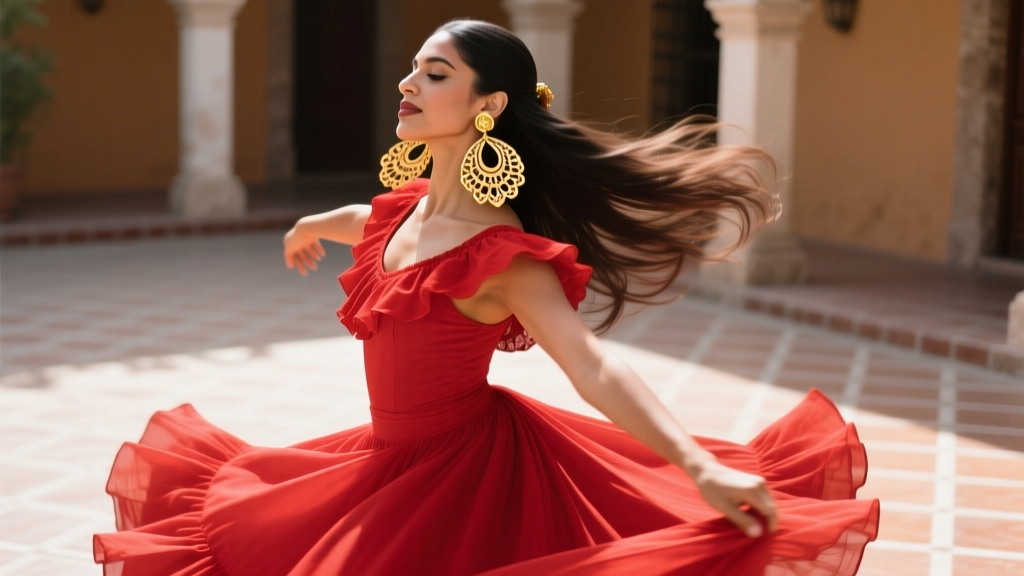
Ballet Folklorico is a celebration of Mexican culture, characterized by vibrant, sweeping vestidos (dresses), intricate choreography, and immense physical exertion. For dancers, jewelry is not merely an accessory; it is an extension of the costume that must endure rigorous movement. When selecting or designing ballet folklorico earrings, the material properties of the metals and stones used are just as critical as their aesthetic appeal. The wrong material can lead to tarnished finishes, allergic reactions from sweat, or even torn earlobes due to excessive weight during rapid spins.
In this comprehensive guide, we break down the metallurgy, weight dynamics, and structural integrity of the best materials for folklorico dance earrings, ensuring your jewelry survives both the rehearsal studio and the main stage.
The Unique Physical Demands of Folklorico Dance
Unlike static jewelry worn for everyday use, performance earrings are subjected to extreme kinetic forces. The choreography of Ballet Folklorico heavily features giros (rapid turns) and zapateado (percussive footwork). During a sustained turn, centrifugal force causes drop earrings to swing outward at sharp angles, placing significant lateral stress on the earlobe piercing.
Furthermore, dancers perspire heavily under stage lights. Human sweat is a complex electrolyte solution with a pH ranging from 4.0 to 7.0, containing water, urea, lactic acid, and chlorides. According to research published in the National Institutes of Health (NIH), the chlorides and lactic acid in sweat aggressively accelerate the corrosion and tarnishing of copper-bearing alloys, while also increasing the leaching of nickel ions from lower-grade metals, leading to contact dermatitis.
Comparing Metal Alloys: Silver, Gold-Filled, and Titanium
The foundation of any high-quality dance earring lies in its ear wire and structural framework. Here is how the most common metals perform under the specific conditions of Ballet Folklorico.
Sterling Silver (925) vs. Fine Silver (999)
Traditional Mexican jewelry, particularly from Taxco, relies heavily on silver. However, fine silver (99.9% pure) is too soft for ear wires; a 20-gauge fine silver wire will easily bend and lose its shape during a performance. Sterling silver (92.5% silver, 7.5% copper) offers the necessary tensile strength, but the copper content makes it highly susceptible to sweat-induced tarnishing. Dancers wearing sterling silver must clean their earrings with a polishing cloth immediately after every performance to prevent permanent pitting.
Gold-Filled (14/20): The Industry Standard
Gold-filled wire is the premier choice for professional dance companies. By Federal Trade Commission (FTC) guidelines, gold-filled material must contain a gold layer that constitutes at least 1/20th (5%) of the total weight of the item, mechanically bonded to a brass core. This thick layer of 14k gold provides excellent sweat resistance and will not flake off like gold-plated alternatives (which contain less than 0.05% gold). For large filigree hoops or chandelier earrings, 14/20 gold-filled wire provides the golden hue required to match traditional Jalisco costumes without the prohibitive cost or softness of solid 14k gold.
Implant-Grade Titanium (ASTM F136)
For dancers with severe metal sensitivities, Grade 23 Titanium (Ti-6Al-4V ELI) is the ultimate solution. As outlined by ASTM International standard F136, this specific alloy is the standard for surgical implants. It is entirely nickel-free, highly resistant to chloride corrosion, and roughly 45% lighter than steel or silver. Titanium ear wires allow for slightly heavier decorative elements without exceeding the lobe's weight tolerance.
Material Weight & Lobe Stress: A Data Comparison
When designing oversized statement earrings to complement the wide-brimmed sombreros or elaborate floral headpieces of Veracruz and Michoacán styles, weight distribution is paramount. A standard earlobe piercing can comfortably support up to 15-20 grams for short periods, but sustained dancing requires keeping earring weight under 10 grams per ear to prevent migration or tearing.
| Material | Density (g/cm³) | Sweat Resistance | Best Use in Folklorico | Price Range (Findings) |
|---|---|---|---|---|
| Sterling Silver (925) | 10.4 | Low (Tarnishes quickly) | Small studs, traditional filigree | $5 - $15 / pair |
| 14k Gold-Filled | 12.9 | High | Ear wires, large structural hoops | $8 - $20 / pair |
| Grade 23 Titanium | 4.4 | Exceptional | Hypoallergenic fishhooks, posts | $6 - $12 / pair |
| Acrylic / Resin | 1.1 - 1.3 | High | Oversized decorative drops | $2 - $8 / pair |
Lightweight Alternatives for Statement Silhouettes
Many regional dances, such as the Jalisco routines, require large, dangling earrings that mimic the movement of the dress ruffles. Crafting these silhouettes entirely from metal results in jewelry that is dangerously heavy. To maintain the visual scale while reducing mass, artisans and jewelry designers turn to advanced non-metallic materials.
- Laser-Cut Acrylic: Modern acrylics can be laser-cut into intricate lace-like patterns that mimic traditional Spanish mantillas. Acrylic is virtually impervious to sweat and weighs a fraction of brass or silver.
- Enameled Copper: For vibrant colors matching the vestidos, copper stamped with vitreous enamel provides a glass-like, sweat-proof finish. However, the copper base must be completely sealed; if the enamel chips, the exposed copper will react with sweat and turn the skin green.
- Carved Tagua Nut: Known as 'vegetable ivory,' this natural material is incredibly lightweight and can be dyed in the brilliant reds, greens, and golds required for Sinaloan costumes.
Traditional Filigree (Filigrana): Structural Vulnerabilities
The filigrana technique, originating from Moorish influences and perfected in Oaxaca and the Yucatán, involves curling and soldering ultra-fine wires into lace-like patterns. While breathtaking, traditional filigree presents unique challenges for Ballet Folklorico dancers.
"Authentic Mexican filigree often utilizes 28-gauge to 30-gauge silver wire. While beautiful, wires this thin are highly susceptible to crushing if stored improperly in a dance bag, and the solder joints can snap under the repetitive centrifugal stress of choreographed turns."
To make filigree earrings dance-ready, jewelers must reinforce the structural spine of the earring with a thicker 18-gauge or 16-gauge wire frame, using the fine 30-gauge wire only for the decorative interior webbing. Additionally, applying a clear, jewelry-grade electrophoretic coating (like E-Coat) over the silver filigree will seal the microscopic crevices, preventing sweat from accumulating and causing rapid oxidation in hard-to-polish areas.

Hardware and Backings: Securing Earrings During Zapateado
The most expensive, beautifully crafted earring is useless if it flies off during a vuelta (turn). The hardware connecting the earring to the ear must be specifically chosen for high-movement environments.
The Superiority of the Leverback
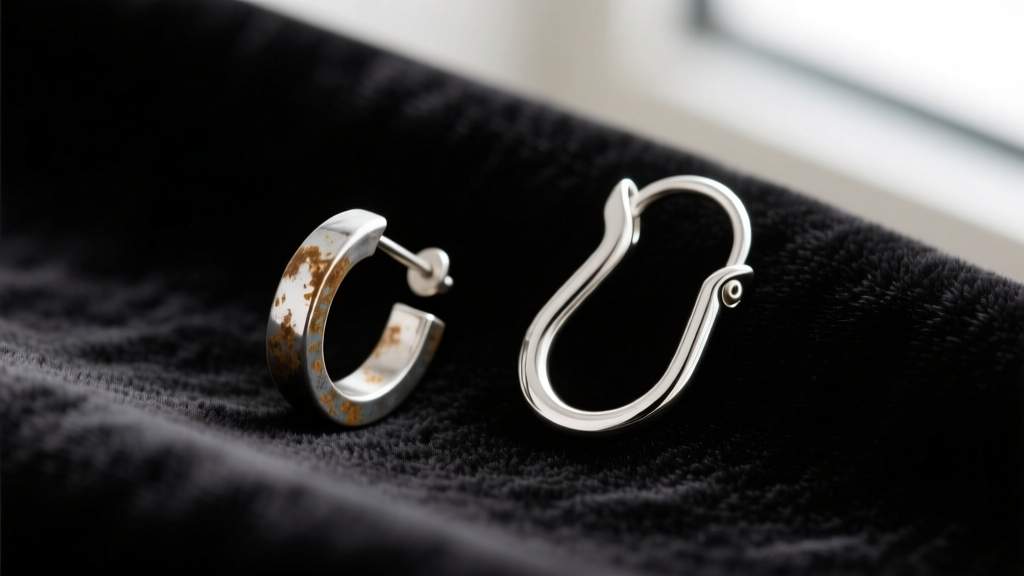
Standard French hook (fishhook) ear wires are the most common, but they rely on gravity to stay in place. During the inverted head movements common in some Veracruz dances, fishhooks can easily slip out. Leverback ear wires feature a hinged clasp that snaps securely closed, creating a continuous loop through the piercing. For dance, a 20-gauge (0.81mm) gold-filled leverback provides the perfect balance of thickness for durability and thinness for comfort.
Silicone Stoppers and O-Rings
If a design necessitates the use of a standard post or fishhook, dancers must use secondary retention methods. Clear silicone disc stoppers or tiny rubber O-rings placed behind the earlobe prevent the earring from sliding backward and falling out. Unlike rigid metal butterfly backs, silicone grips the ear wire with high friction and flexes with the movement of the dancer's head, reducing point-stress on the piercing channel.
Post-Performance Care and Maintenance
Even the most sweat-resistant materials require proper care to ensure longevity. After every rehearsal or performance, Ballet Folklorico earrings should be wiped down with a microfiber cloth dampened with a mild, phosphate-free soap solution to remove lactic acid and salt buildup. For gold-filled and titanium components, an ultrasonic cleaner can be used for 3 minutes to dislodge stage makeup and rosin dust from intricate filigree work. However, never use ultrasonic cleaners on enameled pieces, glued acrylics, or porous stones like turquoise, which are common in indigenous-inspired folklorico designs, as the high-frequency vibrations will shatter the adhesive or the stone itself.
By understanding the material science behind jewelry making, dancers and designers can ensure their ballet folklorico earrings remain as resilient and captivating as the dances they accompany.


