Bape Earrings: Material Properties & Care Guide 2026
Discover the material properties of Bape earrings. Compare base metals, plating grades, and learn how to spot fakes and prevent tarnish in 2026.

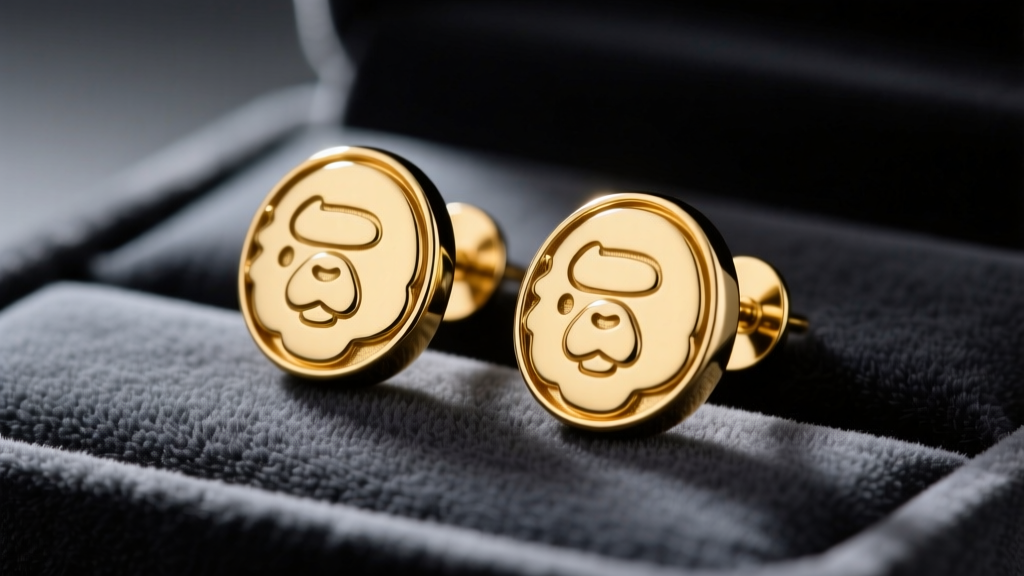
The Metallurgy of Streetwear: What Are Bape Earrings Made Of?
As streetwear jewelry solidifies its position in the 2026 luxury-adjacent market, A Bathing Ape (Bape) earrings represent a unique intersection of hype culture and accessible metallurgy. Unlike fine jewelry houses that rely on solid 14k gold or platinum, streetwear brands prioritize bold aesthetics, complex colorways, and accessible price points. To achieve this, Bape earrings utilize specific base metals, advanced plating techniques, and specialized enamels. Understanding these material properties is critical for collectors, everyday wearers, and buyers navigating the secondary market to avoid counterfeits.
Base Alloys: Brass vs. Stainless Steel
The core structure of authentic Bape stud and hoop earrings is typically milled from one of two base metals:
- Jewelry Brass (Cu-Zn Alloy): The most common base for Bape's gold-tone pieces. Brass offers excellent malleability for casting intricate motifs like the iconic Baby Milo or shark designs. It is naturally antimicrobial but highly susceptible to oxidation if the outer plating is compromised.
- 316L Surgical Stainless Steel: Used primarily for silver-tone pieces and ear cuffs. 316L contains molybdenum, which increases resistance to chloride corrosion (sweat), making it a superior choice for cartilage piercings and humid environments.
The Enamel Factor: Cold vs. Vitreous
Bape's signature camo patterns and vibrant character motifs rely heavily on enamel inlay. Authentic Bape earrings utilize cold enamel (epoxy resin) rather than traditional vitreous (glass) enamel. Cold enamel is cured at low temperatures, allowing it to bond to brass without warping the base metal. While it lacks the scratch resistance of fired glass enamel, high-grade epoxy resin provides superior impact resistance, preventing the chipping commonly seen when streetwear jewelry is dropped on hard surfaces.
Plating Standards and Micron Thickness
The longevity of Bape earrings is dictated almost entirely by the thickness and method of the outer plating. According to the FTC Jewelry Guides, the term 'gold plated' requires a minimum thickness of 0.175 microns. However, authentic streetwear brands typically exceed this baseline to ensure durability.
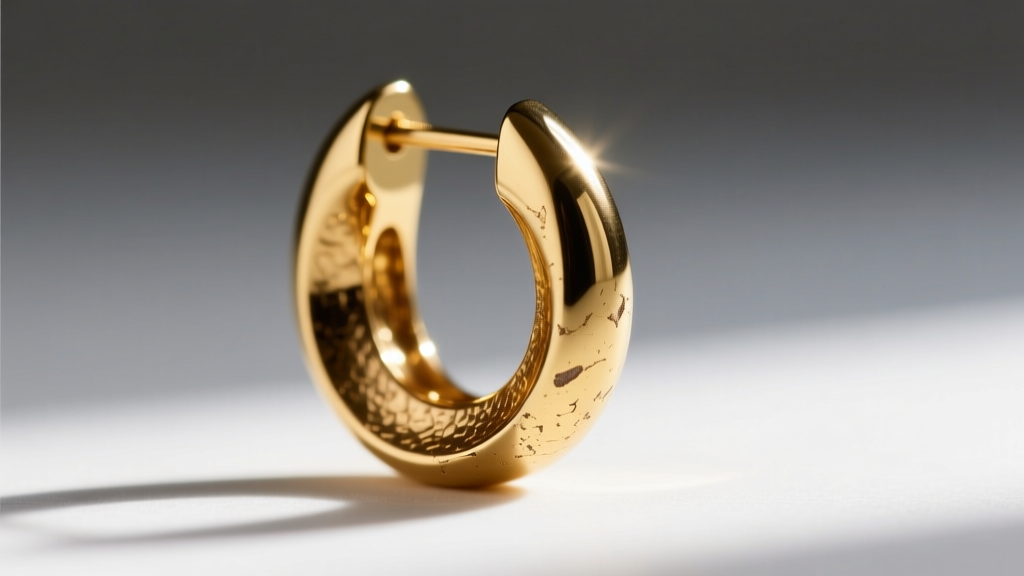
PVD vs. Traditional Electroplating
In 2026, high-tier streetwear jewelry has largely transitioned toward Physical Vapor Deposition (PVD) for gold-tone finishes. As noted in materials science research on Physical Vapor Deposition, PVD coatings are applied in a vacuum chamber, resulting in a molecular bond that is up to 10 times more resistant to wear and sweat than traditional wet electroplating. Authentic Bape gold-tone earrings often feature a PVD titanium nitride (TiN) underlayer before the final gold-color coat, yielding a thickness between 0.5 and 1.2 microns. Counterfeit versions almost exclusively use 'flash plating' (under 0.05 microns), which wears off within weeks of daily use.
Material Comparison Chart: Authentic vs. Counterfeit
The secondary market is flooded with fake Bape earrings. Use this material breakdown to authenticate pieces and understand what you are wearing against your skin.
| Property | Authentic Bape Earrings | Counterfeit / Replica | Fine Jewelry Alternative |
|---|---|---|---|
| Base Metal | Lead-free Brass or 316L Steel | Zamak (Zinc Alloy) or cheap brass | Solid 14k/18k Gold, Platinum |
| Plating Type | PVD or Heavy Electroplate | Flash Electroplate | N/A (Solid metal) |
| Plating Thickness | 0.5 - 1.2 microns | < 0.05 microns | N/A |
| Enamel Type | High-grade Epoxy Resin | Low-grade acrylic paint/resin | Vitreous (Fired Glass) Enamel |
| Nickel Content | Compliant (Trace/None) | High (Fails EU REACH) | Nickel-free |
| Avg. Price Range | $120 - $350 USD | $15 - $40 USD | $400 - $1,500+ USD |
Gauge Sizes and Piercing Compatibility
A critical, often overlooked aspect of streetwear earrings is the post gauge. Bape stud earrings are manufactured for standard fashion jewelry wear, which dictates specific sizing that may not be suitable for all piercing types.
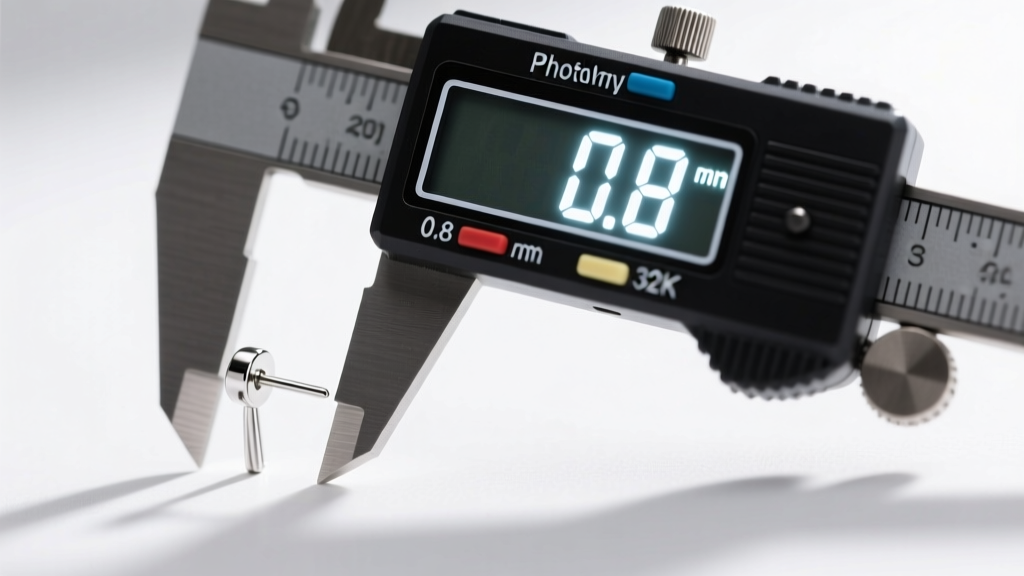
Standard Lobe vs. Cartilage Fit
Most Bape stud earrings feature a 20-gauge (0.8mm) or 18-gauge (1.0mm) post. This is perfectly adequate for healed earlobe piercings. However, inserting a 20G post into a cartilage piercing (like a helix or tragus) can trigger the 'cheese cutter effect.' Because cartilage is dense and lacks the blood flow of the earlobe, the thin wire can migrate through the tissue under the weight of the earring's motif, causing tearing and permanent scarring. For cartilage, you should only wear 16G (1.2mm) or 14G (1.6mm) jewelry. If you must wear a Bape stud in your cartilage, consult a professional piercer to see if the motif can be safely re-threaded onto a thicker, implant-grade titanium post.
Failure Modes: Tarnishing, Allergies, and Corrosion
Even authentic Bape earrings are subject to material degradation if improperly maintained. Understanding these failure modes will help you extend the lifespan of your pieces.
The Nickel Factor and EU REACH Compliance
Contact dermatitis is the most common complaint with streetwear jewelry. Authentic Bape pieces sold in global markets adhere to the EU REACH Nickel Restriction, which limits nickel migration to 0.5 micrograms per square centimeter per week. Counterfeits ignore this regulation, utilizing cheap zinc alloys packed with nickel to lower casting costs. If your earlobes itch or turn green within hours of wearing a 'Bape' earring, you are likely wearing a fake with a high-copper, high-nickel Zamak base.
Galvanic Corrosion from Sweat
Human sweat contains sodium chloride (salt) and lactic acid. When sweat pools in the crevices of a brass-based earring where the plating has micro-fractures, it creates a galvanic cell. This accelerates the oxidation of the underlying copper, resulting in the infamous 'green skin' effect. This is not a sign of toxicity, but rather a chemical reaction indicating that the protective PVD or gold layer has been breached.
Maintenance Protocol for Plated Streetwear Jewelry
To preserve the enamel inlays and PVD coatings on your Bape earrings in 2026, abandon traditional jewelry cleaning methods. Follow this strict maintenance protocol:
Warning: Never use ultrasonic cleaners or chemical silver dips on Bape earrings. Ultrasonic frequencies will shatter the cold epoxy enamel, and chemical dips will instantly strip the gold PVD coating, leaving you with raw, tarnished brass.
- Daily Wipe: After wearing, gently wipe the earring post and backing with a dry, lint-free microfiber cloth to remove sebum and sweat.
- Deep Cleaning: Use a soft-bristled baby toothbrush dipped in a solution of warm water and a single drop of mild, phosphate-free dish soap. Gently agitate the crevices of the Baby Milo or camo motifs, then rinse under lukewarm distilled water.
- Drying: Pat dry immediately with a microfiber cloth. Do not air dry, as hard water minerals will leave calcium deposits that etch into the epoxy enamel over time.
- Storage: Store in an airtight anti-tarnish bag with a silica gel desiccant packet. Keep away from direct UV light, which can yellow the white and neon cold enamel resins over prolonged exposure.
Conclusion
Bape earrings are a testament to the evolution of streetwear into a permanent fixture of modern accessories. By understanding the metallurgy, plating thickness, and gauge limitations of these pieces, you can make informed purchasing decisions, easily spot counterfeits, and maintain your jewelry's structural integrity for years to come. Treat them not as disposable fashion, but as engineered accessories that require specific care to thrive.


