Bar Drop Earrings Buying Guide: Metals, Lengths & Face Shapes
Discover how to choose the perfect bar drop earrings. Our expert buying guide covers metal grades, ideal lengths for your face shape, and styling tips.

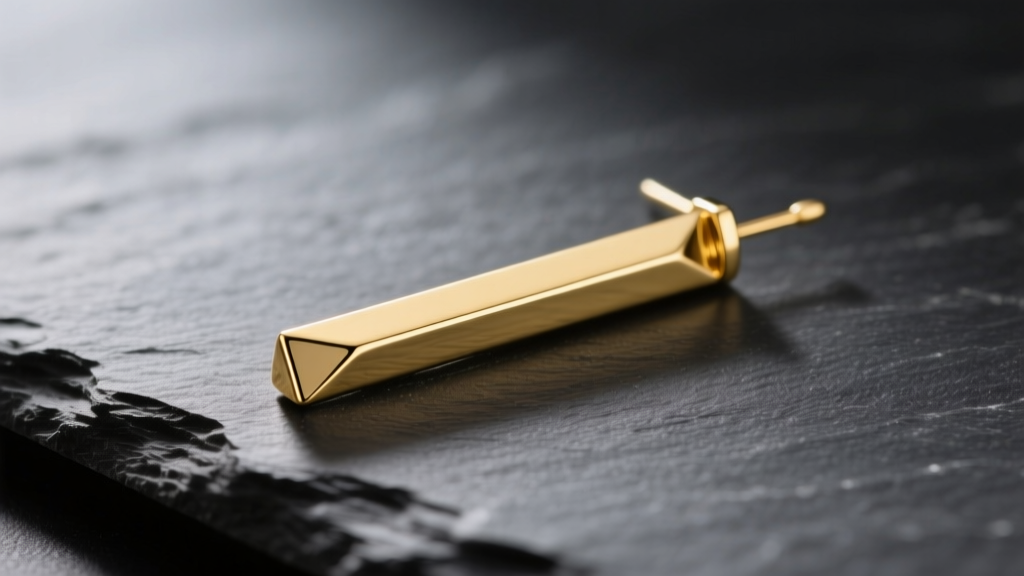
Bar drop earrings represent the pinnacle of minimalist jewelry design, offering a sleek, geometric silhouette that elongates the neck and frames the jawline. However, their deceptively simple straight-line architecture introduces unique structural and stylistic challenges. A poorly balanced bar drop will constantly tilt forward, while a soft metal alloy will bend under the stress of daily wear. This comprehensive buying guide dissects the metallurgy, physics, and proportional aesthetics you must evaluate before investing in your next pair of bar drop earrings.
The Physics of the Drop: Gauge and Center of Gravity
Unlike studs that sit flush against the earlobe, bar drop earrings act as pendulums. The center of gravity shifts downward the longer the bar extends, creating a fulcrum effect at the piercing site. If the earring post is too thin, the weight of the drop will cause the post to bend or the earring to droop awkwardly forward.
For bar drops measuring under 25mm in length, a standard 20-gauge (0.81mm) post is generally sufficient. However, for elongated designs ranging from 35mm to 60mm, you must look for an 18-gauge (1.02mm) or even 16-gauge (1.29mm) post. This added thickness provides the necessary tensile strength to keep the bar hanging perfectly plumb without warping the earlobe or the metal itself.
Decoding Metal Alloys: Durability vs. Hypoallergenic Needs
The material of your bar drop earrings dictates both their longevity and your skin's reaction. Because bar drops are prone to being bumped, caught in hair, or knocked against collars, structural integrity is paramount.
14k vs. 18k Gold
While 18k gold (75% pure gold) offers a richer, warmer yellow hue, it is inherently softer. A thin 18k gold bar earring is highly susceptible to bending. According to the Jewelers of America, 14k gold (58.5% pure gold) is alloyed with higher percentages of copper, zinc, or silver, significantly increasing its hardness and scratch resistance. For rigid, straight-line bar drops, 14k gold is the superior functional choice.
Implant-Grade Titanium
For those with nickel sensitivities or newly healed piercings, titanium is the gold standard. However, not all titanium is equal. You must look for jewelry explicitly labeled as ASTM F136 compliant. ASTM International sets the F136 standard for implant-grade titanium, ensuring the alloy is entirely free of nickel and safe for long-term internal wear. Avoid generic "surgical steel" for sensitive lobes, as it often contains trace nickel that can trigger contact dermatitis over time.
Vermeil Thickness
If you are buying gold vermeil (gold plated over sterling silver), the thickness of the gold layer is the primary indicator of quality. The FTC mandates a minimum of 2.5 microns for an item to be legally sold as vermeil in the US. For everyday bar drops that experience friction from hair and clothing, seek out brands that specify a 3.0 to 4.0-micron plating thickness to prevent the silver core from bleeding through within the first year.
Proportion Guide: Matching Length to Face Shape
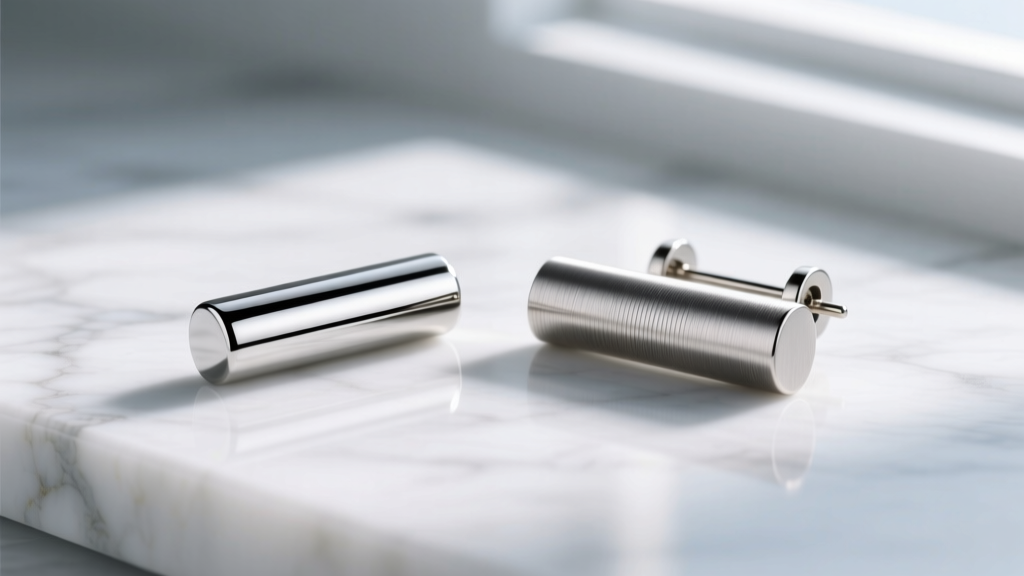
The linear nature of bar drop earrings makes them a powerful tool for visual contouring. The length of the bar, measured in millimeters from the base of the earlobe to the bottom tip, should be chosen to balance your natural facial geometry.
| Face Shape | Ideal Bar Length | Styling Rationale |
|---|---|---|
| Round | 40mm - 60mm | Long, slender drops create a vertical illusion, elongating the face and softening wide cheekbones. |
| Square | 30mm - 45mm | Mid-length drops with slightly rounded or beveled edges help offset a strong, angular jawline. |
| Oblong / Long | 15mm - 25mm | Shorter, wider bar drops (or horizontal bar orientations) add width and prevent the face from looking overly drawn out. |
| Heart | 25mm - 40mm | Medium-length drops that are slightly thicker at the bottom add visual weight to the lower half of the face, balancing a narrow chin. |
The Crucial Role of Earring Backings
The backing mechanism is the unsung hero of the bar drop earring. Standard friction backs (butterfly backs) are notoriously inadequate for elongated drops. The pendulum motion of a long bar gradually works a friction back loose, leading to lost jewelry. Furthermore, the small surface area of a butterfly back concentrates the weight of the earring onto a tiny point on the back of the earlobe, causing discomfort.
When shopping for premium bar drops, prioritize the following secure backing types:
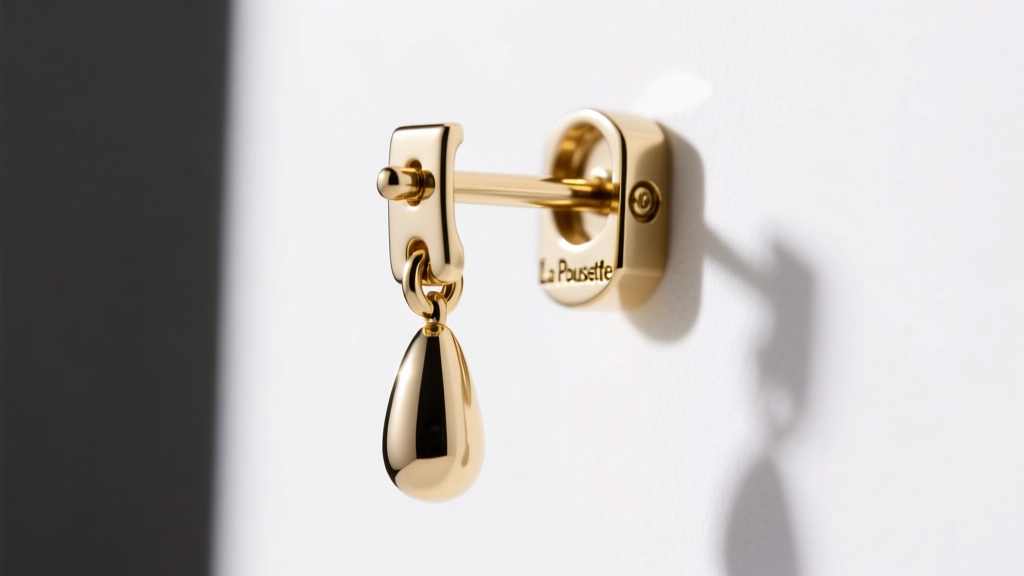
- La Pousette (Push-Patent) Backs: These feature a mechanical locking system with internal springs and grips that snap securely onto the post's groove. They offer the highest level of security for heavy or long drops.
- Screw Backs: The backing threads onto a specially grooved post. While highly secure, they require patience to put on and can strip if cross-threaded.
- Flat Disc Friction Backs: If a standard post is used, a wide, flat silicone or metal disc distributes the weight of the drop evenly across the earlobe, preventing the "droop" effect and reducing pressure points.
Pricing Tiers & Market Value
Understanding what you should expect to pay helps you identify inflated markups or suspiciously low-quality alloys. Here is a realistic pricing framework for bar drop earrings in the current market:
- Entry-Level ($30 - $60): Gold-plated brass or sterling silver with thin rhodium plating. Expect 20-gauge posts and standard butterfly backs. Suitable for occasional wear, but high risk of tarnishing or bending.
- Mid-Range ($80 - $200): Solid 14k gold (often 10k or 14k hollow-core to save weight) or high-quality gold vermeil (3.0+ microns) over sterling silver. Often features upgraded flat-disc or silicone backings.
- Fine Jewelry ($250 - $600+): Solid 14k or 18k gold, ASTM F136 titanium, or platinum. Includes precision-machined 18-gauge posts and La Pousette locking backs. These are lifetime pieces that will not warp or degrade.
Maintenance: Preventing the Bent Bar Disaster
The most common failure mode for bar drop earrings is lateral bending. Because the human eye is highly sensitive to asymmetrical straight lines, even a 2-degree bend in a 40mm gold bar is immediately noticeable. To maintain structural integrity, never sleep in bar drop earrings; the lateral pressure of a pillow will permanently warp the metal. Store them in a dedicated compartment of a jewelry box or hang them from a slotted display stand to prevent them from being crushed by heavier items. For cleaning, avoid ultrasonic cleaners if the bar features any tension-set gemstones, and instead use a mild dish soap solution and a microfiber cloth to restore the metal's polish without scratching the surface.


